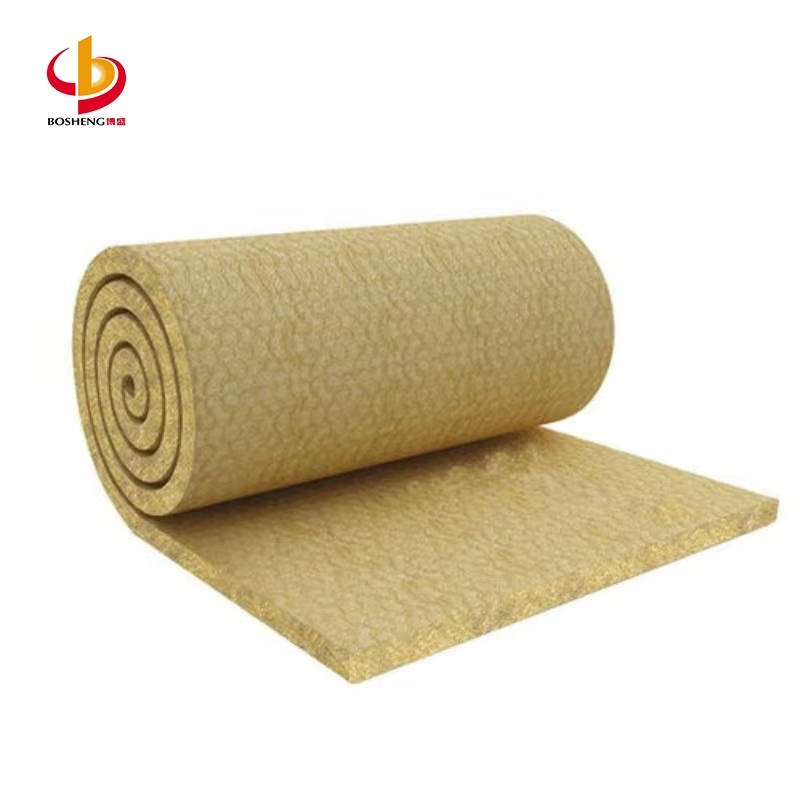
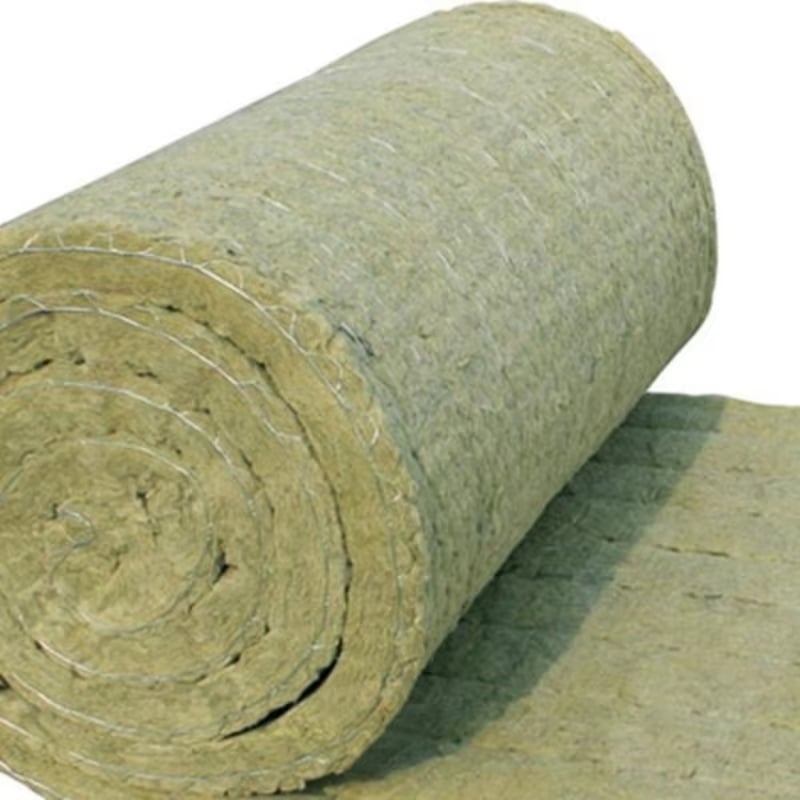
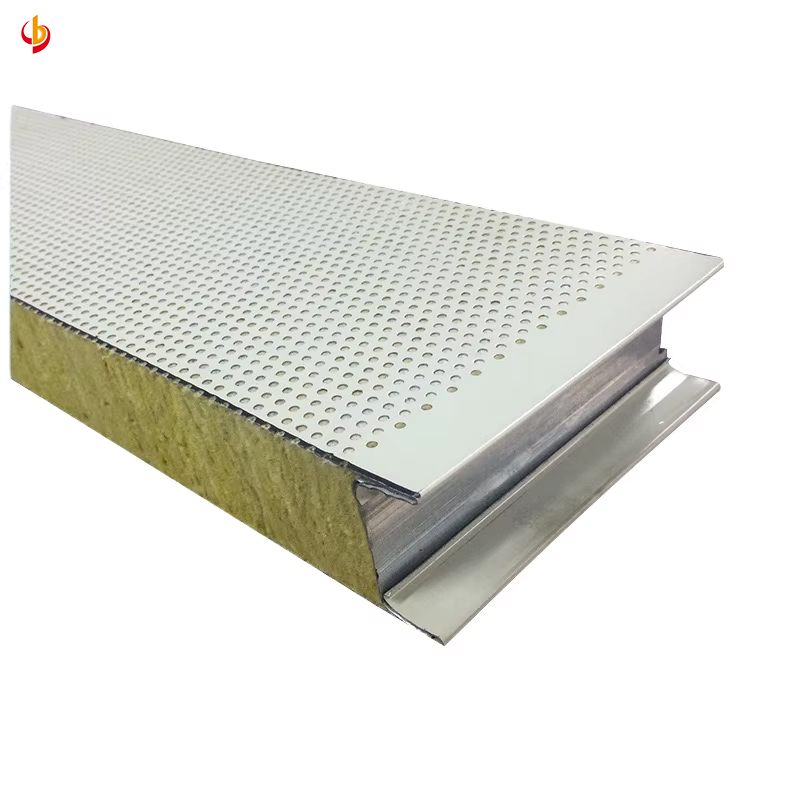
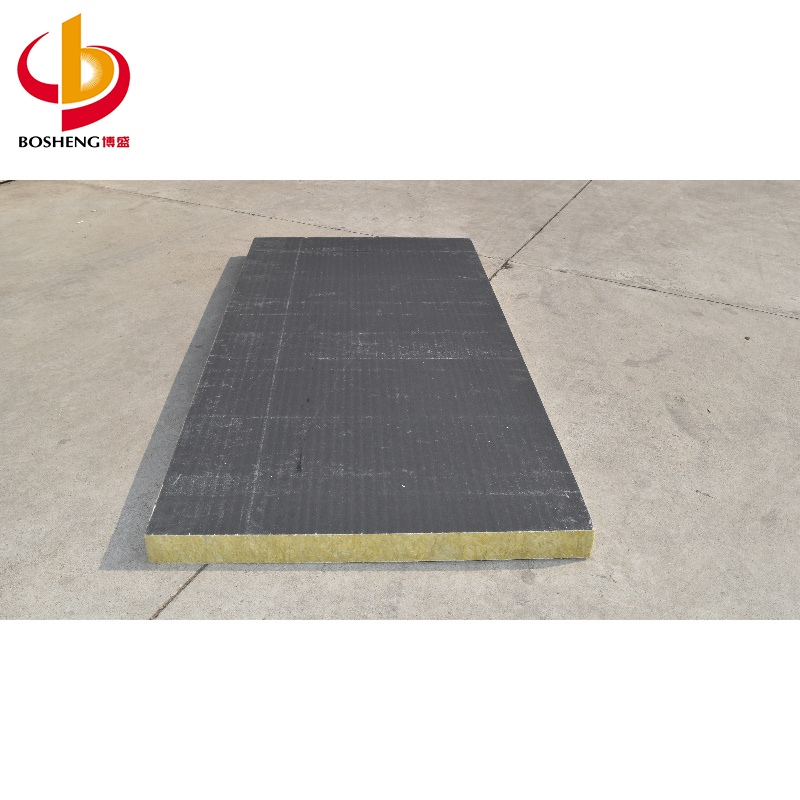
Marine Rock Wool - DNV/MED/ABS/NK/GL/CCS Certified

Get a Free Quote

Our representative will contact you soon.
Email
Name
Company Name
Message
0/1000

DNV/MED/ABS/NK/GL/CCS approved marine rock wool

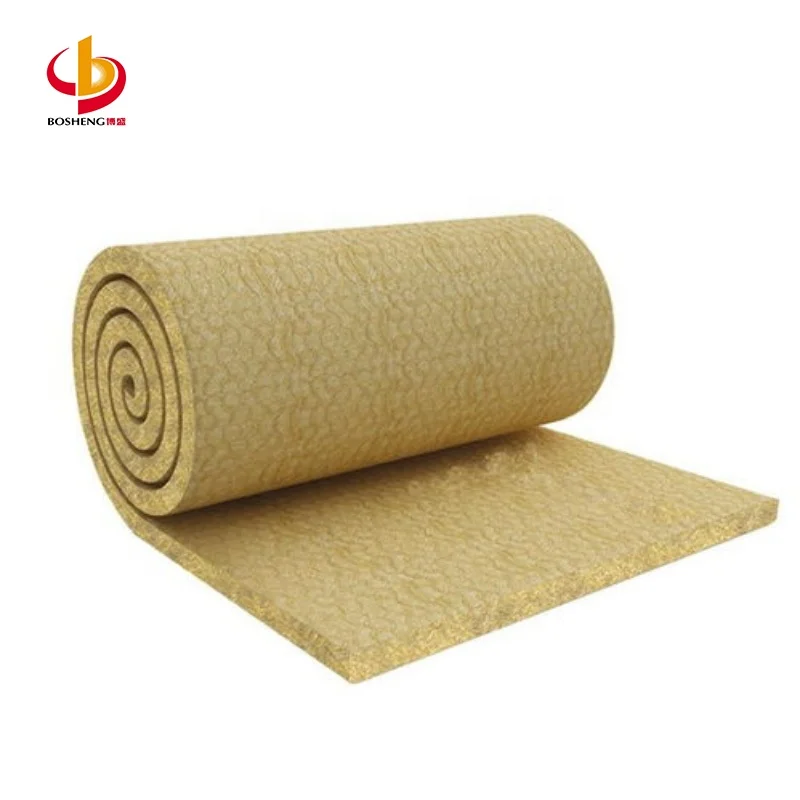
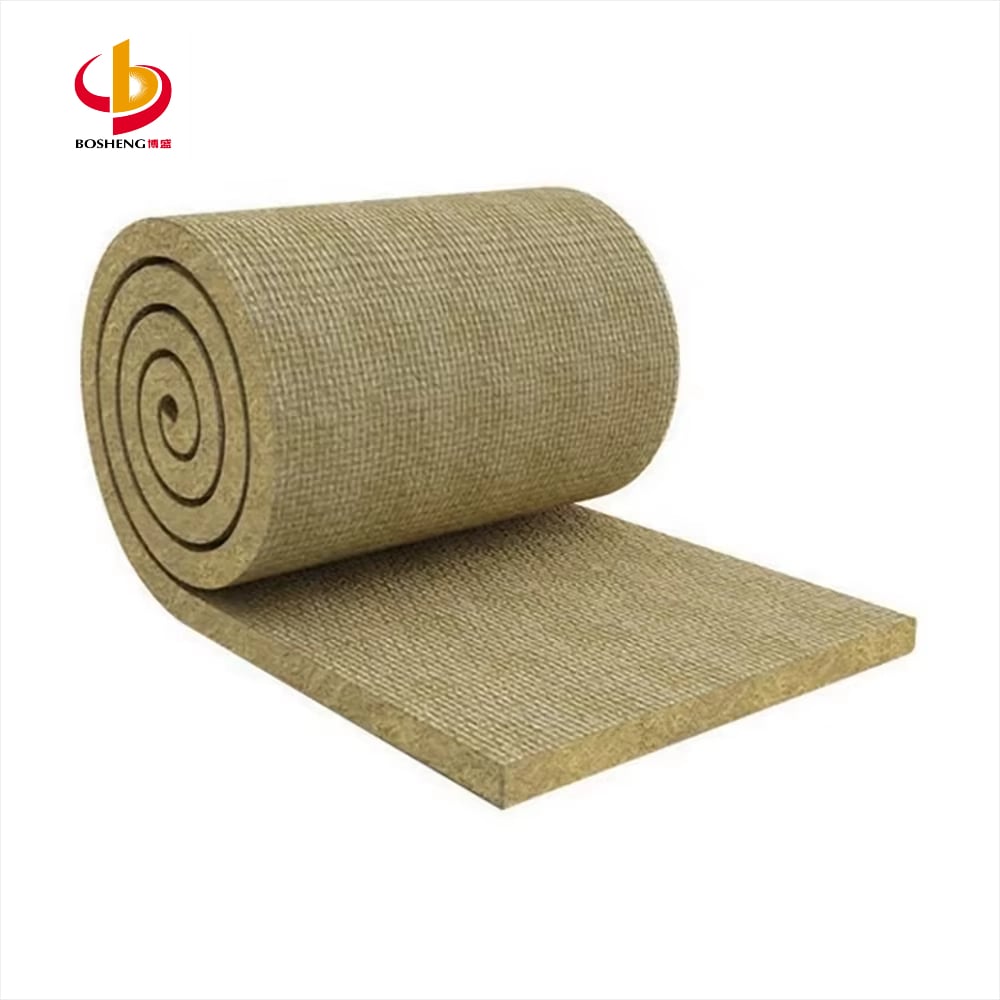
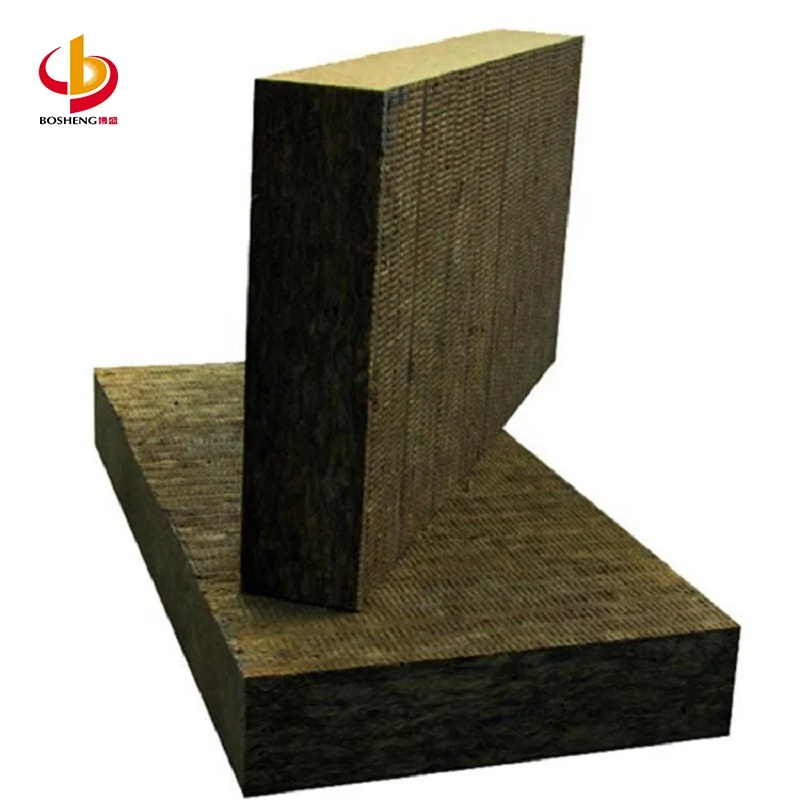
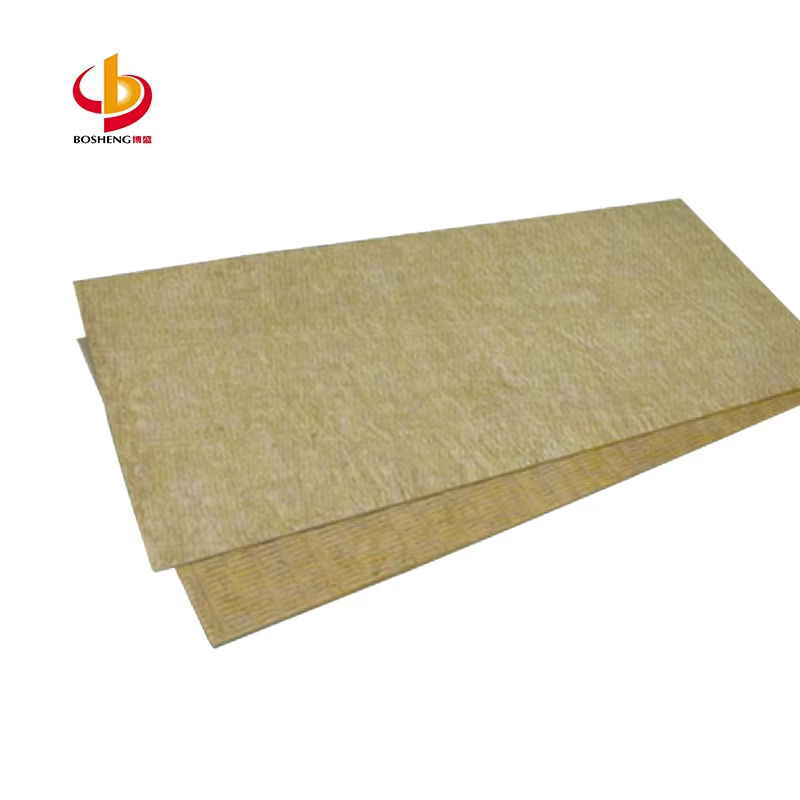
DNV/MED/ABS/NK/GL/CCS approved marine rock wool represents a premium fire-resistant insulation material specifically engineered for maritime applications. This specialized insulation has earned certifications from leading marine classification societies including Det Norske Veritas, Marine Equipment Directive, American Bureau of Shipping, Nippon Kaiji Kyokai, Germanischer Lloyd, and China Classification Society. The product delivers exceptional thermal insulation and fire protection capabilities essential for vessel safety compliance. Marine rock wool is manufactured from natural volcanic rock heated to extreme temperatures and spun into fibrous material, creating a non-combustible barrier that withstands temperatures exceeding 750 degrees Celsius. Its primary functions include fire containment, thermal insulation, acoustic dampening, and condensation control aboard ships and offshore platforms. The DNV/MED/ABS/NK/GL/CCS approved marine rock wool features high-density construction ranging from 60 to 150 kg per cubic meter, ensuring structural integrity in demanding marine environments. Technological features include hydrophobic treatment for moisture resistance, excellent dimensional stability under mechanical stress, and zero smoke emission during fire exposure. Applications span bulkheads, decks, engine rooms, accommodation areas, exhaust systems, and HVAC ducts throughout commercial vessels, naval ships, offshore rigs, and luxury yachts. This certification-approved insulation meets stringent international maritime safety standards including SOLAS requirements, providing shipbuilders and operators with confidence in fire safety performance and regulatory compliance for critical marine installations.

New Product Releases

Choosing DNV/MED/ABS/NK/GL/CCS approved marine rock wool delivers substantial practical benefits that directly impact vessel safety, operational efficiency, and long-term cost management. The multi-certification approval eliminates compliance uncertainty, as this insulation satisfies requirements across different flag states and classification societies, simplifying procurement and installation processes for international shipping operations. Buyers gain significant value through reduced insurance premiums, as insurers recognize certified fire protection materials that minimize catastrophic loss risks. The superior fire resistance creates compartmentalization that contains flames and heat, protecting crew members and valuable cargo while providing critical evacuation time during emergencies. Operational benefits include enhanced energy efficiency, as the excellent thermal insulation properties reduce fuel consumption for heating and cooling systems, lowering operational expenses throughout the vessel's service life. The acoustic dampening characteristics improve onboard comfort by reducing noise transmission from machinery spaces, contributing to crew wellbeing and passenger satisfaction on cruise ships. Application suitability extends across new construction projects and retrofit installations, with flexible product formats including batts, blankets, and pipe sections that accommodate various structural configurations. The moisture-resistant properties prevent water absorption in humid marine environments, maintaining insulation performance and preventing mold growth that compromises air quality. Decision-useful context includes exceptional durability that resists vibration, mechanical damage, and chemical exposure common in maritime settings, ensuring the DNV/MED/ABS/NK/GL/CCS approved marine rock wool maintains protective capabilities for decades without deterioration or replacement needs, maximizing return on investment for shipowners and operators.

Latest News

How Do Blanket Rolls Compare to Other Forms of Rock Wool Insulation?

04

Mar

How Do Blanket Rolls Compare to Other Forms of Rock Wool Insulation?

Industrial insulation solutions have evolved significantly over the decades, with various forms of rock wool insulation emerging as preferred choices across different applications. Among these options, rock wool blanket rolls have gained considerable...
View More
What to Consider When Choosing the Right Thickness for Blanket Rolls?

04

Mar

What to Consider When Choosing the Right Thickness for Blanket Rolls?

Selecting the appropriate thickness for blanket rolls is a critical decision that impacts both performance and cost-effectiveness in industrial applications. Whether you're working with insulation, soundproofing, or fire protection systems, understan...
View More
What Are the Benefits of Using Rock Wool Cubes in Vertical Farms?

24

Jun

What Are the Benefits of Using Rock Wool Cubes in Vertical Farms?

Vertical farming has transformed modern agriculture by enabling year-round crop production in controlled indoor environments. At the heart of many successful vertical farm operations, rock wool cubes have emerged as one of the most reliable growing m...
View More
How to Properly Install Rock Wool Rolls in Walls and Roofs

24

Jun

How to Properly Install Rock Wool Rolls in Walls and Roofs

Installing insulation correctly is one of the most important decisions in any construction or renovation project, and rock wool rolls have become a preferred choice for both walls and roofs due to their outstanding thermal, acoustic, and fire-resista...
View More

Get a Free Quote

Our representative will contact you soon.
Email
Name
Company Name
Message
0/1000

DNV/MED/ABS/NK/GL/CCS approved marine rock wool

Comprehensive Multi-Society Certification Compliance

Comprehensive Multi-Society Certification Compliance

The DNV/MED/ABS/NK/GL/CCS approved marine rock wool holds simultaneous certifications from six premier maritime classification authorities, representing an unprecedented level of international recognition. This comprehensive approval status eliminates the complexity of sourcing different insulation materials for vessels operating under various flags or trading routes. Shipbuilders benefit from streamlined specification processes, as this single material satisfies diverse regulatory frameworks without requiring separate compliance documentation for each jurisdiction. The certification portfolio demonstrates rigorous third-party testing validation for fire performance, smoke generation, toxicity levels, and structural integrity under extreme conditions. Classification societies conduct periodic factory inspections and quality audits to ensure manufacturing consistency, giving buyers assurance of reliable product performance across every shipment. This multi-certification approach reduces project delays associated with material approval processes, accelerates installation schedules, and minimizes administrative burden during vessel inspections and surveys. For operators managing fleets across international waters, standardizing on DNV/MED/ABS/NK/GL/CCS approved marine rock wool simplifies maintenance protocols, spare parts inventory, and crew training programs while ensuring uniform safety standards throughout their maritime assets.
Superior Fire Protection and Life Safety Performance

Superior Fire Protection and Life Safety Performance

Fire incidents aboard vessels pose catastrophic risks, making the exceptional fire resistance of DNV/MED/ABS/NK/GL/CCS approved marine rock wool a critical safety investment. This insulation achieves A1 non-combustible classification, meaning it will not ignite, contribute fuel to fires, or produce flaming droplets even under direct flame exposure. The material maintains structural integrity at temperatures exceeding 1000 degrees Celsius, creating effective fire barriers that prevent flame spread between compartments for extended periods. During testing, marine rock wool demonstrates zero smoke production and releases no toxic gases, preserving visibility and breathable air quality essential for safe evacuation. The high melting point ensures bulkheads and decks retain their separating function during prolonged fire exposure, containing incidents within their origin spaces and protecting escape routes. This performance directly translates to saved lives during emergencies, providing crew and passengers with valuable time to implement firefighting procedures or abandon ship safely. Insurance underwriters recognize this superior protection, often offering premium reductions for vessels insulated with certified materials. The fire containment capabilities also minimize repair costs and downtime following incidents, as damage remains localized rather than spreading throughout the vessel structure.
Long-Term Durability in Harsh Marine Environments

Long-Term Durability in Harsh Marine Environments

Maritime conditions subject insulation materials to constant challenges including vibration, moisture exposure, temperature fluctuations, and mechanical stress that quickly degrade inferior products. DNV/MED/ABS/NK/GL/CCS approved marine rock wool incorporates specialized engineering that ensures decades of reliable performance without deterioration. The hydrophobic treatment repels water while remaining vapor-permeable, preventing saturation that compromises thermal efficiency and creates corrosion risks on adjacent steel structures. The high-density formulation resists compression and maintains thickness under mechanical loads from adjacent equipment or structural movement during heavy seas. Chemical resistance protects against degradation from fuel vapors, cleaning agents, and salt spray prevalent in marine environments. Unlike organic insulation materials that support microbial growth, rock wool's inorganic composition prevents mold and bacteria colonization that compromise air quality and require costly remediation. The dimensional stability ensures installed insulation remains properly fitted without gaps or voids that create thermal bridges or allow fire passage. This exceptional durability eliminates replacement costs and labor disruptions associated with insulation failure, while maintaining energy efficiency and fire protection throughout the vessel's operational lifespan, typically spanning 25 to 30 years or longer for well-maintained ships.

Get a Free Quote

Our representative will contact you soon.
Email
Name
Company Name
Message
0/1000