
 EN
EN



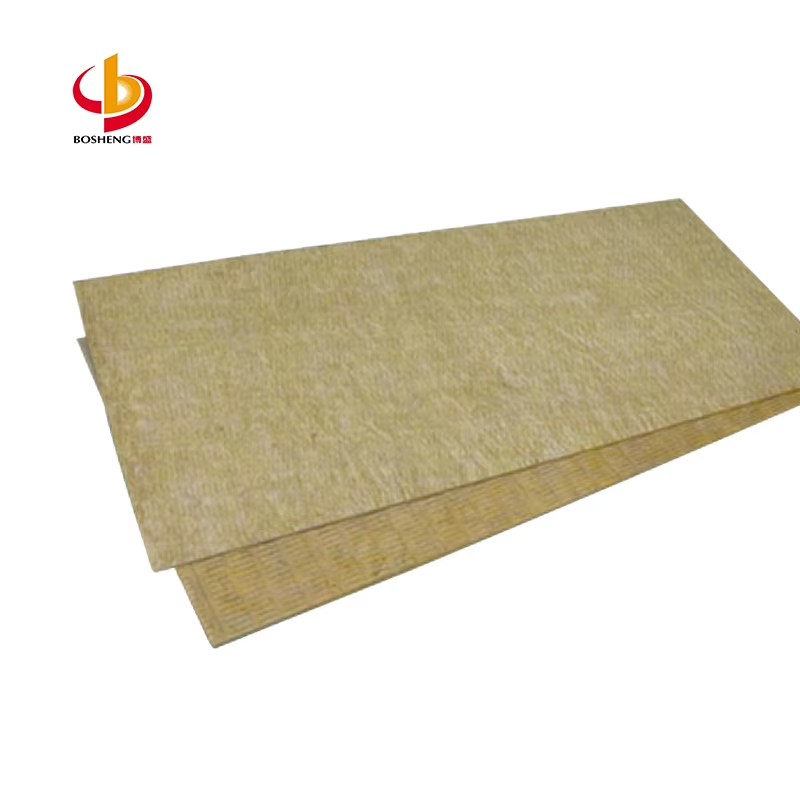
Vertical farming has transformed modern agriculture by enabling year-round crop production in controlled indoor environments. At the heart of many successful vertical farm operations, rock wool cubes have emerged as one of the most reliable growing media available. Their unique physical and chemical properties make rock wool cubes exceptionally well suited to the demands of soilless, high-density crop production.
Understanding why rock wool cubes perform so well in vertical farms requires a closer look at what they offer compared to other growing substrates. From water management to root development, rock wool cubes deliver consistent results that growers depend on when optimizing yield per square meter. This article explores the core benefits of rock wool cubes and explains why vertical farm operators continue to rely on them as a foundational growing medium.
Water and Oxygen Management with Rock Wool Cubes
Balanced Moisture Retention in Rock Wool Cubes
One of the most significant advantages of rock wool cubes is their ability to retain moisture while simultaneously maintaining adequate air space around plant roots. Rock wool cubes are engineered with a fibrous structure that holds water efficiently without becoming waterlogged. This balance is critical in vertical farms, where over-irrigation can quickly lead to root disease and crop loss. Because rock wool cubes absorb and distribute water evenly, growers can achieve precise irrigation control that supports healthier plant development at every growth stage.
In hydroponic vertical systems, rock wool cubes allow growers to deliver nutrient solutions directly and consistently. The porous nature of rock wool cubes means that excess solution drains away while adequate moisture stays available to roots. This characteristic reduces the risk of nutrient lockout and ensures that plants growing in rock wool cubes receive balanced feeding throughout their lifecycle. Vertical farm managers appreciate that rock wool cubes reduce guesswork and make nutrient management far more predictable.
Oxygen Availability Through Rock Wool Cubes
Beyond moisture, rock wool cubes also provide excellent oxygen availability to root zones. The fibrous matrix within rock wool cubes creates microscopic air pockets that allow roots to breathe effectively. Adequate oxygen at the root level is a key driver of rapid plant growth, and rock wool cubes maintain this condition even during heavy irrigation cycles. Vertical farm growers using rock wool cubes consistently report stronger root systems and faster vegetative growth compared to denser growing substrates that restrict airflow.
Root Development and Transplant Efficiency
Seedling Propagation in Rock Wool Cubes
Rock wool cubes are widely used for seedling propagation because they provide an ideal environment for germination and early root formation. Seeds placed into rock wool cubes benefit from stable moisture and temperature conditions that encourage uniform sprouting. The structure of rock wool cubes supports delicate emerging roots without compressing them, which promotes the development of a dense, healthy root network from the very start. For vertical farms that require consistent seeding schedules, rock wool cubes offer a reliable and repeatable propagation medium.
When seedlings grown in rock wool cubes are ready for transplant, the process is notably clean and efficient. Because rock wool cubes hold their shape firmly, transplanting causes minimal disturbance to the root system. Growers can move seedlings from propagation trays into larger growing slots without breaking apart the substrate, which reduces transplant shock significantly. This ease of handling makes rock wool cubes a practical choice for vertical farms that operate at scale and require smooth, low-disruption transplant workflows.
Root Containment and Structural Support
Rock wool cubes also provide structural support that helps contain root systems within designated growing zones. In vertical farm towers and NFT channels, root containment is important for preventing tangling and system blockages. The compact form of rock wool cubes keeps roots directed downward and inward, which simplifies maintenance and harvesting. Growers who use rock wool cubes in multi-tier vertical systems find that crop management becomes more organized and efficient as a direct result of the substrate's structural properties.
Consistency, Sterility, and Sustainability of Rock Wool Cubes
Sterile and pH-Stable Growing Conditions
Rock wool cubes are manufactured from molten basalt rock spun into fine fibers, which means they are naturally sterile and free from pathogens, weed seeds, and biological contaminants. This sterility is a major benefit in vertical farm environments where disease prevention is essential for maintaining crop quality and production continuity. Growers using rock wool cubes do not need to sterilize their growing medium between cycles in the same way that organic substrates often require. Rock wool cubes therefore reduce labor time and lower the risk of contamination-related crop failures.
Rock wool cubes also have a naturally neutral pH once properly conditioned, which makes them compatible with a wide range of nutrient solutions. Growers can adjust the pH of their irrigation water with confidence that rock wool cubes will not introduce chemical interference. This pH stability is especially valuable in vertical farms where different crop varieties may require slightly different nutrient profiles. The predictable chemical behavior of rock wool cubes simplifies system management and supports consistent crop quality across production batches.
Reusability and Sustainability Considerations
Sustainability is an increasing priority in vertical farming, and rock wool cubes can contribute positively when managed responsibly. Rock wool cubes can be sterilized and reused for multiple growing cycles, which reduces material consumption and operational costs over time. Some vertical farm operations incorporate used rock wool cubes into composting programs or construction material recycling schemes, extending the useful life of the substrate beyond the growing environment. Choosing rock wool cubes as a core growing medium supports a more resource-efficient production model that aligns with the broader sustainability goals of modern indoor agriculture.
FAQ
How do rock wool cubes compare to other hydroponic substrates?
Rock wool cubes offer a combination of moisture retention, oxygen availability, and structural stability that many alternative substrates cannot match simultaneously. While materials like coco coir or perlite have their merits, rock wool cubes provide a more consistent and controllable growing environment that is particularly suited to the precision demands of vertical farming.
Do rock wool cubes require special preparation before use?
Yes, rock wool cubes should be soaked in pH-adjusted water before use to neutralize their initial alkalinity. Soaking rock wool cubes in water with a pH of around 5.5 to 6.0 for several hours prepares them for immediate seeding or transplanting and ensures the root environment starts at the correct chemical balance.
Are rock wool cubes suitable for all crops grown in vertical farms?
Rock wool cubes are suitable for a wide range of crops commonly grown in vertical farms, including leafy greens, herbs, and fruiting plants. Their versatility makes rock wool cubes a practical choice for farms that grow multiple crop types within a single facility, as the same substrate can support varied plant species with consistent performance.