
 EN
EN



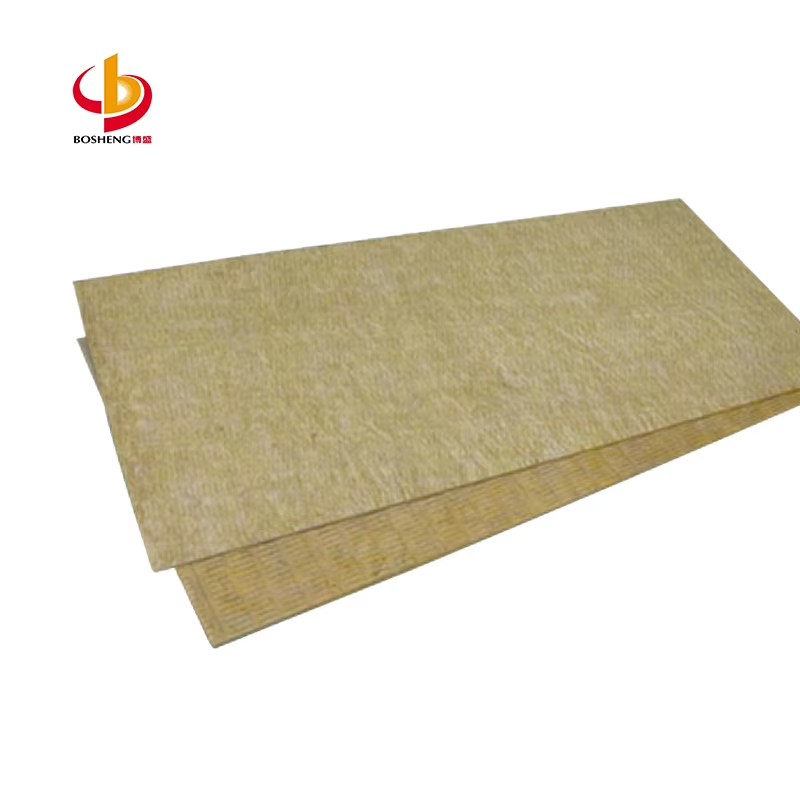
Industrial insulation solutions have evolved significantly over the decades, with various forms of rock wool insulation emerging as preferred choices across different applications. Among these options, rock wool blanket rolls have gained considerable attention for their unique combination of thermal performance, fire resistance, and installation flexibility. Understanding how these blanket rolls compare to other rock wool insulation formats is crucial for engineers, contractors, and facility managers making informed decisions about thermal protection systems. The choice between different insulation formats can significantly impact project costs, installation timelines, and long-term performance outcomes. Rock wool blanket rolls offer distinct advantages that set them apart from rigid boards, loose-fill materials, and pipe sections in specific industrial applications.
Understanding Rock Wool Insulation Formats
Traditional Rock Wool Board Systems
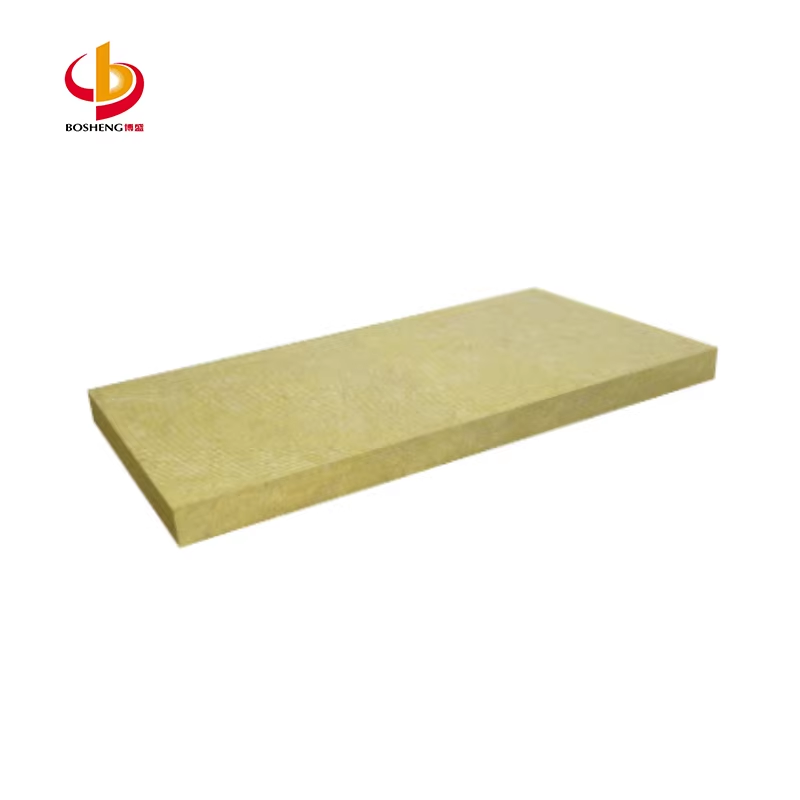
Rock wool board insulation represents the most conventional approach to mineral wool thermal protection, featuring rigid panels manufactured through high-temperature melting and fiber formation processes. These boards typically offer excellent compressive strength and dimensional stability, making them suitable for applications requiring structural support or load-bearing capabilities. However, their rigid nature limits their adaptability to irregular surfaces and complex geometries commonly found in industrial equipment and piping systems. Installation often requires precise cutting and fitting, which can increase labor costs and material waste during complex projects.
The manufacturing process for rigid boards involves compressing rock wool fibers into predetermined thicknesses and densities, resulting in consistent thermal properties but reduced flexibility. While these characteristics benefit certain applications, they can become limitations when dealing with curved surfaces, equipment with varying diameters, or installations requiring conformability around obstacles. Additionally, rigid boards may create thermal bridging issues at joints and seams if not properly installed with appropriate sealing systems.
Loose-Fill Rock Wool Applications
Loose-fill rock wool insulation consists of unbonded mineral fibers that can be poured, blown, or manually placed into cavities and irregular spaces. This format excels in filling complex voids and achieving complete coverage around intricate equipment configurations where other insulation types might leave gaps. The loose nature allows for excellent conformability and the ability to achieve uniform coverage in challenging installation scenarios. However, loose-fill materials require containment systems and may experience settling over time, potentially reducing their thermal effectiveness.
Installation of loose-fill rock wool often demands specialized equipment for pneumatic application or careful manual placement to achieve proper density and coverage. The material's tendency to settle can create voids and reduce insulation performance unless properly installed with appropriate support systems. Additionally, loose-fill materials may be more susceptible to air infiltration and moisture penetration if containment systems are compromised during service life.
Advantages of Rock Wool Blanket Roll Configuration
Installation Efficiency and Labor Savings
Rock wool blanket rolls demonstrate superior installation efficiency compared to other insulation formats, primarily due to their flexible nature and continuous coverage capabilities. The roll format allows installers to cover large surface areas quickly without the need for extensive cutting, fitting, and piecing together multiple components. This streamlined installation process significantly reduces labor hours and associated costs while minimizing material waste typically generated during complex fitting operations. The blanket configuration also eliminates many potential thermal bridges that can occur at joints between rigid insulation pieces.
The flexibility inherent in rock wool blanket rolls enables conformability to irregular surfaces, curved equipment, and complex piping configurations without requiring specialized cutting or shaping. This adaptability translates to faster installation times and reduced skill requirements for installation crews, making projects more cost-effective and less dependent on highly specialized labor. Furthermore, the continuous nature of blanket rolls minimizes the number of seams and joints, reducing potential air leakage paths that could compromise thermal performance.
Thermal Performance Characteristics
The thermal performance of rock wool blanket rolls often exceeds that of other formats due to their uniform fiber distribution and minimized thermal bridging. The manufacturing process creates consistent density throughout the blanket, ensuring predictable thermal conductivity values across the entire insulation system. Unlike rigid boards that may have density variations or loose-fill materials that can settle unevenly, blanket rolls maintain their thermal properties throughout their service life when properly installed and protected from moisture infiltration.
Rock wool blanket rolls also provide excellent resistance to thermal cycling and mechanical stress, maintaining their insulation effectiveness even under varying temperature conditions. The flexible nature allows the material to accommodate thermal expansion and contraction of underlying equipment without creating gaps or compression areas that could reduce thermal performance. This characteristic makes blanket rolls particularly suitable for applications involving frequent temperature fluctuations or equipment that undergoes regular operational cycles.
Comparative Analysis of Fire Safety Properties
Fire Resistance Performance
Fire safety represents a critical consideration in industrial insulation selection, and rock wool blanket rolls offer exceptional fire resistance properties that often surpass other insulation formats. The mineral composition of rock wool provides inherent non-combustibility, with melting points exceeding 1000°C, making it suitable for high-temperature applications and fire protection systems. Blanket rolls maintain their structural integrity and insulation properties even when exposed to extreme temperatures, providing continued protection during fire events.
Compared to organic insulation materials or even some other mineral wool formats, rock wool blanket rolls demonstrate superior fire barrier characteristics due to their continuous coverage and minimal joint configurations. The absence of organic binders in high-quality rock wool blanket rolls eliminates potential fuel sources for fire propagation, while the flexible nature ensures tight contact with protected surfaces, minimizing air gaps that could allow fire penetration. This makes blanket rolls particularly valuable in applications requiring passive fire protection or compliance with stringent fire safety regulations.
Smoke and Toxic Gas Emissions
During fire exposure, rock wool blanket rolls typically produce minimal smoke and virtually no toxic gas emissions, contrasting favorably with many alternative insulation materials. The inorganic nature of rock wool fibers means they do not contribute to smoke production or release harmful combustion byproducts that could endanger personnel during emergency evacuation procedures. This characteristic becomes particularly important in enclosed spaces, tunnels, or buildings where smoke management is critical for occupant safety.
The fire performance of rock wool blanket rolls remains consistent regardless of installation orientation or thickness, unlike some rigid insulation systems that may perform differently depending on installation configuration. This reliability in fire performance makes blanket rolls a preferred choice for applications where fire safety cannot be compromised, such as petrochemical facilities, power generation plants, and critical infrastructure projects requiring the highest levels of fire protection.
Installation Considerations and Practical Applications
Surface Preparation and Installation Requirements
Installation of rock wool blanket rolls requires minimal surface preparation compared to rigid insulation systems, making them suitable for retrofit applications and installations on existing equipment. The flexible nature accommodates surface irregularities and minor imperfections without requiring extensive grinding or smoothing operations. However, proper surface cleaning and removal of loose scale, rust, or other contaminants remains essential for achieving optimal adhesion and long-term performance of mechanical fastening systems.
The installation process for rock wool blanket rolls typically involves securing the material using mechanical fasteners, adhesive systems, or banding techniques, depending on the specific application requirements. The flexibility allows for installation around obstacles and through confined spaces where rigid insulation would be difficult or impossible to install. This adaptability makes blanket rolls particularly valuable for maintenance and retrofit projects where existing equipment cannot be easily disassembled or where access is limited.
Long-term Durability and Maintenance
Rock wool blanket rolls demonstrate excellent long-term durability when properly installed and protected from moisture infiltration and mechanical damage. The fiber structure maintains its integrity over decades of service, resisting settling, compression, and thermal degradation that can affect other insulation materials. Regular inspection and maintenance primarily focus on protective jacketing systems rather than the insulation material itself, simplifying maintenance requirements and reducing lifecycle costs.
The maintenance advantages of rock wool blanket rolls become particularly apparent in industrial environments where equipment requires periodic access for inspection or maintenance. The flexible nature allows for easier removal and reinstallation compared to rigid systems that may require complete replacement after removal. This characteristic reduces maintenance downtime and associated costs while ensuring continued thermal performance throughout the equipment's operational life.
Cost-Effectiveness and Economic Considerations
Initial Investment Analysis
The initial cost analysis for rock wool blanket rolls often reveals favorable economics compared to other insulation formats when considering total installed costs rather than material costs alone. While the material cost per unit area may be comparable to or slightly higher than some alternatives, the reduced installation time and labor requirements frequently result in lower overall project costs. The elimination of extensive cutting and fitting operations reduces both labor hours and material waste, contributing to improved project economics.
Additionally, the reduced complexity of installing rock wool blanket rolls often allows for the use of less specialized labor, further reducing installation costs. The continuous coverage capability minimizes the number of accessories and fasteners required, simplifying procurement and reducing the overall bill of materials for insulation projects. These factors combine to make blanket rolls an economically attractive option for many industrial insulation applications.
Lifecycle Cost Benefits
The lifecycle cost advantages of rock wool blanket rolls extend beyond initial installation savings to include reduced maintenance costs and improved energy efficiency over the system's operational life. The excellent durability and thermal stability of rock wool blanket rolls minimize the need for replacement or repair during typical equipment lifecycles, reducing long-term maintenance expenses and operational disruptions.
Energy savings achieved through the superior thermal performance and minimized thermal bridging of rock wool blanket rolls can provide significant cost benefits over the system's operational life. The consistent thermal properties and reduced air infiltration potential translate to lower energy consumption for heating or cooling systems, providing ongoing operational savings that can justify higher initial investment costs. These energy savings become increasingly valuable as utility costs rise and environmental regulations become more stringent.
Environmental Impact and Sustainability
Manufacturing and Resource Utilization
The environmental impact of rock wool blanket rolls compares favorably to many alternative insulation materials due to the use of naturally abundant raw materials and energy-efficient manufacturing processes. Rock wool production utilizes volcanic rock, steel slag, and other mineral materials that are widely available and sustainable resources. The manufacturing process, while energy-intensive, produces a durable product with minimal environmental impact during its service life and potential for recycling at end-of-life.
Compared to synthetic insulation materials that rely on petrochemical feedstocks, rock wool blanket rolls offer improved environmental sustainability through their use of natural mineral resources. The durability and longevity of rock wool insulation reduce the frequency of replacement and associated environmental impacts from manufacturing and transportation of replacement materials. This longevity contributes to improved overall environmental performance over the building or equipment lifecycle.
End-of-Life Considerations
The end-of-life management of rock wool blanket rolls presents fewer environmental challenges compared to many alternative insulation materials. The inorganic nature of rock wool fibers makes them suitable for recycling into new insulation products or alternative applications such as growing media for horticulture. The absence of harmful chemicals or organic compounds simplifies disposal procedures and reduces potential environmental contamination risks.
Rock wool blanket rolls do not produce harmful emissions during decomposition, unlike some organic insulation materials that may release volatile organic compounds or other pollutants over time. This characteristic makes them suitable for applications where long-term environmental impact is a concern, such as buildings with extended operational lives or installations in environmentally sensitive areas. The recyclability and benign disposal characteristics contribute to improved overall sustainability profiles for projects utilizing rock wool blanket rolls.
FAQ
What are the main advantages of rock wool blanket rolls over rigid board insulation?
Rock wool blanket rolls offer superior installation efficiency, better conformability to irregular surfaces, and reduced thermal bridging compared to rigid boards. The flexible nature allows for faster installation with less skilled labor while providing continuous coverage that eliminates many potential thermal bridges. Blanket rolls also accommodate thermal expansion and contraction better than rigid systems, maintaining their thermal performance throughout operational cycles.
How do rock wool blanket rolls perform in high-temperature applications?
Rock wool blanket rolls excel in high-temperature applications due to their mineral composition and melting point exceeding 1000°C. They maintain their structural integrity and insulation properties even under extreme temperature conditions, making them suitable for industrial processes involving high heat. The material does not emit toxic gases or contribute to fire propagation, providing excellent fire safety performance in demanding thermal environments.
Are rock wool blanket rolls suitable for outdoor applications?
Rock wool blanket rolls can be used in outdoor applications when properly protected with appropriate weather-resistant jacketing systems. The mineral wool itself is not affected by moisture but requires protection to prevent water infiltration that could reduce thermal performance. With proper protective systems, blanket rolls provide excellent long-term performance in outdoor industrial applications while maintaining their thermal and fire resistance properties.
What factors should be considered when selecting between different rock wool insulation formats?
Key factors include surface geometry, installation accessibility, thermal performance requirements, fire safety needs, and cost considerations. Rock wool blanket rolls are ideal for irregular surfaces, retrofit applications, and projects requiring fast installation. Rigid boards work better for load-bearing applications, while loose-fill excels in filling complex cavities. The specific application requirements, including temperature ranges, mechanical loads, and maintenance access needs, should guide the selection process.
Table of Contents
- Understanding Rock Wool Insulation Formats
- Advantages of Rock Wool Blanket Roll Configuration
- Comparative Analysis of Fire Safety Properties
- Installation Considerations and Practical Applications
- Cost-Effectiveness and Economic Considerations
- Environmental Impact and Sustainability
-
FAQ
- What are the main advantages of rock wool blanket rolls over rigid board insulation?
- How do rock wool blanket rolls perform in high-temperature applications?
- Are rock wool blanket rolls suitable for outdoor applications?
- What factors should be considered when selecting between different rock wool insulation formats?