
 EN
EN



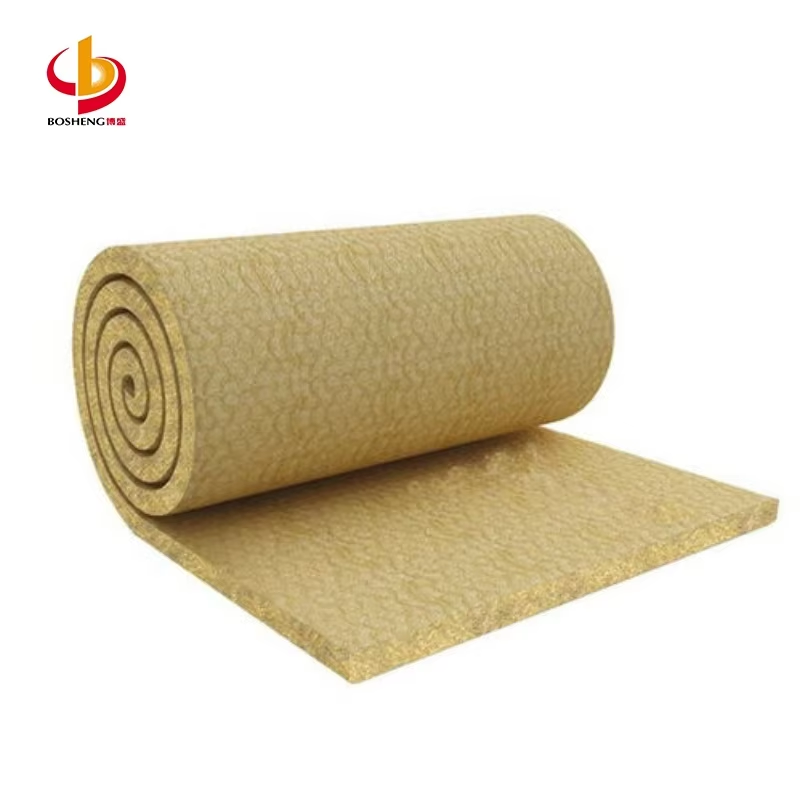
Selecting the appropriate thickness for blanket rolls is a critical decision that impacts both performance and cost-effectiveness in industrial applications. Whether you're working with insulation, soundproofing, or fire protection systems, understanding the key factors that influence thickness requirements can make the difference between optimal results and subpar performance. The thickness of blanket rolls directly affects thermal resistance, acoustic properties, installation procedures, and long-term durability in various environments.
Modern construction and industrial projects demand precise material specifications, and blanket rolls are no exception. The complexity of choosing the right thickness extends beyond simple measurements, encompassing thermal calculations, space constraints, regulatory compliance, and budget considerations. Engineering professionals must evaluate multiple variables simultaneously to ensure their selected blanket rolls meet project requirements while maintaining cost efficiency. This comprehensive approach to thickness selection ultimately determines project success and operational performance over time.
Understanding Thermal Performance Requirements
R-Value Calculations and Thickness Relationships
The relationship between blanket roll thickness and thermal performance follows predictable patterns based on material properties and environmental conditions. Thermal resistance, measured as R-value, increases proportionally with thickness in most insulation materials, making this calculation fundamental to proper selection. Engineers must consider both conductive and convective heat transfer mechanisms when evaluating how thickness impacts overall thermal performance. The specific R-value per inch varies significantly among different blanket roll materials, requiring careful analysis of manufacturer specifications.
Temperature differential across the installation area plays a crucial role in determining optimal thickness for blanket rolls. Higher temperature differences typically require thicker materials to achieve desired energy efficiency levels and maintain consistent indoor climate control. Additionally, the thermal bridging effects through structural elements can influence thickness requirements, as thicker blanket rolls help compensate for heat loss through metal framing and other conductive pathways. Understanding these thermal dynamics ensures proper thickness selection for maximum energy savings.
Climate Zone Considerations
Different climate zones impose varying thickness requirements for blanket rolls based on local weather patterns, seasonal temperature fluctuations, and humidity levels. Cold climate applications typically demand thicker insulation to prevent heat loss during winter months, while hot climate installations may prioritize thermal mass and radiant heat reflection properties. The International Energy Conservation Code provides baseline thickness recommendations that serve as starting points for regional calculations. However, local building codes and energy efficiency standards often exceed these minimum requirements.
Moisture management becomes increasingly important as blanket roll thickness increases, particularly in humid climates where vapor drive can compromise material performance. Thicker installations create larger temperature gradients that may lead to condensation within the material if vapor barriers and air sealing are inadequate. Climate-specific thickness selection must account for these moisture dynamics to prevent long-term degradation and maintain thermal performance throughout the material's service life.
Acoustic Performance and Sound Control
Sound Transmission Class Requirements
Acoustic applications for blanket rolls require different thickness considerations compared to thermal applications, as sound absorption and transmission properties follow distinct physical principles. Sound Transmission Class ratings increase with material thickness, but the relationship is not linear and depends heavily on material density, fiber structure, and installation methods. Thicker blanket rolls generally provide better low-frequency sound absorption, which is particularly important for mechanical equipment noise control and HVAC system applications.
The frequency spectrum of noise sources directly influences optimal thickness selection for acoustic blanket rolls. Low-frequency sounds require thicker materials for effective absorption, while high-frequency noise can be controlled with thinner applications. Multi-layer installations using different thickness combinations often outperform single thick layers, providing broader frequency coverage and improved acoustic performance. Understanding the specific noise characteristics helps determine whether increased thickness will deliver proportional acoustic benefits.
Reverberation Control Applications
Reverberation control in large spaces requires careful thickness optimization to achieve desired acoustic environments without over-treating the space. Blanket rolls used for ceiling and wall treatments must balance absorption coefficients with visual and spatial constraints. Thicker materials provide higher absorption coefficients but may create unacceptable visual bulk or reduce usable space in critical areas. Acoustic modeling software helps predict performance across various thickness options before final selection.
Installation accessibility impacts thickness selection for reverberation control applications, as thicker materials require more substantial support systems and may complicate maintenance procedures. The relationship between thickness and absorption performance reaches diminishing returns at certain points, making it essential to identify the optimal thickness range for specific acoustic goals. Professional acoustic consultants often recommend testing multiple thickness options in representative spaces before committing to large-scale installations.
Installation Constraints and Practical Considerations
Space Limitations and Clearance Requirements
Available installation space often becomes the limiting factor in blanket roll thickness selection, particularly in retrofit applications where existing structures cannot accommodate optimal thermal or acoustic thicknesses. Ceiling plenum depths, wall cavity dimensions, and equipment clearances must be carefully measured and compared against desired blanket roll specifications. Compression of blanket rolls during installation can significantly reduce their effective thickness and corresponding performance characteristics, requiring careful attention to manufacturer compression limits.
Mechanical system clearances impose additional constraints on blanket roll thickness, especially around ductwork, piping, and electrical conduits. Fire codes and safety regulations often mandate minimum clearances that cannot be compromised by thicker insulation materials. These clearance requirements may necessitate using thinner blanket rolls in specific locations while maintaining optimal thickness in unrestricted areas. Coordination between trades during design phases helps identify potential conflicts before installation begins.
Structural Support Requirements
Thicker blanket rolls create additional dead loads that must be evaluated against existing structural capacity, particularly in ceiling and wall applications. The weight per unit area increases proportionally with thickness, potentially requiring supplemental support systems or limiting installation areas. Structural engineers must verify that existing framing can support the additional loads imposed by thicker blanket roll installations without compromising building safety or performance.
Attachment methods and fastening systems require modification when transitioning to thicker blanket rolls, as standard fasteners may lack sufficient length or holding capacity. Mechanical attachment systems must penetrate completely through thick materials while maintaining adequate structural connection to support elements. The thermal bridging effects of increased fastener quantities needed for thicker installations should be evaluated against the thermal benefits of additional thickness to ensure net positive performance gains.
Material Properties and Performance Characteristics
Density and Compression Resistance
Material density significantly influences the effective thickness of blanket rolls under various loading conditions, with lower-density materials experiencing greater compression over time. The relationship between density and thermal performance is not straightforward, as very high-density materials may reduce air space and limit convective resistance benefits. Optimal density selection depends on the specific application requirements, expected loading conditions, and long-term performance goals for the blanket roll system.
Compression resistance becomes increasingly important as blanket roll thickness increases, since thicker materials are more susceptible to settling and long-term compression effects. Manufacturer specifications for compression resistance should be carefully evaluated against expected installation conditions and anticipated loads over the service life. Testing data for long-term thickness retention helps predict performance degradation and maintenance requirements for thicker blanket roll installations.
Fire Safety and Code Compliance
Fire safety considerations may limit maximum thickness for blanket rolls in certain applications, particularly where flame spread ratings and smoke development indices are regulated by building codes. Thicker materials can potentially create larger fire loads and may require additional fire-stopping measures at penetrations and transitions. Understanding local fire code requirements helps establish maximum allowable thickness limits before beginning detailed thickness optimization studies.
Fire barrier continuity becomes more complex with thicker blanket roll installations, as penetrations and joints require more sophisticated sealing systems to maintain fire ratings. The thermal mass of thicker materials may affect fire test performance and compliance with established ratings systems. Fire protection engineering consultation may be necessary for applications involving unusually thick blanket rolls or unique installation configurations that deviate from tested assemblies.
Cost Analysis and Economic Optimization
Material Cost Versus Performance Benefits
The cost per unit thickness varies among different blanket roll materials and manufacturers, making economic analysis essential for optimal thickness selection. While thicker materials generally provide better performance, the relationship between incremental cost and incremental benefit follows diminishing returns patterns that must be quantified for each application. Life-cycle cost analysis helps identify the most economical thickness by considering initial material costs, installation expenses, energy savings, and maintenance requirements over the expected service life.
Energy cost savings from improved thermal performance must be calculated against the incremental material and installation costs of thicker blanket rolls. Regional energy prices, utility rate structures, and available incentive programs influence the economic optimization calculations. The payback period for additional thickness investment varies significantly based on climate conditions, building usage patterns, and local energy costs, requiring site-specific analysis for accurate economic comparisons.
Installation Labor and Equipment Costs
Installation labor costs typically increase with blanket roll thickness due to handling difficulties, extended installation times, and additional support requirements. Thicker materials may require specialized equipment for lifting and positioning, particularly in overhead applications where manual handling becomes impractical. The learning curve for installation crews working with unfamiliar thickness ranges can temporarily reduce productivity and increase labor costs during initial projects.
Equipment rental and material handling costs should be factored into thickness selection decisions, as thicker blanket rolls may require different storage, transportation, and installation equipment compared to standard thickness materials. Crane time, scaffolding requirements, and specialized tools contribute to overall project costs that must be weighed against performance benefits. Value engineering studies help identify the optimal balance between material performance and total installed cost for specific project conditions.
Quality Control and Performance Verification
Thickness Measurement and Tolerance Management
Accurate thickness measurement during installation is critical for achieving design performance levels with blanket rolls, as variations from specified thickness directly impact thermal and acoustic properties. Manufacturing tolerances, compression during shipping, and installation techniques all contribute to final installed thickness variations. Quality control procedures should include systematic thickness verification at multiple points throughout the installation to ensure compliance with specifications.
Measurement techniques must account for the compressible nature of blanket rolls and establish standardized procedures for consistent thickness verification. Digital calipers, ultrasonic thickness gauges, and photogrammetry methods each offer advantages for different installation scenarios and accessibility conditions. Documentation of actual installed thickness provides valuable data for performance verification and future specification refinement.
Long-Term Performance Monitoring
Long-term thickness retention monitoring helps validate initial thickness selection decisions and provides data for future projects involving similar blanket roll applications. Systematic measurement programs can identify settling patterns, compression rates, and performance degradation trends that inform maintenance scheduling and replacement planning. This monitoring data becomes particularly valuable for optimizing thickness selection in similar future applications.
Performance verification through energy monitoring, acoustic measurements, and visual inspections provides feedback on the effectiveness of thickness selection decisions. Correlating actual performance data with predicted performance helps refine calculation methods and improve future thickness optimization studies. This feedback loop contributes to continuous improvement in blanket roll specification and installation practices across multiple projects and applications.
FAQ
How does blanket roll thickness affect energy efficiency in buildings
Blanket roll thickness directly impacts energy efficiency through improved thermal resistance, with thicker materials generally providing better insulation performance. However, the relationship follows diminishing returns, where doubling thickness doesn't necessarily double energy savings. The optimal thickness depends on climate conditions, energy costs, and building usage patterns, requiring site-specific calculations to determine the most cost-effective solution for maximum energy efficiency gains.
What are the standard thickness options available for industrial blanket rolls
Industrial blanket rolls typically come in thickness ranges from 1 inch to 6 inches, with some specialty applications requiring custom thicknesses up to 12 inches or more. Common standard thicknesses include 2 inches, 3 inches, and 4 inches, which accommodate most commercial and industrial applications. Manufacturers often provide half-inch increments within standard ranges and can produce custom thicknesses for specialized applications requiring specific performance characteristics or installation constraints.
Can blanket roll thickness be reduced during installation without affecting performance
Compressing blanket rolls during installation reduces their effective thickness and corresponding thermal or acoustic performance, making it important to maintain manufacturer-specified thickness requirements. Minor compression is typically acceptable within manufacturer tolerances, but significant thickness reduction can substantially impact performance. If space constraints require thinner materials, it's better to specify appropriate thickness blanket rolls rather than compress thicker materials beyond recommended limits.
How do I calculate the required thickness for specific thermal performance goals
Calculating required blanket roll thickness involves determining target R-values based on energy codes, climate conditions, and performance goals, then dividing by the material's R-value per inch. This basic calculation must be adjusted for thermal bridging effects, installation details, and environmental factors that may reduce effective performance. Professional energy modeling software and thermal analysis tools provide more accurate thickness calculations for complex applications with multiple variables and performance requirements.
Table of Contents
- Understanding Thermal Performance Requirements
- Acoustic Performance and Sound Control
- Installation Constraints and Practical Considerations
- Material Properties and Performance Characteristics
- Cost Analysis and Economic Optimization
- Quality Control and Performance Verification
-
FAQ
- How does blanket roll thickness affect energy efficiency in buildings
- What are the standard thickness options available for industrial blanket rolls
- Can blanket roll thickness be reduced during installation without affecting performance
- How do I calculate the required thickness for specific thermal performance goals