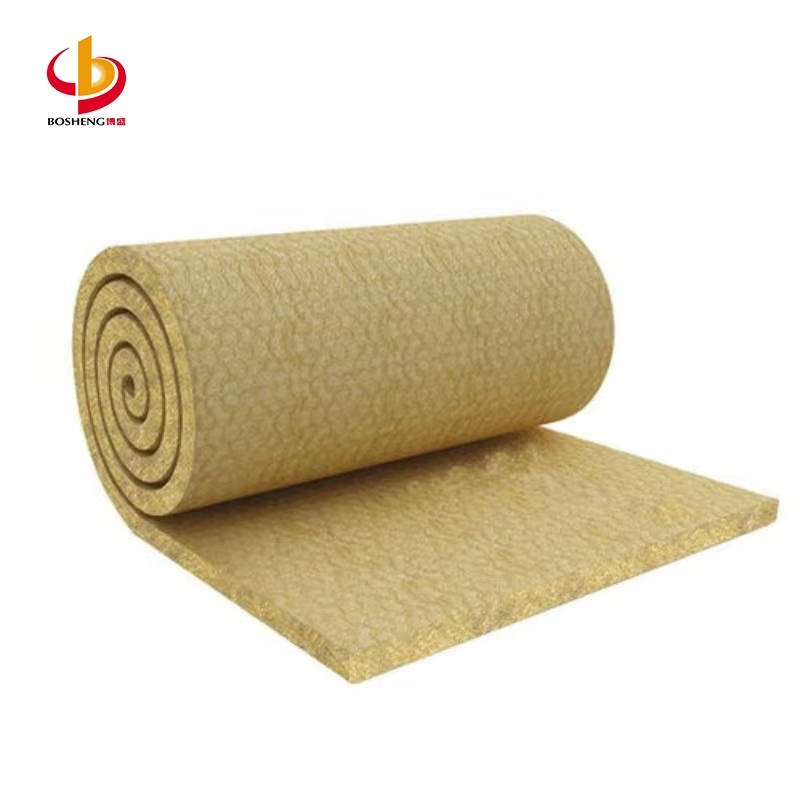
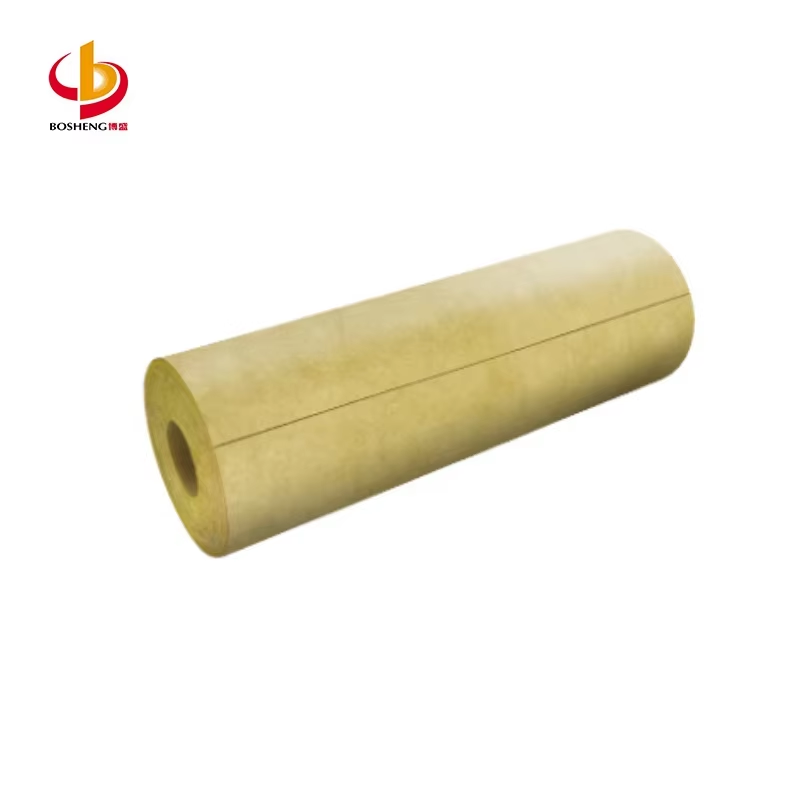
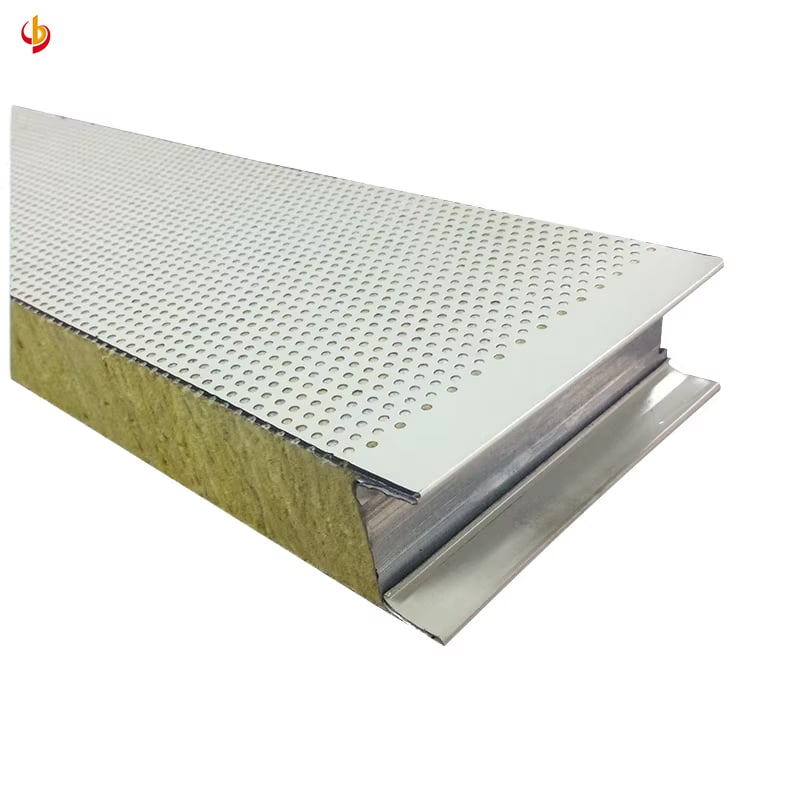
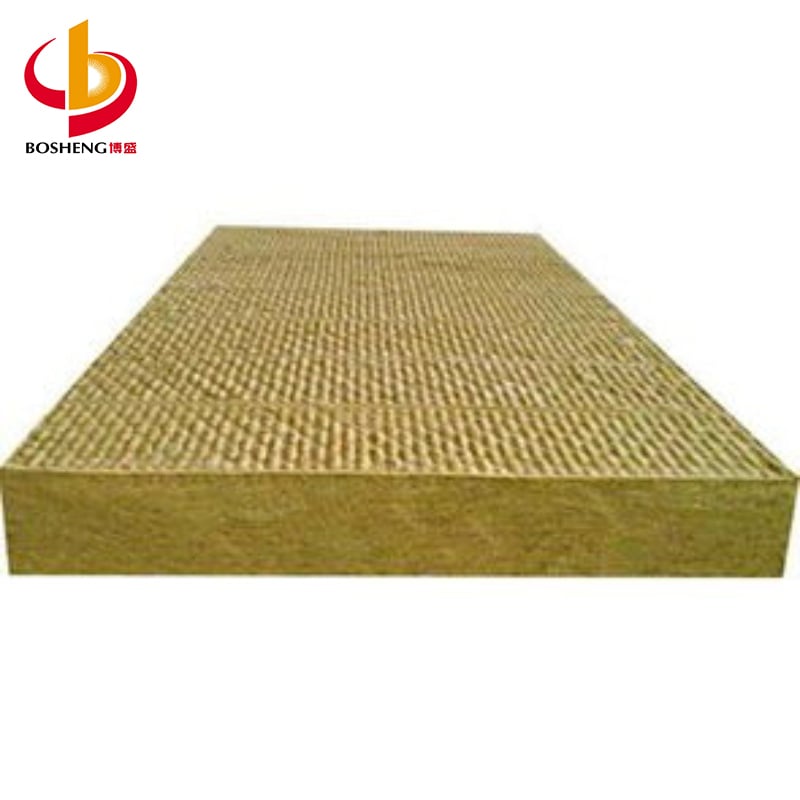
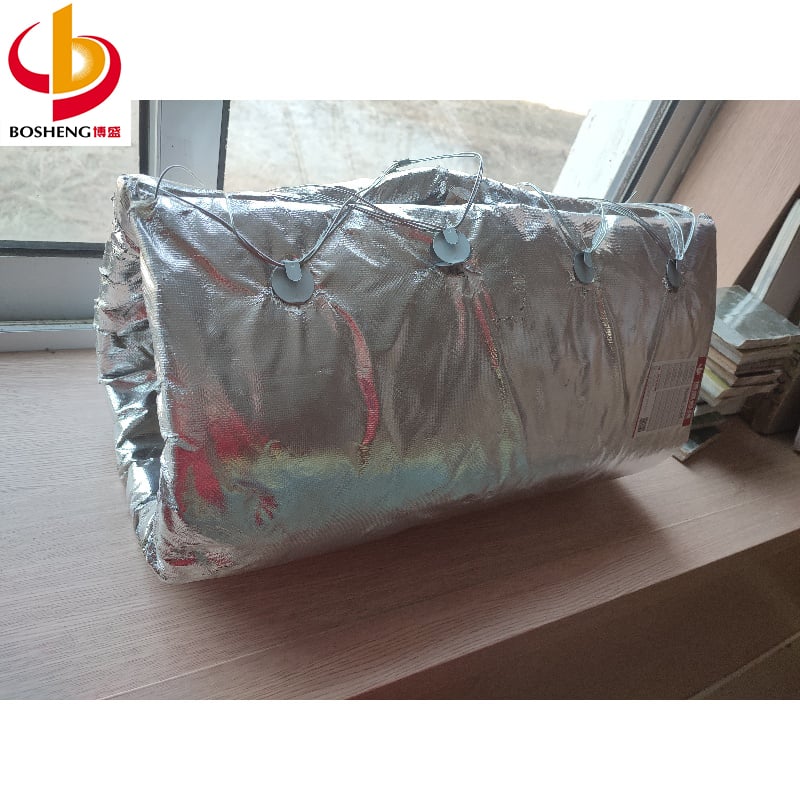
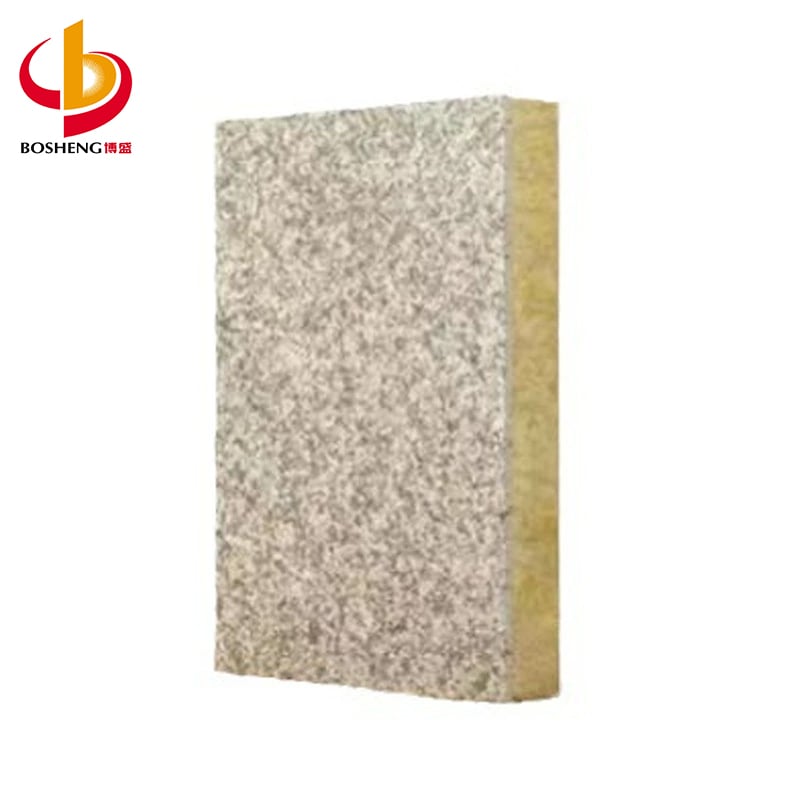
ASTM Standard Rock Wool Pipe Insulation Solutions

Get a Free Quote

Our representative will contact you soon.
Email
Name
Company Name
Message
0/1000

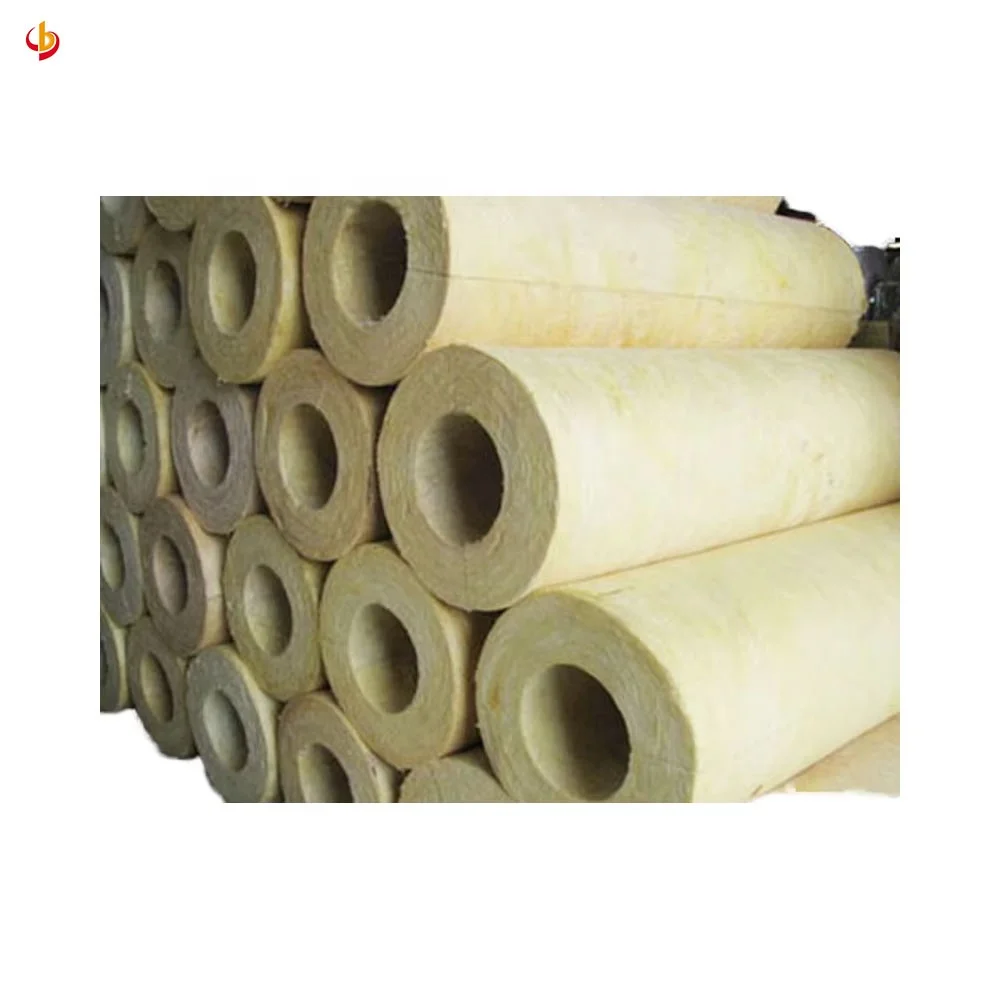
ASTM standard rock wool pipe

ASTM standard rock wool pipe is a high-performance insulation solution engineered to meet rigorous American Society for Testing and Materials specifications. This advanced insulation material is manufactured from natural basalt rock and recycled slag, which are melted at extremely high temperatures and spun into fine fibers to create a dense, durable insulation product. The primary functions of ASTM standard rock wool pipe include thermal insulation for industrial piping systems, fire protection, acoustic dampening, and condensation control. Its technological features encompass exceptional fire resistance with a melting point exceeding 1000 degrees Celsius, superior thermal conductivity values ranging from 0.033 to 0.040 W/mK, and outstanding dimensional stability under varying temperature conditions. The material exhibits hydrophobic properties that prevent moisture absorption while maintaining its insulating performance over extended service periods. Applications span across petrochemical facilities, power generation plants, HVAC systems, district heating networks, and commercial building infrastructure. The ASTM standard rock wool pipe is particularly valued in environments requiring stringent safety standards and long-term thermal efficiency. Its cylindrical design allows for seamless installation around pipes of various diameters, ensuring complete coverage without thermal bridges. The product complies with multiple ASTM testing protocols including ASTM C612 for mineral fiber block and board insulation and ASTM E84 for surface burning characteristics, making it a trusted choice for engineers and contractors seeking reliable, code-compliant insulation solutions for critical applications.

New Product Recommendations

Choosing ASTM standard rock wool pipe delivers substantial practical benefits that directly impact your operational efficiency and bottom line. The material provides exceptional energy savings by significantly reducing heat loss from hot piping systems and preventing heat gain in cold applications, which translates to lower utility costs and improved process efficiency throughout the facility lifecycle. Its non-combustible nature offers superior fire safety protection, creating valuable time for emergency response and potentially reducing insurance premiums while protecting personnel and assets. The ASTM standard rock wool pipe requires minimal maintenance once installed, as it resists moisture damage, does not support mold growth, and maintains its structural integrity without sagging or settling over decades of service. Installation is straightforward and cost-effective, with pre-formed sections that fit securely around pipes, reducing labor hours and allowing faster project completion compared to alternative insulation methods. The product performs reliably across extreme temperature ranges from minus 40 to plus 750 degrees Celsius, making it suitable for diverse applications without requiring multiple product specifications. Its acoustic properties reduce noise transmission from mechanical systems, creating quieter work environments and helping facilities meet occupational noise regulations. The ASTM standard rock wool pipe supports sustainability goals as it contains high recycled content, is fully recyclable at end-of-life, and contributes to LEED certification points. Decision-makers appreciate that this insulation solution meets stringent building codes and industry standards without requiring special certifications or complicated approval processes. The dimensional consistency of ASTM standard rock wool pipe ensures predictable performance and simplified specification processes, while its chemical stability means it will not corrode piping or degrade when exposed to most industrial chemicals, oils, or solvents encountered in typical operating environments.

Latest News

What Applications Are Best Suited for Rock Wool Acoustic Insulation?

04

Mar

What Applications Are Best Suited for Rock Wool Acoustic Insulation?

Rock wool acoustic insulation has become an essential solution for noise control and thermal management across diverse commercial and industrial applications. This versatile material, manufactured from volcanic rock and steel slag, delivers exception...
View More
What to Consider When Choosing the Right Thickness for Blanket Rolls?

04

Mar

What to Consider When Choosing the Right Thickness for Blanket Rolls?

Selecting the appropriate thickness for blanket rolls is a critical decision that impacts both performance and cost-effectiveness in industrial applications. Whether you're working with insulation, soundproofing, or fire protection systems, understan...
View More
Fire and Sound Insulation: Dual Protection Explained

07

Apr

Fire and Sound Insulation: Dual Protection Explained

Modern construction and industrial facilities face a dual challenge: protecting against fire hazards while simultaneously controlling noise pollution. Fire and sound insulation materials provide an integrated solution that addresses both critical saf...
View More
Why Rock Wool Is a Smart Option for Sustainable Construction

08

May

Why Rock Wool Is a Smart Option for Sustainable Construction

The global construction industry is experiencing a fundamental shift toward sustainability, driven by stricter building codes, environmental regulations, and rising energy costs. As architects, engineers, and developers search for materials that deli...
View More

Get a Free Quote

Our representative will contact you soon.
Email
Name
Company Name
Message
0/1000

ASTM standard rock wool pipe

Superior Fire Resistance and Safety Performance

Superior Fire Resistance and Safety Performance

The ASTM standard rock wool pipe stands out for its exceptional fire-resistant properties, providing critical safety advantages in industrial and commercial environments. Manufactured from inorganic rock fibers, this insulation material is inherently non-combustible and will not contribute to flame spread or smoke development during fire events. With a melting point exceeding 1000 degrees Celsius, the ASTM standard rock wool pipe maintains its structural integrity and insulating properties even under extreme heat exposure, creating a protective barrier that can prevent fire propagation along piping systems. This characteristic is particularly valuable in facilities handling flammable materials, high-temperature processes, or environments where fire safety is paramount. The material achieves excellent ratings in standardized fire tests including ASTM E84, demonstrating minimal flame spread and smoke generation indices. For facility managers and safety officers, this translates to enhanced protection for personnel, reduced property damage risk, and compliance with stringent fire codes. The fire-resistant nature of ASTM standard rock wool pipe can also provide crucial evacuation time during emergencies and may contribute to lower insurance costs by demonstrating proactive risk mitigation measures throughout the facility infrastructure.
Exceptional Thermal Efficiency Across Temperature Ranges

Exceptional Thermal Efficiency Across Temperature Ranges

The ASTM standard rock wool pipe delivers outstanding thermal performance that directly reduces energy consumption and operational costs across diverse applications. Its low thermal conductivity values, typically ranging from 0.033 to 0.040 W/mK depending on density and temperature, ensure minimal heat transfer between piping systems and the surrounding environment. This efficiency remains consistent across an impressive temperature range from minus 40 to plus 750 degrees Celsius, making ASTM standard rock wool pipe suitable for both cryogenic applications and high-temperature steam systems without performance degradation. The material's fiber structure creates countless tiny air pockets that impede heat flow while maintaining mechanical strength and dimensional stability. For industrial facilities, this translates to measurable energy savings, as properly insulated systems require less energy input to maintain desired temperatures. Process equipment operates more efficiently when thermal losses are minimized, leading to improved product quality and reduced equipment cycling. The ASTM standard rock wool pipe also prevents condensation formation on cold piping systems by maintaining surface temperatures above the dew point, protecting against corrosion, water damage, and the associated maintenance costs that moisture intrusion can cause over time.
Long-Term Durability and Minimal Maintenance Requirements

Long-Term Durability and Minimal Maintenance Requirements

The ASTM standard rock wool pipe is engineered for exceptional longevity, maintaining its performance characteristics throughout decades of continuous service without significant degradation. Unlike organic insulation materials that may compress, settle, or decompose over time, the inorganic rock fiber composition resists biological growth, does not support mold or bacteria, and remains dimensionally stable under thermal cycling and mechanical stress. The hydrophobic treatment applied during manufacturing prevents water absorption while allowing water vapor to pass through, ensuring the insulation does not become saturated or lose effectiveness in humid environments. This durability means facilities can rely on consistent thermal performance without scheduling frequent inspections or replacement cycles, reducing lifecycle costs substantially. The ASTM standard rock wool pipe withstands vibration from pumps and mechanical equipment without crumbling or creating dust, maintaining a clean appearance and eliminating the need for frequent repairs. Its chemical inertness ensures compatibility with most industrial environments, as it will not react with oils, solvents, or mild acids that might contact the insulation surface. For maintenance teams and facility planners, this reliability simplifies asset management and allows accurate long-term budgeting without unexpected insulation failure costs impacting operational budgets or causing unplanned system downtime.

Get a Free Quote

Our representative will contact you soon.
Email
Name
Company Name
Message
0/1000