
 EN
EN



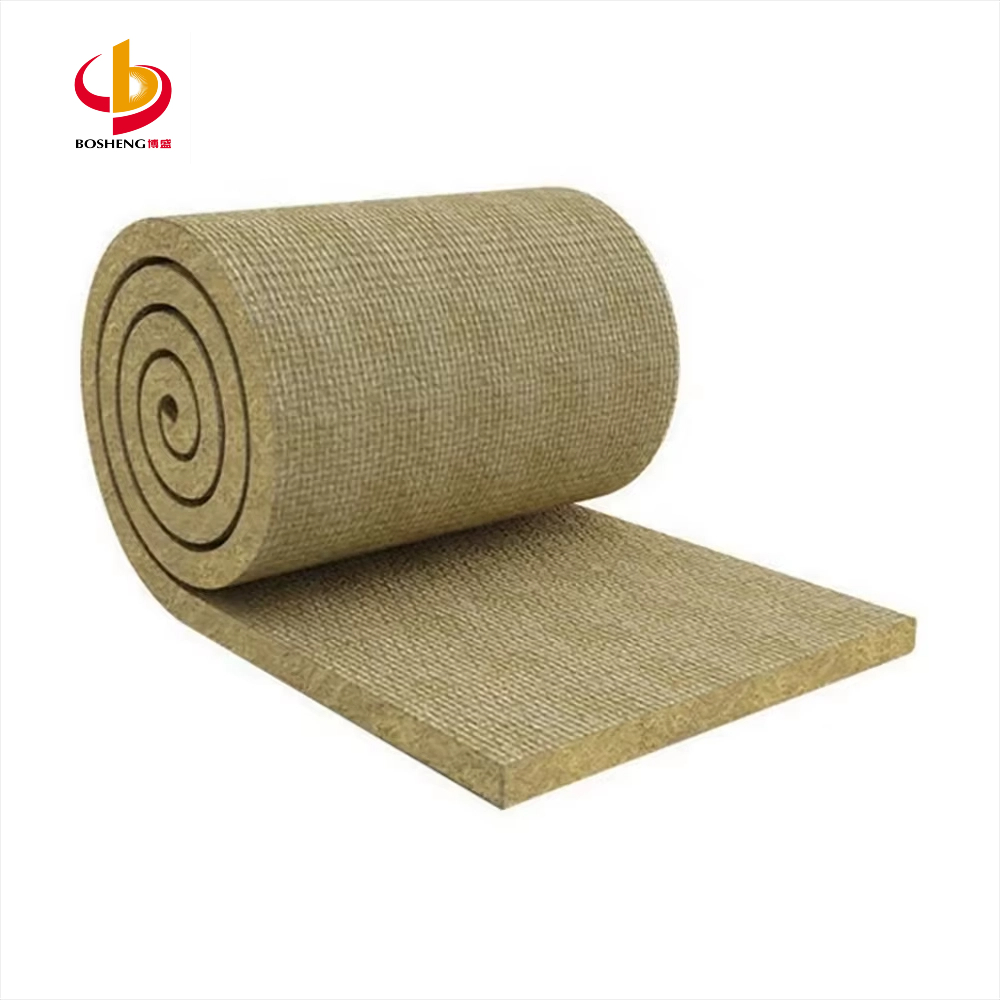
Rock wool acoustic insulation has become an essential solution for noise control and thermal management across diverse commercial and industrial applications. This versatile material, manufactured from volcanic rock and steel slag, delivers exceptional sound absorption properties while providing reliable fire resistance and thermal performance. Understanding the optimal applications for rock wool acoustic insulation enables architects, engineers, and facility managers to make informed decisions about acoustic treatment in their projects.
The unique fiber structure of rock wool acoustic insulation creates multiple air pockets that effectively trap sound waves, converting acoustic energy into small amounts of heat. This mechanism makes it particularly effective across a broad frequency range, from low-frequency vibrations to high-pitched sounds. The material's density and thickness can be customized to address specific acoustic requirements, making it suitable for various installation environments and noise reduction goals.
Commercial Building Applications
Office Space Acoustic Solutions
Modern office environments require effective noise management to maintain productivity and employee satisfaction. Rock wool acoustic insulation proves particularly valuable in open-plan offices where sound transmission between workstations can significantly impact concentration levels. Installing this material within partition walls, ceiling systems, and mechanical rooms helps create quieter work environments while maintaining the architectural flexibility that contemporary office designs demand.
Conference rooms and meeting spaces benefit tremendously from rock wool acoustic insulation applications. The material's sound absorption properties prevent audio bleed between adjacent rooms and reduce echo within spaces, ensuring clear communication during important business discussions. Additionally, the fire-resistant characteristics of rock wool provide enhanced safety compliance for commercial building codes.
Retail and Hospitality Environments
Restaurants, hotels, and retail establishments frequently incorporate rock wool acoustic insulation to create comfortable atmospheres for customers. In dining establishments, excessive noise can negatively impact the customer experience, making acoustic treatment essential for maintaining ambient sound levels. The material works effectively in ceiling applications above dining areas and within wall systems separating different restaurant zones.
Hotel properties utilize rock wool acoustic insulation extensively to ensure guest comfort and privacy. Installing the material between guest room walls, in corridor ceilings, and around mechanical equipment areas significantly reduces noise transmission. This application is particularly important for maintaining high customer satisfaction ratings and meeting hospitality industry standards for acoustic comfort.
Industrial and Manufacturing Facilities
Equipment Noise Control
Manufacturing facilities often contend with significant noise levels from heavy machinery, conveyor systems, and production equipment. Rock wool acoustic insulation serves as an effective solution for creating equipment enclosures and barrier walls that reduce noise propagation throughout the facility. The material's thermal stability makes it suitable for applications near heat-generating equipment without compromising acoustic performance.
Power generation facilities, including power plants and substations, rely on rock wool acoustic insulation to manage noise from turbines, generators, and transformers. These installations require materials that can withstand high temperatures while providing consistent acoustic performance over extended periods. The non-combustible nature of rock wool makes it an ideal choice for these high-risk environments where fire safety is paramount.
HVAC System Applications
Heating, ventilation, and air conditioning systems generate considerable noise that can disrupt occupant comfort in both commercial and industrial settings. Rock wool acoustic insulation effectively reduces noise transmission through ductwork systems and mechanical rooms. Installing the material around air handling units, chillers, and boiler rooms significantly decreases mechanical noise propagation throughout buildings.
The material's moisture resistance properties make it particularly suitable for HVAC applications where condensation might occur. Unlike some acoustic materials that can degrade when exposed to moisture, rock wool acoustic insulation maintains its structural integrity and acoustic properties even in humid environments, ensuring long-term performance reliability.
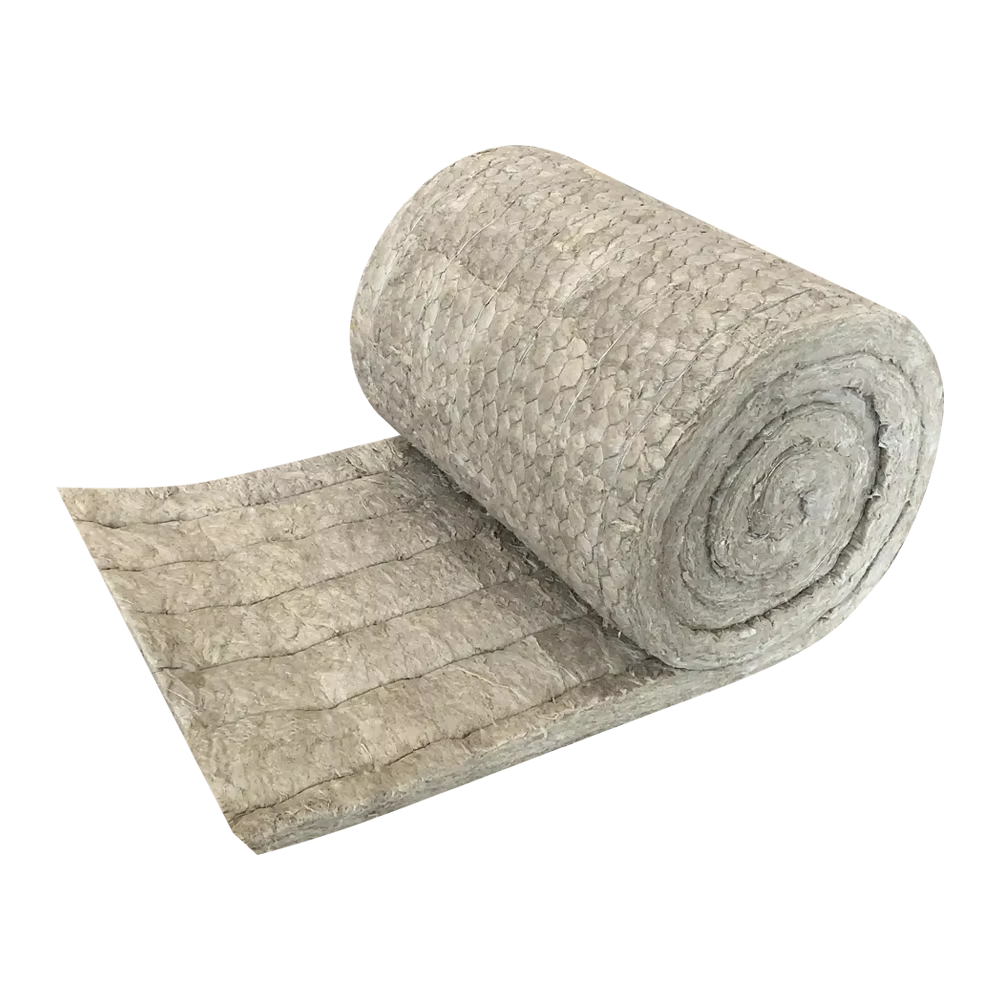
Transportation Infrastructure
Highway and Railway Sound Barriers
Transportation infrastructure projects increasingly incorporate rock wool acoustic insulation in sound barrier systems to protect adjacent communities from traffic and railway noise. These applications require materials that can withstand weather exposure while maintaining acoustic effectiveness over many years. Rock wool's durability and weather resistance make it an excellent choice for outdoor acoustic barriers along highways and railway corridors.
Airport facilities utilize rock wool acoustic insulation extensively to manage aircraft noise and protect surrounding communities. The material's ability to perform effectively across different frequency ranges makes it particularly valuable for addressing the varied noise signatures produced by different aircraft types. Ground support equipment areas and aircraft maintenance facilities also benefit from rock wool acoustic treatment to reduce operational noise levels.
Marine and Port Applications
Port facilities and marine terminals generate significant noise from cargo handling equipment, ship engines, and loading operations. Rock wool acoustic insulation provides effective noise control solutions for these challenging environments where exposure to salt air and moisture is common. The material's corrosion resistance and durability make it suitable for long-term installation in marine environments.
Ship and offshore platform applications benefit from rock wool acoustic insulation's fire resistance and acoustic properties. Engine rooms, machinery spaces, and crew quarters require effective noise control to ensure operational safety and crew comfort. The material's ability to maintain performance in marine environments while meeting strict fire safety requirements makes it invaluable for maritime applications.
Healthcare and Educational Facilities
Medical Facility Acoustic Requirements
Healthcare facilities have unique acoustic requirements that directly impact patient recovery and staff effectiveness. Rock wool acoustic insulation plays a crucial role in creating healing environments by reducing noise levels in patient rooms, surgical suites, and diagnostic areas. The material's hygienic properties and resistance to microbial growth make it suitable for healthcare applications where cleanliness is essential.
MRI and CT scan rooms require specialized acoustic treatment to manage equipment noise while maintaining precise environmental conditions. Rock wool acoustic insulation provides the necessary sound absorption without interfering with sensitive medical equipment. Additionally, the material's non-magnetic properties ensure compatibility with medical imaging systems that rely on powerful magnetic fields.
Educational Institution Applications
Schools and universities implement rock wool acoustic insulation to create optimal learning environments where students can focus and educators can communicate effectively. Classroom acoustics significantly impact learning outcomes, making proper acoustic treatment essential for educational success. The material works effectively in wall systems, ceiling applications, and mechanical room installations throughout educational facilities.
Music and performance spaces within educational institutions require specialized acoustic treatment to achieve proper reverberation times and sound clarity. Rock wool acoustic insulation can be configured to provide varying levels of absorption depending on the specific acoustic requirements of different spaces, from practice rooms to concert halls. The material's fire resistance also helps educational facilities meet strict safety codes.
Data Centers and Technology Facilities
Server Room Noise Management
Data centers and server facilities generate substantial noise from cooling equipment, servers, and power systems. Rock wool acoustic insulation helps create more comfortable working environments for technical staff while reducing noise impact on surrounding areas. The material's thermal stability ensures consistent performance in environments with significant heat generation from electronic equipment.
Telecommunications facilities rely on rock wool acoustic insulation to manage equipment noise while maintaining precise environmental conditions required for sensitive electronic systems. The material's low outgassing properties ensure compatibility with electronic equipment that could be sensitive to chemical emissions from building materials.
Clean Room Applications
Manufacturing facilities producing semiconductors, pharmaceuticals, and precision instruments require clean room environments with controlled acoustic conditions. Rock wool acoustic insulation contributes to noise control in these specialized environments while meeting strict cleanliness and contamination control requirements. The material can be specified with appropriate facings to ensure compatibility with clean room protocols.
Research laboratories and testing facilities utilize rock wool acoustic insulation to create controlled acoustic environments necessary for precise measurements and experiments. The material's stable properties ensure that acoustic conditions remain consistent over time, supporting reliable research outcomes and equipment performance.
FAQ
What thickness of rock wool acoustic insulation is most effective for typical commercial applications
The optimal thickness depends on specific acoustic requirements and available space constraints. For general commercial applications, rock wool acoustic insulation thickness typically ranges from 2 to 6 inches. Thicker installations provide greater sound absorption, particularly for low-frequency noise control. Most office and retail applications achieve satisfactory results with 3 to 4-inch thick installations, while industrial applications may require greater thickness for maximum noise reduction effectiveness.
How does rock wool acoustic insulation compare to fiberglass for sound absorption performance
Rock wool acoustic insulation generally provides superior performance compared to fiberglass, particularly for low-frequency sound absorption. The denser fiber structure of rock wool creates more effective sound trapping across a broader frequency range. Additionally, rock wool maintains its acoustic properties better over time and provides superior fire resistance, making it the preferred choice for demanding commercial and industrial applications where long-term performance is critical.
Can rock wool acoustic insulation be used in high-temperature environments
Yes, rock wool acoustic insulation excels in high-temperature applications due to its mineral fiber composition. The material can withstand continuous temperatures up to 1200°F without losing structural integrity or acoustic properties. This thermal stability makes rock wool particularly valuable for applications near industrial equipment, boilers, and other heat sources where conventional acoustic materials would degrade or lose effectiveness over time.
What installation considerations are important for maximizing rock wool acoustic insulation effectiveness
Proper installation requires attention to air sealing and complete coverage to prevent acoustic bridging. Rock wool acoustic insulation should be cut to fit snugly within cavities without compression, as compressed material reduces acoustic effectiveness. Sealing gaps around penetrations and ensuring continuous coverage prevents sound leakage that can significantly compromise overall acoustic performance. Professional installation ensures optimal results and compliance with manufacturer specifications.
Table of Contents
- Commercial Building Applications
- Industrial and Manufacturing Facilities
- Transportation Infrastructure
- Healthcare and Educational Facilities
- Data Centers and Technology Facilities
-
FAQ
- What thickness of rock wool acoustic insulation is most effective for typical commercial applications
- How does rock wool acoustic insulation compare to fiberglass for sound absorption performance
- Can rock wool acoustic insulation be used in high-temperature environments
- What installation considerations are important for maximizing rock wool acoustic insulation effectiveness