
 EN
EN



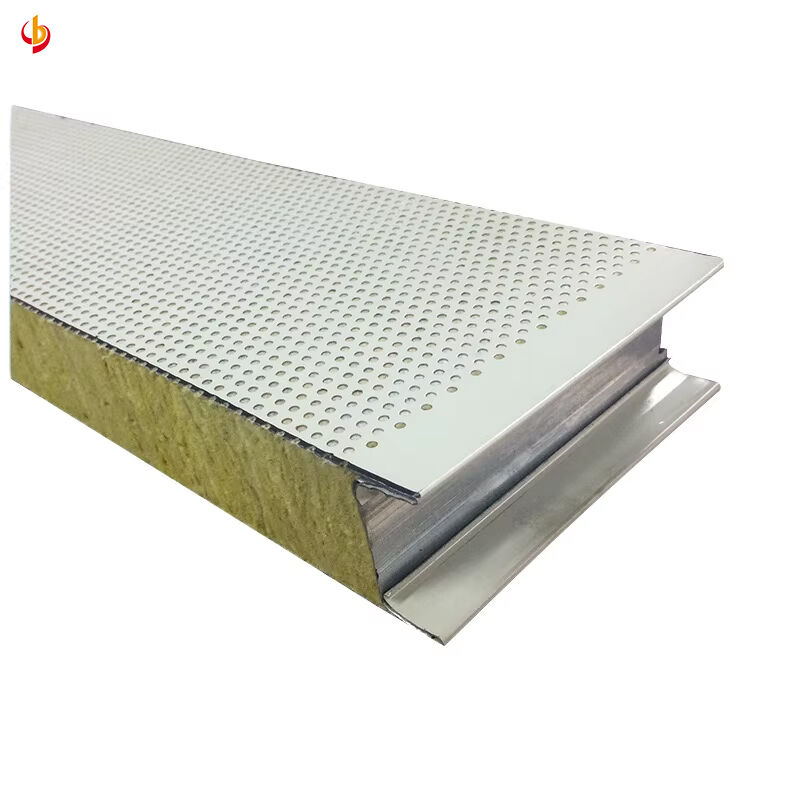
The global construction industry is experiencing a fundamental shift toward sustainability, driven by stricter building codes, environmental regulations, and rising energy costs. As architects, engineers, and developers search for materials that deliver both performance and environmental responsibility, rock wool has emerged as a leading insulation solution that addresses multiple sustainability objectives simultaneously. This mineral-based material combines exceptional thermal performance, fire resistance, acoustic control, and recyclability into a single building component that contributes meaningfully to green building certifications and long-term operational efficiency.
Understanding why rock wool represents a smart choice for sustainable construction requires examining its lifecycle advantages, from raw material sourcing through manufacturing, installation, operational performance, and eventual recycling. Unlike many conventional insulation materials that offer limited benefits or create environmental trade-offs, rock wool delivers comprehensive sustainability value that aligns with modern construction priorities including energy efficiency, indoor environmental quality, durability, and circular economy principles. This article explores the specific reasons why specifying rock wool makes strategic sense for projects committed to genuine sustainability outcomes.
The Environmental Foundation of Rock Wool Production
Abundant Natural Raw Materials with Minimal Extraction Impact
Rock wool is manufactured primarily from basalt rock and recycled slag, both of which represent abundantly available materials with relatively low environmental extraction costs. Basalt, a volcanic rock formed from cooled lava, comprises approximately 8% of the Earth's crust and can be quarried with established mining practices that minimize landscape disruption. The inclusion of recycled industrial slag, a byproduct of steel manufacturing, transforms what would otherwise be waste material into a valuable construction resource. This dual-source approach reduces dependence on virgin materials while creating a beneficial use for industrial byproducts that might otherwise require landfill disposal.
The raw material composition of rock wool typically includes 70-80% natural stone and 20-30% recycled content, creating a product with inherent sustainability credentials before considering its performance benefits. Modern rock wool manufacturing facilities have optimized their processes to maximize recycled content incorporation without compromising product quality or consistency. This material sourcing strategy directly supports circular economy principles by closing industrial waste loops and reducing the environmental burden associated with raw material extraction. The geological abundance of basalt ensures long-term supply security without the resource depletion concerns associated with some other insulation materials.
Energy-Efficient Manufacturing with Continuous Improvement
The production of rock wool involves melting raw materials at approximately 1500°C and spinning the molten material into fibers, a process that does require significant energy input. However, leading manufacturers have made substantial investments in energy efficiency improvements, waste heat recovery systems, and renewable energy integration that dramatically reduce the carbon footprint of modern rock wool production. Advanced furnace designs, optimized production flows, and sophisticated process controls have reduced energy consumption per unit of product by more than 30% over the past two decades, with ongoing efficiency gains continuing to improve the environmental profile.
Many rock wool production facilities now incorporate combined heat and power systems that capture waste heat for use in other production processes or district heating networks, further improving overall energy efficiency. Some manufacturers have committed to carbon-neutral production targets, investing in renewable energy procurement and carbon offset programs to minimize climate impact. The industry's focus on manufacturing efficiency extends beyond energy to include water recycling, air emission controls, and waste minimization programs that address multiple environmental impact categories. These manufacturing improvements ensure that the embodied energy in rock wool remains competitive with other insulation options while delivering superior long-term performance benefits.
Transportation Efficiency and Regional Production Networks
The widespread availability of basalt rock and steel slag enables regional production of rock wool near major construction markets, reducing transportation distances and associated emissions compared to insulation materials that require centralized manufacturing or imported components. Many countries have established domestic rock wool production capacity that serves local and regional markets efficiently. The relatively high density of rock wool products compared to some alternatives means that transportation is optimized for material volume rather than requiring excessive packaging or protective measures during shipping.
Regional production networks also enhance supply chain resilience and reduce vulnerability to international shipping disruptions or trade restrictions. For construction projects pursuing rigorous sustainability certifications, the ability to source rock wool from nearby production facilities can contribute valuable points in transportation and regional materials categories. The geographic distribution of rock wool manufacturing capacity continues to expand in response to growing global demand for sustainable insulation solutions, further improving accessibility and reducing transportation-related environmental impacts across diverse construction markets.
Operational Performance Benefits That Define Sustainable Building Function
Superior Thermal Performance Reducing Lifetime Energy Consumption
The primary sustainability benefit of rock wool lies in its exceptional thermal insulation performance, which directly reduces heating and cooling energy requirements throughout a building's operational lifetime. With thermal conductivity values typically ranging from 0.033 to 0.040 W/mK, rock wool provides reliable resistance to heat transfer that maintains indoor comfort while minimizing HVAC system loads. This thermal performance remains stable over decades of service, without the degradation or settling issues that can compromise the effectiveness of some alternative insulation materials over time.
The energy saved through effective rock wool insulation far exceeds the embodied energy required for its production, typically achieving energy payback within the first year of building operation. Over a typical building lifespan of 50-60 years, the cumulative energy savings attributable to quality rock wool insulation can be 50-100 times greater than the manufacturing energy investment. This favorable ratio makes thermal insulation one of the most cost-effective and environmentally beneficial building investments available. The dimensional stability of rock wool ensures that thermal performance remains consistent throughout the building's service life, without gaps, compression, or thermal bridging that can develop with inferior insulation materials.
Moisture Management Protecting Building Envelope Integrity
Rock wool's hydrophobic treatment and vapor-permeable structure create ideal moisture management characteristics that protect building envelope integrity and prevent the mold growth, rot, and structural degradation that can compromise sustainability objectives. While rock wool fibers themselves are non-absorbent, the material's open structure allows water vapor to pass through without condensation accumulation, preventing moisture-related problems that shorten building lifespan and create indoor air quality issues. This moisture management capability is particularly valuable in climates with significant humidity variations or in building assemblies prone to condensation risk.
The durability benefits of effective moisture management extend building service life and reduce the frequency of renovation or replacement cycles, which represents a significant sustainability advantage. Buildings that experience moisture-related deterioration require premature material replacement, generating construction waste and requiring new material production with associated environmental impacts. Rock wool's moisture resistance ensures that insulation performance and building envelope integrity remain stable across decades of service, even in challenging environmental conditions. This longevity characteristic aligns perfectly with sustainable construction's emphasis on durability, adaptability, and extended service life as key strategies for reducing lifecycle environmental impact.
Acoustic Performance Supporting Human Health and Productivity
Sustainable building design increasingly recognizes that environmental responsibility extends beyond energy efficiency to encompass human health, comfort, and productivity. Rock wool's excellent sound absorption and noise reduction properties contribute directly to creating acoustic environments that support concentration, communication, and wellbeing in occupied spaces. The fibrous structure of rock wool effectively dissipates sound energy across a broad frequency range, making it equally effective for airborne noise reduction and impact sound control in floor assemblies.
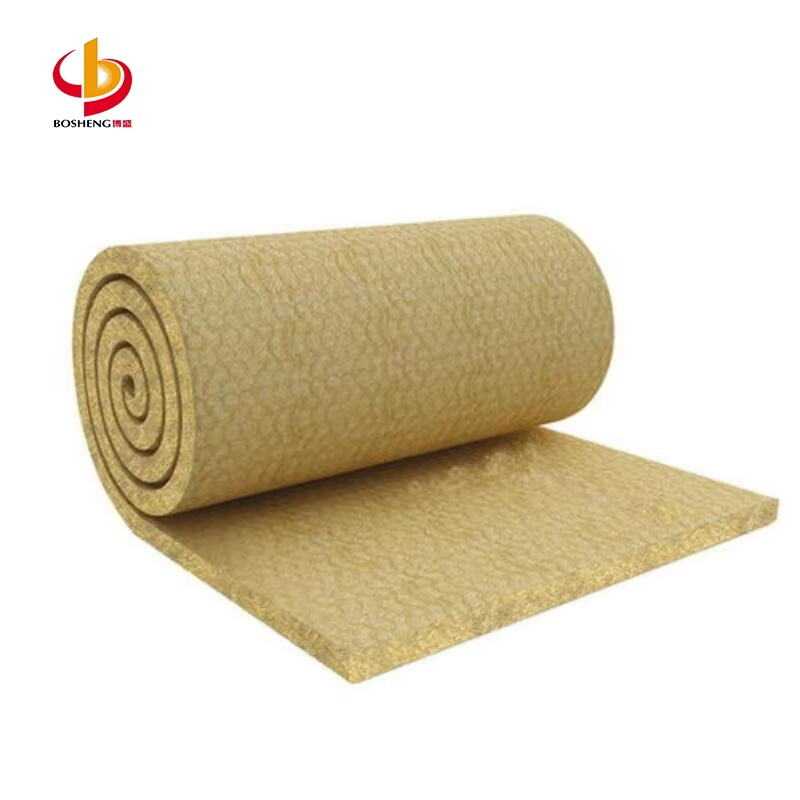
Research consistently demonstrates that improved acoustic environments enhance productivity, reduce stress, and support better health outcomes in both residential and commercial buildings. By specifying rock wool in wall, floor, and ceiling assemblies, designers can achieve acoustic performance targets that contribute to green building certification while creating spaces that genuinely support occupant wellbeing. The acoustic benefits of rock wool require no additional materials or complex assembly details, representing an integrated sustainability advantage that delivers multiple performance objectives simultaneously. This multifunctional performance characteristic exemplifies smart material selection that maximizes value from every building component.
Fire Safety as a Critical Sustainability Component
Non-Combustible Performance Protecting Life and Property
Rock wool's classification as a non-combustible material with melting points exceeding 1000°C provides critical fire safety performance that protects both human life and the substantial environmental investment represented by building construction. Unlike organic insulation materials that can fuel fire spread or produce toxic smoke, rock wool maintains its structural integrity during fire exposure, containing flames and providing crucial time for evacuation and firefighting response. This fire performance is intrinsic to the material's mineral composition rather than dependent on chemical treatments that may degrade over time.
From a sustainability perspective, fire safety directly supports the preservation of embodied energy and material resources invested in building construction. A fire that destroys or severely damages a building represents a catastrophic waste of materials, energy, and environmental impact associated with original construction, while also generating massive quantities of debris requiring disposal and replacement. Rock wool's contribution to fire-resistant building assemblies helps protect this environmental investment while simultaneously serving its primary insulation function. Building codes increasingly recognize fire safety as integral to sustainable design, with many jurisdictions requiring non-combustible insulation in specific applications or building types.
Passive Fire Protection Reducing Active System Requirements
The inherent fire resistance of rock wool enables passive fire protection strategies that reduce or eliminate the need for energy-intensive active fire suppression systems in certain building configurations. By incorporating rock wool into fire-rated wall and floor assemblies, designers can achieve required fire separation without relying solely on sprinkler systems, fire dampers, and other mechanical protection measures that consume energy and require ongoing maintenance. This passive approach aligns with sustainable design principles that favor simple, reliable, low-maintenance building systems over complex active solutions.
Passive fire protection using rock wool also eliminates the water damage risk associated with sprinkler activation, which can destroy interior finishes, contents, and sensitive equipment even when fire damage itself is minimal. This property protection aspect has significant sustainability implications by preventing unnecessary material replacement and waste generation following minor fire incidents. The reliability of rock wool fire performance over decades of service, without degradation or maintenance requirements, further enhances its value as a sustainable fire protection strategy that continues delivering benefits throughout building service life.
Contribution to Comprehensive Building Resilience
Fire resistance represents just one dimension of rock wool's contribution to overall building resilience, a concept increasingly recognized as essential to sustainable construction in an era of climate change and increasing natural disaster frequency. Resilient buildings that can withstand fire, flood, extreme temperatures, and other hazards without catastrophic failure or requiring complete reconstruction embody sustainability principles by preserving the enormous environmental investment that buildings represent. Rock wool supports resilience through its dimensional stability, moisture resistance, and non-combustible performance that work together to protect building integrity across diverse threat scenarios.
The growing emphasis on resilience in building codes and green building rating systems reflects recognition that sustainability must encompass long-term durability and adaptation capacity, not just operational efficiency. Rock wool's multiple performance characteristics align perfectly with this expanded sustainability definition by delivering reliable protection and performance across the full range of environmental stressors that buildings experience over their service life. This comprehensive resilience contribution distinguishes rock wool from single-function materials that address only narrow performance requirements without supporting broader sustainability and durability objectives.
Lifecycle Advantages and Circular Economy Integration
Extended Service Life Minimizing Replacement Cycles
One of rock wool's most significant sustainability advantages is its exceptional durability and dimensional stability, which enable service life matching or exceeding typical building lifespans without performance degradation. Unlike some insulation materials that can settle, compress, or deteriorate over time, rock wool maintains its thickness, density, and thermal performance for 50 years or more under normal building conditions. This longevity eliminates the need for insulation replacement during building renovations, avoiding the material waste, labor costs, and environmental impacts associated with removing and disposing of failed insulation materials.
The extended service life of rock wool directly supports sustainable construction's emphasis on durability and reduced material consumption over building lifecycles. Each replacement cycle avoided represents significant savings in raw materials, manufacturing energy, transportation impacts, and construction waste generation. When buildings undergo major renovations or adaptive reuse after decades of service, rock wool insulation typically remains in place and continues performing effectively, supporting the building's transformation to new uses without requiring removal and replacement. This durability characteristic makes rock wool particularly valuable for buildings designed with long-term flexibility and multiple-use scenarios in mind.
Recyclability and Material Recovery Potential
When buildings eventually reach the end of their service life or undergo complete reconstruction, rock wool offers genuine recyclability that supports circular economy principles. The mineral composition of rock wool allows it to be collected, processed, and reincorporated into new rock wool production, creating a closed-loop material cycle that minimizes waste and reduces virgin material requirements. Several rock wool manufacturers operate take-back programs that accept construction waste and production offcuts for recycling, demonstrating practical commitment to circular economy implementation rather than merely theoretical recyclability.
The technical recyclability of rock wool stands in contrast to some insulation materials that present disposal challenges due to contamination, mixed material composition, or lack of established recycling infrastructure. Even when rock wool cannot be collected for recycling through formal programs, its inert mineral composition means it can be safely incorporated into aggregate applications or other beneficial uses without creating environmental contamination concerns. This end-of-life flexibility provides project teams with responsible disposal options that align with waste reduction goals and circular economy commitments increasingly required by green building programs and corporate sustainability policies.
Contribution to Green Building Certification Achievement
Rock wool's multiple performance advantages and sustainability characteristics contribute points across numerous categories in green building rating systems including LEED, BREEAM, Green Star, and others. The material's recycled content, regional availability, thermal performance, indoor air quality benefits, acoustic performance, and durability all align with specific credits or prerequisites in major certification programs. By selecting rock wool, project teams can efficiently address multiple certification requirements through a single material specification rather than requiring separate solutions for insulation, fire protection, and acoustic control.
The transparent environmental documentation provided by rock wool manufacturers, including Environmental Product Declarations and Health Product Declarations, facilitates the reporting and verification processes required for certification achievement. This documentation transparency enables project teams to confidently include rock wool in lifecycle assessment calculations, embodied carbon analyses, and material disclosure requirements without uncertainty about product composition or environmental impacts. As green building programs evolve toward more rigorous performance verification and lifecycle thinking, rock wool's well-documented sustainability profile positions it advantageously for projects pursuing ambitious certification targets or innovative pilot credits focused on circular economy and material health.
Economic Sustainability and Long-Term Value Creation
Lifecycle Cost Advantages Beyond Initial Investment
While initial material costs represent an important consideration in construction decision-making, genuine sustainability requires lifecycle economic analysis that accounts for energy savings, maintenance requirements, replacement cycles, and residual value over building service life. Rock wool consistently demonstrates favorable lifecycle economics due to its energy-saving performance, durability, and minimal maintenance requirements. The energy cost savings achieved through effective rock wool insulation typically recover any premium initial investment within 3-7 years, with continued savings accruing throughout the remaining building lifespan.
The absence of replacement requirements and maintenance costs further enhances rock wool's lifecycle value proposition compared to alternatives that may require periodic renewal or performance restoration. Building owners and developers increasingly recognize that construction material decisions have long-term financial implications that extend far beyond initial procurement costs, making lifecycle analysis essential to identifying truly cost-effective solutions. Rock wool's combination of energy savings, durability, and low maintenance creates compelling economic advantages that align with sustainable building's emphasis on optimizing total lifecycle value rather than minimizing initial construction costs.
Risk Mitigation and Insurance Implications
The fire resistance and moisture management characteristics of rock wool provide tangible risk mitigation benefits that can influence insurance premiums, liability exposure, and business continuity planning for building owners. Buildings with superior fire protection achieve lower insurance costs and reduced risk of catastrophic loss events that can destroy both property value and business operations. Similarly, the moisture resistance that prevents mold growth and structural deterioration reduces liability risks associated with indoor air quality problems and occupant health complaints that have generated substantial litigation in recent years.
From a sustainability perspective, these risk mitigation benefits support the economic viability of building investments over long time horizons, ensuring that environmental benefits can be fully realized throughout intended building lifespans. Buildings that experience premature failure or require unexpected major repairs represent failed sustainability investments, regardless of their initial design intentions. Rock wool's contribution to building durability and risk reduction helps ensure that sustainable design goals translate into actual long-term performance and value preservation. This reliability dimension of sustainability is increasingly recognized as essential to achieving genuine environmental benefits rather than merely pursuing theoretical or short-term efficiency gains.
Market Value and Tenant Appeal
As awareness of building performance and sustainability grows among building occupants, tenants increasingly prefer spaces that offer superior comfort, air quality, and environmental credentials. Buildings insulated with rock wool can credibly market their energy efficiency, acoustic comfort, and fire safety advantages to quality-conscious tenants willing to pay premium rents for superior space quality. This market differentiation potential creates tangible economic value that flows from sustainable material selection, demonstrating that environmental responsibility and financial performance can be mutually reinforcing rather than competing objectives.
The growing corporate emphasis on sustainability commitments and ESG reporting creates additional tenant demand for buildings with verified environmental performance and transparent material disclosure. Tenants pursuing their own sustainability goals prefer buildings where insulation materials, indoor air quality, and energy performance can be documented and reported in corporate sustainability communications. Rock wool's comprehensive environmental documentation and certification support enables building owners to serve this market demand effectively, creating competitive advantages and supporting premium positioning in increasingly sustainability-conscious real estate markets.
FAQ
How does rock wool compare to other insulation materials in terms of overall sustainability?
Rock wool offers a unique combination of thermal performance, fire resistance, acoustic control, moisture management, and durability that few alternative materials can match comprehensively. While some materials may excel in specific individual characteristics, rock wool delivers balanced performance across all key sustainability metrics including embodied energy payback, operational energy savings, longevity, and recyclability. The material's non-combustible nature and dimensional stability provide resilience benefits that extend building service life and protect environmental investments from fire and moisture damage. When evaluated using comprehensive lifecycle assessment methodology that accounts for manufacturing impacts, operational performance, durability, and end-of-life options, rock wool consistently ranks among the most sustainable insulation choices available for both new construction and retrofit applications.
Does rock wool insulation contribute to improved indoor air quality?
Yes, rock wool contributes positively to indoor air quality through multiple mechanisms. The material itself is inert and does not emit volatile organic compounds or support mold growth, eliminating common indoor air quality concerns associated with some building materials. Rock wool's moisture management characteristics prevent the damp conditions that enable mold and mildew development, protecting both air quality and building structure. The material has achieved Greenguard Gold certification and similar indoor air quality validations from independent testing organizations, confirming its suitability for sensitive environments including schools, healthcare facilities, and residences. Additionally, rock wool's thermal performance reduces temperature fluctuations and condensation risks that can contribute to comfort complaints and air quality problems in poorly insulated buildings.
Can rock wool be used in all climate zones and building types?
Rock wool demonstrates excellent versatility across diverse climate zones and building applications due to its balanced performance characteristics. The material performs effectively in cold climates where thermal resistance is paramount, hot climates requiring cooling load reduction, and humid climates where moisture management is critical. Rock wool is suitable for residential, commercial, industrial, and institutional building types, with product variations optimized for specific applications including wall insulation, roof insulation, floor insulation, and specialty applications like fire stopping and pipe insulation. Building codes and standards worldwide recognize rock wool as acceptable for virtually all insulation applications, with specific product selections determined by required thermal performance, fire rating, acoustic performance, and structural considerations rather than fundamental climate or building type limitations.
What should specifiers consider when selecting rock wool products for sustainable construction projects?
Specifiers should evaluate rock wool products based on verified thermal performance data, fire resistance ratings, acoustic performance specifications, and environmental documentation including Environmental Product Declarations. Density and thickness selections should be optimized to meet project-specific performance requirements without over-specifying material quantities unnecessarily. Regional availability and transportation distances should be considered to minimize embodied carbon from logistics. Third-party certifications for indoor air quality, recycled content, and sustainability claims provide valuable verification of manufacturer representations. Installation details and compatibility with overall building envelope design require careful attention to ensure that rock wool performance potential is fully realized through proper installation practices. Finally, specifiers should review manufacturer warranty terms, technical support availability, and documented performance history in similar applications to ensure long-term performance reliability that sustainable construction objectives require.
Table of Contents
- The Environmental Foundation of Rock Wool Production
- Operational Performance Benefits That Define Sustainable Building Function
- Fire Safety as a Critical Sustainability Component
- Lifecycle Advantages and Circular Economy Integration
- Economic Sustainability and Long-Term Value Creation
-
FAQ
- How does rock wool compare to other insulation materials in terms of overall sustainability?
- Does rock wool insulation contribute to improved indoor air quality?
- Can rock wool be used in all climate zones and building types?
- What should specifiers consider when selecting rock wool products for sustainable construction projects?