
 EN
EN



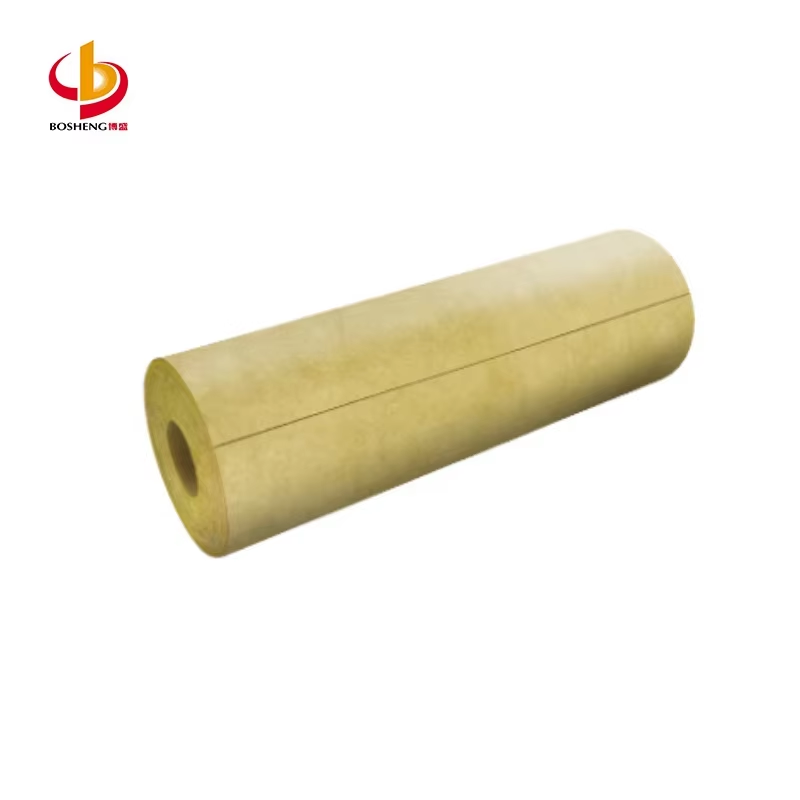
Modern construction and industrial facilities face a dual challenge: protecting against fire hazards while simultaneously controlling noise pollution. Fire and sound insulation materials provide an integrated solution that addresses both critical safety and comfort requirements in a single installation. This dual-purpose approach not only enhances building safety but also creates more comfortable environments for occupants while potentially reducing overall construction costs compared to installing separate systems.
Understanding how fire and sound insulation works requires examining the material properties that enable both thermal resistance and acoustic control. These specialized materials combine fire-resistant characteristics with sound-dampening capabilities, creating a comprehensive protection system that meets multiple building code requirements. The effectiveness of dual-purpose insulation depends on proper material selection, installation techniques, and understanding the specific performance requirements for each application.
The Science Behind Dual Protection Materials
Fire Resistance Mechanisms in Acoustic Insulation
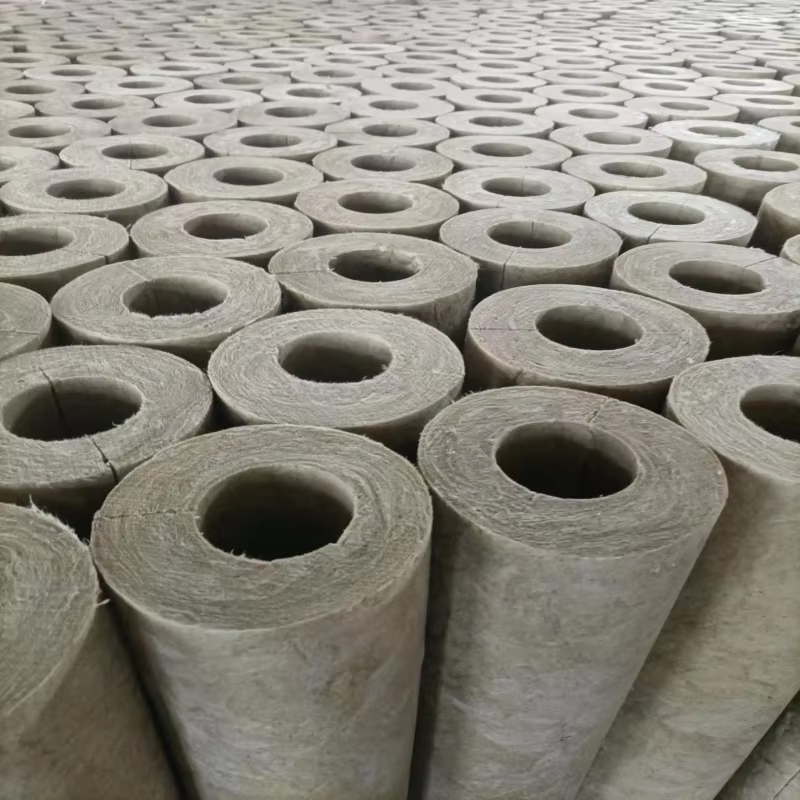
Fire and sound insulation materials achieve their fire-resistant properties through specific structural characteristics and chemical compositions. Mineral wool products, for instance, are manufactured from inorganic materials that can withstand temperatures exceeding 1000°C without melting or releasing toxic gases. The fibrous structure of these materials creates air pockets that slow heat transfer while maintaining structural integrity during fire exposure.
The non-combustible nature of quality fire and sound insulation means that these materials will not contribute fuel to a fire. Instead, they act as a barrier that prevents flame spread and reduces heat transmission to adjacent areas. This passive fire protection capability is crucial in commercial buildings, industrial facilities, and residential applications where fire safety regulations require specific performance standards.
Temperature resistance varies among different fire and sound insulation products, with some materials maintaining their protective properties at temperatures up to 1200°C. This high-temperature tolerance ensures that the insulation continues to provide protection even during extended fire exposure, giving occupants more time to evacuate and emergency responders more time to control the situation.
Acoustic Performance Characteristics
The sound absorption capabilities of fire and sound insulation stem from the material's ability to convert sound energy into small amounts of heat through friction within the fibrous structure. When sound waves enter the insulation material, they cause the fibers to vibrate, and this mechanical energy is dissipated as thermal energy, effectively reducing the sound transmission through walls, ceilings, and floors.
Density plays a crucial role in acoustic performance, with optimal fire and sound insulation typically ranging from 80 to 150 kg/m³ depending on the application. Higher density materials generally provide better sound absorption at lower frequencies, while maintaining adequate airflow resistance to effectively dampen mid and high-frequency sounds. The thickness of the installation also directly impacts acoustic performance, with thicker installations providing greater sound reduction.
Sound transmission class ratings help quantify the acoustic performance of fire and sound insulation systems. These ratings consider the material's ability to reduce sound transmission across different frequency ranges, providing architects and engineers with standardized metrics for comparing different insulation solutions and ensuring compliance with building acoustic requirements.
Applications and Installation Considerations
Commercial and Industrial Applications
Fire and sound insulation finds extensive use in commercial office buildings where open floor plans require acoustic separation between different work areas while maintaining fire safety compliance. The dual functionality eliminates the need for separate fire barriers and acoustic treatments, streamlining construction processes and reducing overall project costs. Conference rooms, executive offices, and collaborative spaces benefit significantly from this integrated approach to building protection.
Manufacturing facilities utilize fire and sound insulation to protect against both industrial fire hazards and machinery noise. Equipment rooms, boiler areas, and processing facilities require materials that can withstand high operating temperatures while controlling noise transmission to adjacent work areas. The durability of quality insulation materials ensures long-term performance in demanding industrial environments.
Healthcare facilities present unique challenges where fire safety is paramount, yet acoustic comfort directly impacts patient recovery and staff performance. Fire and sound insulation in hospitals, clinics, and medical offices provides the necessary fire protection while creating quieter healing environments. Operating rooms, patient rooms, and diagnostic areas all benefit from this dual protection approach.
Residential Building Integration
Multi-family residential buildings increasingly incorporate fire and sound insulation to meet both safety codes and tenant comfort expectations. Party walls between units, floor-ceiling assemblies, and mechanical room enclosures require materials that prevent fire spread while minimizing noise transmission between living spaces. This dual functionality is particularly important in urban environments where space constraints necessitate shared walls and close proximity living arrangements.
Home theaters, music rooms, and workshop areas in residential settings benefit from fire and sound insulation that protects the home while containing sound within specific areas. The installation of these materials around furnace rooms, laundry areas, and garage spaces provides both fire protection and noise control, enhancing overall home comfort and safety.
Attic and basement applications of fire and sound insulation address multiple concerns simultaneously, including fire protection from mechanical equipment, thermal efficiency, and sound control between different levels of the home. Proper installation techniques ensure that the insulation maintains its protective properties while providing long-term performance in residential environments.
Performance Standards and Compliance Requirements
Fire Safety Certifications and Testing
Fire and sound insulation products must undergo rigorous testing to obtain necessary certifications for commercial and residential use. ASTM E84 flame spread testing evaluates how quickly flames spread across the surface of insulation materials, while smoke development tests measure the amount of smoke generated during combustion. These standardized tests ensure that fire and sound insulation meets minimum safety requirements for different building applications.
International fire safety standards, including those from Underwriters Laboratories and similar organizations worldwide, establish performance criteria for fire and sound insulation in various building types. Materials must demonstrate specific fire resistance ratings, measured in hours, indicating how long the insulation can maintain its protective barrier function during fire exposure. These ratings directly influence building design and occupancy classifications.
Non-combustibility testing verifies that fire and sound insulation materials will not ignite or contribute fuel to fires under normal installation and use conditions. This characteristic is particularly important in high-rise buildings, industrial facilities, and other structures where fire safety regulations require non-combustible construction materials throughout the building envelope and interior assemblies.
Acoustic Standards and Measurement Methods
Sound transmission class testing provides standardized measurement of how effectively fire and sound insulation reduces sound transmission through building assemblies. These tests simulate real-world conditions and provide architects and engineers with reliable data for acoustic design calculations. The testing methodology considers multiple frequency ranges to ensure comprehensive acoustic performance evaluation.
Noise reduction coefficient ratings quantify the sound absorption capabilities of fire and sound insulation materials when used as acoustic treatments. Higher NRC values indicate better sound absorption, which is particularly important in applications where controlling reverberation and echo is as important as preventing sound transmission between spaces.
Field testing procedures allow verification of installed fire and sound insulation performance in completed buildings. These tests help identify any installation deficiencies or performance gaps that might compromise either fire protection or acoustic control. Regular testing ensures that the insulation continues to meet design specifications throughout the building's operational life.
Selection Criteria and Design Considerations
Material Properties and Performance Optimization
Selecting appropriate fire and sound insulation requires careful evaluation of density, thickness, and composition parameters that directly impact both fire resistance and acoustic performance. Higher density materials generally provide superior fire protection and low-frequency sound control, while appropriate thickness ensures adequate thermal barrier performance and sound absorption across the frequency spectrum relevant to the application.
Environmental resistance characteristics of fire and sound insulation affect long-term performance in different building environments. Moisture resistance prevents degradation in humid conditions, while chemical resistance ensures continued protection in industrial applications where exposure to various substances might compromise inferior materials. Temperature cycling resistance maintains material integrity in applications with varying thermal conditions.
Installation compatibility considerations include the fire and sound insulation material's ability to conform to irregular surfaces, maintain proper fit around penetrations, and integrate with other building systems without compromising performance. Compression characteristics affect how the material performs when installed in confined spaces, while flexibility determines ease of installation around complex geometries.
Economic and Lifecycle Considerations
Cost-effectiveness analysis of fire and sound insulation should consider both initial material costs and long-term value provided by dual functionality. Installing single-purpose materials separately typically costs more than integrated fire and sound insulation solutions when considering labor, materials, and coordination requirements. The simplified installation process can also reduce construction timelines and associated project costs.
Maintenance requirements for fire and sound insulation are typically minimal, but understanding expected service life helps inform lifecycle cost calculations. Quality materials maintain their protective properties for decades when properly installed and protected from physical damage or environmental degradation. Regular inspection schedules ensure continued performance and identify any areas requiring attention or replacement.
Energy efficiency benefits of fire and sound insulation contribute to operational cost savings through reduced heating and cooling expenses. The thermal resistance properties of these materials complement their fire and acoustic protection capabilities, providing additional value that should be considered in overall project economics and building performance calculations.
FAQ
How does fire and sound insulation provide protection against both fire and noise simultaneously?
Fire and sound insulation achieves dual protection through its fibrous structure and material composition. The inorganic fibers resist high temperatures and do not contribute fuel to fires, while the same fibrous matrix traps and dissipates sound energy through friction. This allows a single material to meet both fire safety codes and acoustic performance requirements without compromising either function.
What thickness of fire and sound insulation is needed for effective dual protection?
The required thickness of fire and sound insulation depends on specific performance requirements for each application. Generally, 2-4 inches provides adequate fire protection and significant acoustic improvement for most commercial applications, while specialized applications may require greater thickness. Fire resistance ratings and acoustic performance both improve with increased thickness, so design requirements should balance performance needs with space constraints and cost considerations.
Can fire and sound insulation be installed in existing buildings during renovation projects?
Yes, fire and sound insulation can be retrofit into existing buildings during renovation or upgrade projects. The installation process typically involves accessing wall cavities, ceiling spaces, or floor assemblies to install the insulation material. Retrofit installations may require modifications to accommodate the insulation thickness, but the dual benefits of improved fire safety and acoustic comfort often justify the investment in building upgrades.
How do I verify that fire and sound insulation meets required building codes and standards?
Verification of fire and sound insulation compliance requires checking that the specific product carries appropriate certifications from recognized testing organizations. Look for UL listings, ASTM test results, and other relevant certifications that demonstrate the material meets fire resistance ratings and acoustic performance standards required by local building codes. Professional installation according to manufacturer specifications ensures that the installed system achieves the certified performance levels.
Table of Contents
- The Science Behind Dual Protection Materials
- Applications and Installation Considerations
- Performance Standards and Compliance Requirements
- Selection Criteria and Design Considerations
-
FAQ
- How does fire and sound insulation provide protection against both fire and noise simultaneously?
- What thickness of fire and sound insulation is needed for effective dual protection?
- Can fire and sound insulation be installed in existing buildings during renovation projects?
- How do I verify that fire and sound insulation meets required building codes and standards?