ASTM Standard Rock Wool - Premium Insulation

Get a Free Quote

Our representative will contact you soon.
Email
Name
Company Name
Message
0/1000

ASTM standard rock wool

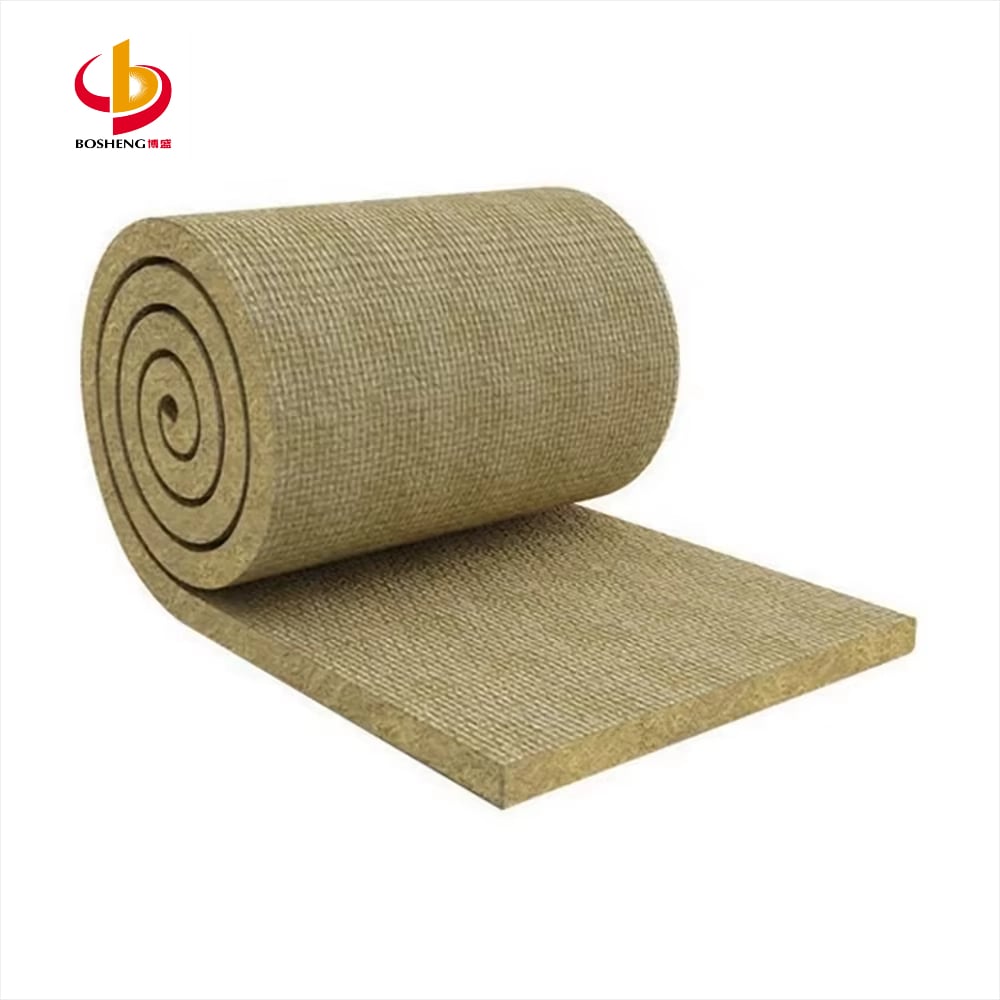
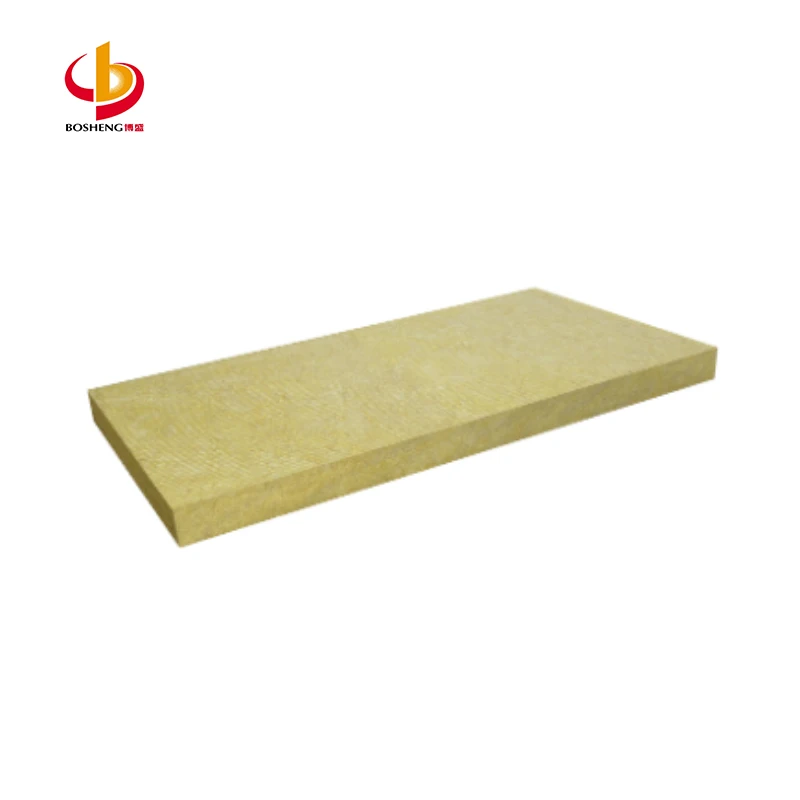
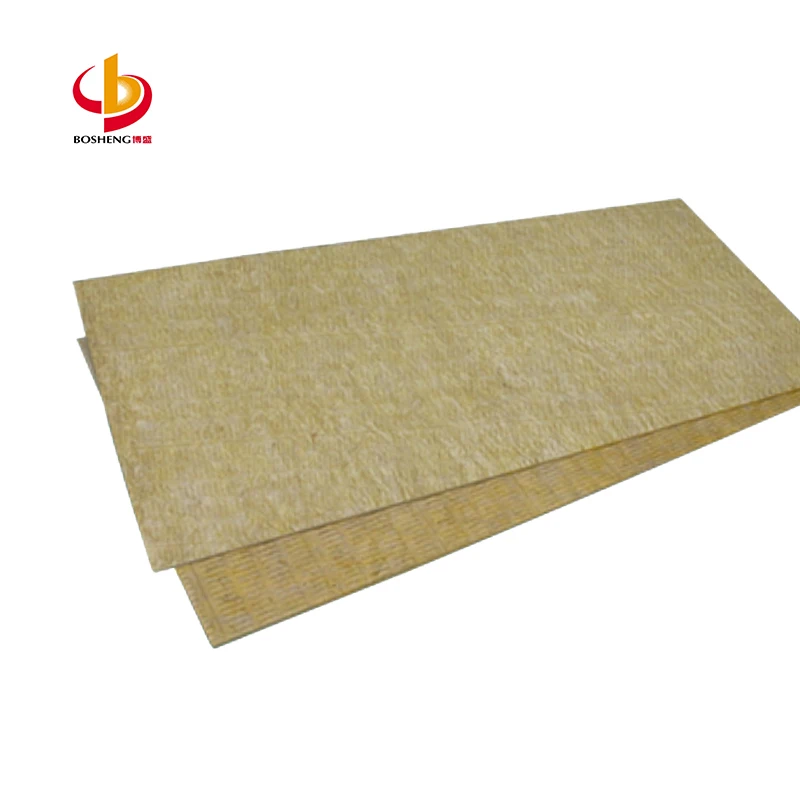
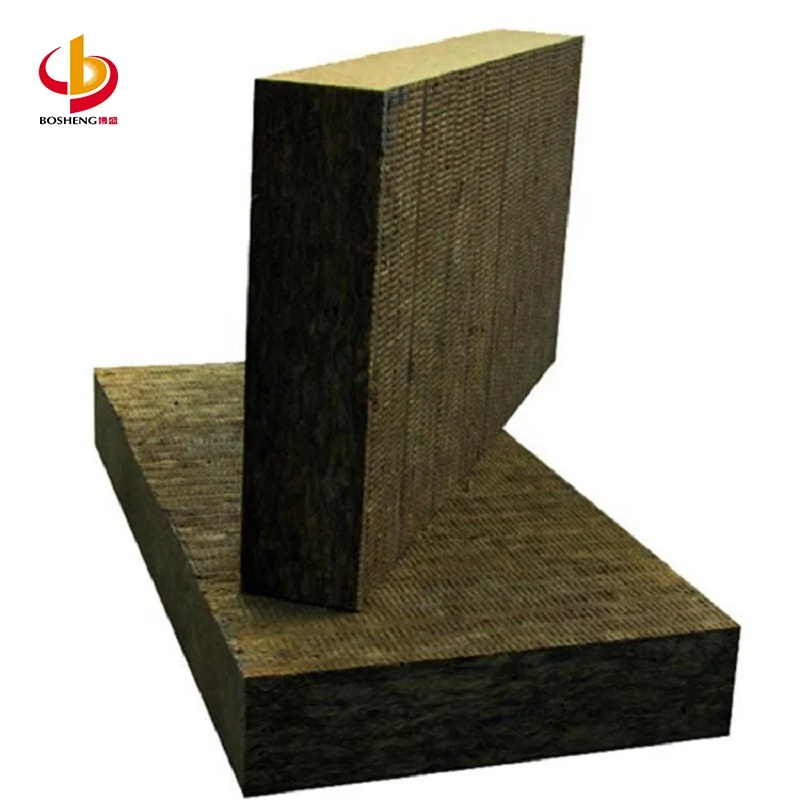
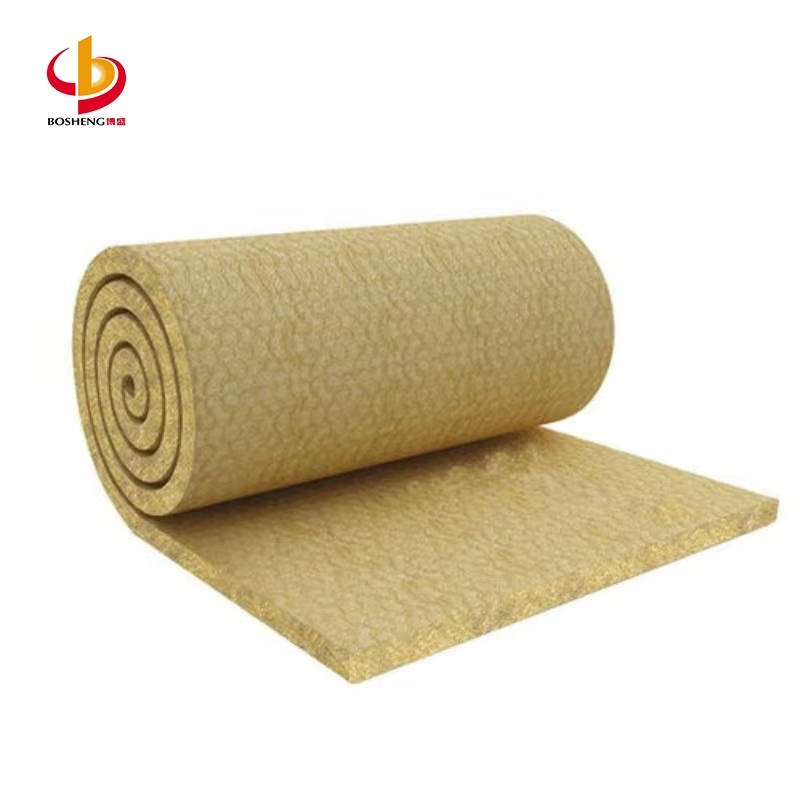
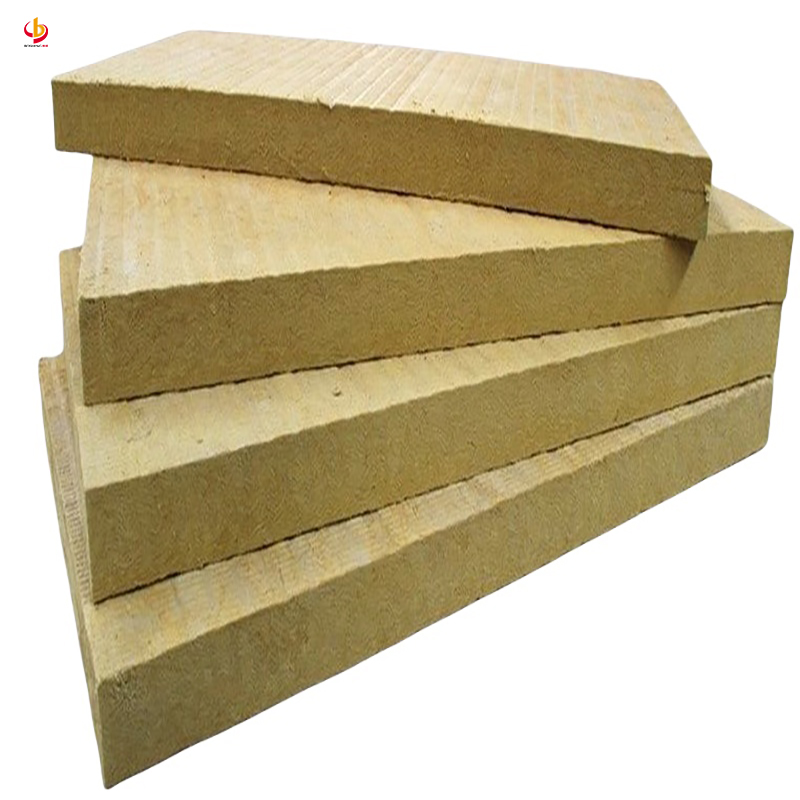
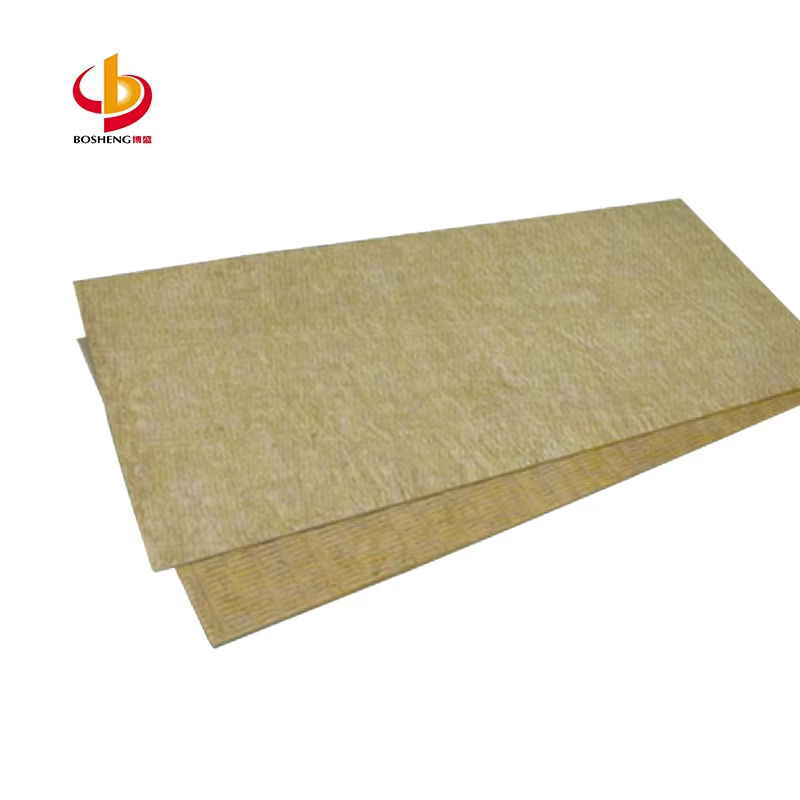
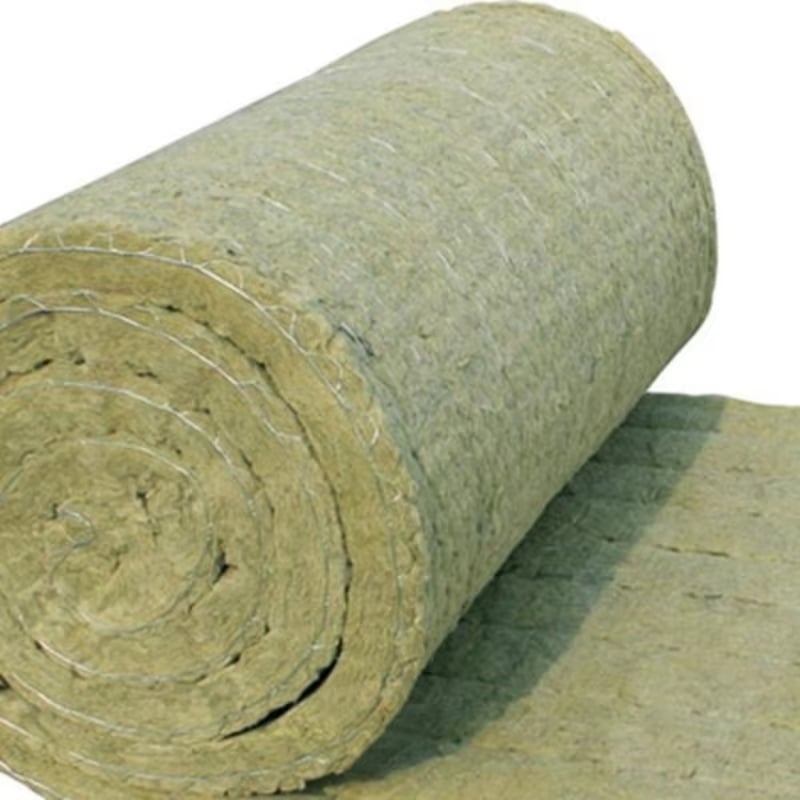
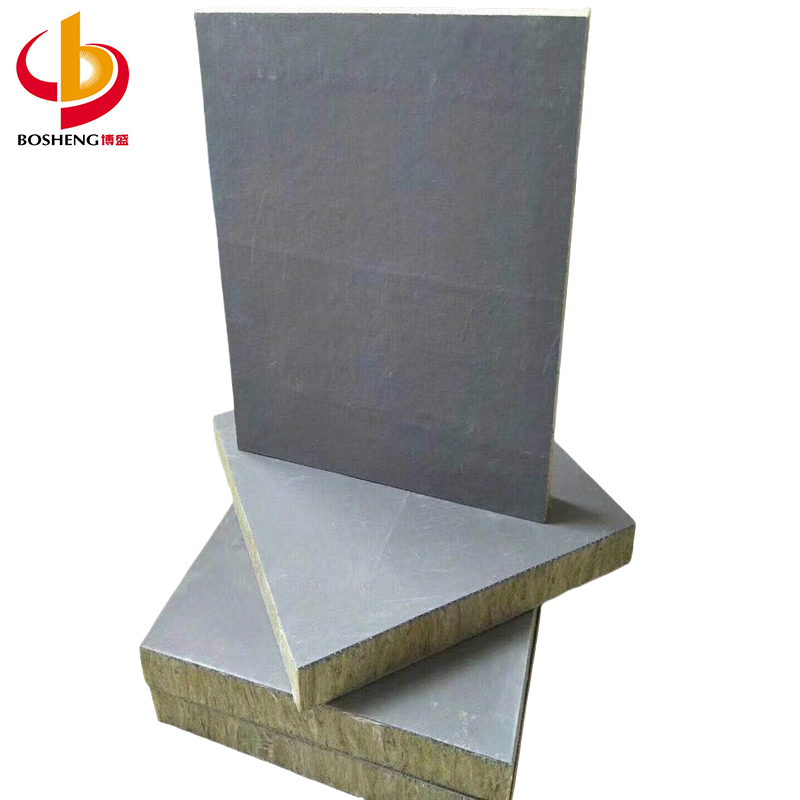
ASTM standard rock wool is a high-performance insulation material manufactured in accordance with rigorous American Society for Testing and Materials specifications, ensuring consistent quality and reliability for commercial and industrial applications. This mineral fiber insulation is produced by melting natural rock or slag at extremely high temperatures and spinning the molten material into fine fibers, which are then bonded together to create a dense, durable insulation product. The primary functions of ASTM standard rock wool include superior thermal insulation to reduce energy consumption, exceptional fire resistance with melting points exceeding 1000 degrees Celsius, and effective acoustic dampening to minimize noise transmission in buildings and industrial facilities. Technological features encompass non-combustible composition that meets stringent fire safety codes, hydrophobic treatment that repels moisture while allowing vapor permeability, and dimensional stability that maintains performance throughout the service life. The material exhibits excellent compressive strength, resisting deformation under load while maintaining its insulating properties. Applications for ASTM standard rock wool span diverse sectors including commercial building envelope insulation, industrial process equipment protection, fire-rated wall and floor assemblies, HVAC system insulation, and marine applications where fire safety is paramount. The product is available in various forms including batts, boards, pipe sections, and loose-fill, accommodating different installation requirements and structural configurations. Its compliance with ASTM standards ensures that specifiers, contractors, and building owners can rely on verified performance characteristics and consistent material properties across different production batches and suppliers.

New Products

Choosing ASTM standard rock wool delivers substantial value through proven performance that directly impacts operational costs and building longevity. The exceptional thermal efficiency reduces heating and cooling expenses by creating an effective barrier against heat transfer, translating to lower utility bills and faster return on investment for property owners. This energy-saving capability becomes particularly valuable in climates with extreme temperatures where maintaining comfortable interior conditions demands significant HVAC system operation. The fire-resistant nature of ASTM standard rock wool provides critical life safety benefits, as the material does not ignite, spread flames, or emit toxic smoke when exposed to fire, potentially providing occupants with additional evacuation time and protecting structural integrity during fire events. This fire performance eliminates the need for additional fire-resistant treatments or protective layers, simplifying construction details and reducing overall project costs. Moisture resistance ensures that ASTM standard rock wool maintains its insulating effectiveness even in humid environments, preventing the degradation and mold growth that compromise other insulation types, thereby extending service life and reducing maintenance requirements. The sound absorption properties create quieter, more comfortable spaces by reducing noise transmission between rooms and from external sources, enhancing productivity in office environments and privacy in residential settings. Installation versatility accommodates various construction methods and retrofit scenarios, with products designed for easy cutting, fitting, and securing without specialized tools or extensive labor. The dimensional stability means ASTM standard rock wool will not sag, settle, or compress over time, maintaining consistent R-values and eliminating the performance gaps that develop with inferior insulation materials. Environmental considerations include recyclable content and the absence of ozone-depleting substances, supporting green building initiatives and LEED certification goals while meeting increasingly stringent building codes and sustainability requirements.

Latest News

What to Consider When Choosing the Right Thickness for Blanket Rolls?

04

Mar

What to Consider When Choosing the Right Thickness for Blanket Rolls?

Selecting the appropriate thickness for blanket rolls is a critical decision that impacts both performance and cost-effectiveness in industrial applications. Whether you're working with insulation, soundproofing, or fire protection systems, understan...
View More
How to Choose the Right Rock Wool Insulation for Different Buildings

08

May

How to Choose the Right Rock Wool Insulation for Different Buildings

Selecting the appropriate rock wool insulation for a building project requires careful consideration of multiple technical, environmental, and structural factors. Rock wool insulation has become one of the most versatile thermal and acoustic insulati...
View More
What Are the Benefits of Using Rock Wool Cubes in Vertical Farms?

24

Jun

What Are the Benefits of Using Rock Wool Cubes in Vertical Farms?

Vertical farming has transformed modern agriculture by enabling year-round crop production in controlled indoor environments. At the heart of many successful vertical farm operations, rock wool cubes have emerged as one of the most reliable growing m...
View More
How to Properly Install Rock Wool Rolls in Walls and Roofs

24

Jun

How to Properly Install Rock Wool Rolls in Walls and Roofs

Installing insulation correctly is one of the most important decisions in any construction or renovation project, and rock wool rolls have become a preferred choice for both walls and roofs due to their outstanding thermal, acoustic, and fire-resista...
View More

Get a Free Quote

Our representative will contact you soon.
Email
Name
Company Name
Message
0/1000

ASTM standard rock wool

Superior Fire Safety Performance

Superior Fire Safety Performance

ASTM standard rock wool stands as one of the most fire-resistant insulation materials available in the construction industry, offering unparalleled protection for building occupants and property. The material is composed entirely of non-combustible mineral fibers with melting points exceeding 1000 degrees Celsius, meaning it will not ignite, contribute fuel to flames, or release toxic gases when exposed to fire conditions. This inherent fire resistance allows ASTM standard rock wool to maintain its structural integrity during fire events, continuing to provide a thermal barrier that slows heat transfer and helps contain fire spread within compartmentalized spaces. Building codes increasingly mandate fire-resistant construction materials, particularly in multi-family residential buildings, commercial high-rises, and industrial facilities where fire safety is paramount. By specifying ASTM standard rock wool, architects and engineers satisfy these stringent code requirements without additional fire-retardant treatments or protective membranes, simplifying construction details and reducing installation time. The fire performance has been verified through extensive testing protocols defined by ASTM standards, providing documented evidence of flame spread ratings, smoke development indices, and fire endurance classifications that satisfy insurance requirements and building official approvals. This proven fire safety creates peace of mind for property owners while potentially reducing insurance premiums through demonstrated risk mitigation.
Long-Term Thermal Efficiency

Long-Term Thermal Efficiency

ASTM standard rock wool delivers consistent thermal insulation performance that maintains effectiveness throughout decades of service, providing reliable energy savings that justify the initial material investment. The rigid fiber structure resists compression, sagging, and settling that plague many insulation alternatives, ensuring that the specified R-value remains constant rather than degrading over time as gaps and voids develop. This dimensional stability is particularly important in vertical applications such as wall cavities where gravitational forces can cause softer insulation materials to slump downward, creating uninsulated areas at the top of wall assemblies. The hydrophobic treatment applied to ASTM standard rock wool repels liquid water while remaining vapor permeable, preventing moisture accumulation that would otherwise reduce thermal resistance and promote mold growth. Even if the material becomes wet during construction or through unexpected water intrusion, it dries quickly and returns to full insulating capacity without permanent degradation. Temperature cycling does not affect the performance of ASTM standard rock wool, as the inorganic mineral composition remains chemically stable across the full range of temperatures encountered in building applications. This reliability means that energy modeling calculations performed during design accurately predict actual operating costs, eliminating the unpleasant surprises associated with insulation materials that fail to deliver promised performance in real-world conditions.
Versatile Application Compatibility

Versatile Application Compatibility

ASTM standard rock wool adapts to diverse construction scenarios and building types, offering flexibility that simplifies specification and accommodates both new construction and retrofit improvement projects. The material is manufactured in multiple formats including semi-rigid batts for stud wall cavities, rigid boards for continuous exterior insulation and roof assemblies, pipe sections for mechanical system insulation, and loose-fill for irregular spaces and hard-to-reach areas. This product variety ensures that designers can specify ASTM standard rock wool throughout an entire building envelope, creating a comprehensive thermal and fire barrier using a single material system rather than coordinating multiple product types. The semi-rigid nature of batt products allows friction-fitting between framing members without mechanical fasteners in many applications, accelerating installation while maintaining proper contact with surrounding surfaces. Board products accept various exterior cladding systems and can be scored and snapped for efficient cutting on site, reducing waste and labor costs. ASTM standard rock wool accommodates irregular shapes and penetrations through simple cutting and fitting, ensuring complete coverage around electrical boxes, pipes, and structural elements where thermal bridges might otherwise compromise building performance. Compatibility with various construction methods including wood framing, steel studs, concrete, and masonry allows specification across diverse project types from residential homes to industrial facilities, creating economies of scale for contractors who can develop expertise with a single insulation material applicable to their full project portfolio.

Get a Free Quote

Our representative will contact you soon.
Email
Name
Company Name
Message
0/1000