
 EN
EN



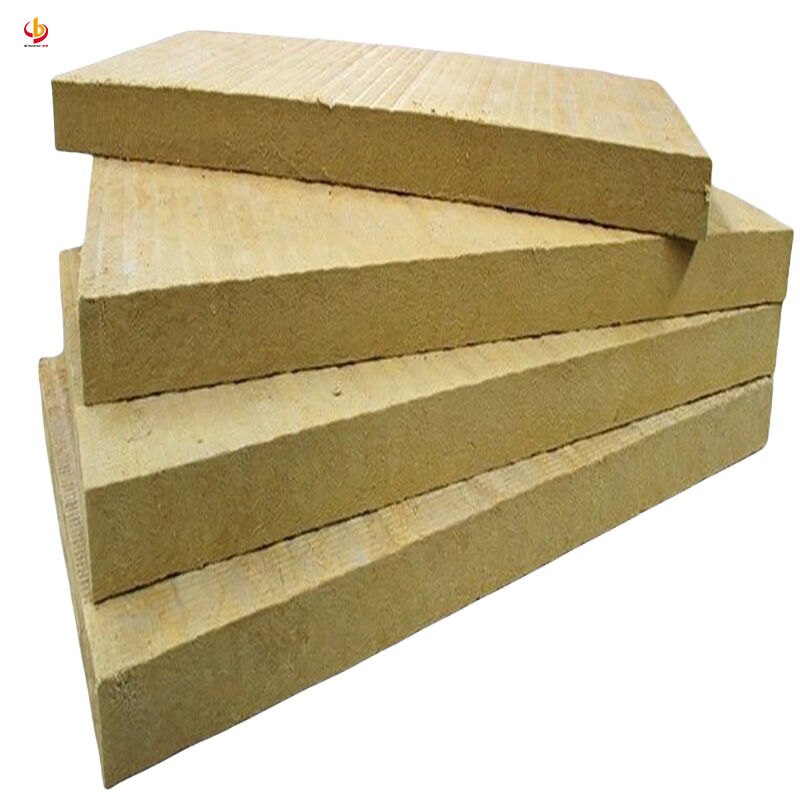
Selecting the appropriate rock wool insulation for a building project requires careful consideration of multiple technical, environmental, and structural factors. Rock wool insulation has become one of the most versatile thermal and acoustic insulation materials in modern construction, offering fire resistance, soundproofing capabilities, and excellent thermal performance across residential, commercial, and industrial applications. However, not all rock wool insulation products deliver the same performance characteristics, and choosing the wrong specification can lead to inadequate thermal protection, moisture problems, or unnecessary project costs. Understanding how to match rock wool insulation properties to specific building types, climatic conditions, and performance requirements is essential for architects, engineers, and building owners who want to optimize energy efficiency while maintaining structural integrity and occupant comfort.
The process of choosing rock wool insulation extends beyond simply selecting a product with adequate thermal resistance. Building professionals must evaluate density specifications, vapor permeability characteristics, compressive strength requirements, and fire rating classifications while considering installation methods, budget constraints, and long-term maintenance implications. Different building types present unique challenges that demand tailored insulation solutions—what works effectively in a high-rise office tower may prove inadequate for an industrial warehouse or residential home. This comprehensive guide explores the critical decision factors that influence rock wool insulation selection across various building categories, providing practical frameworks for matching product specifications to real-world construction scenarios and performance objectives.
Understanding Rock Wool Insulation Properties and Performance Metrics
Thermal Resistance Values and R-Value Requirements
Thermal resistance, measured as R-value, represents the most fundamental performance metric when selecting rock wool insulation for any building application. The R-value indicates how effectively the insulation material resists heat flow, with higher values providing superior thermal protection. Rock wool insulation typically offers R-values ranging from R-3 to R-4.2 per inch of thickness, depending on density and manufacturing processes. For residential buildings in moderate climates, wall assemblies generally require R-13 to R-21, while ceiling applications often demand R-30 to R-60 to prevent heat loss through the roof. Commercial buildings with higher internal heat loads may require different specifications based on HVAC system design and energy code compliance requirements.
When evaluating thermal performance for specific building types, professionals must consider not only the static R-value but also how rock wool insulation maintains its thermal resistance under varying conditions. Unlike some foam insulation products, rock wool insulation retains consistent thermal performance across temperature fluctuations and does not experience thermal drift over time. This stability makes it particularly valuable for buildings exposed to extreme temperature variations or those requiring long-term performance guarantees. Industrial facilities with process heat exposure or cold storage warehouses benefit significantly from this thermal stability, as the insulation continues performing reliably even when subjected to temperatures ranging from negative 40 degrees to positive 1200 degrees Fahrenheit.
Density Classification and Structural Considerations
Rock wool insulation products are manufactured in various density classifications, typically ranging from 40 kg/m³ to 200 kg/m³, with each density range suited to specific structural applications and performance requirements. Lower-density rock wool insulation, generally between 40-60 kg/m³, provides excellent thermal and acoustic properties for non-load-bearing applications such as interior partition walls and ceiling cavities. Medium-density products, ranging from 80-120 kg/m³, offer enhanced compressive strength suitable for exterior wall assemblies and applications requiring greater dimensional stability. High-density rock wool insulation above 140 kg/m³ delivers superior compressive resistance necessary for applications involving mechanical loads, such as beneath roofing membranes or in plaza deck assemblies where the insulation must support foot traffic or landscaping features.
The selection of appropriate density directly impacts installation feasibility, structural integration, and long-term performance in different building types. Residential wood-frame construction typically utilizes lower to medium-density rock wool insulation batts or boards that compress slightly for friction-fit installation between studs and joists. Commercial steel-frame buildings often require medium-density products that maintain dimensional stability when installed vertically in curtain wall assemblies or exterior cladding systems. Industrial buildings with exposed insulation or applications subject to vibration benefit from higher-density rock wool insulation that resists settling and maintains consistent coverage over decades of service. Understanding these density-related performance characteristics enables building professionals to specify products that balance thermal efficiency with structural requirements and installation practicality.
Fire Resistance and Safety Performance
One of the most distinctive advantages of rock wool insulation compared to alternative insulation materials involves its exceptional fire resistance characteristics. Manufactured from natural volcanic rock and recycled steel slag melted at temperatures exceeding 2900 degrees Fahrenheit, rock wool insulation is inherently non-combustible and can withstand direct flame exposure without melting, dripping, or releasing toxic fumes. This fire performance makes it invaluable for buildings where occupant safety and property protection are paramount concerns, including high-rise residential towers, healthcare facilities, educational institutions, and industrial plants handling flammable materials. Fire-rated wall and floor assemblies often specify rock wool insulation as a critical component achieving one-hour, two-hour, or even four-hour fire resistance ratings.
When choosing rock wool insulation for buildings with specific fire safety requirements, professionals must verify that products carry appropriate testing certifications and comply with relevant building codes. Different jurisdictions enforce varying fire safety standards, with some requiring specific flame spread and smoke development ratings certified through standardized testing protocols. Rock wool insulation typically achieves flame spread ratings below 25 and smoke development ratings below 50 when tested according to ASTM E84 standards, classifying it as a Class A building material. For buildings requiring enhanced fire compartmentalization, such as multi-family residential structures or mixed-use developments, specifying rock wool insulation in fire-rated assemblies provides both code compliance and genuine life-safety benefits that justify potential cost premiums over less fire-resistant alternatives.
Matching Rock Wool Insulation to Residential Building Requirements
Single-Family Home Applications and Specifications
Single-family residential construction presents distinct insulation requirements that differ significantly from multi-family or commercial applications, primarily due to construction methods, occupancy patterns, and budget considerations. Most single-family homes utilize wood-frame construction with standard stud spacing of 16 or 24 inches on center, creating cavity spaces ideally suited for batt or board-style rock wool insulation. For exterior walls, semi-rigid rock wool insulation batts designed specifically for residential framing provide excellent thermal performance while allowing straightforward installation by framing contractors. These products typically feature friction-fit characteristics that hold them securely within wall cavities without additional fastening, reducing installation time and labor costs compared to blanket insulation requiring stapling or wire supports.
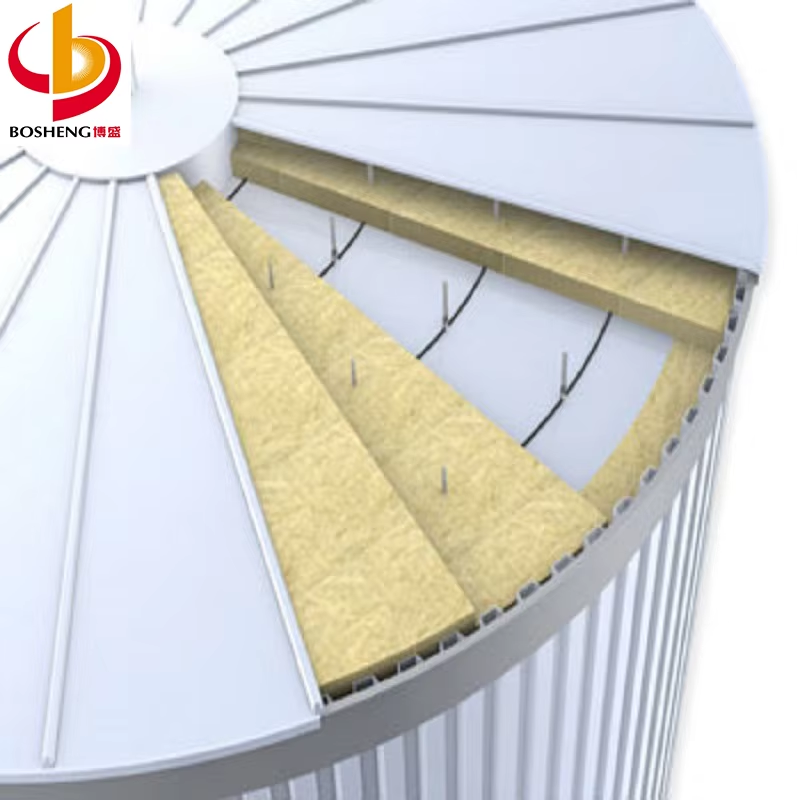
When selecting rock wool insulation for single-family homes, building professionals should consider regional climate conditions, local energy code requirements, and homeowner budget constraints while optimizing for long-term energy savings. In northern climates with severe heating requirements, specifying rock wool insulation with higher R-values in wall, ceiling, and foundation assemblies delivers substantial energy cost reductions that justify initial investment premiums. In southern climates where cooling loads dominate, combining moderate R-value rock wool insulation with proper air sealing and ventilation strategies often provides more cost-effective performance than maximizing insulation thickness alone. Additionally, homeowners increasingly value the acoustic privacy benefits that rock wool insulation provides between interior rooms and floors, making it particularly attractive for home theaters, music rooms, or bedrooms adjacent to noisy common areas.
Multi-Family and High-Rise Residential Considerations
Multi-family residential buildings and high-rise apartment towers introduce significantly more complex insulation requirements driven by fire safety regulations, acoustic isolation demands, and diverse construction assembly types. Building codes typically mandate enhanced fire-rated assemblies between dwelling units and along egress corridors, making rock wool insulation an essential component in achieving required fire resistance ratings. Floor-ceiling assemblies separating residential units must simultaneously address impact noise transmission, airborne sound isolation, and thermal separation in mixed-use buildings where commercial spaces occupy lower floors. Rock wool insulation products designed specifically for multi-family applications often feature higher densities and specialized facings that optimize both acoustic performance and fire resistance within a single product solution.
High-rise residential construction frequently employs steel-frame or concrete structural systems with exterior curtain wall assemblies where rock wool insulation performs multiple critical functions. In these applications, insulation boards must maintain dimensional stability when installed vertically over many stories, resist wind-washing effects that compromise thermal performance, and accommodate differential movement between structural frames and cladding systems. Mineral fiber boards with specialized water-repellent treatments provide excellent performance in rainscreen wall assemblies common in high-rise construction, allowing water vapor to escape while preventing liquid water infiltration. The selection process for these applications requires coordination between architects, structural engineers, facade consultants, and insulation specialists to ensure compatibility with waterproofing systems, air barriers, and cladding attachment methods while meeting stringent energy code requirements for high-performance building envelopes.
Renovation and Retrofit Applications
Existing residential buildings undergoing energy efficiency upgrades or comprehensive renovations present unique challenges that often make rock wool insulation an ideal retrofit solution. Many older homes suffer from inadequate or deteriorated insulation that no longer provides effective thermal protection, leading to excessive energy consumption and comfort problems. Rock wool insulation products designed for retrofit applications include semi-rigid boards that can be installed over existing wall sheathing as continuous exterior insulation, eliminating thermal bridging through framing members while leaving interior finishes undisturbed. This approach proves particularly valuable in historic preservation projects where interior character features must remain intact while achieving modern energy performance standards.
Interior retrofit applications benefit from rock wool insulation's ability to fill irregular cavities and conform to existing framing irregularities without creating gaps or compression zones that reduce thermal effectiveness. Loose-fill rock wool insulation products allow dense-packing into enclosed wall cavities through small access holes, providing substantial thermal improvement without extensive demolition and reconstruction. When selecting rock wool insulation for renovation projects, professionals must assess existing moisture conditions, ventilation adequacy, and potential condensation risks that may not have affected original construction but could create problems when insulation levels increase significantly. Proper evaluation of existing building assemblies ensures that retrofit insulation improves performance without inadvertently creating moisture accumulation or hidden deterioration issues that compromise long-term building durability.
Commercial Building Insulation Selection Criteria
Office Buildings and Corporate Facilities
Office buildings and corporate facilities demand insulation solutions that balance energy efficiency with acoustic comfort, air quality considerations, and long-term operational costs. Modern office construction increasingly emphasizes open floor plans and glass-dominant facades that create thermal management challenges requiring high-performance insulation strategies. Rock wool insulation in curtain wall assemblies provides essential thermal resistance while accommodating the complex detailing required around vision glass, spandrel panels, and structural attachments. For buildings pursuing LEED certification or other green building credentials, rock wool insulation contributes to multiple rating categories including energy performance, sustainable materials content with high recycled content percentages, and indoor environmental quality through its inherent resistance to mold growth and absence of formaldehyde or other volatile organic compound emissions.
The acoustic performance of rock wool insulation becomes particularly valuable in office environments where speech privacy and concentration depend on effective sound isolation between meeting rooms, private offices, and open work areas. Interior partition walls utilizing steel studs and gypsum board achieve significantly improved Sound Transmission Class ratings when cavity spaces contain medium-density rock wool insulation rather than remaining empty or filled with lower-performing insulation materials. Ceiling plenums in office buildings benefit from rock wool insulation's dual function as both thermal barrier and acoustic absorber, reducing noise transmission between floors while controlling HVAC system energy losses. When specifying rock wool insulation for office buildings, professionals should coordinate with mechanical engineers to ensure insulation strategies complement variable air volume systems, radiant heating and cooling installations, or other advanced HVAC technologies increasingly common in high-performance commercial construction.
Retail and Hospitality Buildings
Retail stores and hospitality facilities present distinctive insulation requirements influenced by high internal heat loads, extended operating hours, and occupant comfort expectations that directly impact business success. Large retail buildings with expansive roof areas experience significant thermal gains during summer months and substantial heat loss during winter, making roof insulation selection critical to overall building energy performance. Rock wool insulation boards designed for commercial roofing applications provide excellent compressive strength to support roofing membranes and traffic loads while delivering consistent thermal resistance across seasonal temperature variations. The fire resistance of rock wool insulation proves especially valuable in retail applications where building codes often require enhanced fire protection due to high occupancy loads and complex egress requirements.
Hotels, restaurants, and other hospitality facilities benefit substantially from the acoustic isolation properties of rock wool insulation in guest room corridors, party walls between rooms, and floor-ceiling assemblies. Guest satisfaction directly correlates with acoustic privacy, making sound control investments essential to competitive positioning and positive reviews. Rock wool insulation in hospitality applications often specifies higher densities and greater thicknesses than minimum code requirements to achieve acoustic performance levels that meet brand standards rather than merely code minimums. Kitchen exhaust systems, mechanical rooms, and back-of-house operational areas require robust insulation solutions that withstand elevated temperatures and provide fire protection, applications where rock wool insulation's inherent temperature resistance and non-combustible characteristics deliver superior long-term reliability compared to foam plastic alternatives that may degrade when exposed to heat or require costly fire-rated coverings.
Healthcare and Educational Institutions
Healthcare facilities and educational institutions impose some of the most demanding insulation performance requirements across the commercial building sector, combining energy efficiency mandates with stringent indoor environmental quality standards and life-safety considerations. Hospitals, medical clinics, and surgical centers must maintain precise temperature and humidity control while preventing moisture accumulation that could promote microbial growth in wall and ceiling assemblies. Rock wool insulation's inherent resistance to mold and mildew growth, combined with its vapor permeability that allows moisture to escape rather than accumulate, makes it particularly well-suited for healthcare applications. Operating rooms, intensive care units, and patient recovery areas benefit from the acoustic absorption properties of rock wool insulation, reducing stress-inducing noise levels that can negatively impact healing processes and staff performance.
Educational facilities from elementary schools through university buildings require insulation solutions that prioritize occupant safety, acoustic comfort for learning environments, and long-term durability under intensive use. Classroom walls incorporating rock wool insulation achieve substantially better sound isolation than alternatives, reducing noise distractions from adjacent spaces that interfere with teaching effectiveness and student concentration. The non-combustible nature of rock wool insulation provides critical fire safety protection for buildings housing children and young adults, with building codes typically mandating Class A interior finish materials and fire-rated assemblies throughout educational facilities. When selecting rock wool insulation for schools and universities, facility planners should consider products with environmental certifications and low-emitting material credentials that contribute to healthy indoor air quality while supporting institutional sustainability goals increasingly important to educational missions and community expectations.
Industrial and Specialized Building Applications
Manufacturing Facilities and Process Buildings
Industrial manufacturing facilities present extreme insulation challenges that often exceed the performance capabilities of conventional insulation materials, making rock wool insulation the preferred solution for process buildings, equipment enclosures, and high-temperature applications. Food processing plants, chemical manufacturing facilities, and metal fabrication shops commonly generate substantial internal heat loads or require process temperature control that demands insulation products capable of withstanding elevated temperatures without degradation. Rock wool insulation maintains its structural integrity and thermal performance when exposed to continuous temperatures up to 1200 degrees Fahrenheit, far exceeding the temperature limits of foam plastic insulation products that begin softening or melting at temperatures as low as 165 degrees Fahrenheit. This temperature resistance allows direct application to industrial equipment, process piping, and building assemblies adjacent to heat-generating operations without requiring expensive thermal barriers or standoff installations.
Metal building systems commonly used for manufacturing facilities benefit significantly from rock wool insulation's compatibility with standing seam roof panels and corrugated wall systems. Continuous insulation boards installed over structural framing eliminate thermal bridging through metal members while providing weather protection during construction before exterior cladding installation. The vapor permeability of rock wool insulation proves particularly valuable in metal buildings where interior humidity from processes or occupants can migrate toward cold exterior surfaces, creating condensation risks that rigid foam insulation may exacerbate by trapping moisture. When specifying rock wool insulation for industrial buildings, engineers should evaluate potential exposure to chemicals, oils, or other substances that might affect insulation performance, selecting products with appropriate facings or protective treatments that extend service life in challenging environments.
Cold Storage and Refrigerated Warehouses
Cold storage facilities and refrigerated warehouses impose unique insulation requirements driven by extreme temperature differentials, moisture control imperatives, and structural loading considerations that distinguish them from conventional building applications. These facilities typically maintain interior temperatures ranging from 35 degrees Fahrenheit for cooler spaces to negative 20 degrees Fahrenheit or below for frozen storage, creating substantial thermal gradients across building envelopes that demand high R-value insulation systems. Rock wool insulation boards in high-density configurations provide excellent thermal resistance while supporting the structural loads imposed by insulated metal panels, refrigeration equipment, and racking systems common in cold storage construction. The dimensional stability of rock wool insulation prevents sagging or settlement over time, maintaining consistent thermal performance throughout the facility's service life without requiring replacement or augmentation.
Vapor control becomes critically important in refrigerated facility design, as warm, humid air infiltrating from exterior or adjacent spaces will condense within building assemblies, potentially saturating insulation and compromising thermal effectiveness. Rock wool insulation systems for cold storage applications typically incorporate vapor retarder facings positioned on the warm side of the insulation to prevent moisture migration while allowing any incidental moisture to dry toward the interior. The fire resistance of rock wool insulation provides valuable protection for cold storage facilities where building codes often require enhanced fire safety measures due to large undivided areas and limited egress options. When selecting rock wool insulation for refrigerated applications, designers must coordinate insulation thickness, vapor control strategies, and structural support requirements with refrigeration engineers and cold storage operators to ensure the building envelope supports efficient temperature maintenance while preventing costly moisture damage or premature system failure.
Data Centers and Technology Infrastructure
Data centers and technology infrastructure buildings represent a rapidly growing building category with extraordinary thermal management requirements and reliability expectations that make rock wool insulation selection particularly critical. These facilities house electronic equipment generating intense heat loads that require continuous cooling, making thermal envelope performance directly impact operational energy costs and equipment reliability. Exterior wall and roof assemblies in data centers benefit from high R-value rock wool insulation that minimizes heat gain during summer months while reducing heat loss during winter, allowing HVAC systems to focus capacity on managing internal heat loads rather than compensating for envelope deficiencies. The fire resistance of rock wool insulation becomes especially valuable in data centers where equipment represents substantial capital investment and business continuity depends on preventing fire propagation between fire-rated compartments.
Acoustic control represents another important consideration for data center design, as cooling equipment, backup generators, and uninterruptible power supplies generate substantial noise that may violate community noise ordinances or disturb adjacent occupancies. Exterior wall assemblies incorporating rock wool insulation provide effective sound attenuation, reducing equipment noise transmission to surrounding areas without requiring separate acoustic barrier systems. Interior applications of rock wool insulation in equipment room partitions and ceiling assemblies help contain noise within specific zones while providing fire-rated separations between critical infrastructure components. When specifying rock wool insulation for data centers, facility designers should coordinate with IT infrastructure planners, mechanical engineers, and operations personnel to ensure insulation strategies support redundancy requirements, accommodate future expansion, and maintain the environmental stability essential to reliable technology operations that increasingly underpin modern economic activity across virtually all business sectors.
FAQ
What thickness of rock wool insulation should I specify for walls in different climate zones?
The appropriate thickness of rock wool insulation for wall assemblies varies significantly based on climate zone, building type, and energy code requirements. In cold northern climates corresponding to IECC zones 6-8, exterior walls typically require R-20 to R-30 insulation values, translating to approximately 5 to 7 inches of rock wool insulation depending on product density and thermal conductivity. Moderate climate zones 3-5 generally require R-13 to R-20 for wall assemblies, achievable with 3.5 to 5 inches of rock wool insulation in standard stud framing. Southern climate zones 1-2 with predominantly cooling loads typically specify R-13 to R-15, requiring approximately 3.5 to 4 inches of insulation thickness. Beyond minimum code compliance, high-performance buildings pursuing net-zero energy or passive house standards often specify continuous exterior rock wool insulation layers of 2 to 4 inches supplementing cavity insulation, substantially reducing thermal bridging and improving overall wall assembly performance regardless of climate zone.
How does rock wool insulation compare to fiberglass or spray foam for commercial buildings?
Rock wool insulation offers several distinct advantages over fiberglass and spray foam alternatives specifically relevant to commercial building applications. Compared to fiberglass, rock wool insulation provides superior fire resistance with a melting point exceeding 2000 degrees Fahrenheit versus approximately 1000 degrees for fiberglass, making it preferable for fire-rated assemblies and buildings with stringent life-safety requirements. Rock wool insulation also delivers better acoustic performance due to its denser structure and random fiber orientation, providing Sound Transmission Class ratings typically 5 to 10 points higher than equivalent fiberglass products. Relative to spray foam insulation, rock wool insulation offers advantages in vapor permeability, allowing moisture to escape from wall assemblies rather than trapping it as closed-cell foam can, reducing hidden moisture damage risks in commercial buildings with complex mechanical systems and high interior humidity loads. The inherent non-combustibility of rock wool insulation eliminates requirements for thermal barriers or ignition-resistant coatings that building codes mandate for exposed spray foam installations, reducing installation complexity and cost in commercial applications.
Can rock wool insulation be used in exterior continuous insulation applications?
Yes, specifically formulated rock wool insulation boards are extensively used as continuous exterior insulation in both commercial and residential construction, providing excellent thermal performance while accommodating various cladding systems. Rigid rock wool insulation boards designed for continuous insulation applications feature sufficient compressive strength to support typical exterior cladding materials including vinyl siding, fiber cement boards, brick veneer, and metal panels when installed according to manufacturer fastening specifications. These products typically incorporate water-repellent treatments that prevent bulk water absorption while maintaining vapor permeability, making them compatible with drainage plane and rainscreen wall assemblies common in modern building envelope design. Continuous exterior rock wool insulation effectively eliminates thermal bridging through structural framing members, potentially improving whole-wall R-values by 20 to 40 percent compared to cavity-only insulation approaches. Building professionals should verify that selected rock wool insulation products carry appropriate approval reports for intended cladding systems and climate exposures, ensuring compatibility with air barriers, weather-resistive barriers, and attachment methods specified for the complete wall assembly.
What special considerations apply when selecting rock wool insulation for renovation projects?
Renovation and retrofit projects require careful assessment of existing building conditions before selecting rock wool insulation to avoid creating unintended moisture problems or compatibility issues with existing materials. Prior to specifying additional insulation, building professionals should evaluate existing wall and roof assemblies for moisture damage, verify adequate ventilation in attic and crawl space areas, and assess whether existing vapor control measures remain appropriate when insulation levels increase significantly. In older buildings constructed before widespread insulation use, adding rock wool insulation to exterior walls may shift the condensation plane within the assembly, potentially creating moisture accumulation at the interface between old and new materials if vapor control measures are inadequate. Historic buildings with unique construction methods or materials may require specialized rock wool insulation approaches that preserve character-defining features while achieving energy efficiency improvements, often involving exterior insulation strategies that leave interior historic finishes undisturbed. Renovation projects should also consider whether existing structural framing can support additional weight from dense rock wool insulation products, particularly in roof applications where older framing may have limited capacity for increased dead loads beyond original design assumptions.
Table of Contents
- Understanding Rock Wool Insulation Properties and Performance Metrics
- Matching Rock Wool Insulation to Residential Building Requirements
- Commercial Building Insulation Selection Criteria
- Industrial and Specialized Building Applications
-
FAQ
- What thickness of rock wool insulation should I specify for walls in different climate zones?
- How does rock wool insulation compare to fiberglass or spray foam for commercial buildings?
- Can rock wool insulation be used in exterior continuous insulation applications?
- What special considerations apply when selecting rock wool insulation for renovation projects?