
 EN
EN



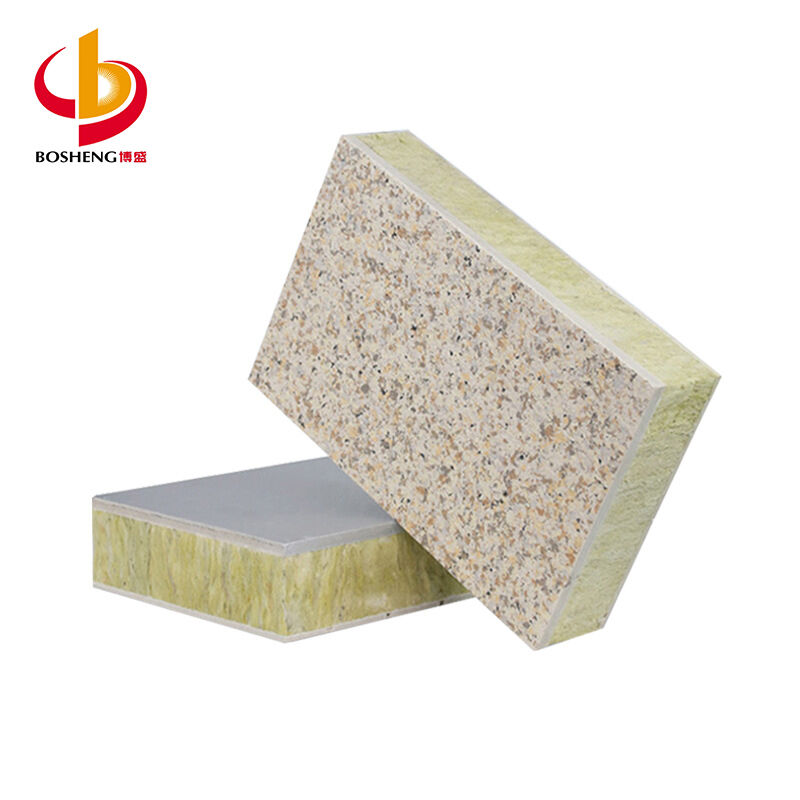
Waterproof insulation rock wool has emerged as a critical material across diverse industrial and commercial applications where moisture resistance meets thermal performance requirements. This specialized insulation combines the natural fire resistance and thermal efficiency of traditional rock wool with advanced waterproofing technologies, creating a versatile solution for challenging environments. Understanding the breadth of waterproof insulation rock wool applications reveals why this material has become indispensable in modern construction, industrial processing, and infrastructure projects.
The versatility of waterproof insulation rock wool stems from its unique dual functionality, providing both thermal regulation and moisture protection in a single material. From marine environments to underground installations, from food processing facilities to chemical plants, this advanced insulation material addresses complex challenges that traditional materials cannot handle effectively. The growing adoption across multiple sectors demonstrates the significant value proposition that waterproof insulation rock wool delivers in terms of performance, longevity, and operational efficiency.
Industrial Processing and Manufacturing Applications
Chemical and Petrochemical Industry Implementation
In chemical processing facilities, waterproof insulation rock wool serves as a critical component for maintaining process temperatures while preventing moisture infiltration that could compromise safety and efficiency. Chemical reactors, distillation columns, and storage tanks require insulation materials that can withstand both high temperatures and corrosive moisture conditions. The waterproof properties prevent condensation buildup that could lead to corrosion of underlying metal surfaces, while the rock wool core maintains consistent thermal performance even in humid environments.
Petrochemical refineries utilize waterproof insulation rock wool for pipeline insulation, particularly in areas where atmospheric moisture or process condensation presents challenges. The material's resistance to both water penetration and chemical exposure makes it suitable for protecting crude oil processing equipment, hydrocarbon storage systems, and gas separation units. This application ensures continuous operation while minimizing energy losses and preventing costly equipment degradation.
Food and Beverage Processing Facilities
Food processing environments demand insulation materials that can handle frequent washdowns, steam cleaning, and high humidity conditions while maintaining sanitary standards. Waterproof insulation rock wool provides thermal efficiency for refrigeration systems, cooking equipment, and storage areas while resisting moisture absorption that could harbor bacterial growth. The material's closed-surface design prevents water penetration, making it ideal for applications requiring regular sanitization procedures.
Beverage production facilities, particularly breweries and dairy processing plants, benefit from waterproof insulation rock wool applications on fermentation tanks, pasteurization equipment, and cold storage systems. The material maintains consistent temperatures crucial for product quality while withstanding the moisture-rich environments typical in these operations. This dual functionality reduces both energy consumption and contamination risks, supporting both operational efficiency and food safety requirements.
Marine and Offshore Engineering Applications
Shipbuilding and Vessel Insulation
Marine vessels present unique challenges for insulation materials, requiring solutions that perform reliably in saltwater environments while meeting strict fire safety regulations. Waterproof insulation rock wool applications in shipbuilding include engine room insulation, cargo hold thermal barriers, and accommodation area temperature control systems. The material's inherent fire resistance combined with waterproof properties makes it particularly valuable for meeting International Maritime Organization safety standards.
Naval and commercial shipping applications utilize waterproof insulation rock wool for protecting sensitive equipment areas, fuel systems, and crew quarters from both temperature extremes and moisture infiltration. The material's stability in marine environments prevents degradation from salt spray and humidity, maintaining insulation performance throughout the vessel's operational life. This reliability is crucial for both safety and energy efficiency during extended voyages.
Offshore Platform Infrastructure
Offshore oil and gas platforms operate in some of the harshest environments on Earth, requiring insulation materials that can withstand continuous saltwater exposure, extreme weather conditions, and rigorous safety demands. Waterproof insulation rock wool applications on offshore platforms include process equipment insulation, living quarters thermal protection, and critical infrastructure components. The material's resistance to both fire and water makes it essential for maintaining operational safety and crew comfort in challenging marine conditions.
Wind energy platforms and floating renewable energy installations increasingly rely on waterproof insulation rock wool for transformer housings, control systems, and maintenance facilities. These applications require materials that maintain performance despite constant exposure to sea spray and variable weather conditions. The long-term stability of waterproof insulation rock wool reduces maintenance requirements and ensures consistent protection for sensitive electrical and mechanical systems.
Infrastructure and Construction Applications
Underground and Tunnel Systems
Underground infrastructure presents unique moisture challenges that traditional insulation materials cannot adequately address. Waterproof insulation rock wool applications in subway systems, utility tunnels, and underground parking structures provide thermal control while preventing groundwater infiltration and condensation problems. The material's resistance to both liquid water and water vapor makes it particularly effective for protecting mechanical systems, electrical equipment, and structural elements in below-grade environments.
District heating and cooling systems buried underground rely on waterproof insulation rock wool to maintain energy efficiency while preventing moisture-related degradation. These applications require insulation that can withstand soil moisture, groundwater exposure, and potential flooding events without losing thermal performance. The material's closed waterproof surface prevents water absorption while the rock wool core continues providing consistent thermal resistance over decades of service.
Bridge and Highway Infrastructure
Transportation infrastructure increasingly incorporates waterproof insulation rock wool in applications where freeze-thaw protection and moisture control are critical. Bridge deck heating systems, roadway snow-melting installations, and tunnel ventilation systems utilize this material to maintain consistent performance despite exposure to precipitation, road salt, and temperature cycling. The waterproof properties prevent moisture infiltration that could compromise both thermal performance and structural integrity.
Airport runway heating systems and aircraft hangar insulation applications benefit from waterproof insulation rock wool's ability to maintain performance in high-moisture environments while meeting aviation fire safety requirements. These installations require materials that can handle de-icing chemicals, jet fuel vapors, and extreme temperature variations without degradation. The dual protection offered by waterproof insulation rock wool ensures both operational reliability and safety compliance in critical aviation infrastructure.
HVAC and Building Systems Integration
Commercial Building Climate Control
Modern commercial buildings demand sophisticated HVAC systems that can maintain precise environmental control while minimizing energy consumption. Waterproof insulation rock wool applications in commercial HVAC systems include ductwork insulation, equipment housing protection, and rooftop unit thermal barriers. The material's moisture resistance prevents condensation problems that could lead to mold growth, indoor air quality issues, and system efficiency losses.
Data centers and clean rooms require particularly stringent environmental control, making waterproof insulation rock wool applications essential for maintaining stable conditions. These facilities utilize the material for computer room air conditioning units, raised floor systems, and equipment enclosures where both thermal performance and moisture control are critical. The material's ability to maintain consistent properties in controlled environments supports the reliability requirements of sensitive electronic equipment.
Industrial HVAC and Process Air Systems
Manufacturing facilities often require specialized air handling systems that must operate reliably in challenging conditions. Waterproof insulation rock wool applications in industrial HVAC systems include paint booth ventilation, chemical fume extraction, and process air conditioning where exposure to moisture, chemicals, and contaminants is common. The material's resistance to both water and many industrial chemicals ensures continued performance even in aggressive environments.
Pharmaceutical and biotechnology facilities utilize waterproof insulation rock wool for clean room air handling systems, biosafety cabinet installations, and controlled atmosphere storage areas. These applications require materials that can withstand frequent cleaning protocols, chemical disinfection, and high humidity conditions while maintaining precise temperature control. The waterproof surface prevents contamination absorption while the rock wool core provides stable thermal performance essential for regulatory compliance.
Specialized Industrial Applications
Power Generation and Energy Systems
Power generation facilities present demanding applications for waterproof insulation rock wool, particularly in steam systems, turbine housings, and cooling tower installations. Nuclear power plants utilize this material for reactor building insulation, steam generator protection, and containment system thermal barriers where both fire safety and moisture resistance are paramount. The material's nuclear-grade certifications combined with waterproof properties make it suitable for the most critical energy infrastructure applications.
Geothermal energy systems require insulation materials that can handle both high temperatures and ground moisture conditions. Waterproof insulation rock wool applications in geothermal installations include wellhead protection, steam pipeline insulation, and power plant equipment housing. The material's ability to maintain performance in contact with geothermal fluids and underground moisture makes it essential for efficient energy extraction and conversion processes.
Water and Wastewater Treatment
Water treatment facilities operate in inherently moist environments where traditional insulation materials often fail due to moisture absorption and degradation. Waterproof insulation rock wool applications in water treatment include pump housing insulation, pipe system protection, and treatment tank thermal barriers. The material's resistance to both chlorinated water and biological contaminants makes it particularly suitable for potable water and wastewater processing applications.
Desalination plants present extreme moisture challenges combined with corrosive saltwater exposure. Waterproof insulation rock wool applications in desalination facilities include evaporator insulation, brine handling system protection, and reverse osmosis equipment housing. The material's ability to resist both salt corrosion and moisture infiltration ensures consistent thermal performance in these challenging marine-based processing environments.
FAQ
What makes waterproof insulation rock wool different from standard rock wool insulation?
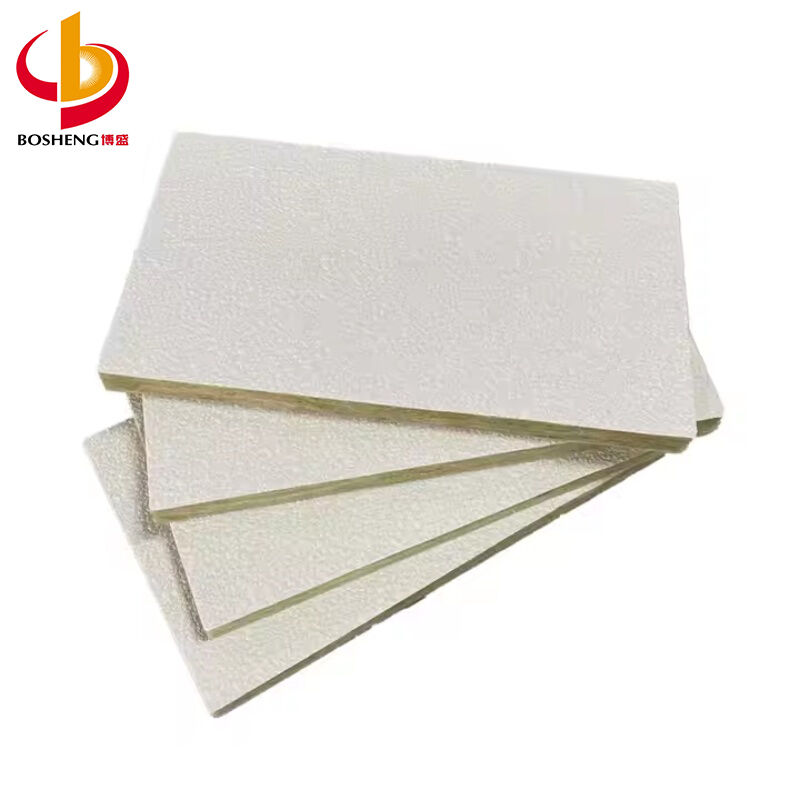
Waterproof insulation rock wool features specialized barrier layers or treatments that prevent water penetration while maintaining the thermal and fire-resistant properties of standard rock wool. This enhancement allows the material to perform reliably in moisture-rich environments where standard rock wool might absorb water and lose effectiveness. The waterproof layer typically consists of polymer films, metallic facings, or specialized coatings that create a moisture barrier while preserving the rock wool core's insulation properties.
Can waterproof insulation rock wool maintain its thermal performance when exposed to continuous moisture?
Yes, properly installed waterproof insulation rock wool maintains its thermal performance even under continuous moisture exposure because the waterproof barrier prevents water from reaching the rock wool core. Unlike traditional insulation materials that can lose significant thermal efficiency when wet, the protected rock wool fibers continue providing consistent R-values. However, proper installation and intact barrier systems are essential for maintaining this performance over time.
What industries benefit most from waterproof insulation rock wool applications?
Industries with high moisture environments combined with thermal control requirements benefit most from waterproof insulation rock wool applications. These include marine and offshore operations, chemical processing, food and beverage production, water treatment facilities, and underground infrastructure projects. Any application where both fire safety and moisture resistance are required simultaneously makes this material particularly valuable compared to alternative insulation options.
How does waterproof insulation rock wool compare to other moisture-resistant insulation materials?
Waterproof insulation rock wool offers superior fire resistance compared to foam-based moisture-resistant insulations while providing comparable thermal performance and moisture protection. Unlike plastic foam insulations, rock wool maintains its structural integrity at high temperatures and provides better acoustic insulation properties. The combination of fire safety, thermal efficiency, and moisture resistance in a single material often makes it more cost-effective than using multiple specialized materials for different protection requirements.
Table of Contents
- Industrial Processing and Manufacturing Applications
- Marine and Offshore Engineering Applications
- Infrastructure and Construction Applications
- HVAC and Building Systems Integration
- Specialized Industrial Applications
-
FAQ
- What makes waterproof insulation rock wool different from standard rock wool insulation?
- Can waterproof insulation rock wool maintain its thermal performance when exposed to continuous moisture?
- What industries benefit most from waterproof insulation rock wool applications?
- How does waterproof insulation rock wool compare to other moisture-resistant insulation materials?