
 EN
EN



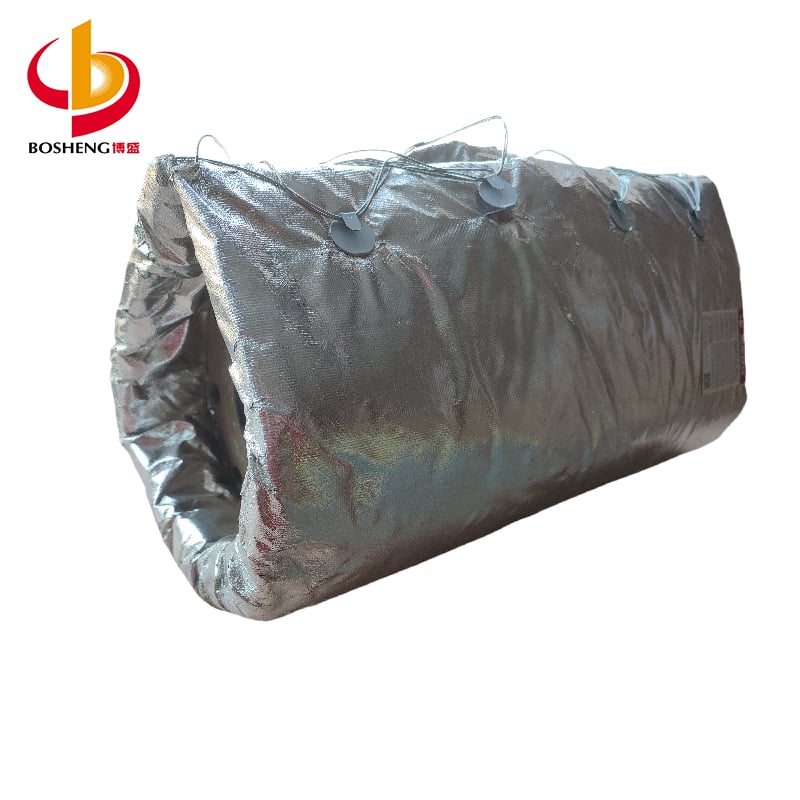
When engineers and procurement teams evaluate thermal insulation options for ships and offshore structures, marine rock wool board consistently stands out as the preferred solution. The demanding environment aboard a vessel — with constant vibration, salt air, moisture exposure, and extreme temperature differentials — requires insulation that can perform reliably under all these stresses. Marine rock wool board delivers on every one of those demands.
Marine rock wool board is manufactured from natural basalt and other volcanic rock through a high-temperature melting and fiber-spinning process. This origin gives marine rock wool board a uniquely dense, interlocked fiber structure that resists heat transfer while remaining dimensionally stable in the tough conditions found on ships. Understanding exactly what properties make marine rock wool board so well suited for vessel thermal insulation helps buyers make confident specification decisions.
Thermal and Fire Performance of Marine Rock Wool Board
Superior Heat Resistance for Ship Environments
One of the most critical qualities of marine rock wool board is its exceptionally high melting point, which typically exceeds 1000 degrees Celsius. Onboard ships, machinery spaces, engine rooms, and exhaust ducts generate intense heat that ordinary insulation materials cannot tolerate for long. Marine rock wool board maintains its structure and continues insulating even when exposed to prolonged elevated temperatures, making it highly reliable in these demanding zones. The low thermal conductivity of marine rock wool board also ensures that heat does not migrate through bulkheads and into crew spaces or cargo holds.
Fire Safety Compliance Requirements
Classification societies such as SOLAS set rigorous fire safety standards for vessels, and marine rock wool board meets these standards with ease. Because marine rock wool board is inherently non-combustible, it does not contribute to flame spread during a shipboard fire. This non-combustibility means marine rock wool board is widely approved for use on passenger vessels, tankers, and naval ships where fire protection regulations are especially strict. Choosing marine rock wool board for thermal insulation simultaneously addresses both heat management and fire safety compliance, which is a significant practical advantage for shipbuilders.
Moisture, Vibration, and Durability of Marine Rock Wool Board
Resistance to the Marine Environment
A vessel's insulation must endure constant humidity, salt-laden air, and occasional water ingress — conditions that cause many conventional insulation materials to degrade rapidly. Marine rock wool board is engineered to resist moisture absorption, which prevents the loss of insulating efficiency that occurs when materials become wet. Unlike organic foam insulation products, marine rock wool board does not rot, mold, or lose structural integrity after prolonged exposure to the damp marine environment. This durability means that marine rock wool board retains its thermal performance throughout the operational life of the vessel without requiring frequent replacement.
Vibration Tolerance and Structural Stability
Ships vibrate continuously due to engine operation, propulsion systems, and wave action. Many rigid insulation boards crack or delaminate under this constant mechanical stress, but marine rock wool board is designed to absorb vibration without losing cohesion. The interlocked fiber matrix within marine rock wool board gives it a degree of flexibility that rigid foam boards lack, allowing marine rock wool board to remain intact even after years of shipboard mechanical movement. This vibration tolerance directly contributes to lower maintenance costs and longer service intervals for insulation systems on commercial and naval vessels alike.
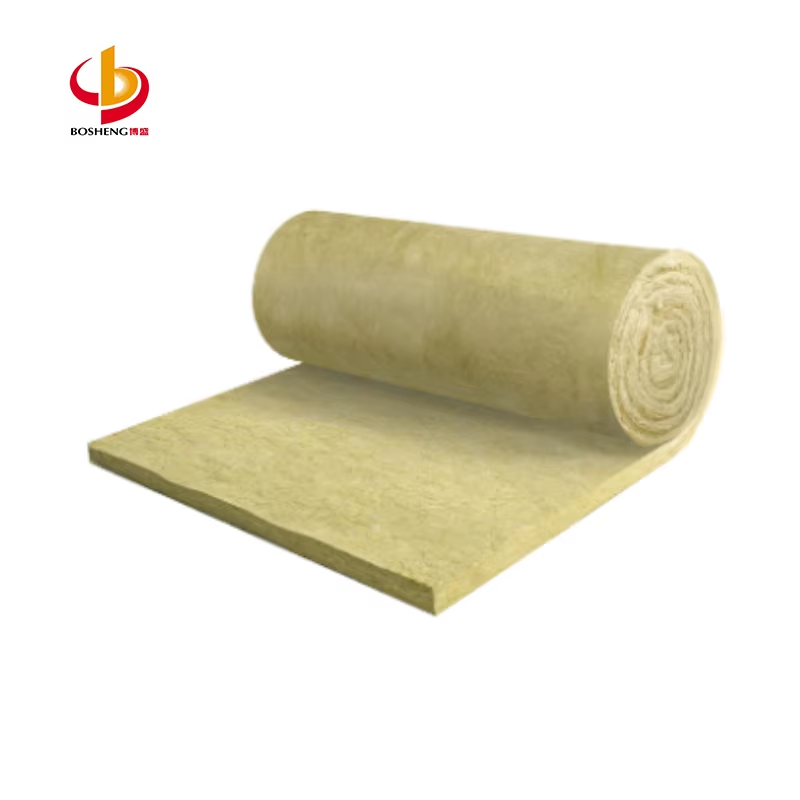
Acoustic Benefits and Installation Versatility of Marine Rock Wool Board
Soundproofing Value in Vessel Applications
Thermal insulation on ships rarely serves only one purpose, and marine rock wool board exemplifies this multi-functional value. In addition to controlling heat transfer, marine rock wool board provides meaningful acoustic attenuation, reducing the transmission of engine noise, mechanical vibration noise, and structural sound through bulkheads and decks. This soundproofing quality makes marine rock wool board especially valuable in passenger vessel cabins, crew quarters, and hospital spaces where noise regulations apply. Specifying marine rock wool board allows designers to meet both thermal and acoustic performance targets with a single material, simplifying system design and reducing material costs.
Flexibility in Installation and Fabrication
Marine rock wool board is available in a range of densities and thicknesses, allowing it to be specified precisely for each application zone on a vessel. Lightweight grades of marine rock wool board suit overhead insulation in accommodation spaces, while higher-density marine rock wool board is appropriate for machinery casings and high-heat duct work. Marine rock wool board can be cut, shaped, and fitted around complex shipboard geometries without specialized tooling. Installation teams find that marine rock wool board adheres well to metal surfaces using conventional adhesives and mechanical fasteners, and the boards can be faced with aluminum foil or other protective facings to suit the application. This installation versatility makes marine rock wool board a practical first choice for both new builds and retrofit insulation projects on ships of all types.
FAQ
What density of marine rock wool board is recommended for ship engine rooms?
For engine rooms and high-heat mechanical spaces, a higher-density marine rock wool board — typically in the range of 100 to 160 kilograms per cubic meter — is recommended. Higher-density marine rock wool board offers better resistance to thermal cycling and vibration in these demanding zones.
Can marine rock wool board be used on both steel and aluminum vessel structures?
Yes, marine rock wool board is compatible with both steel and aluminum ship structures. Marine rock wool board does not accelerate galvanic corrosion on aluminum, provided that proper installation practice and appropriate vapor barriers are used to manage moisture at the interface.
How does marine rock wool board compare to foam insulation for vessel thermal control?
Marine rock wool board outperforms foam insulation in fire resistance, high-temperature stability, and long-term durability in the marine environment. While foam may offer a slight weight advantage in some applications, marine rock wool board provides superior safety compliance and does not release toxic gases during fire events, which is a decisive factor on passenger and commercial vessels.