
 EN
EN



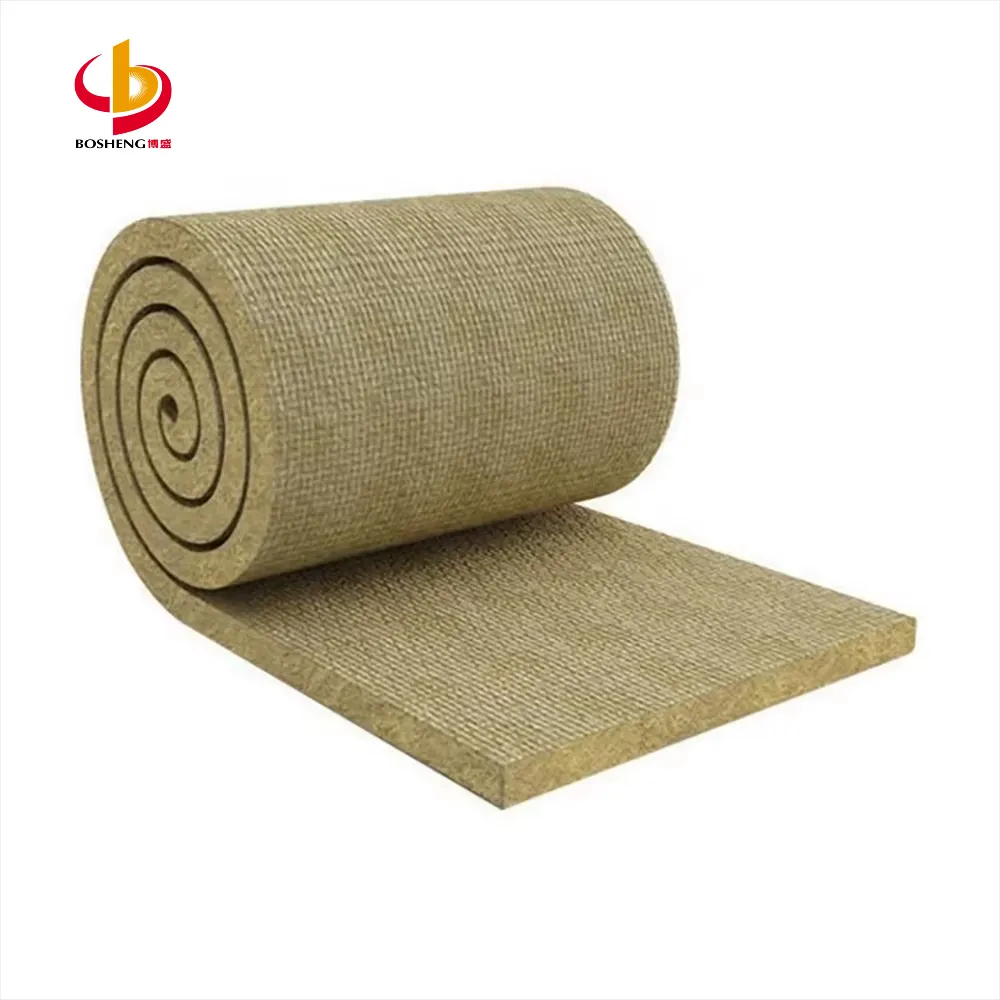
Proper handling of rock insulation blanket rolls is one of the most overlooked aspects of any insulation project. Whether you are working on an industrial facility, a commercial building, or a large-scale infrastructure job, the way you store and move rock insulation blanket rolls directly affects the material's performance once installed. Compressed fibers, water ingress, or physical tearing can all compromise the thermal and fire-resistant properties that make rock insulation blanket rolls such a dependable choice in demanding environments.
Rock insulation blanket rolls are engineered to deliver consistent thermal resistance, acoustic control, and fire protection across a wide range of applications. However, these benefits depend entirely on the material arriving at the point of installation in its original condition. This guide covers the essential practices for storing and transporting rock insulation blanket rolls safely, helping project managers, contractors, and logistics teams protect their investment and maintain compliance with material handling standards.
Understanding the Material Before You Handle It
Physical Characteristics of Rock Insulation Blanket Rolls
Rock insulation blanket rolls are manufactured from volcanic rock fibers bonded together under controlled heat and pressure. The result is a flexible, resilient product that can be rolled and unrolled without breaking apart under normal conditions. However, rock insulation blanket rolls are still susceptible to permanent deformation if stored under heavy loads, exposed to prolonged moisture, or handled carelessly during loading and unloading. Understanding the physical structure of rock insulation blanket rolls helps every handler make smarter decisions on the job site.
The density and thickness of rock insulation blanket rolls vary depending on their intended application. Thicker, denser rolls used for industrial pipe insulation or high-temperature equipment require even more care during transport because any sustained compression can reduce effective insulation thickness after installation. Lighter rolls intended for building envelopes are more forgiving but are still vulnerable to moisture and mechanical damage if packaging is torn or improperly secured.
Risks That Compromise Rock Insulation Blanket Rolls
The most common risks that damage rock insulation blanket rolls during storage and transport include moisture absorption, fiber compression, UV degradation of packaging, and contamination from dust or chemicals. Rock insulation blanket rolls that have absorbed moisture before installation may not perform to their rated thermal values, and in some cases moisture retention can lead to corrosion of adjacent metal components. Recognizing these risks before moving rock insulation blanket rolls is the first step toward preventing costly project delays and material waste.
Best Practices for Storing Rock Insulation Blanket Rolls
Choosing the Right Storage Environment
Rock insulation blanket rolls should always be stored in a dry, covered environment. An enclosed warehouse or storage shed with adequate ventilation is the ideal setting. When indoor storage is not available, rock insulation blanket rolls must be elevated off the ground on wooden pallets or racking systems to prevent moisture from wicking upward through the packaging. Ground contact is a leading cause of premature moisture absorption in rock insulation blanket rolls stored on construction sites.
Temperature extremes do not typically damage rock insulation blanket rolls themselves, since the mineral fiber core is inherently heat-resistant. However, the plastic wrapping used to protect rock insulation blanket rolls can crack or degrade in freezing temperatures, leaving the fiber exposed. Always inspect packaging integrity when rock insulation blanket rolls have been stored in cold environments before bringing them to the installation area.
Stacking and Weight Distribution Guidelines
Rock insulation blanket rolls should be stored horizontally and stacked on their flat sides rather than standing upright on their ends. Stacking height must be limited to prevent the lower rolls from being crushed under the weight of those above them. As a general rule, rock insulation blanket rolls should not be stacked more than four layers high without additional support structures. Heavy-density rolls used in industrial settings should be stacked even lower to preserve fiber loft. Maintaining correct stacking practices ensures that rock insulation blanket rolls retain their original thickness and density upon installation.
Avoid placing heavy tools, equipment, or other construction materials on top of stored rock insulation blanket rolls. Even short-term point loading can leave permanent depressions in the rolls that reduce effective insulation value. Clearly mark storage zones to prevent unauthorized stacking or misuse of areas where rock insulation blanket rolls are being held.
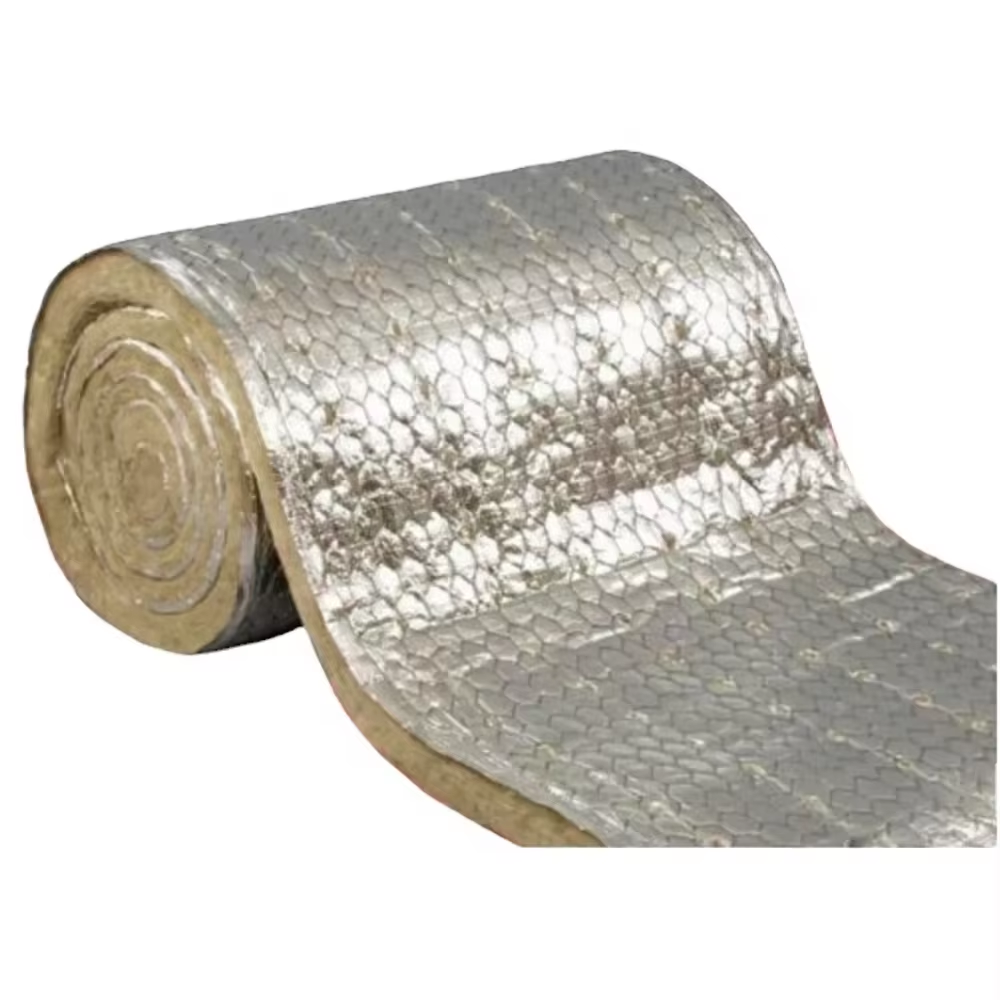
Safe Transport Methods for Rock Insulation Blanket Rolls
Vehicle Selection and Load Securing
Transporting rock insulation blanket rolls requires a vehicle with a flat, clean load bed and sufficient covered space to protect the rolls from rain, wind, and road debris. Flatbed trucks can be used when rock insulation blanket rolls are fully wrapped in weatherproof sheeting and secured with load straps at regular intervals. Enclosed trucks or curtain-sider vehicles are preferred for transporting rock insulation blanket rolls over longer distances or in wet weather conditions.
Load straps used to secure rock insulation blanket rolls must be positioned carefully to avoid crushing the rolls. Wide, low-tension straps distributed across the full width of each roll bundle are far better than narrow straps pulled tight at single points. Over-tightening straps across rock insulation blanket rolls is a common error that causes fiber compression before the material even reaches the job site.
Loading and Unloading Procedures
Rock insulation blanket rolls should be loaded and unloaded using forklifts equipped with wide, padded blades or by hand for smaller rolls. Dragging rock insulation blanket rolls across surfaces or dropping them from height can tear the protective wrapping and damage the fiber structure. When handling rock insulation blanket rolls manually, workers should wear appropriate personal protective equipment including gloves and long sleeves, since mineral fibers can cause skin irritation on direct contact.
After unloading, rock insulation blanket rolls should be transferred to their designated storage area immediately rather than being left exposed on a loading dock or open yard. Even brief exposure to rain or direct sunlight can begin to compromise the packaging and, over time, the rock insulation blanket rolls themselves. Establishing a clear intake procedure ensures that rock insulation blanket rolls are inspected, logged, and stored correctly every time a delivery arrives.
FAQ
Can rock insulation blanket rolls be stored outdoors temporarily?
Rock insulation blanket rolls can be stored outdoors for short periods if they are elevated off the ground, fully covered with weatherproof sheeting, and protected from direct sunlight. However, even brief outdoor exposure increases the risk of moisture ingress and packaging degradation. Whenever possible, rock insulation blanket rolls should be moved to an enclosed storage area as quickly as logistics allow.
How long can rock insulation blanket rolls be stored before use?
When stored correctly in a dry, covered, and well-ventilated environment, rock insulation blanket rolls can typically be stored for twelve to twenty-four months without significant performance degradation. Beyond this period, the packaging should be inspected carefully and the rolls themselves checked for moisture, compression, or fiber damage before installation. Always follow the manufacturer's stated shelf-life guidance for specific grades of rock insulation blanket rolls.
What should be done if rock insulation blanket rolls arrive damaged?
If rock insulation blanket rolls arrive with torn packaging, visible compression, or signs of moisture exposure, they should be quarantined and inspected before any installation proceeds. Damaged rock insulation blanket rolls may not meet the thermal or fire resistance specifications required for the project. Document the damage with photographs, report it to the supplier immediately, and follow the agreed claims procedure to arrange replacement rock insulation blanket rolls without delaying the project schedule.