
 EN
EN



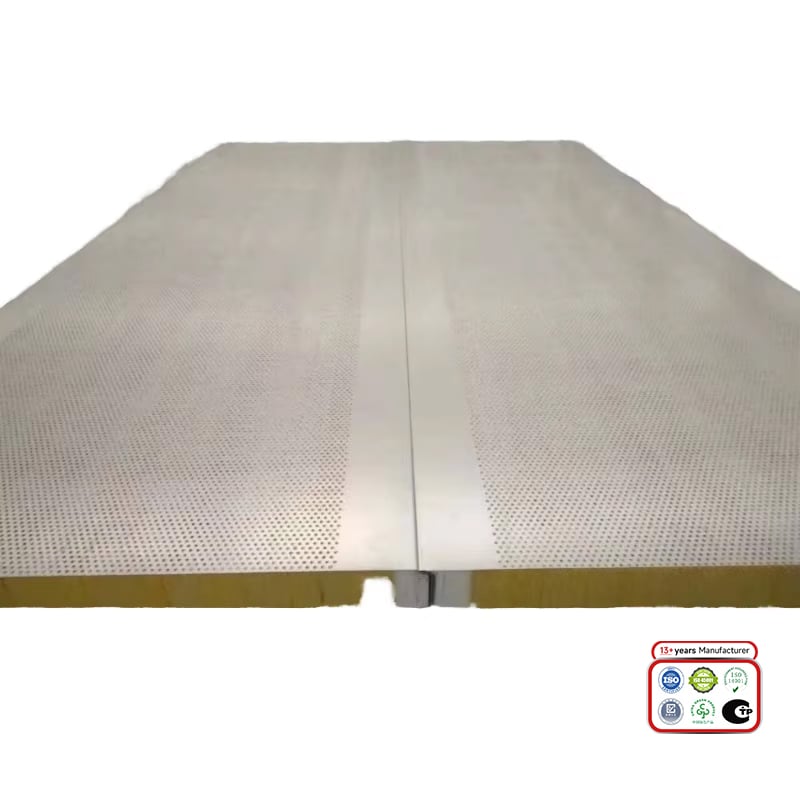
The construction industry is undergoing a significant shift toward sustainable building practices, and rock wool board has emerged as one of the most compelling material choices driving that change. As builders, architects, and developers prioritize energy efficiency and environmental responsibility, rock wool board delivers a combination of thermal performance, fire resistance, and acoustic control that few alternatives can match. Understanding why this material is gaining such widespread momentum starts with recognizing what rock wool board actually offers in modern green construction projects.
Green construction is no longer a niche movement — it is a mainstream demand across residential, commercial, and industrial sectors. Rock wool board sits at the intersection of sustainability and high performance, making it an ideal insulation solution for builders who need materials that align with green building certifications and long-term operational savings. This article explores the core reasons why rock wool board has risen to prominence in environmentally responsible construction.
Thermal and Energy Performance of Rock Wool Board
Exceptional Insulation Efficiency
One of the primary reasons rock wool board is favored in green construction is its outstanding thermal insulation capability. Rock wool board resists heat transfer effectively, reducing the energy demands of both heating and cooling systems within a building. When a structure is insulated with rock wool board, it requires less energy to maintain comfortable interior temperatures year-round. This directly translates into reduced carbon emissions and lower utility costs, both of which are central goals in sustainable building design.
Rock wool board achieves this performance because of its dense, fibrous mineral structure, which traps air and limits convective heat movement. Unlike some foam-based alternatives, rock wool board retains its insulating properties even under moisture exposure, ensuring consistent performance across different climates and seasons. Builders working toward LEED or BREEAM certification frequently specify rock wool board because it contributes meaningfully to energy performance scores.
Long-Term Thermal Stability
Rock wool board does not degrade thermally over time the way some polymer-based insulation materials do. A building insulated with rock wool board today can maintain the same thermal resistance decades from now, which is a key value proposition in green construction where lifecycle impact matters. The dimensional stability of rock wool board under temperature cycling means there are no gaps or shrinkage issues that would compromise insulation continuity. This long-term reliability makes rock wool board a responsible investment for any energy-efficient building project.
Fire Safety and Structural Resilience
Non-Combustible Properties of Rock Wool Board
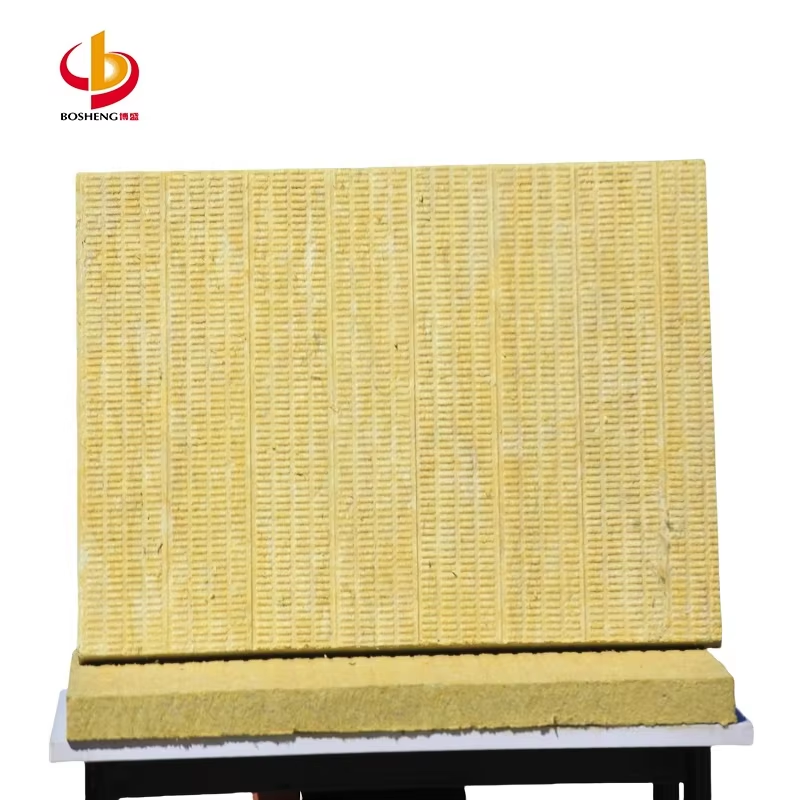
Rock wool board is inherently non-combustible, which gives it a major advantage in green construction projects where both safety and material integrity are priorities. Manufactured from volcanic basalt rock and recycled slag, rock wool board can withstand temperatures exceeding 1000 degrees Celsius without melting or releasing toxic gases. This fire resistance makes rock wool board a preferred choice for partition walls, external facades, roofing systems, and industrial facilities where fire risk must be carefully managed.
Building codes in many regions increasingly require non-combustible insulation in mid-rise and high-rise construction. Rock wool board meets these requirements without the need for additional fire-retardant coatings, simplifying the construction process while improving safety outcomes. When specifiers choose rock wool board, they are selecting a material that provides fire protection as an intrinsic property rather than an added treatment.
Acoustic Insulation and Structural Contribution
Rock wool board also contributes to the acoustic performance of a building, absorbing sound waves and reducing noise transmission between spaces. In urban green construction where density is high and noise pollution is a real concern, rock wool board installed in walls, floors, and ceilings provides effective sound attenuation. The rigid structure of rock wool board also supports the mechanical integrity of wall assemblies, allowing it to function as both an insulating layer and a structural component in certain applications. This dual performance adds to the overall value that rock wool board brings to a project.
Sustainability and Environmental Credentials
Recycled and Natural Raw Materials
Rock wool board is produced primarily from basalt rock and blast furnace slag, both of which are abundant natural or industrial byproduct materials. The use of recycled slag in rock wool board manufacturing reduces waste going to landfills and lowers the environmental burden of raw material extraction. Many rock wool board products carry environmental product declarations that document their embodied carbon and resource efficiency, supporting transparent decision-making in green building projects. Choosing rock wool board means specifying a material with documented environmental credentials rather than relying on unverified sustainability claims.
Rock wool board is also fully recyclable at the end of a building's life, which aligns with the circular economy principles that increasingly guide green construction policy. The ability to reclaim and reprocess rock wool board reduces construction waste and extends the productive life of the raw materials. For developers committed to whole-lifecycle sustainability, rock wool board represents a responsible choice from production through demolition.
Moisture Resistance and Indoor Environment Quality
Green construction places strong emphasis on indoor environment quality, and rock wool board supports this by resisting moisture absorption and inhibiting mold growth. Unlike some organic-based insulation materials, rock wool board does not provide a hospitable environment for fungi or bacteria. This means buildings insulated with rock wool board maintain healthier indoor air quality over time, which contributes to occupant well-being and reduces maintenance requirements. The combination of moisture resistance and biological inertness makes rock wool board especially suitable for humid climates, healthcare facilities, and food-processing environments where hygiene is critical.
FAQ
What makes rock wool board suitable for green building certification?
Rock wool board contributes to green building certifications like LEED and BREEAM through its high thermal resistance, non-combustible composition, recycled content, and long service life. These properties help projects earn credits across energy efficiency, material sustainability, and indoor environmental quality categories. Specifiers can reference environmental product declarations for rock wool board to document specific contributions to certification targets.
How does rock wool board compare to foam insulation in green construction?
Rock wool board offers fire resistance and moisture stability that most foam insulation products cannot match. Foam insulation is combustible and may release harmful gases in a fire, while rock wool board remains stable and non-toxic under extreme heat. For green construction projects prioritizing safety, durability, and environmental responsibility, rock wool board is generally the stronger long-term choice.
Can rock wool board be used in both walls and roofing systems?
Yes, rock wool board is highly versatile and is widely used in wall assemblies, flat roofing systems, facades, and industrial enclosures. Its dimensional stability and compressive strength allow rock wool board to perform effectively under the mechanical loads common in roofing applications. Builders and engineers specify rock wool board across multiple building envelope components to achieve consistent thermal and fire performance throughout the structure.