
 EN
EN



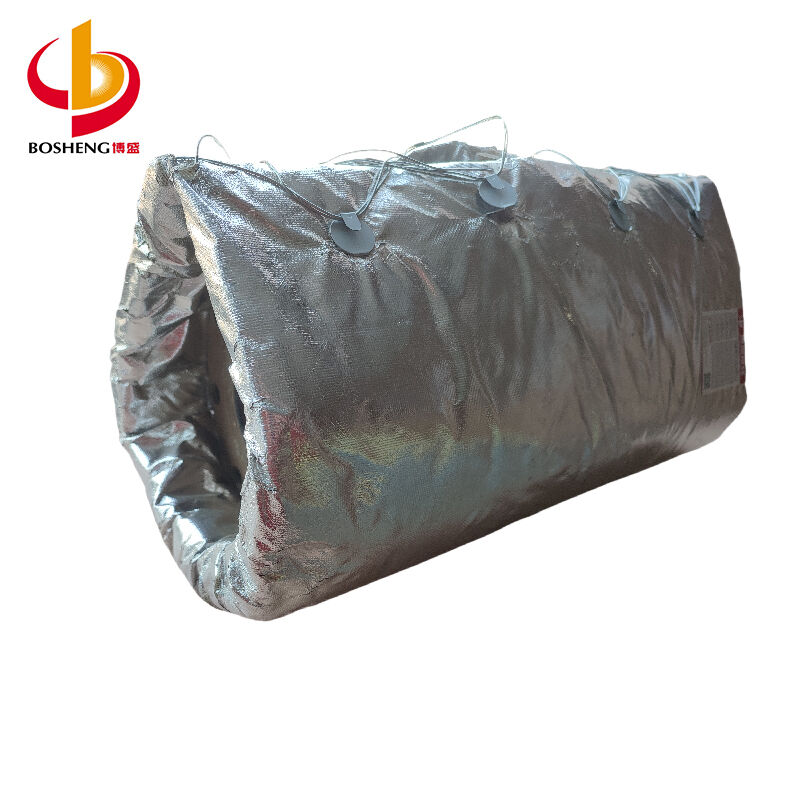
Rock wool pipe insulation has emerged as one of the most versatile and effective thermal insulation solutions across numerous industrial and commercial applications. This advanced insulation material combines exceptional thermal performance with fire resistance and acoustic dampening properties, making it an indispensable component in modern piping systems. Understanding the diverse applications of rock wool pipe insulation helps engineers, contractors, and facility managers make informed decisions about their insulation needs. From high-temperature industrial processes to residential heating systems, this mineral fiber insulation continues to set the standard for reliable thermal protection and energy efficiency in pipe installations worldwide.
Industrial Process Applications
High-Temperature Manufacturing Environments
Manufacturing facilities across various industries rely heavily on rock wool pipe insulation to maintain optimal operating temperatures in their process piping systems. Steel mills, aluminum smelters, and petrochemical plants commonly use this insulation material to protect personnel from extreme heat while maintaining process efficiency. The exceptional temperature resistance of rock wool pipe insulation allows it to perform effectively in environments where temperatures can exceed 1000°F, making it ideal for steam distribution systems and hot oil circulation lines.
Chemical processing facilities benefit significantly from the corrosion-resistant properties of rock wool pipe insulation when combined with appropriate protective jacketing. These environments often involve aggressive chemicals and varying temperature cycles that would compromise lesser insulation materials. The dimensional stability of rock wool ensures consistent performance even under thermal cycling conditions, reducing maintenance costs and improving overall system reliability.
Power Generation and Energy Production
Power plants and energy generation facilities represent some of the most demanding applications for rock wool pipe insulation. Steam turbine systems, boiler feedwater lines, and condensate return piping all require insulation that can withstand extreme temperatures while providing excellent thermal efficiency. The low thermal conductivity of rock wool pipe insulation helps minimize heat loss, directly contributing to improved energy efficiency and reduced fuel consumption in these critical applications.
Nuclear power facilities have particular requirements for insulation materials that must meet stringent safety and performance standards. Rock wool pipe insulation offers the necessary fire resistance and low smoke generation characteristics required in these sensitive environments. The material's ability to maintain its insulating properties even when exposed to radiation makes it an excellent choice for nuclear applications where safety and reliability are paramount.
Commercial Building Systems
HVAC Distribution Networks
Commercial buildings rely on efficient HVAC systems to maintain comfortable indoor environments while minimizing energy consumption. Rock wool pipe insulation plays a crucial role in these systems by preventing thermal losses in hot water distribution lines and preventing condensation on chilled water piping. Office buildings, shopping centers, and educational facilities all benefit from the thermal performance and durability that rock wool pipe insulation provides in their mechanical systems.
The acoustic properties of rock wool pipe insulation make it particularly valuable in commercial applications where noise control is important. Hotels, hospitals, and office buildings often specify this material to reduce noise transmission from mechanical systems through building structures. The dense fiber structure of rock wool effectively absorbs sound energy, contributing to quieter building environments and improved occupant comfort.
Domestic Hot Water Systems
Large commercial buildings require sophisticated domestic hot water systems to serve multiple occupants efficiently. Rock wool pipe insulation helps maintain water temperature throughout extensive distribution networks, reducing energy waste and ensuring adequate hot water delivery to all building zones. Restaurants, hotels, and multi-family residential buildings particularly benefit from the consistent thermal performance that rock wool pipe insulation provides in their domestic hot water systems.
Healthcare facilities have specific requirements for domestic hot water systems that must maintain precise temperatures for infection control and patient safety. Rock wool pipe insulation supports these critical requirements by providing reliable thermal performance and contributing to energy-efficient operation of hot water recirculation systems.
Residential and Light Commercial Applications
Home Heating and Plumbing Systems
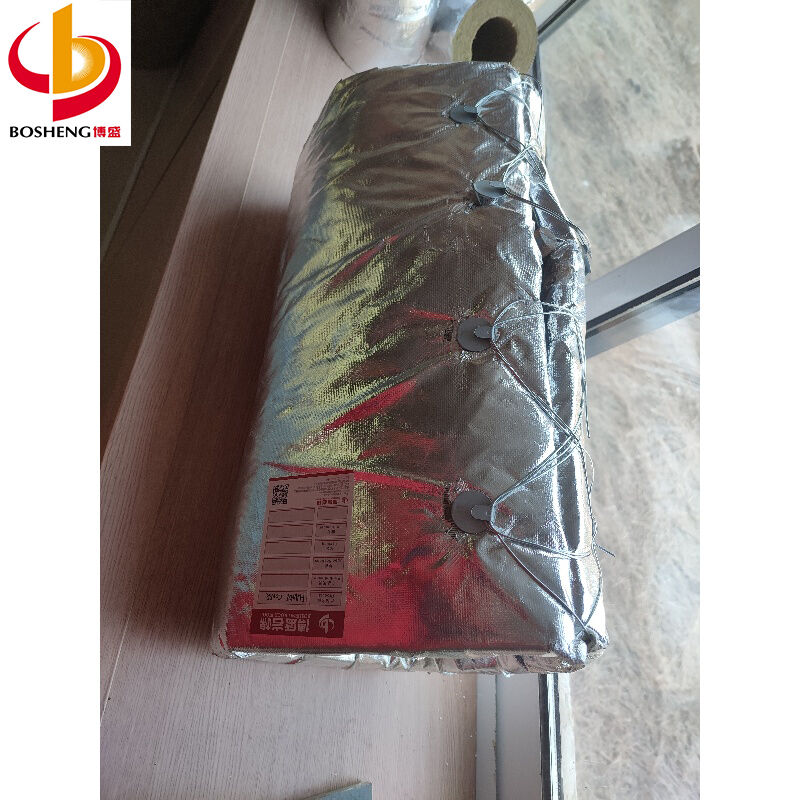
Residential applications of rock wool pipe insulation have grown significantly as homeowners become more conscious of energy efficiency and utility costs. Basement heating systems, radiant floor heating distribution, and domestic hot water piping all benefit from proper insulation with rock wool materials. The material's resistance to moisture and dimensional stability make it ideal for basement installations where humidity levels can vary significantly.
Retrofit applications in older homes often involve upgrading existing pipe insulation to improve energy efficiency and reduce heat loss. Rock wool pipe insulation can be easily installed over existing piping systems, providing immediate improvements in thermal performance. The material's fire-resistant properties also contribute to improved home safety, particularly in utility rooms and mechanical spaces where fire hazards may be present.
Solar Thermal and Renewable Energy Systems
Solar thermal systems and other renewable energy applications have created new opportunities for rock wool pipe insulation in residential settings. These systems often involve high-temperature fluids and require insulation materials that can withstand thermal cycling and outdoor weather conditions. Rock wool pipe insulation provides the necessary thermal performance while resisting degradation from UV exposure and temperature extremes.
Geothermal heating systems also benefit from rock wool pipe insulation in their distribution networks. The material's ability to maintain consistent thermal properties across a wide temperature range makes it suitable for the varying operating conditions encountered in geothermal applications.
Specialized Industrial Applications
Food and Beverage Processing
Food processing facilities have unique requirements for pipe insulation that must meet both performance and sanitary standards. Rock wool pipe insulation, when properly jacketed with stainless steel or other approved materials, provides excellent thermal performance in dairy processing plants, breweries, and food manufacturing facilities. The material's resistance to moisture and bacterial growth makes it suitable for washdown environments common in food processing applications.
Temperature control is critical in food processing operations, and rock wool pipe insulation helps maintain precise temperatures throughout complex process piping systems. From hot oil systems in snack food production to chilled water systems in dairy processing, this insulation material contributes to consistent product quality and energy efficiency.
Pharmaceutical and Biotechnology
Pharmaceutical manufacturing requires extremely precise environmental controls and process conditions. Rock wool pipe insulation supports these requirements by providing reliable thermal performance in purified water systems, clean steam distribution, and process heating applications. The material's low particulate generation and compatibility with validation procedures make it suitable for cleanroom environments and sterile processing areas.
Biotechnology facilities often involve complex temperature-controlled processes that require consistent thermal performance from their insulation systems. Rock wool pipe insulation provides the necessary reliability and performance consistency required in these critical applications where process deviations can result in significant product losses.
Marine and Offshore Applications
Shipbuilding and Naval Systems
Marine applications present unique challenges for pipe insulation materials due to the corrosive saltwater environment and space constraints. Rock wool pipe insulation offers excellent performance in shipboard applications where fire safety is paramount. The material's non-combustible properties and low smoke generation characteristics make it ideal for naval vessels and commercial ships where fire protection is critical for crew safety.
Engine room applications in ships require insulation materials that can withstand high temperatures, vibration, and the corrosive marine environment. Rock wool pipe insulation provides the necessary durability and thermal performance for steam systems, exhaust piping, and heating systems aboard vessels.
Offshore Oil and Gas Platforms
Offshore drilling platforms and production facilities operate in some of the most challenging environments for pipe insulation systems. Rock wool pipe insulation provides reliable performance in these applications where failure is not an option due to safety and environmental considerations. The material's resistance to saltwater corrosion and ability to maintain performance in high-wind conditions make it suitable for these demanding offshore applications.
Process piping on offshore platforms often involves high-pressure, high-temperature applications that require robust insulation systems. Rock wool pipe insulation provides the necessary thermal protection while contributing to overall platform safety through its fire-resistant properties.
Transportation Infrastructure
District Heating and Cooling Systems
Urban district heating and cooling systems rely on extensive underground piping networks that require durable, long-lasting insulation. Rock wool pipe insulation provides excellent thermal performance in these applications while resisting moisture intrusion and maintaining its properties over decades of service. These systems often span miles of underground distribution and require insulation materials that can withstand varying soil conditions and groundwater exposure.
The thermal efficiency provided by rock wool pipe insulation in district energy systems contributes significantly to overall system economics and environmental impact. By minimizing heat loss in distribution networks, this insulation material helps reduce fuel consumption and emissions associated with central heating and cooling plants.
Airport and Transit Systems
Airport terminals and transit facilities require reliable mechanical systems that can operate continuously under varying load conditions. Rock wool pipe insulation supports these requirements by providing consistent thermal performance in HVAC systems, domestic hot water distribution, and specialized applications such as aircraft ground support equipment.
Underground transit systems present unique challenges for pipe insulation due to limited access for maintenance and the need for long-term reliability. Rock wool pipe insulation offers the durability and performance consistency required in these applications where system failures can impact thousands of daily commuters.
FAQ
What temperature range can rock wool pipe insulation handle effectively
Rock wool pipe insulation can effectively handle temperatures ranging from -40°F to over 1200°F (-40°C to 650°C), making it suitable for both cryogenic applications and high-temperature industrial processes. The exact temperature limit depends on the specific product grade and density, with higher-density products typically offering better performance at extreme temperatures. This wide temperature range makes rock wool pipe insulation versatile enough for most industrial and commercial applications without requiring specialized materials.
How does rock wool pipe insulation compare to other insulation materials in terms of fire safety
Rock wool pipe insulation offers superior fire safety compared to organic insulation materials because it is manufactured from inorganic mineral fibers that are naturally non-combustible. Unlike foam insulations or organic fiber materials, rock wool will not ignite, spread flames, or contribute fuel to a fire. It maintains its structural integrity at high temperatures and produces minimal smoke, making it an excellent choice for applications where fire safety is critical, such as high-rise buildings, industrial facilities, and marine applications.
What factors should be considered when selecting rock wool pipe insulation for a specific application
Key factors to consider include operating temperature range, pipe diameter and configuration, environmental conditions such as moisture exposure, mechanical stress requirements, and applicable building codes or industry standards. The insulation thickness should be calculated based on energy efficiency requirements and economic considerations. Additionally, the need for protective jacketing, vapor barriers, or weatherproofing should be evaluated based on the installation environment and long-term performance expectations.
How long can rock wool pipe insulation be expected to perform in typical installations
Rock wool pipe insulation typically provides reliable performance for 20-30 years or more in properly designed and installed systems. The actual service life depends on operating conditions, installation quality, and environmental factors such as moisture exposure and thermal cycling. Regular inspection and maintenance of protective jacketing and vapor barriers can extend the service life significantly. In many industrial applications, rock wool pipe insulation has demonstrated excellent long-term performance with minimal degradation of thermal properties over decades of service.
Table of Contents
- Industrial Process Applications
- Commercial Building Systems
- Residential and Light Commercial Applications
- Specialized Industrial Applications
- Marine and Offshore Applications
- Transportation Infrastructure
-
FAQ
- What temperature range can rock wool pipe insulation handle effectively
- How does rock wool pipe insulation compare to other insulation materials in terms of fire safety
- What factors should be considered when selecting rock wool pipe insulation for a specific application
- How long can rock wool pipe insulation be expected to perform in typical installations