
 EN
EN



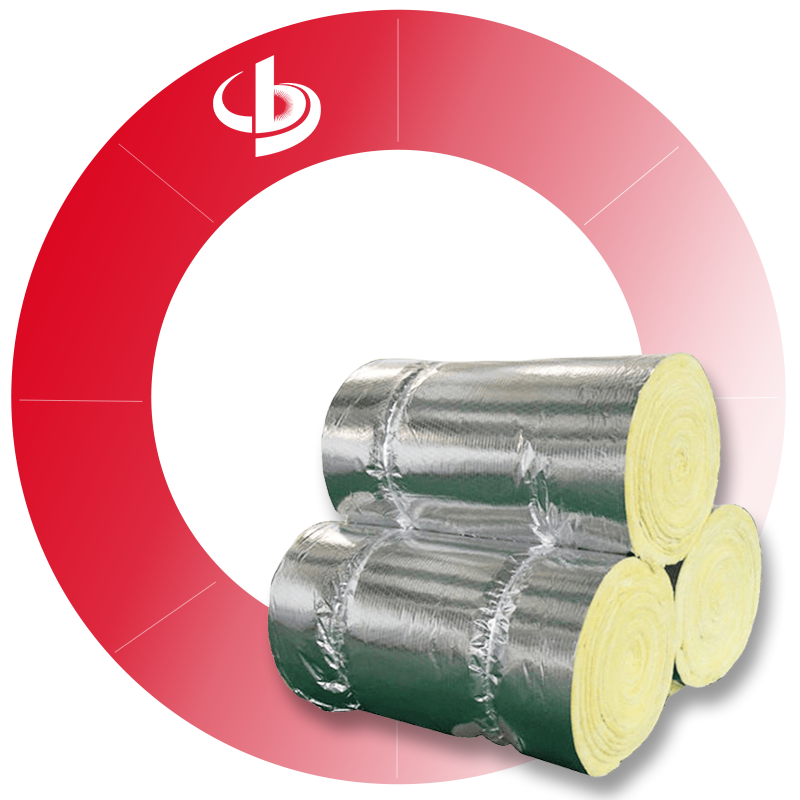
Industrial facilities across manufacturing, petrochemical, and energy sectors increasingly rely on advanced thermal insulation solutions to optimize energy efficiency and maintain operational safety. Rock insulation blanket rolls have emerged as a premier choice for thermal management applications, offering exceptional performance characteristics that address the demanding requirements of modern industrial environments. These flexible insulation materials provide superior heat resistance, fire protection, and acoustic dampening properties while maintaining ease of installation and long-term durability. Understanding the comprehensive benefits of these specialized insulation products enables facility managers and engineers to make informed decisions that enhance operational efficiency while reducing energy costs and improving workplace safety standards.
Superior Thermal Performance and Energy Efficiency
Exceptional Heat Resistance Properties
Rock insulation blanket rolls demonstrate outstanding thermal resistance capabilities, withstanding continuous operating temperatures up to 1200°F (649°C) without compromising structural integrity. The mineral wool construction creates millions of air pockets that effectively trap heat, preventing unwanted thermal transfer and maintaining consistent internal temperatures. This superior heat resistance makes these insulation materials ideal for high-temperature industrial applications including furnace insulation, pipeline protection, and equipment wrapping. The low thermal conductivity values ensure minimal heat loss, resulting in significant energy savings and improved process efficiency across various industrial operations.
Manufacturing facilities utilizing these advanced insulation solutions typically experience substantial reductions in energy consumption, with some operations reporting up to 30% decreases in heating and cooling costs. The thermal barrier properties remain consistent over extended periods, ensuring long-term performance reliability without degradation from temperature cycling or environmental exposure. Additionally, the flexible nature of blanket roll insulation allows for complete coverage of irregular surfaces and complex geometries, eliminating thermal bridges that commonly occur with rigid insulation materials.
Enhanced Energy Conservation Benefits
The implementation of rock insulation blanket rolls contributes significantly to overall energy conservation strategies by minimizing heat loss through industrial equipment, piping systems, and structural components. These materials effectively reduce the workload on heating and cooling systems, enabling machinery to operate more efficiently while consuming less energy. The improved thermal retention translates directly into reduced fuel consumption, lower utility costs, and decreased environmental impact through reduced carbon emissions. Industrial facilities can achieve measurable returns on investment through energy savings that accumulate over the operational lifetime of the insulation system.
Process industries particularly benefit from the consistent thermal performance provided by these insulation materials, as stable operating temperatures improve product quality and reduce manufacturing variations. The enhanced energy efficiency also contributes to extended equipment lifespan by reducing thermal stress on machinery components and minimizing temperature-related wear patterns. Many facilities incorporate these insulation solutions as part of comprehensive energy management programs designed to meet sustainability goals and regulatory compliance requirements.

Fire Protection and Safety Advantages
Non-Combustible Material Properties
Rock insulation blanket rolls provide exceptional fire protection due to their inherently non-combustible composition derived from natural rock and mineral materials. These insulation products maintain structural integrity when exposed to extreme temperatures and open flame conditions, serving as an effective fire barrier that helps prevent flame spread throughout industrial facilities. The mineral wool construction does not contribute fuel to fire situations, instead acting as a passive fire protection system that can contain heat and limit fire propagation. This fire-resistant characteristic makes these materials essential components in fire-rated assemblies and safety-critical applications.
The melting point of rock wool exceeds 2000°F (1093°C), ensuring the insulation maintains protective properties even under severe fire conditions. Unlike organic insulation materials that can release toxic gases when heated, mineral wool insulation produces minimal smoke and does not emit harmful substances during fire exposure. This safety advantage is particularly crucial in occupied industrial buildings where employee safety and emergency egress requirements mandate the use of non-toxic, fire-resistant building materials.
Compliance with Safety Regulations
Industrial facilities utilizing rock insulation blanket rolls benefit from compliance with stringent fire safety codes and building regulations that govern commercial and industrial construction. These materials typically meet or exceed requirements established by organizations such as ASTM International, Underwriters Laboratories (UL), and the National Fire Protection Association (NFPA). The fire-resistant properties help facilities achieve necessary fire ratings for walls, ceilings, and equipment enclosures while maintaining insurance compliance and reducing liability exposure.
Safety managers appreciate the comprehensive protection provided by these insulation materials, as they contribute to overall facility risk management strategies while supporting employee safety initiatives. The non-combustible nature reduces the potential for catastrophic fire events that could result in equipment damage, production interruptions, and worker injuries. Many insurance providers offer reduced premiums for facilities that implement comprehensive fire protection measures including the use of mineral wool insulation products.
Acoustic Performance and Noise Control
Sound Absorption Capabilities
Beyond thermal insulation properties, rock insulation blanket rolls provide excellent acoustic dampening characteristics that help control noise levels in industrial environments. The fibrous structure of mineral wool effectively absorbs sound waves across a broad frequency range, reducing both airborne noise transmission and structural vibration. This acoustic performance is particularly valuable in manufacturing facilities, power plants, and processing operations where excessive noise levels can impact worker comfort, productivity, and regulatory compliance with occupational health standards.
The sound absorption coefficients of these materials typically range from 0.85 to 1.0 across critical frequency ranges, making them highly effective for noise control applications. Industrial facilities can achieve significant noise reduction by incorporating these insulation materials into equipment enclosures, partition walls, and ceiling assemblies. The dual functionality of thermal and acoustic insulation provides cost-effective solutions that address multiple facility requirements with a single material application.
Workplace Environment Improvements
Implementing acoustic insulation solutions using rock wool blankets creates more comfortable working environments by reducing harmful noise exposure and improving communication clarity among workers. Lower ambient noise levels contribute to reduced employee fatigue, improved concentration, and enhanced workplace safety through better auditory awareness of equipment operations and warning signals. Many facilities report improved employee satisfaction and productivity following the installation of comprehensive noise control measures incorporating mineral wool insulation materials.
The acoustic benefits extend beyond worker comfort to include reduced noise pollution affecting surrounding communities and neighboring facilities. This environmental consideration becomes increasingly important as industrial operations expand into mixed-use areas where noise control regulations may limit allowable sound levels during specific operating hours. The effective sound dampening properties help facilities maintain good community relations while supporting sustainable business practices.
Installation Flexibility and Durability
Versatile Application Methods
Rock insulation blanket rolls offer exceptional installation flexibility that accommodates diverse industrial applications and complex geometries. The flexible nature of these materials allows for easy cutting, shaping, and fitting around pipes, ducts, equipment, and structural elements without compromising insulation effectiveness. Installation crews can quickly deploy these materials using standard tools and techniques, reducing labor costs and project completion times compared to rigid insulation alternatives. The lightweight construction minimizes structural loading while maintaining superior insulation performance.
The roll format enables continuous coverage over large surface areas with minimal joints and potential thermal bridges. Contractors appreciate the ease of handling and positioning these materials in confined spaces, overhead applications, and challenging access areas commonly encountered in industrial retrofits and new construction projects. The flexibility also allows for future modifications and maintenance access without requiring complete insulation system replacement, providing long-term operational advantages.
Long-Term Performance Reliability
These insulation materials demonstrate exceptional durability and dimensional stability over extended service periods, maintaining thermal performance characteristics without significant degradation from environmental exposure, temperature cycling, or mechanical stress. The inorganic composition resists moisture absorption, mold growth, and pest infestation that can compromise other insulation types. This durability translates into reduced maintenance requirements and lower lifecycle costs for industrial facilities seeking long-term insulation solutions.
The resistance to chemical exposure makes these materials suitable for harsh industrial environments where corrosive substances, solvents, or aggressive cleaning agents may be present. Unlike organic insulation materials that may deteriorate when exposed to oils, acids, or alkalis, mineral wool maintains structural integrity and insulation properties throughout the design service life. This chemical resistance is particularly valuable in petrochemical, pharmaceutical, and food processing applications where stringent hygiene and contamination control requirements must be maintained.
FAQ
What temperature range can rock insulation blanket rolls withstand?
Rock insulation blanket rolls typically withstand continuous operating temperatures up to 1200°F (649°C) with melting points exceeding 2000°F (1093°C). These materials maintain structural integrity and insulation properties across extreme temperature ranges, making them suitable for high-temperature industrial applications including furnace insulation, steam systems, and process equipment protection. The thermal stability ensures consistent performance without degradation from temperature cycling or thermal shock conditions.
How do these materials compare to other insulation types for fire safety?
Rock wool insulation provides superior fire safety compared to organic materials due to its non-combustible mineral composition. Unlike foam or fiber insulations that may melt, burn, or release toxic gases, mineral wool acts as a fire barrier while producing minimal smoke. These materials meet stringent fire safety codes and contribute to fire-rated assemblies, making them essential for applications where fire protection is critical for life safety and property protection.
Can rock insulation blankets be used in outdoor applications?
Yes, rock insulation blankets can be used in outdoor applications when properly protected with appropriate weather barriers or jacketing materials. The mineral wool core resists moisture absorption and maintains insulation properties when wet, though proper drainage and vapor barriers are recommended for optimal performance. Outdoor installations typically require protective coverings to prevent wind erosion and UV degradation while maintaining the thermal and fire-resistant benefits of the mineral wool insulation.
What maintenance requirements are associated with these insulation systems?
Rock insulation blanket installations require minimal maintenance due to the durable, inorganic composition that resists degradation from environmental factors. Routine inspections should verify that protective jacketing remains intact and that insulation has not been damaged by mechanical impact or weather exposure. Unlike organic materials, mineral wool does not support pest infestation or microbial growth, eliminating many common maintenance issues. Occasional cleaning or replacement of damaged sections maintains optimal thermal performance throughout the system service life.