
 EN
EN



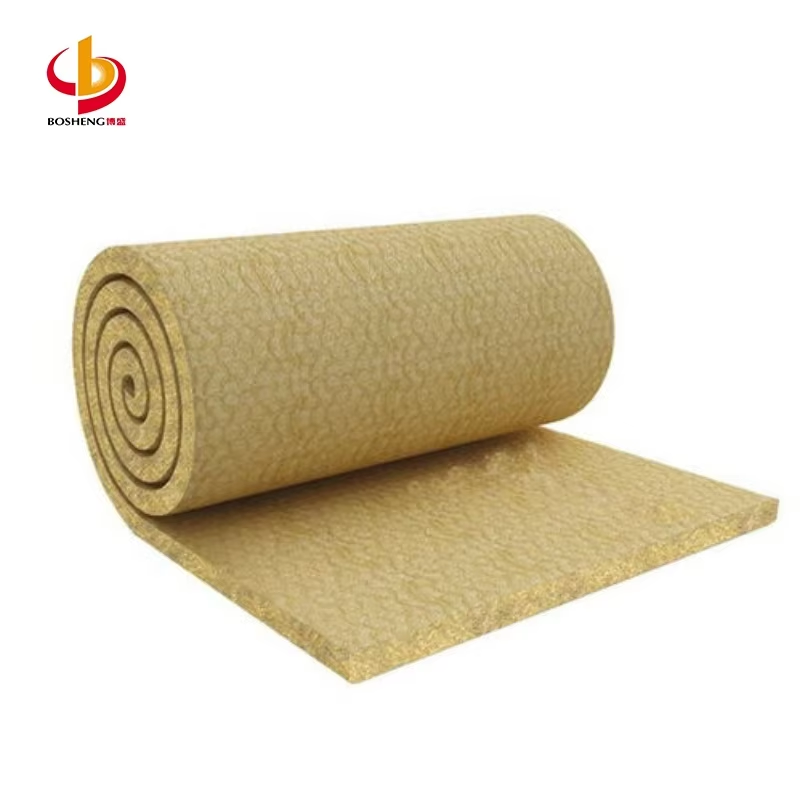
In the competitive landscape of industrial insulation materials, rock wool rolls have emerged as a superior choice for engineers and construction professionals seeking optimal thermal and acoustic performance. These mineral-based insulation solutions offer exceptional fire resistance, moisture control, and structural integrity that traditional materials often cannot match. As building codes become more stringent and energy efficiency requirements continue to rise, rock wool rolls provide the reliability and performance characteristics essential for modern construction projects. Understanding the advantages of rock wool rolls over conventional alternatives like fiberglass and foam can help decision-makers select the most appropriate insulation solution for their specific applications.
Superior Fire Resistance and Safety Characteristics
Exceptional High-Temperature Performance
Rock wool rolls demonstrate outstanding fire resistance capabilities, withstanding temperatures exceeding 1000°C without compromising structural integrity. This remarkable heat tolerance stems from the basaltic rock composition, which naturally resists combustion and thermal degradation. Unlike foam insulation materials that can melt or release toxic fumes when exposed to extreme heat, rock wool rolls maintain their insulating properties and dimensional stability even under severe fire conditions. Industrial facilities, high-rise buildings, and critical infrastructure projects benefit significantly from this enhanced fire protection, as rock wool rolls help contain fires and prevent rapid flame spread through building cavities.
The non-combustible nature of rock wool rolls provides architects and engineers with greater design flexibility when specifying insulation systems for fire-rated assemblies. Building codes in many jurisdictions recognize the superior fire performance of mineral wool insulation, often allowing reduced fire barrier requirements when rock wool rolls are incorporated into wall and ceiling systems. This regulatory advantage can translate into cost savings and simplified construction details while maintaining or exceeding required fire resistance ratings.
Smoke Development and Toxic Gas Emission Control
During fire incidents, rock wool rolls produce minimal smoke and virtually no toxic gas emissions, contrasting sharply with synthetic foam insulation materials that can generate hazardous vapors. This characteristic proves crucial for occupant safety during emergency evacuations, as reduced smoke density and toxic gas concentrations improve visibility and air quality in escape routes. Fire safety professionals consistently recommend mineral wool insulation for critical applications where life safety considerations are paramount, including hospitals, schools, and high-occupancy buildings.
The inert mineral composition of rock wool rolls ensures that even when exposed to extreme temperatures, the material does not contribute additional fuel to fires or create secondary hazards through chemical decomposition. This stability provides building owners with confidence that their insulation system will not exacerbate fire conditions or compromise evacuation procedures during emergency situations.
Moisture Resistance and Dimensional Stability
Hydrophobic Properties and Water Vapor Permeability
Rock wool rolls exhibit excellent moisture resistance characteristics, effectively repelling liquid water while allowing water vapor transmission through the material structure. This balanced approach to moisture management prevents condensation buildup within building assemblies while maintaining the insulation's thermal performance over time. Fiberglass insulation can lose significant R-value when wet, and foam materials may develop mold growth or structural degradation when exposed to persistent moisture conditions. The hydrophobic treatment applied to rock wool rolls during manufacturing creates a durable barrier against water intrusion while preserving breathability.
In humid climates or applications with high moisture loads, rock wool rolls maintain their insulating effectiveness and structural integrity better than alternative materials. The open fiber structure allows trapped moisture to escape naturally, preventing the accumulation of water that could compromise building envelope performance or create conditions favorable for microbial growth. This moisture management capability makes rock wool rolls particularly valuable in coastal environments, industrial facilities with high humidity levels, and buildings with stringent indoor air quality requirements.
Long-Term Performance Under Varying Environmental Conditions
The dimensional stability of rock wool rolls under temperature cycling and moisture exposure ensures consistent insulation performance throughout the building's service life. Unlike foam insulation that may shrink, crack, or lose adhesion over time, rock wool rolls maintain their installed configuration and thermal properties even after decades of service. This reliability reduces maintenance requirements and eliminates the need for premature insulation replacement, providing long-term value for building owners and facility managers.
Temperature fluctuations that can cause thermal bridging or gaps in rigid foam systems do not significantly affect rock wool rolls due to their flexible fiber structure and ability to accommodate building movement. This adaptability ensures continuous thermal performance and prevents the formation of thermal bridges that could compromise energy efficiency or create condensation risks within the building envelope.
Acoustic Performance and Sound Control
Sound Absorption and Noise Reduction Capabilities
Rock wool rolls provide superior acoustic performance compared to many alternative insulation materials, effectively absorbing sound waves across a broad frequency range. The dense fiber structure and air spaces within rock wool rolls create excellent sound absorption characteristics, making them ideal for applications requiring noise control in commercial, industrial, and residential buildings. Recording studios, conference rooms, mechanical equipment enclosures, and multi-family housing projects benefit from the acoustic dampening properties that rock wool rolls deliver consistently.
The acoustic performance of rock wool rolls remains stable over time, unlike some foam materials that may degrade or lose their sound absorption capabilities due to aging or environmental exposure. This long-term acoustic reliability ensures that noise control objectives are maintained throughout the building's operational life, protecting occupant comfort and productivity while meeting acoustic design requirements specified by architects and acoustic consultants.
Vibration Damping and Structure-Borne Noise Control
Beyond airborne sound absorption, rock wool rolls effectively control structure-borne vibrations and noise transmission through building elements. The fibrous composition naturally dampens mechanical vibrations from HVAC equipment, machinery, and other building systems, preventing noise transmission that could disturb occupants or sensitive operations. Industrial facilities particularly benefit from this vibration control capability, as rock wool rolls help isolate equipment noise and reduce workplace noise exposure levels.
When installed in wall assemblies, floor-ceiling systems, and mechanical room enclosures, rock wool rolls create effective barriers against both airborne and structure-borne noise transmission. This dual-function capability often eliminates the need for separate acoustic treatments, simplifying construction details and reducing overall project costs while achieving superior noise control performance compared to single-purpose insulation materials.
Thermal Performance and Energy Efficiency
Consistent R-Value and Heat Transfer Control
Rock wool rolls deliver consistent thermal performance across varying temperature conditions, maintaining their R-value effectiveness in both hot and cold climates. The mineral fiber composition provides stable insulating properties that do not degrade significantly with temperature cycling, unlike some foam insulation materials that may lose effectiveness at extreme temperatures. This thermal stability ensures reliable energy performance throughout seasonal variations and helps building owners achieve consistent energy efficiency targets year-round.
The thermal conductivity of rock wool rolls remains relatively constant across their service life, providing predictable energy performance for building energy modeling and utility cost projections. Engineers can confidently specify rock wool rolls knowing that the thermal performance will meet design intent without significant degradation over time, supporting long-term energy efficiency goals and sustainable building operation strategies.
Installation Flexibility and Thermal Bridge Mitigation
Rock wool rolls adapt easily to irregular surfaces and building geometries, ensuring continuous thermal protection without gaps or thermal bridges that could compromise energy performance. The flexible nature of rock wool rolls allows installers to achieve complete coverage around structural elements, penetrations, and complex architectural details that might challenge rigid foam insulation systems. This installation adaptability helps maintain thermal envelope integrity and prevents the energy penalties associated with incomplete insulation coverage.
The compressible characteristics of rock wool rolls enable effective sealing around pipes, conduits, and other penetrations, maintaining thermal continuity while accommodating building movement and settling. This flexibility reduces the risk of thermal bridges developing over time due to building movement or differential thermal expansion, ensuring sustained energy efficiency performance throughout the building's operational life.
Environmental Sustainability and Health Considerations
Recycled Content and Manufacturing Sustainability
Rock wool rolls contain significant recycled content derived from industrial slag and other waste materials, supporting sustainable construction practices and circular economy principles. The manufacturing process transforms waste products into high-performance insulation materials, reducing landfill burden while creating valuable building materials. This environmental benefit appeals to projects pursuing green building certifications such as LEED, BREEAM, or other sustainability frameworks that reward the use of recycled content materials.
The energy efficiency improvements achieved through rock wool rolls installation contribute to reduced building operational carbon footprints over the building's service life. The energy savings from effective insulation often offset the embodied energy of the insulation material within a relatively short payback period, making rock wool rolls a environmentally responsible choice for energy-conscious building owners and developers seeking to minimize their environmental impact.
Indoor Air Quality and Occupant Health
Rock wool rolls do not contain formaldehyde or other volatile organic compounds that could negatively impact indoor air quality, making them suitable for sensitive applications such as healthcare facilities, schools, and residential buildings. The inert mineral composition does not support microbial growth or emit harmful gases during normal service conditions, contributing to healthier indoor environments for building occupants. Many rock wool rolls products have received third-party certifications for low emissions and indoor air quality compliance.
The breathable nature of rock wool rolls allows moisture vapor transmission while preventing liquid water intrusion, helping maintain appropriate humidity levels within building assemblies and reducing the risk of mold or mildew development. This moisture management capability supports indoor air quality objectives and reduces the potential for health issues associated with poor moisture control in building envelopes.
Installation and Performance Considerations
Ease of Installation and Worker Safety
Rock wool rolls can be installed using standard cutting tools and techniques familiar to insulation contractors, reducing training requirements and installation time compared to specialized foam application systems. The material does not require protective equipment for chemical exposure like some foam insulation systems, improving worker safety and reducing installation complexity. Standard safety practices for fiber insulation, including dust masks and appropriate clothing, provide adequate protection for installers working with rock wool rolls.
The stable fiber structure of rock wool rolls minimizes fiber release during handling and installation, creating cleaner work environments and reducing cleanup requirements compared to some fiberglass insulation products. This characteristic improves job site conditions and reduces the potential for respiratory irritation among installation crews, contributing to better overall working conditions and installation quality.
Quality Control and Performance Verification
Rock wool rolls maintain consistent density and performance characteristics throughout each roll and between production batches, ensuring predictable installation results and thermal performance. Quality control processes during manufacturing verify that each product meets specified performance criteria for thermal resistance, fire performance, and dimensional stability. This consistency allows contractors and building owners to rely on published performance data without concerns about significant variation in actual installed performance.
The visible installation quality of rock wool rolls allows for easy inspection and verification of proper installation techniques, unlike spray foam applications that may have hidden voids or inconsistencies. Building inspectors and quality assurance professionals can readily identify proper installation practices and coverage completeness, supporting overall building performance objectives and code compliance verification.
Cost Analysis and Economic Benefits
Initial Cost Comparison and Value Engineering
While rock wool rolls may have higher initial material costs compared to some fiberglass or foam alternatives, the long-term performance benefits and reduced maintenance requirements often provide superior lifecycle value. The extended service life, consistent performance, and reduced replacement frequency of rock wool rolls can offset higher upfront costs through reduced building ownership expenses over time. Value engineering studies frequently demonstrate favorable returns on investment when lifecycle costs are considered comprehensively.
The fire resistance properties of rock wool rolls may reduce insurance premiums for commercial and industrial buildings, providing ongoing cost benefits that improve the overall economic case for mineral wool insulation. Additionally, the superior thermal performance can reduce HVAC system sizing requirements, potentially offsetting insulation cost differences through reduced mechanical system expenses and operational energy savings.
Labor and Installation Efficiency
The ease of cutting and fitting rock wool rolls reduces installation labor requirements compared to more complex foam application processes or difficult-to-handle rigid board systems. Contractors can achieve faster installation rates while maintaining high-quality results, reducing overall project costs and construction schedules. The flexibility of rock wool rolls allows installers to work efficiently around obstacles and irregular surfaces without specialized tools or extensive preparation work.
Reduced callbacks and warranty claims associated with rock wool rolls installation provide additional cost benefits for contractors and building owners. The dimensional stability and consistent performance of mineral wool insulation minimize the risk of performance failures or premature replacement, protecting contractor reputations and reducing long-term building maintenance expenses.
FAQ
How do rock wool rolls compare to fiberglass insulation in high-temperature applications?
Rock wool rolls significantly outperform fiberglass insulation in high-temperature applications, maintaining structural integrity and insulating properties at temperatures exceeding 1000°C while fiberglass begins to degrade at much lower temperatures. The mineral composition of rock wool rolls provides superior fire resistance and eliminates concerns about melting or releasing toxic fumes during fire events. This makes rock wool rolls the preferred choice for industrial applications, fire-rated assemblies, and buildings with stringent fire safety requirements where fiberglass insulation would be inadequate or potentially dangerous.
Can rock wool rolls be used in humid environments without performance degradation?
Yes, rock wool rolls excel in humid environments due to their hydrophobic properties and vapor-permeable structure that prevents moisture accumulation while allowing natural drying. Unlike foam insulation that may trap moisture and develop mold growth, rock wool rolls repel liquid water while permitting water vapor transmission, maintaining thermal performance and preventing condensation buildup. This moisture management capability makes rock wool rolls ideal for coastal buildings, industrial facilities with high humidity, and applications where moisture control is critical for building performance and occupant health.
What acoustic benefits do rock wool rolls provide over foam insulation options?
Rock wool rolls deliver superior acoustic performance compared to most foam insulation materials, providing effective sound absorption across a broader frequency range and better control of both airborne and structure-borne noise transmission. The dense fiber structure of rock wool rolls creates excellent sound dampening characteristics that remain stable over time, while many foam products may degrade acoustically due to aging or environmental exposure. This makes rock wool rolls particularly valuable for noise-sensitive applications such as recording studios, conference facilities, and multi-family residential buildings where long-term acoustic performance is essential.
Are there any special installation requirements or considerations for rock wool rolls?
Rock wool rolls require only standard insulation installation practices and tools, making them accessible to most insulation contractors without specialized training or equipment. Basic safety precautions including dust masks, gloves, and appropriate clothing provide adequate protection during installation, and the material can be cut with standard knives or saws. The key consideration is ensuring complete coverage and proper fitting around penetrations and irregular surfaces, taking advantage of the material's flexibility to maintain thermal continuity and prevent gaps that could compromise performance. No special adhesives, primers, or application equipment are required, unlike some foam insulation systems that demand specialized installation procedures.
Table of Contents
- Superior Fire Resistance and Safety Characteristics
- Moisture Resistance and Dimensional Stability
- Acoustic Performance and Sound Control
- Thermal Performance and Energy Efficiency
- Environmental Sustainability and Health Considerations
- Installation and Performance Considerations
- Cost Analysis and Economic Benefits
-
FAQ
- How do rock wool rolls compare to fiberglass insulation in high-temperature applications?
- Can rock wool rolls be used in humid environments without performance degradation?
- What acoustic benefits do rock wool rolls provide over foam insulation options?
- Are there any special installation requirements or considerations for rock wool rolls?