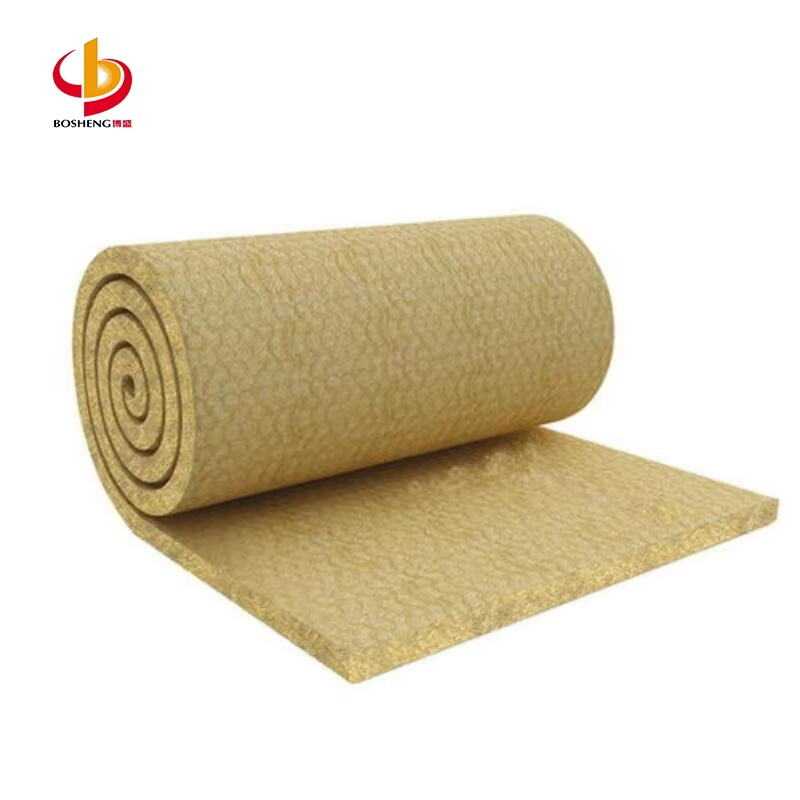
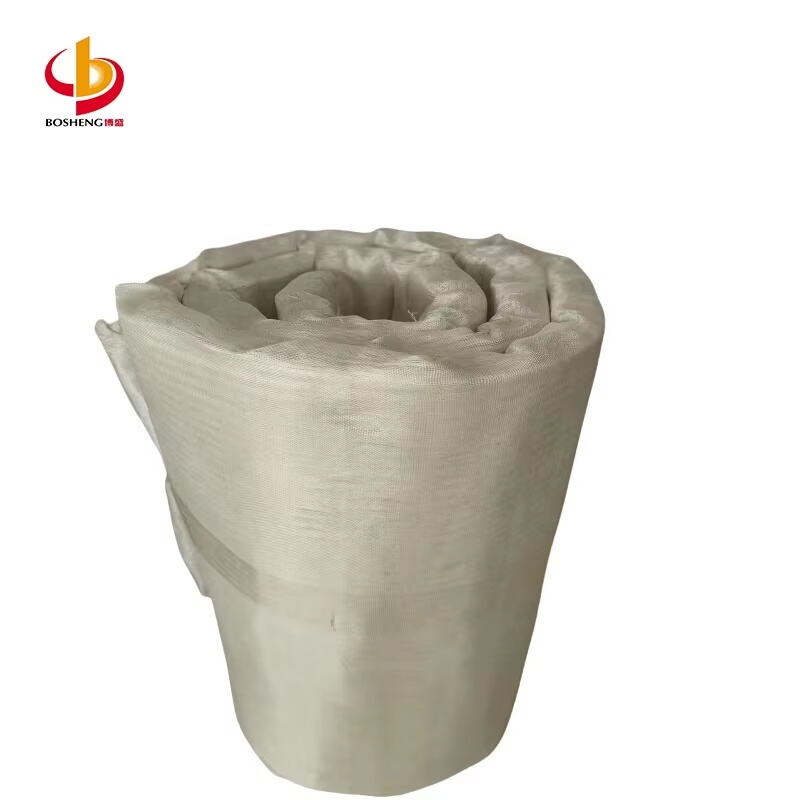
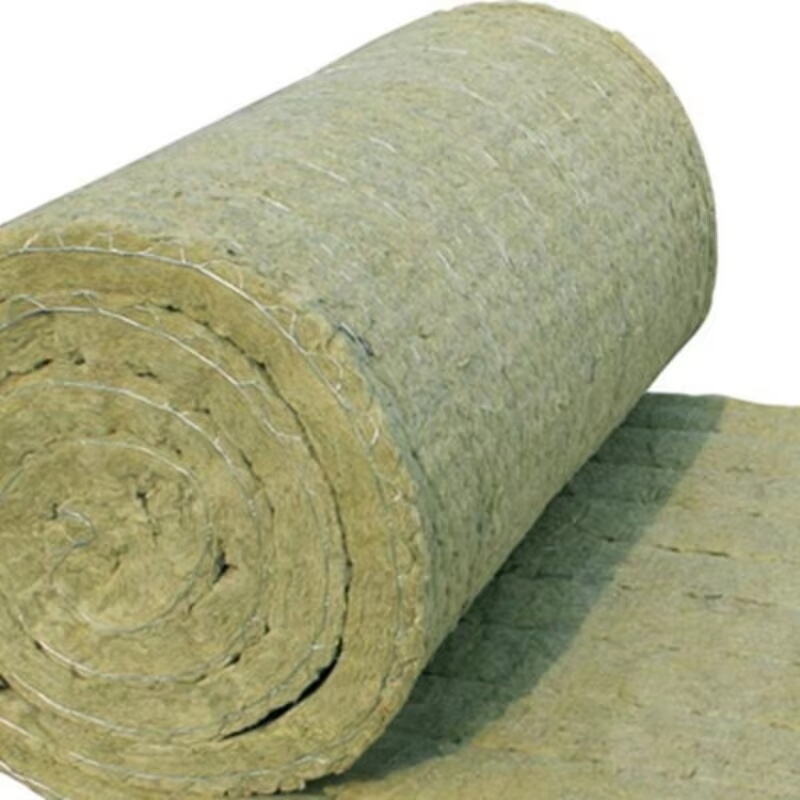
Premium Rock Insulation Materials: Superior Thermal Performance and Fire Safety Solutions

Get a Free Quote

Our representative will contact you soon.
Email
Name
Company Name
Message
0/1000

rock insulation materials for sale

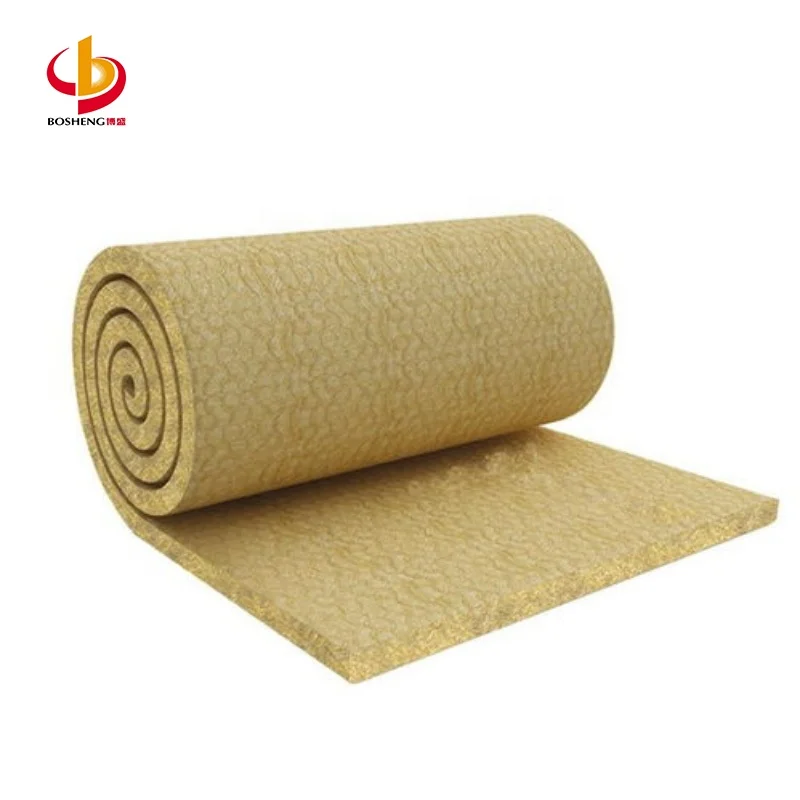
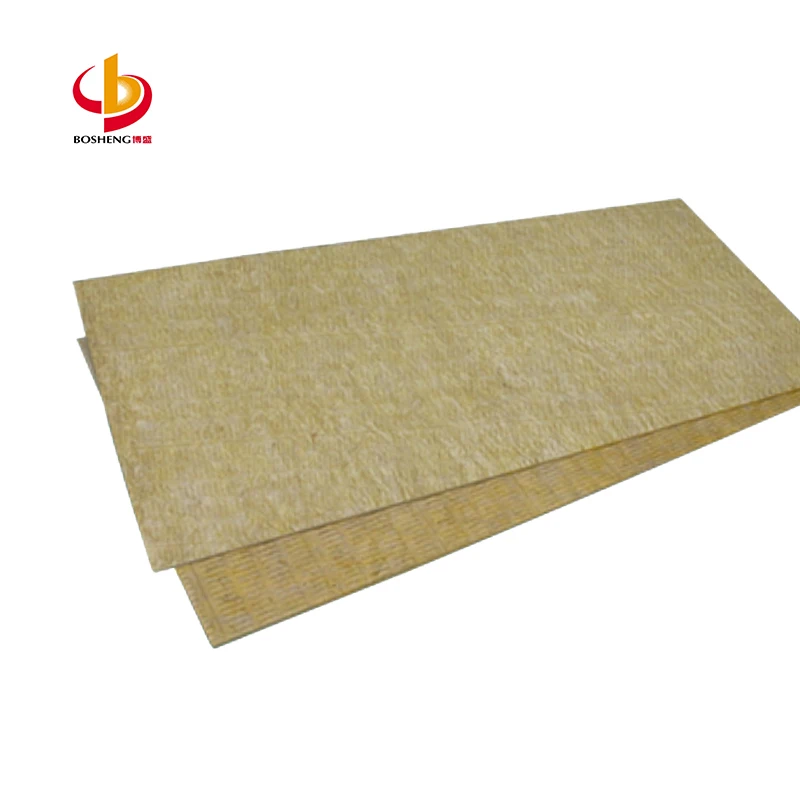
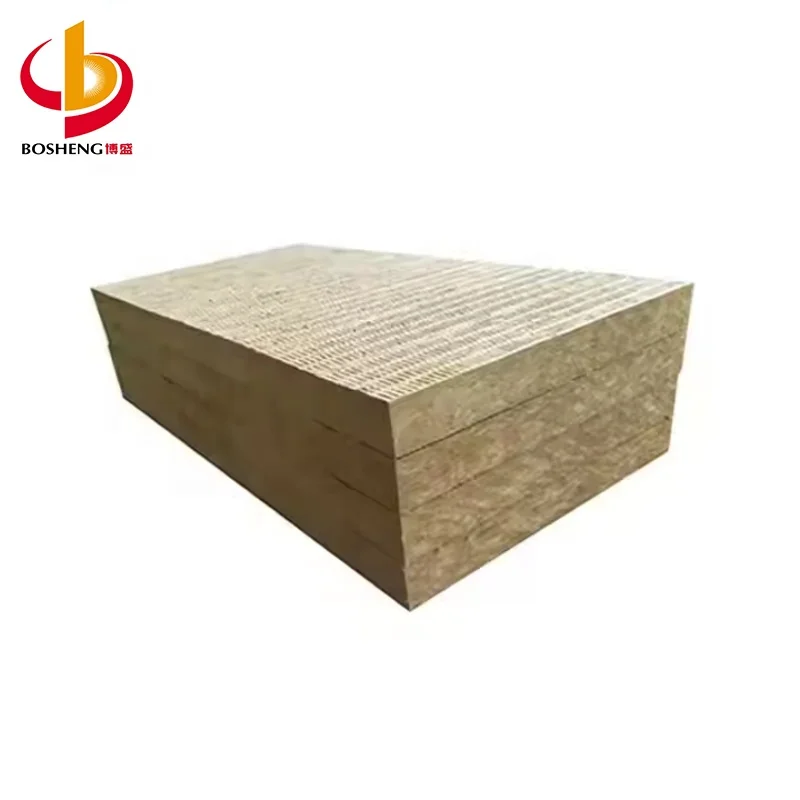
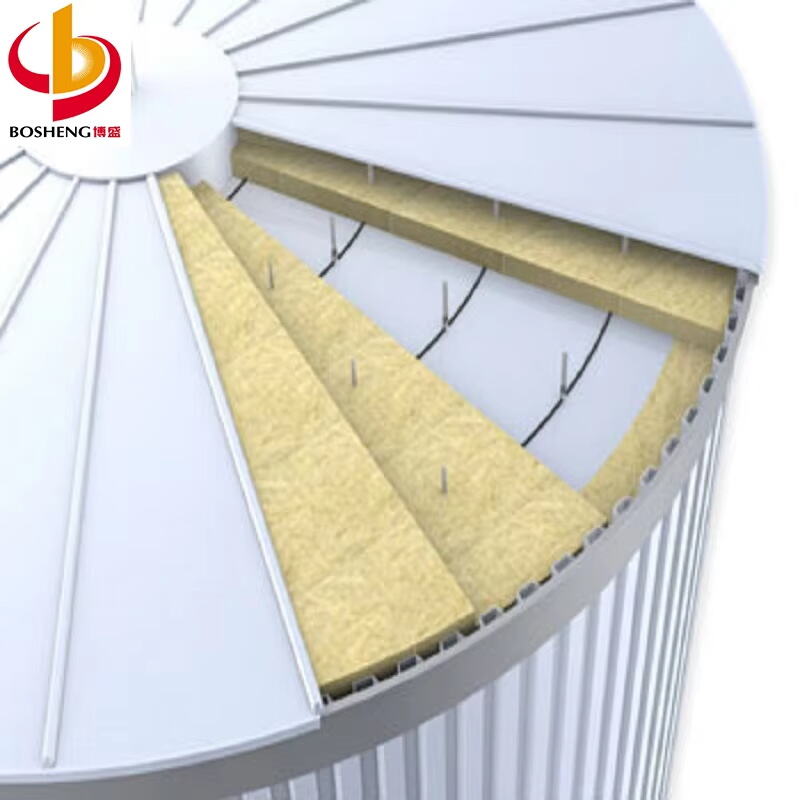
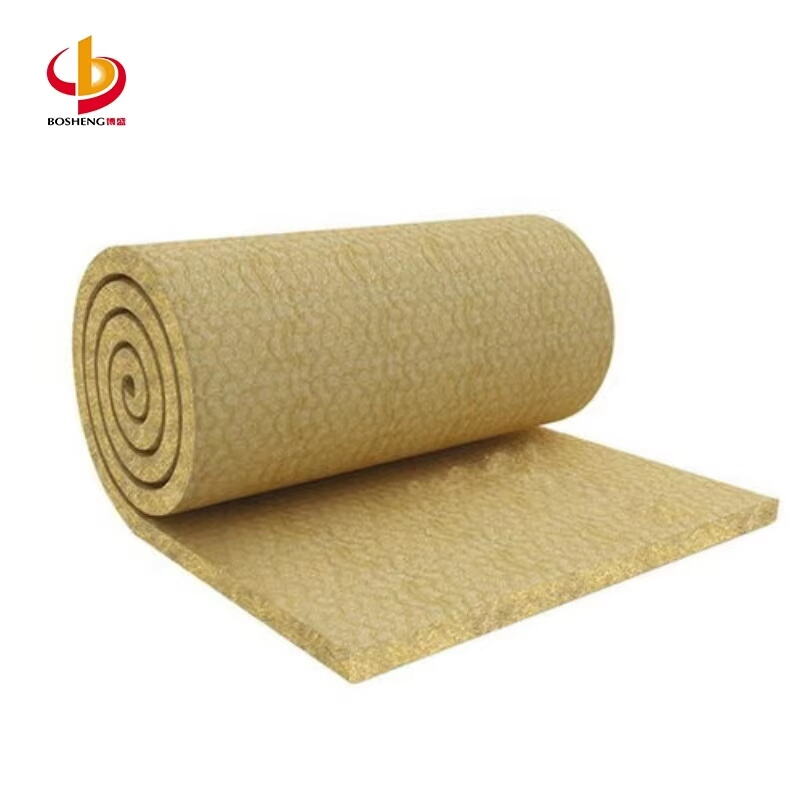
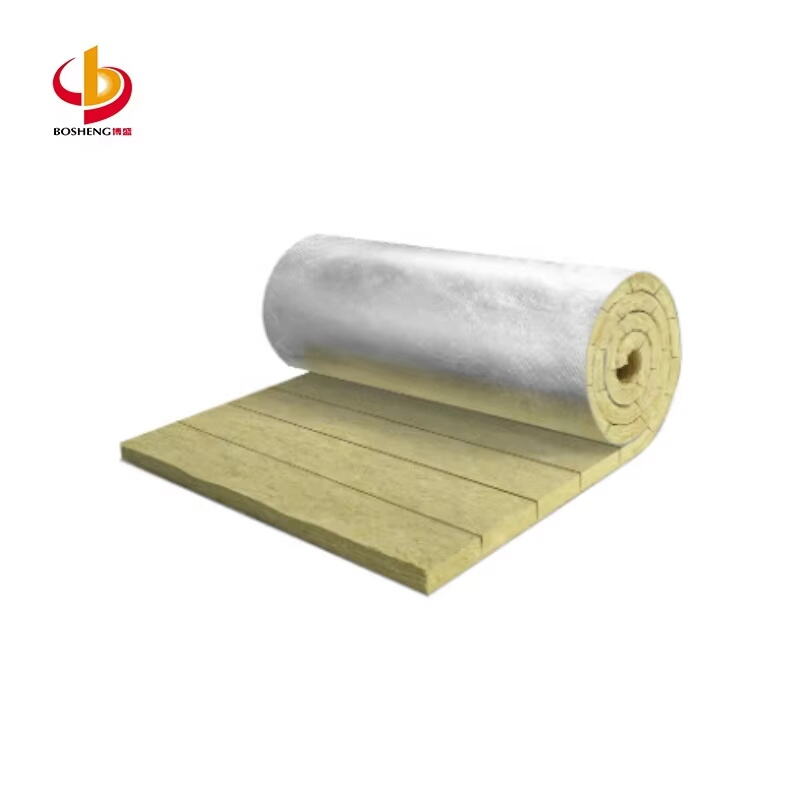
Rock insulation materials represent a cutting-edge solution in thermal and acoustic insulation technology, engineered from naturally occurring minerals processed into high-performance fiber materials. These materials are manufactured through an advanced melting and spinning process that transforms volcanic rock into dense, fibrous insulation products. The resulting material exhibits exceptional thermal resistance properties, with temperature tolerance ranging from -50°C to 750°C. These products are specifically designed to provide comprehensive insulation solutions across various applications, including residential construction, commercial buildings, and industrial facilities. The material's structure consists of interwoven mineral fibers that create countless microscopic air pockets, effectively trapping heat and reducing thermal transfer. Beyond thermal properties, rock insulation materials demonstrate remarkable sound absorption capabilities, making them ideal for acoustic management in buildings. They are also non-combustible, providing essential fire safety features with fire ratings typically exceeding 4 hours. The material's vapor-permeable nature allows buildings to breathe while maintaining optimal indoor climate conditions. These products come in various forms, including batts, rolls, and boards, offering flexibility in installation methods and applications. Each format is engineered to maintain its structural integrity over time, ensuring long-lasting performance and reliability.


New Product Releases

Rock insulation materials offer numerous compelling advantages that set them apart in the construction and industrial markets. First and foremost, their superior thermal performance significantly reduces energy consumption in buildings, leading to substantial cost savings on heating and cooling expenses. The material's exceptional durability ensures it maintains its insulating properties throughout the building's lifetime, requiring minimal maintenance or replacement. Unlike some synthetic alternatives, rock insulation is environmentally sustainable, being manufactured from abundant natural resources and often incorporating recycled content. The material's fire-resistant properties provide crucial safety benefits, as it doesn't contribute to fire spread and can actively protect structural elements during a fire event. Its acoustic properties effectively reduce noise transmission between spaces, enhancing occupant comfort in both residential and commercial settings. The material's water-repellent nature prevents moisture accumulation while remaining vapor-permeable, contributing to healthy indoor air quality and preventing mold growth. Installation flexibility is another key advantage, as the material can be easily cut and fitted to various spaces without losing its insulating properties. The product's dimensional stability ensures it won't sag or settle over time, maintaining consistent performance throughout its service life. Additionally, rock insulation materials are resistant to pests and vermin, eliminating the need for chemical treatments. Their inert nature means they won't corrode pipes or wiring, making them suitable for use in proximity to various building systems. The material's high density provides excellent compression resistance, allowing it to maintain its thickness and insulating properties even under load.

Tips And Tricks

What Are the Key Advantages of Using Rock Wool Rolls in Construction?

28

Aug

What Are the Key Advantages of Using Rock Wool Rolls in Construction?

Understanding the Revolutionary Impact of Mineral Fiber Insulation in Modern Construction The construction industry has witnessed remarkable evolution in insulation materials over the decades, with rock wool rolls emerging as a standout solution for ...
View More
Why Should You Consider Rock Wool Rolls for Roof and Wall Insulation?

28

Aug

Why Should You Consider Rock Wool Rolls for Roof and Wall Insulation?

Understanding the Superior Benefits of Mineral Fiber Insulation Solutions In the ever-evolving world of construction and home improvement, finding the right insulation material can make a significant difference in energy efficiency, comfort, and buil...
View More
How Does Rock Wool Rolls Contribute to a Greener Building Design?

28

Aug

How Does Rock Wool Rolls Contribute to a Greener Building Design?

Transforming Modern Architecture Through Sustainable Insulation Solutions The construction industry stands at a critical juncture where sustainable building practices have become more important than ever. At the forefront of this green revolution are...
View More
Where Are Rock Insulation Blanket Rolls Most Commonly Applied?

31

Oct

Where Are Rock Insulation Blanket Rolls Most Commonly Applied?

Understanding the Versatility of Mineral Wool Insulation Solutions Rock insulation blanket rolls have become increasingly essential in modern construction and industrial applications, offering superior thermal protection and fire resistance propertie...
View More

Get a Free Quote

Our representative will contact you soon.
Email
Name
Company Name
Message
0/1000

rock insulation materials for sale

Superior Thermal Performance and Energy Efficiency

Superior Thermal Performance and Energy Efficiency

Rock insulation materials excel in providing exceptional thermal performance through their unique fiber structure and composition. The material's thermal conductivity typically ranges from 0.032 to 0.040 W/mK, representing industry-leading efficiency in heat flow resistance. This superior insulating capability translates into significant energy savings, with buildings utilizing rock insulation typically experiencing 25-40% reduction in heating and cooling costs compared to uninsulated structures. The material's performance remains consistent across extreme temperature variations, maintaining its insulating properties from sub-zero conditions to high-temperature industrial applications. The unique fiber structure creates a complex network of air pockets that effectively trap heat, while the material's density ensures minimal thermal bridging. This combination of features results in year-round comfort for building occupants while substantially reducing energy consumption and associated carbon emissions.
Fire Safety and Building Protection

Fire Safety and Building Protection

One of the most critical attributes of rock insulation materials is their outstanding fire safety characteristics. These materials are classified as non-combustible according to international building standards, with melting points typically exceeding 1000°C. This high temperature resistance makes them crucial components in fire-resistant building assemblies, providing essential protection for structural elements during fire events. The material maintains its structural integrity when exposed to extreme heat, preventing fire spread and potentially saving lives by extending evacuation times. Independent testing has demonstrated that rock insulation can withstand direct flame exposure for up to 4 hours while maintaining its protective properties. This level of fire resistance is particularly valuable in commercial and industrial applications where fire safety regulations are stringent and the consequences of fire damage can be severe.
Environmental Sustainability and Longevity

Environmental Sustainability and Longevity

Rock insulation materials represent a sustainable choice in building materials, combining environmental responsibility with long-term performance. The manufacturing process utilizes abundant natural resources and incorporates up to 75% recycled content, significantly reducing the product's environmental impact. These materials are fully recyclable at the end of their life cycle, supporting circular economy principles in construction. The product's durability ensures a service life that typically matches or exceeds the building's lifespan, minimizing replacement needs and associated waste. Environmental certifications validate the material's low environmental impact, with many products carrying Environmental Product Declarations (EPDs) and contributing to green building certifications. The material's production process has been optimized to reduce energy consumption and emissions, resulting in a significantly lower carbon footprint compared to many alternative insulation materials.

Get a Free Quote

Our representative will contact you soon.
Email
Name
Company Name
Message
0/1000