Rock Insulation Materials: Superior Thermal Performance and Fire Safety Solutions

Get a Free Quote

Our representative will contact you soon.
Email
Name
Company Name
Message
0/1000

rock insulation materials and thickness

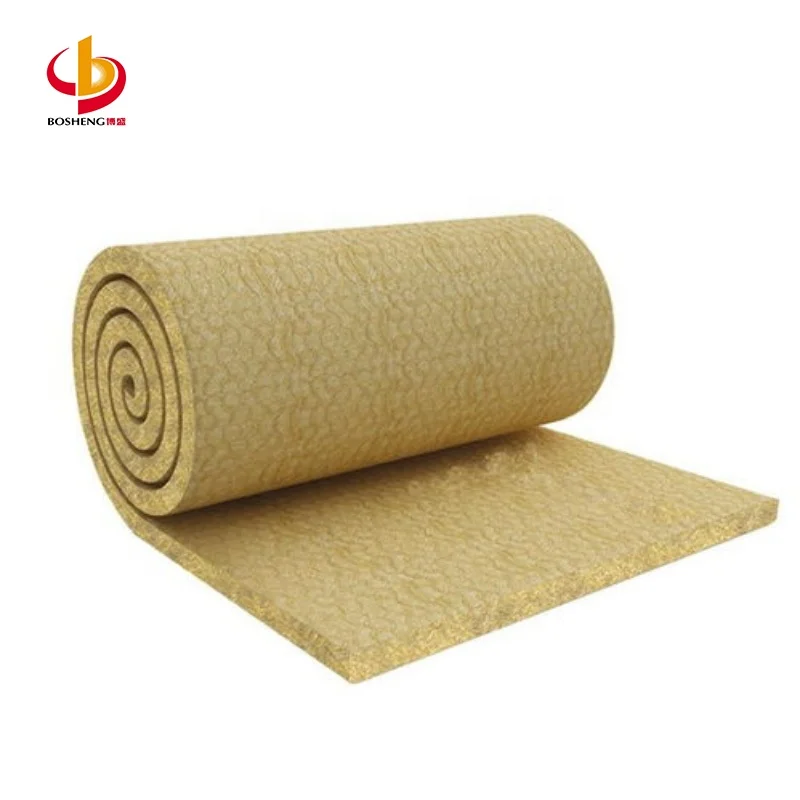
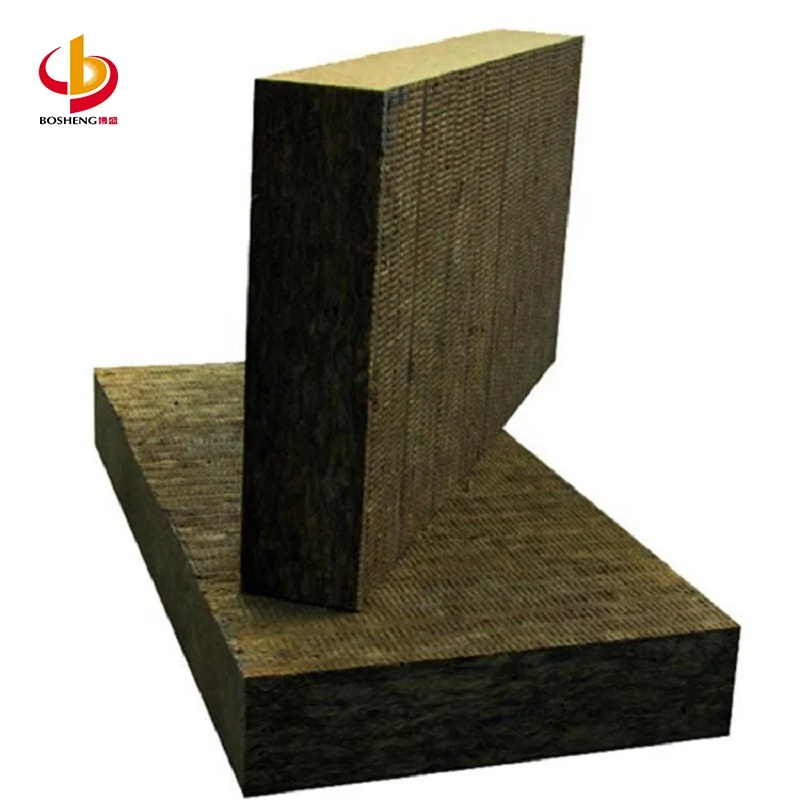
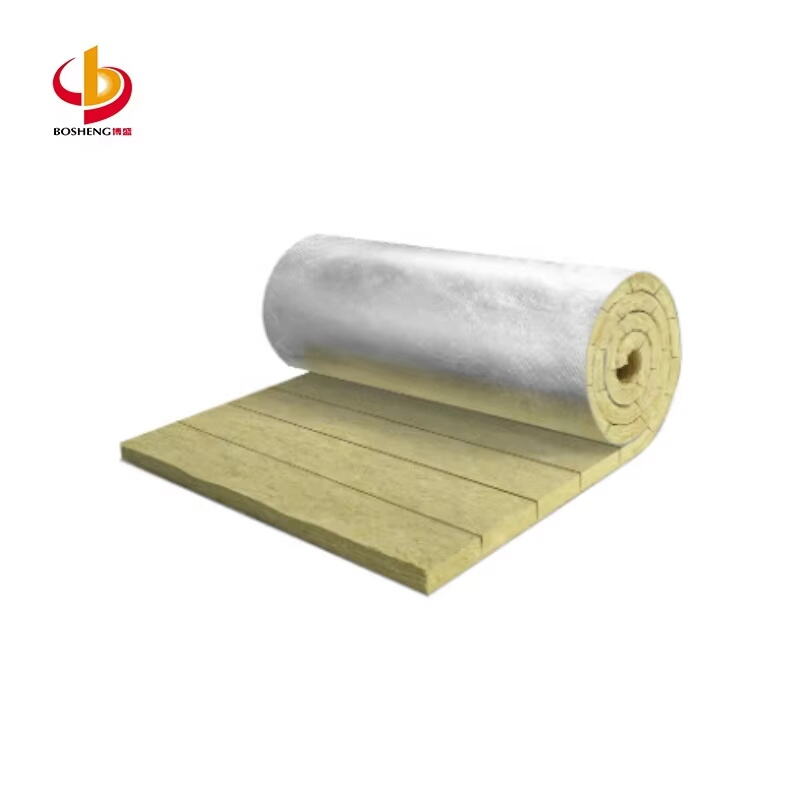
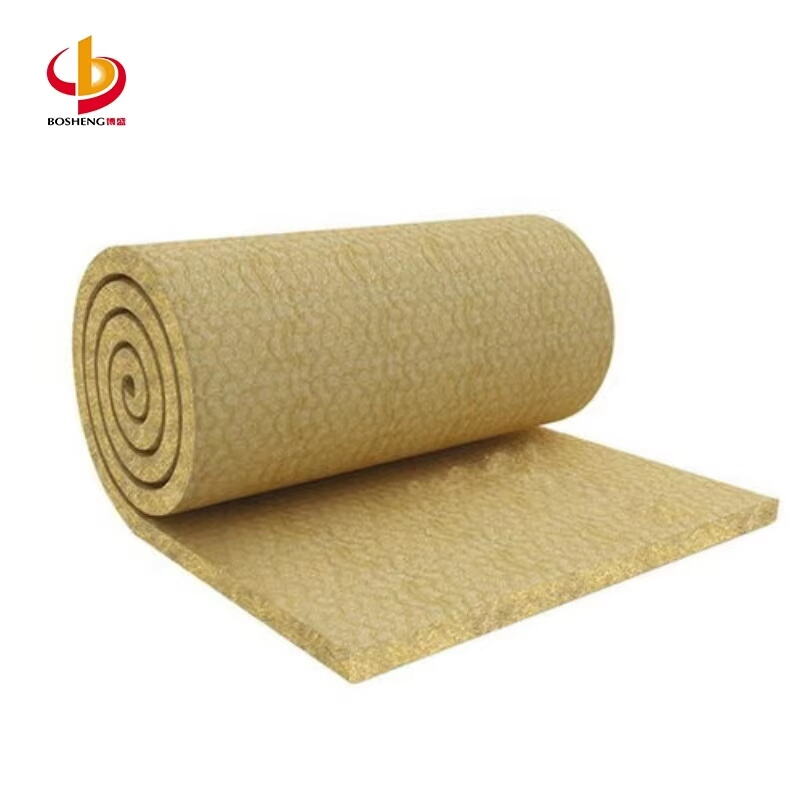
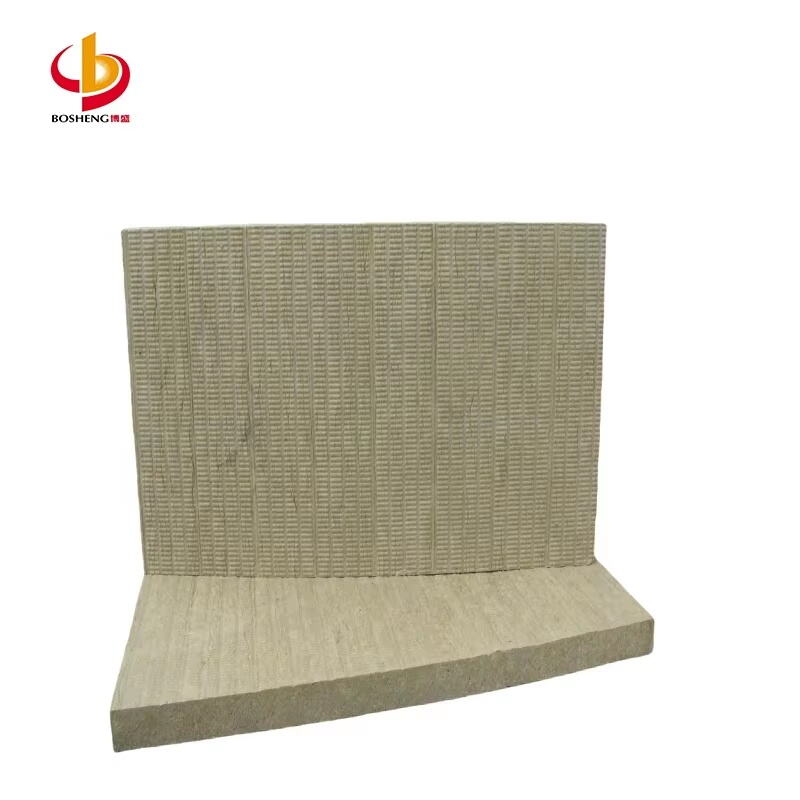
Rock insulation materials and thickness represent a crucial component in modern construction and industrial applications, offering superior thermal and acoustic insulation properties. These materials, primarily manufactured from natural rock minerals such as basalt or diabase, are melted at high temperatures and spun into fibers. The thickness of rock insulation materials typically ranges from 50mm to 200mm, depending on specific application requirements and desired performance levels. These materials excel in providing exceptional fire resistance, with the ability to withstand temperatures up to 1000°C while maintaining their structural integrity. The non-combustible nature of rock insulation makes it an ideal choice for fire-safe building designs. The material's density and thickness directly correlate with its insulation performance, offering flexibility in meeting various building codes and energy efficiency standards. Rock insulation materials are widely used in residential and commercial construction, industrial facilities, and HVAC systems, providing effective temperature control, sound absorption, and moisture resistance. The manufacturing process ensures consistent quality and uniform density distribution throughout the material, contributing to its long-term durability and performance reliability.


New Product Recommendations

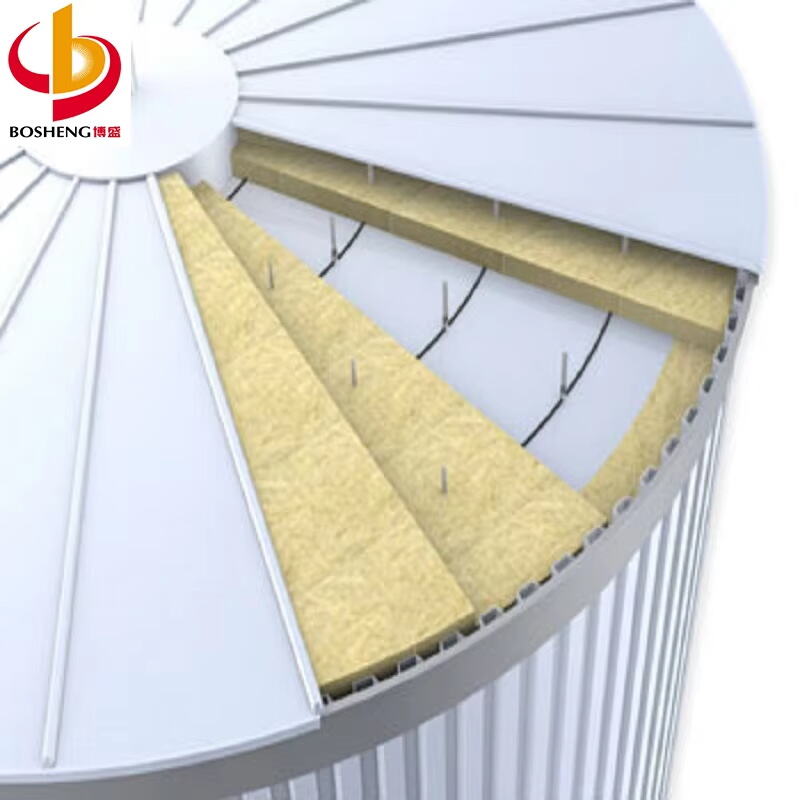
Rock insulation materials and thickness offer numerous compelling advantages that make them a superior choice for construction and industrial applications. Firstly, their exceptional thermal performance significantly reduces energy consumption in buildings, leading to lower heating and cooling costs throughout the year. The material's natural composition ensures excellent fire resistance without the need for additional chemical treatments, providing inherent safety benefits. The varying thickness options allow for customized solutions to meet specific insulation requirements, whether for walls, roofs, or technical installations. Rock insulation's acoustic properties effectively reduce noise transmission, creating more comfortable living and working environments. The material's vapor-permeable nature helps prevent moisture accumulation while maintaining optimal indoor air quality. Its durability ensures a long service life, typically lasting the entire lifetime of the building with minimal maintenance requirements. The environmentally friendly aspects of rock insulation, including its recyclability and use of abundant natural resources, align with sustainable building practices. The material's dimensional stability prevents settling or sagging over time, maintaining consistent performance throughout its lifespan. Installation flexibility allows for both new construction and renovation projects, with options for different application methods. The cost-effectiveness of rock insulation becomes particularly apparent when considering its long-term benefits, including reduced energy costs and minimal maintenance requirements.

Practical Tips

How Does Rock Wool Rolls Contribute to a Greener Building Design?

28

Aug

How Does Rock Wool Rolls Contribute to a Greener Building Design?

Transforming Modern Architecture Through Sustainable Insulation Solutions The construction industry stands at a critical juncture where sustainable building practices have become more important than ever. At the forefront of this green revolution are...
View More
What Are Rock Wool Rolls and Why Are They Used in Modern Buildings?

12

Sep

What Are Rock Wool Rolls and Why Are They Used in Modern Buildings?

Understanding the Revolutionary Impact of Mineral Wool Insulation in Contemporary Architecture Modern construction has evolved dramatically over the past decades, with innovative materials playing a crucial role in creating more efficient and sustain...
View More
What Applications Benefit Most from Fireproof Rock Insulation Blanket Rolls?

12

Sep

What Applications Benefit Most from Fireproof Rock Insulation Blanket Rolls?

The Essential Guide to Fire Protection Through Mineral Wool Insulation In today's industrial and commercial environments, fire safety remains a paramount concern. Fireproof rock insulation blanket rolls have emerged as a critical component in protect...
View More
Why Are Fireproof Rock Insulation Blanket Rolls a Top Choice?

12

Sep

Why Are Fireproof Rock Insulation Blanket Rolls a Top Choice?

The Evolution of Modern Fire Safety Solutions In today's construction and industrial landscape, the demand for reliable fire protection solutions has never been higher. Among the most innovative and effective solutions, fireproof rock insulation blan...
View More

Get a Free Quote

Our representative will contact you soon.
Email
Name
Company Name
Message
0/1000

rock insulation materials and thickness

Superior Thermal Performance and Energy Efficiency

Superior Thermal Performance and Energy Efficiency

Rock insulation materials demonstrate exceptional thermal performance capabilities, primarily attributed to their unique fiber structure and carefully controlled thickness specifications. The material's thermal conductivity typically ranges from 0.033 to 0.040 W/mK, providing outstanding resistance to heat transfer. This superior insulation capability significantly reduces thermal bridging in buildings, resulting in consistent indoor temperatures and reduced energy consumption. The material's thickness can be precisely tailored to achieve specific R-values, allowing builders and architects to meet or exceed local building energy codes. The combination of proper thickness selection and material density ensures optimal thermal performance across varying climate conditions and seasonal temperature fluctuations. This results in substantial energy savings, with properly installed rock insulation potentially reducing heating and cooling costs by up to 40%.
Fire Safety and Structural Integrity

Fire Safety and Structural Integrity

The inherent fire resistance of rock insulation materials represents a critical safety feature in modern construction. These materials are classified as non-combustible according to international building standards, maintaining their structural integrity at temperatures exceeding 1000°C. The thickness of the insulation plays a vital role in achieving specific fire resistance ratings, with different thickness options available to meet various fire safety requirements. The material's ability to prevent fire spread and maintain its insulative properties during exposure to high temperatures makes it an essential component in fire-safe building design. The non-toxic nature of rock insulation ensures that it doesn't emit harmful gases or smoke during fire events, contributing to occupant safety during emergencies.
Environmental Sustainability and Longevity

Environmental Sustainability and Longevity

Rock insulation materials exemplify environmental sustainability through their production process and long-term performance characteristics. The manufacturing process utilizes abundant natural resources and incorporates recycled content, reducing the environmental impact of production. The material's durability and maintained performance over time minimize the need for replacement, reducing waste and resource consumption throughout the building's lifecycle. The thickness stability of rock insulation ensures consistent performance without settling or degradation, contributing to its long-term effectiveness. The material's recyclability at the end of its useful life further enhances its environmental credentials. Additionally, the energy savings achieved through proper insulation thickness contribute significantly to reducing a building's carbon footprint, supporting global sustainability goals.

Get a Free Quote

Our representative will contact you soon.
Email
Name
Company Name
Message
0/1000