Rock Wall Insulation: Superior Thermal Performance, Fire Safety, and Sustainable Building Solutions

Get a Free Quote

Our representative will contact you soon.
Email
Name
Company Name
Message
0/1000

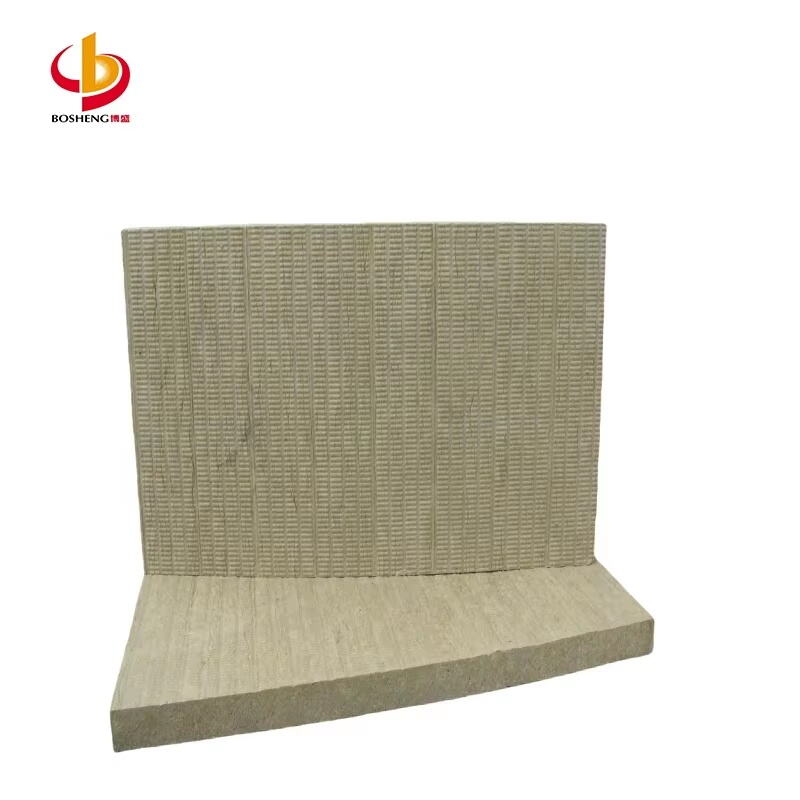
rock insulation materials for walls

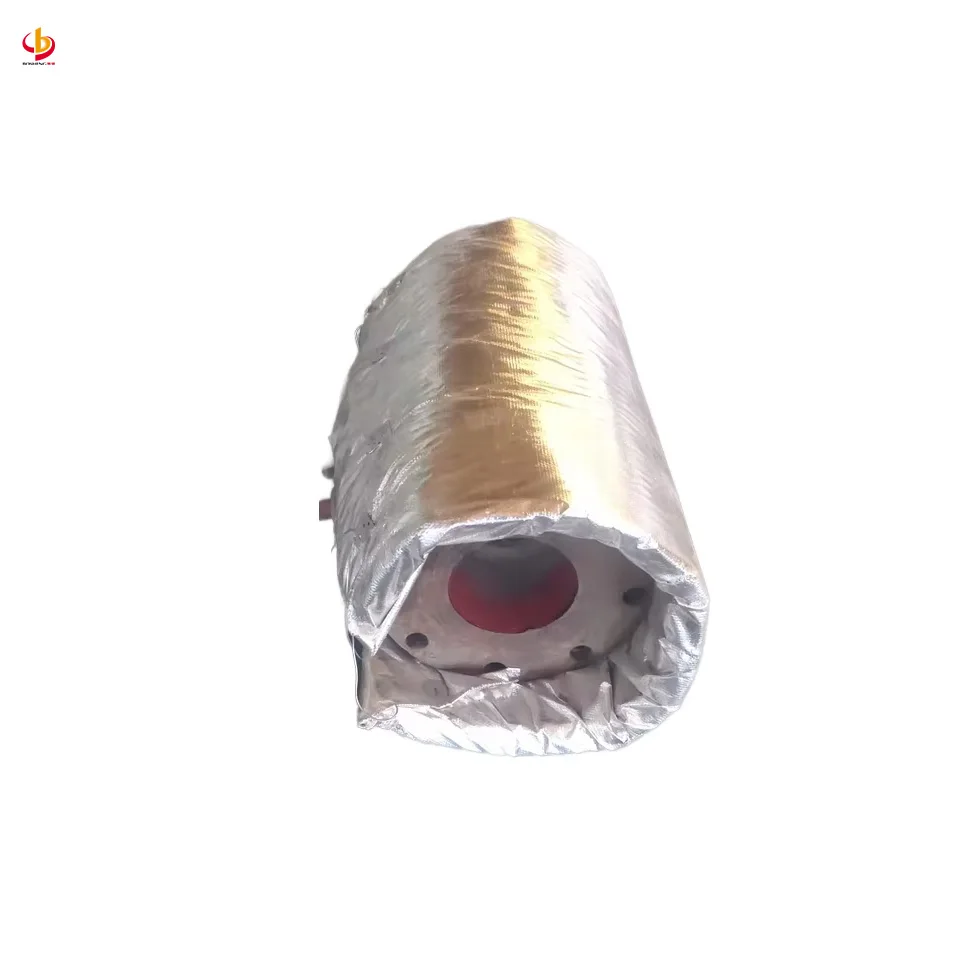
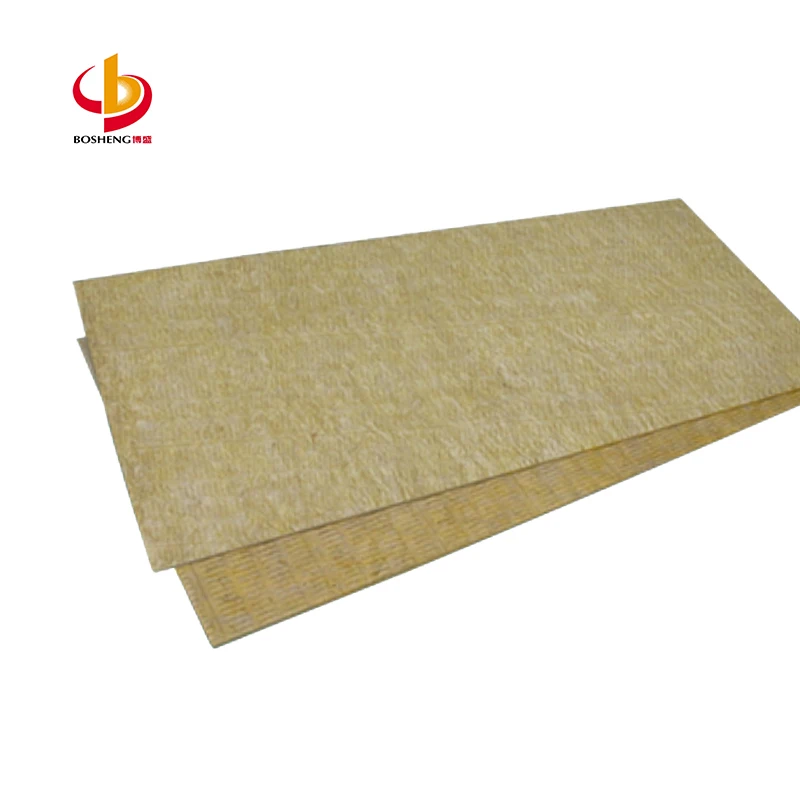
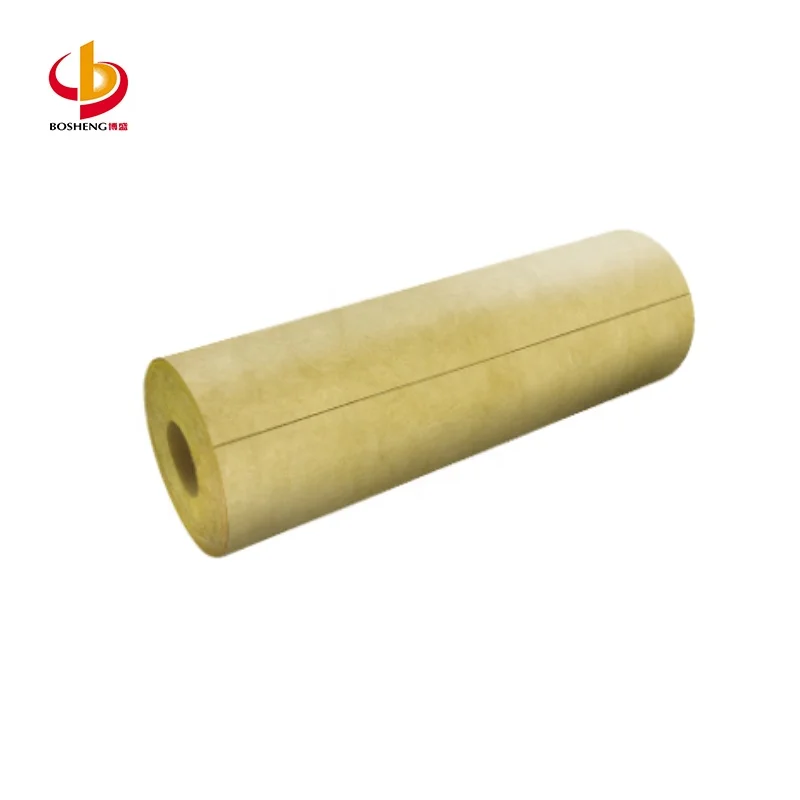
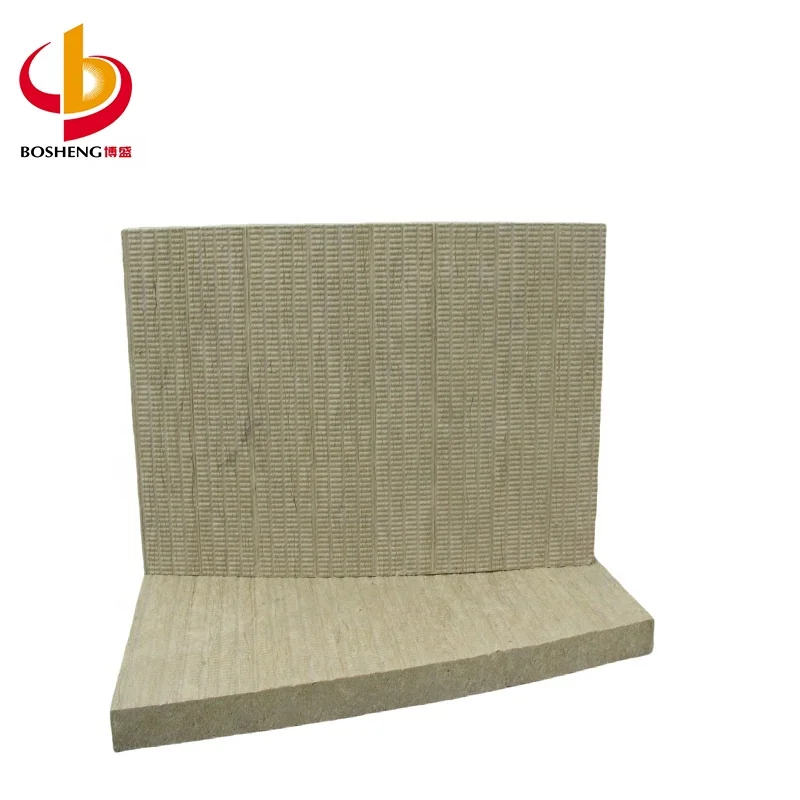
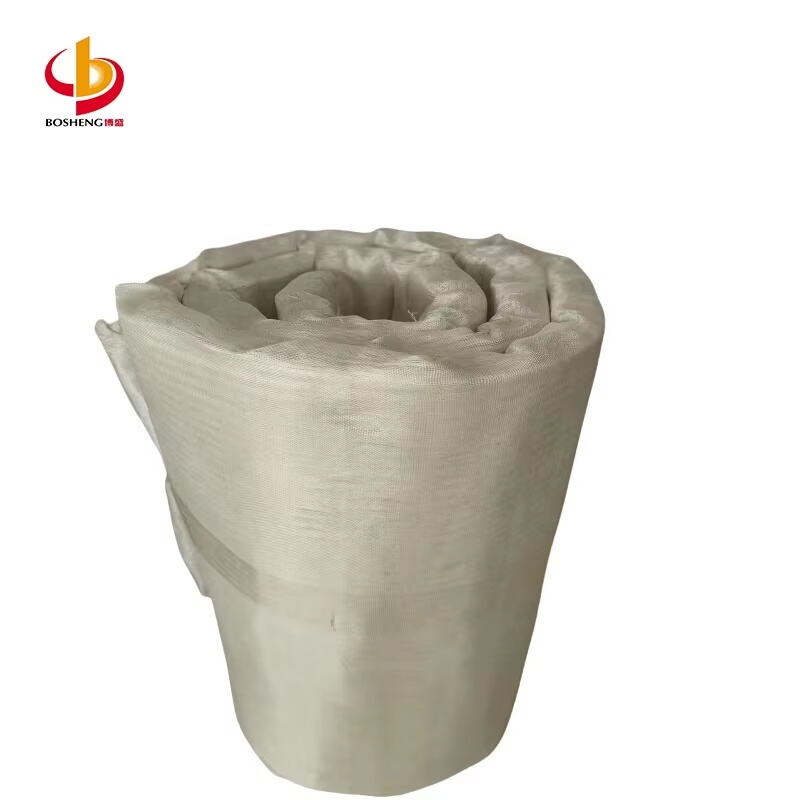
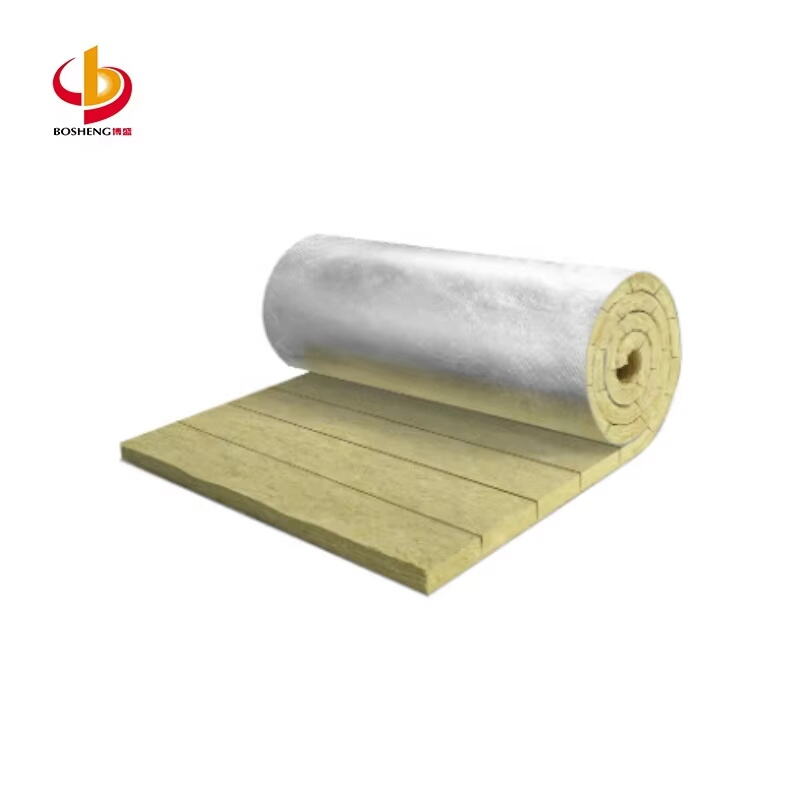
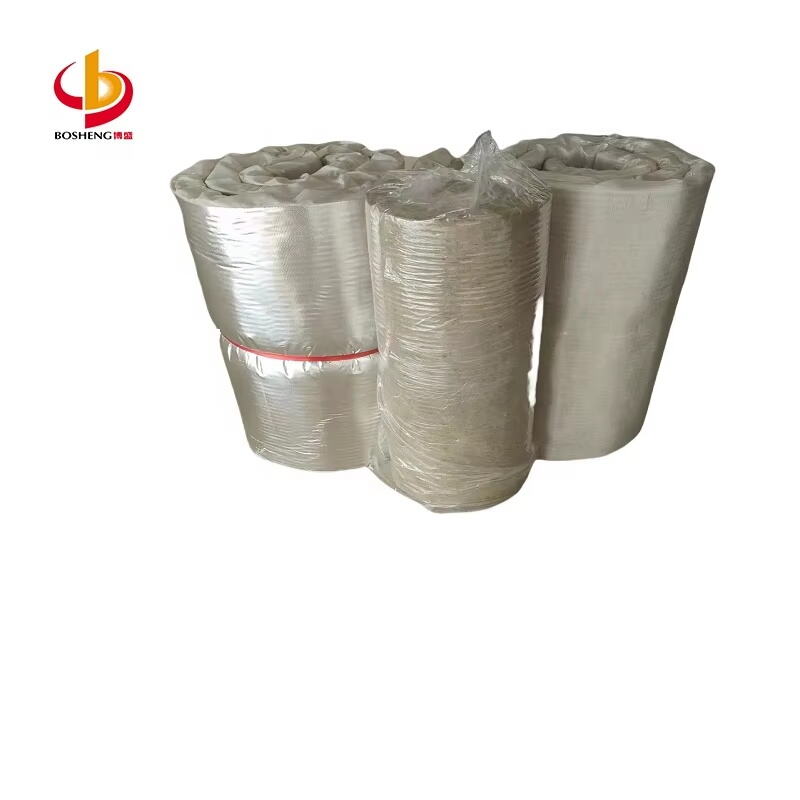
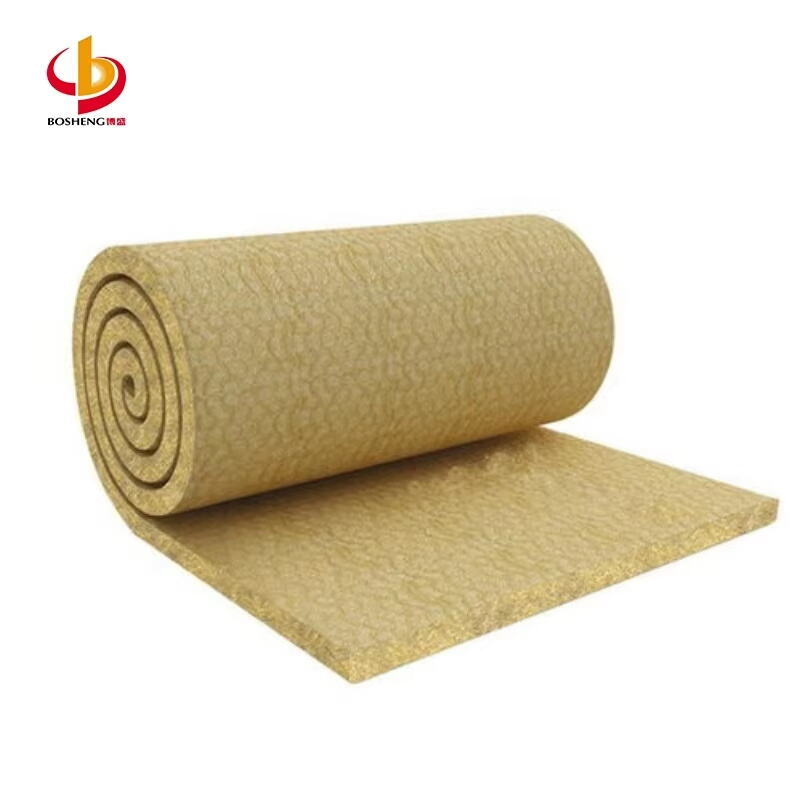
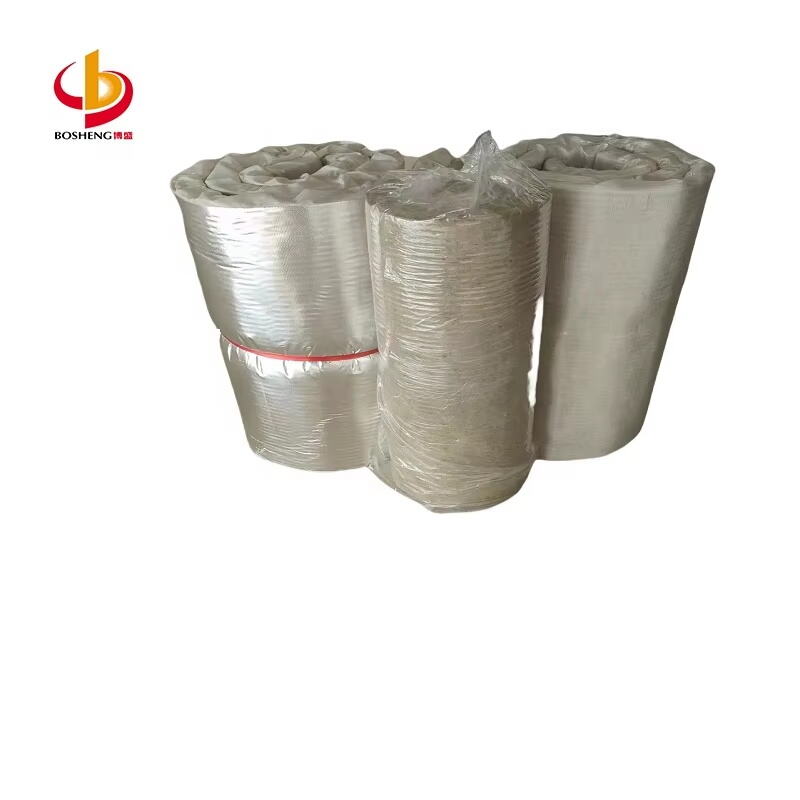
Rock insulation materials for walls represent a cutting-edge solution in modern construction and building efficiency. These materials, primarily composed of natural rock fibers, are engineered to provide superior thermal and acoustic insulation properties. The manufacturing process involves melting natural rocks at extremely high temperatures, typically around 1500°C, before spinning them into fine fibers that are compressed into various forms suitable for wall installation. These materials excel in providing comprehensive insulation coverage, with their unique fiber structure creating countless tiny air pockets that effectively trap heat and reduce thermal transfer. The material's density and composition make it particularly effective in maintaining consistent indoor temperatures while simultaneously offering excellent fire resistance properties, with many products capable of withstanding temperatures up to 1000°C. Rock insulation materials are versatile in their application, suitable for both interior and exterior walls, and can be installed in various forms including batts, rolls, or boards. They are especially valuable in both new construction projects and renovation work, offering solutions for cavity walls, solid walls, and partition walls. The material's natural properties also contribute to significant noise reduction, making it an ideal choice for both residential and commercial buildings in urban environments.


Popular Products

Rock insulation materials for walls offer numerous compelling advantages that make them a superior choice for modern construction projects. First and foremost, their exceptional thermal performance significantly reduces energy consumption, leading to lower heating and cooling costs throughout the year. The material's high density and fiber structure provide outstanding temperature regulation, maintaining warmer indoor temperatures in winter and cooler environments during summer. The natural fire resistance of rock-based insulation adds an essential safety feature, as it doesn't contribute to fire spread and can help contain fires within building compartments. Environmental sustainability is another key advantage, as these materials are produced from abundant natural resources and can often contain recycled content. They are also fully recyclable at the end of their life cycle, aligning with green building practices. The durability of rock insulation is remarkable, maintaining its performance characteristics for the building's entire lifetime without degradation. Its dimensional stability ensures it won't sag or settle over time, providing consistent insulation performance. The material's vapor-permeable nature helps manage moisture within wall systems, reducing the risk of mold and mildew growth. Installation flexibility is another significant benefit, as the material can be cut to precise dimensions and easily fitted around obstacles like pipes and electrical boxes. The non-toxic nature of rock insulation makes it safe for installers and occupants, and its inert properties mean it won't corrode pipes or wires. Additionally, the acoustic properties of rock insulation significantly reduce sound transmission through walls, creating more comfortable living and working spaces.

Latest News

How Does Rock Wool Rolls Contribute to a Greener Building Design?

28

Aug

How Does Rock Wool Rolls Contribute to a Greener Building Design?

Transforming Modern Architecture Through Sustainable Insulation Solutions The construction industry stands at a critical juncture where sustainable building practices have become more important than ever. At the forefront of this green revolution are...
View More
What Applications Benefit Most from Fireproof Rock Insulation Blanket Rolls?

12

Sep

What Applications Benefit Most from Fireproof Rock Insulation Blanket Rolls?

The Essential Guide to Fire Protection Through Mineral Wool Insulation In today's industrial and commercial environments, fire safety remains a paramount concern. Fireproof rock insulation blanket rolls have emerged as a critical component in protect...
View More
What Factors Should You Consider When Selecting Rock Wool Acoustic Insulation?

31

Oct

What Factors Should You Consider When Selecting Rock Wool Acoustic Insulation?

Essential Guidelines for Choosing High-Performance Acoustic Insulation Materials The selection of rock wool acoustic insulation plays a pivotal role in achieving optimal sound control and thermal performance in any building project. Whether you're wo...
View More
Can External Wall Insulation Rock Wool Protect Against Noise Pollution?

31

Oct

Can External Wall Insulation Rock Wool Protect Against Noise Pollution?

Understanding Sound Insulation Properties of Rock Wool for Exterior Walls Living in urban environments often means dealing with constant noise from traffic, construction, and neighboring activities. External wall insulation rock wool has emerged as a...
View More

Get a Free Quote

Our representative will contact you soon.
Email
Name
Company Name
Message
0/1000

rock insulation materials for walls

Superior Thermal Performance and Energy Efficiency

Superior Thermal Performance and Energy Efficiency

Rock insulation materials demonstrate exceptional thermal performance through their unique fiber structure and high density composition. The material creates millions of microscopic air pockets that effectively trap heat and prevent thermal bridging, resulting in significant energy savings. This superior insulation capability translates to reduced heating and cooling costs, with studies showing potential energy savings of up to 40% compared to uninsulated walls. The material's thermal conductivity values typically range from 0.030 to 0.040 W/mK, making it one of the most effective insulation solutions available. The consistency of performance across varying temperature conditions ensures year-round comfort and energy efficiency, maintaining stable indoor temperatures regardless of external weather conditions.
Fire Safety and Building Protection

Fire Safety and Building Protection

The inherent fire-resistant properties of rock insulation materials make them an invaluable component in building safety systems. These materials can withstand temperatures exceeding 1000°C without melting or contributing to fire spread, providing crucial time for building evacuation in emergency situations. The non-combustible nature of rock insulation has earned it the highest fire safety ratings in building materials classification systems. When installed in walls, it creates an effective fire barrier that helps contain fires within compartments, potentially preventing their spread to other areas of the building. This natural fire resistance doesn't deteriorate over time and requires no additional chemical treatments, making it a reliable long-term safety feature.
Environmental Sustainability and Longevity

Environmental Sustainability and Longevity

Rock insulation materials represent a sustainable choice in building materials, with their production process utilizing abundant natural resources and often incorporating recycled content. The manufacturing process is optimized for energy efficiency, and the resulting product's long lifespan significantly reduces its environmental impact over time. These materials typically maintain their insulation properties for the entire life of the building, requiring no replacement or maintenance. Their inert nature means they won't off-gas or release harmful substances into the environment. The material's recyclability at the end of its life cycle creates a closed-loop system, reducing waste and supporting circular economy principles. Additionally, the energy savings achieved through its use contribute to reduced carbon emissions throughout the building's operational life.

Get a Free Quote

Our representative will contact you soon.
Email
Name
Company Name
Message
0/1000