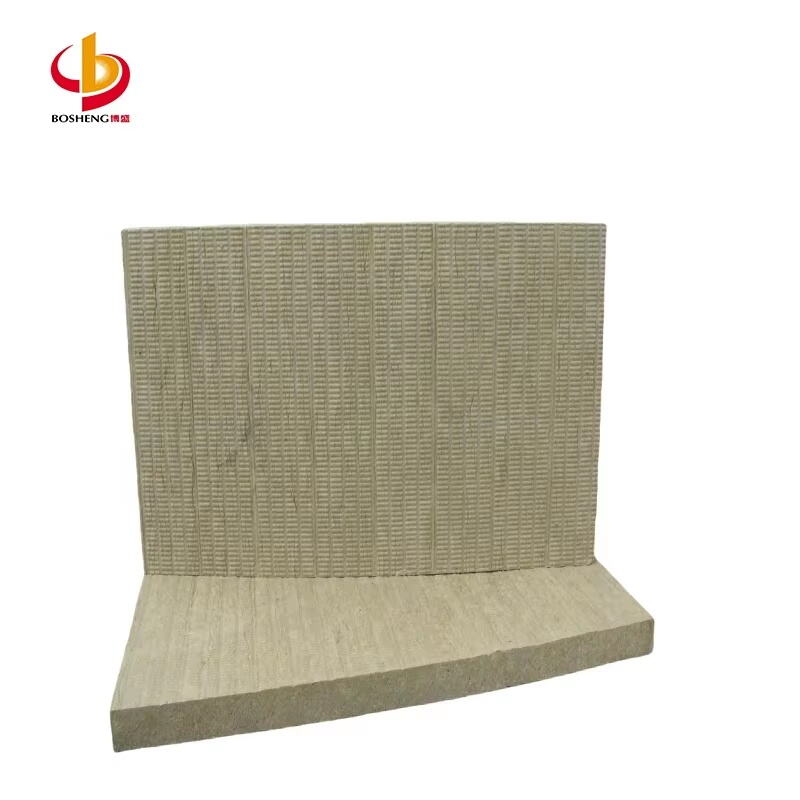
rock insulation materials vs fiberglass
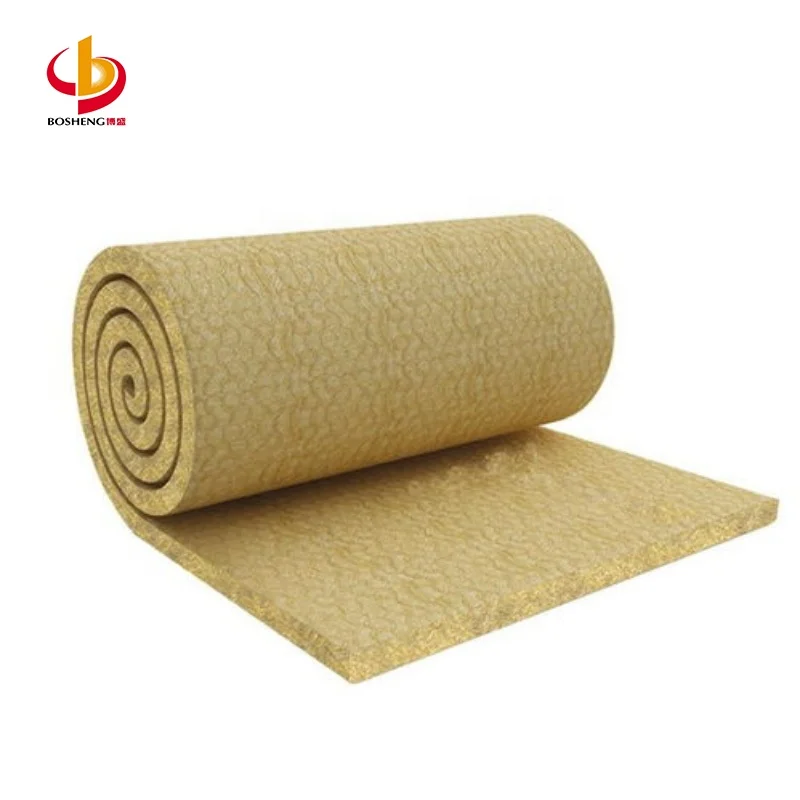
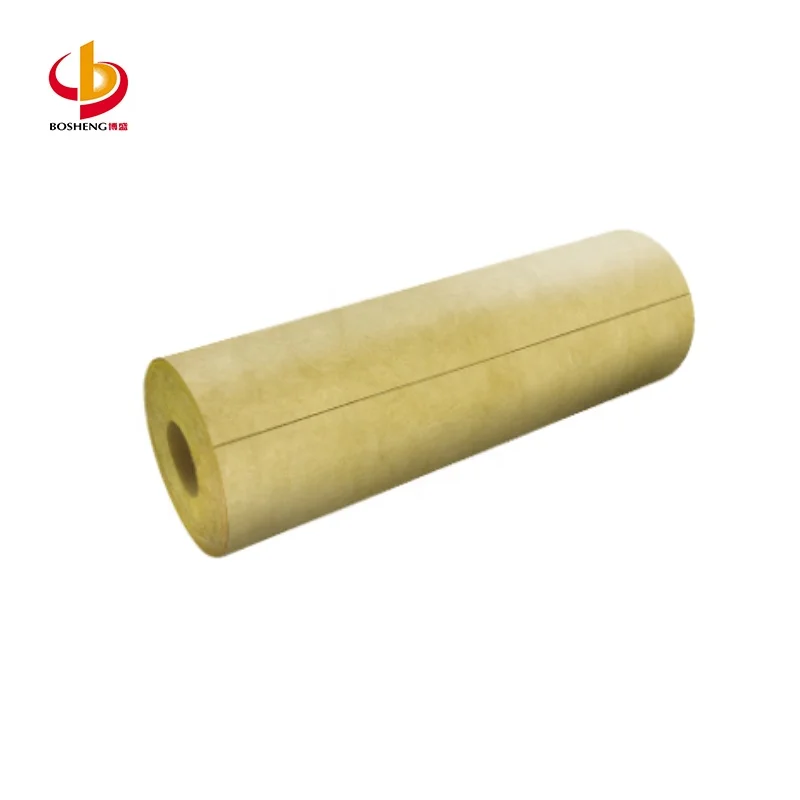
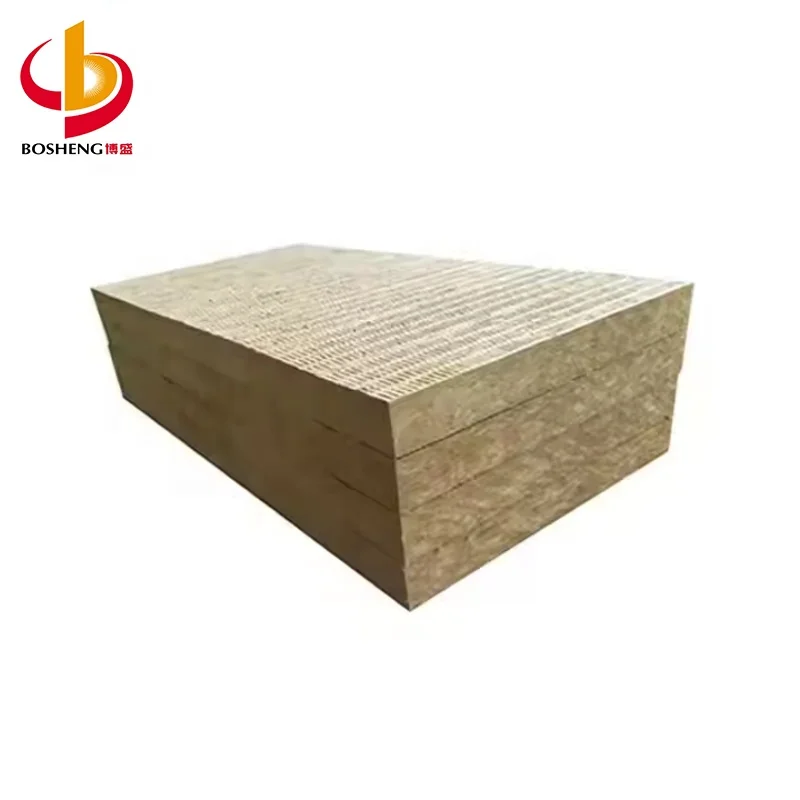
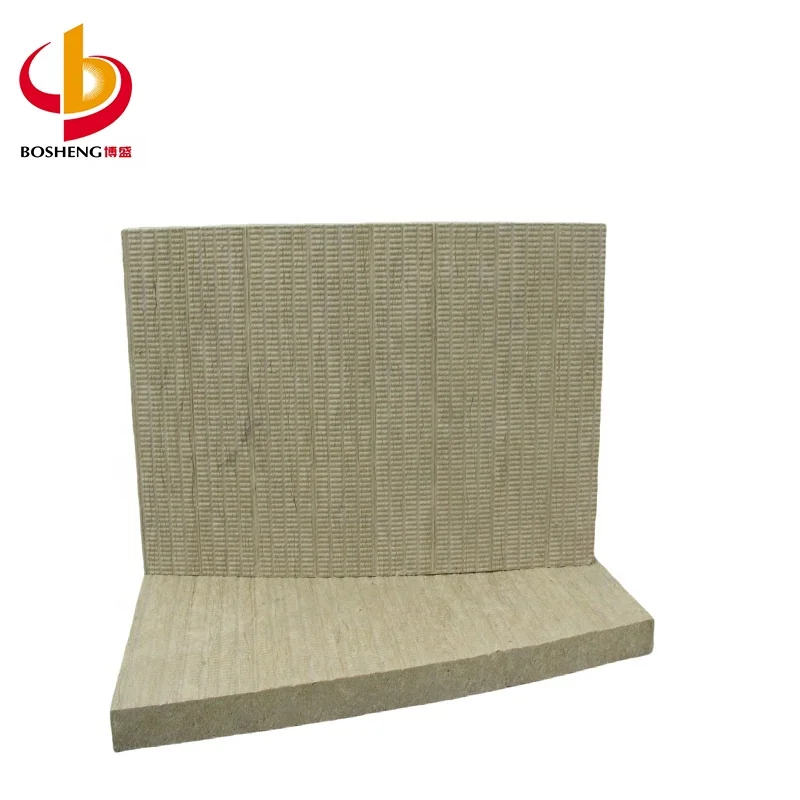
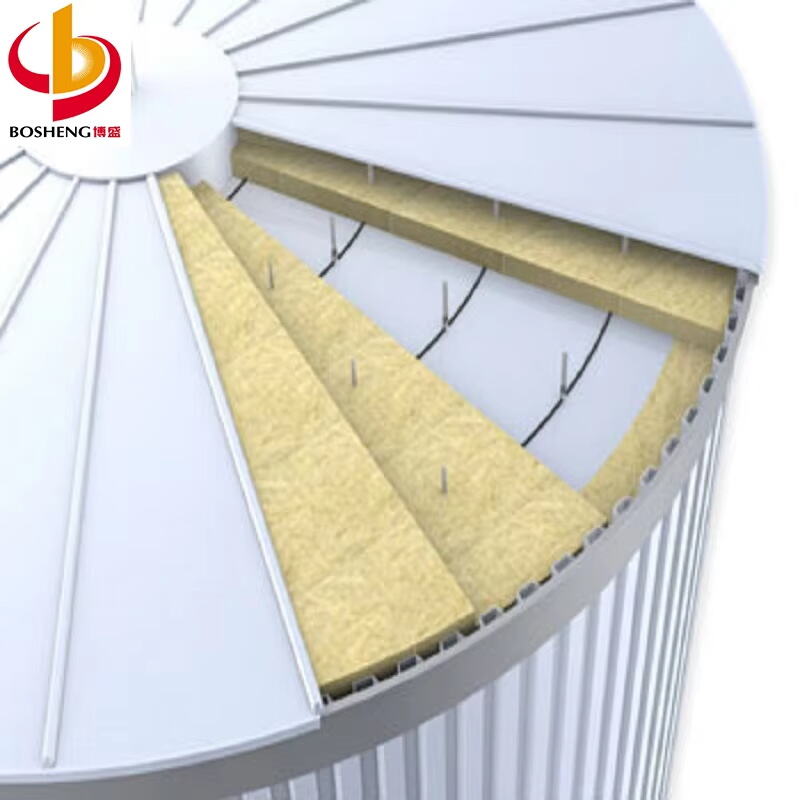
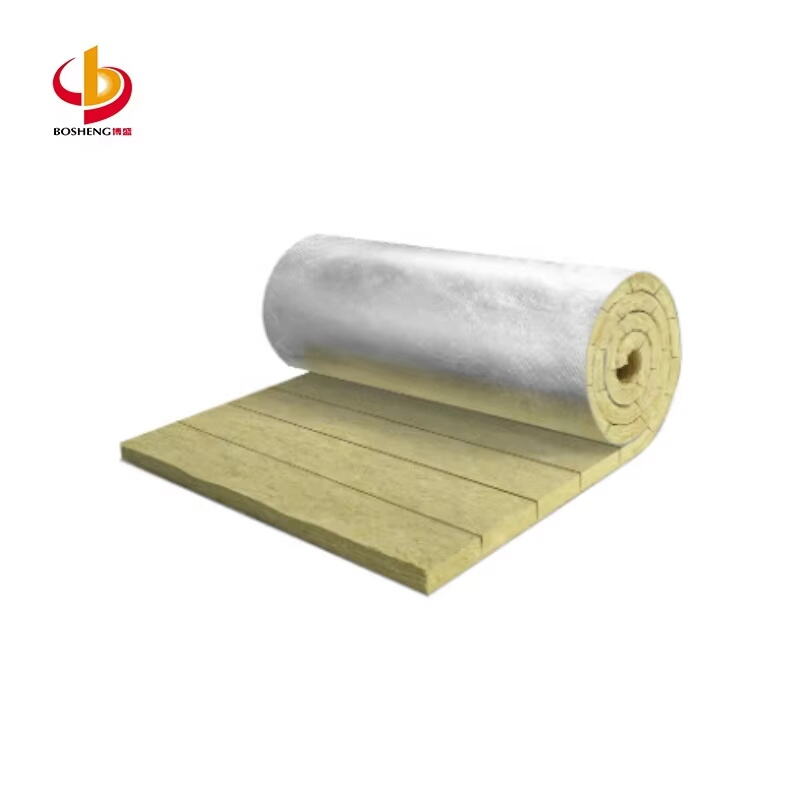
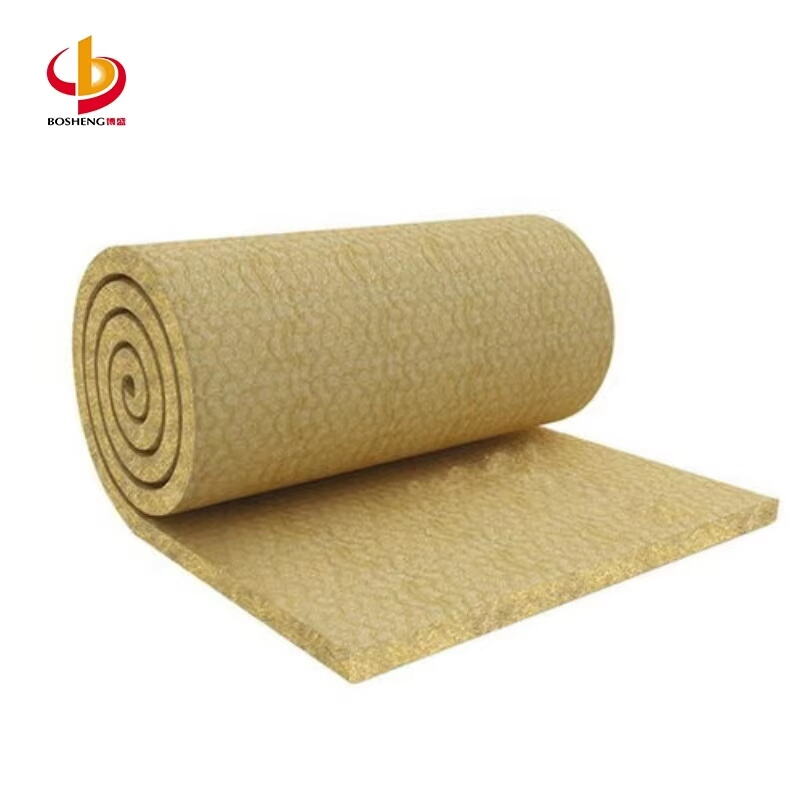
Rock insulation materials and fiberglass are two prominent options in the building insulation market, each offering distinct characteristics and performance benefits. Rock insulation, made from natural stone melted at high temperatures and spun into fibers, provides superior fire resistance with melting points exceeding 1000°C, compared to fiberglass's lower heat tolerance. The dense structure of rock insulation delivers excellent sound absorption properties, making it particularly effective for acoustic insulation. While fiberglass has been a traditional choice, rock insulation demonstrates better dimensional stability and moisture resistance, maintaining its shape and performance over time. Rock insulation typically achieves R-values between 3.0 and 3.3 per inch, comparable to fiberglass, but offers better compression resistance and durability. Its non-combustible nature and inorganic composition make it naturally fire-resistant without additional chemical treatments. Both materials serve in residential and commercial applications, but rock insulation particularly excels in high-temperature industrial settings, fire-sensitive areas, and locations requiring robust sound insulation. The manufacturing process of rock insulation results in a more environmentally sustainable product, with higher recycled content and lower embodied energy compared to fiberglass production.

 EN
EN