
 EN
EN



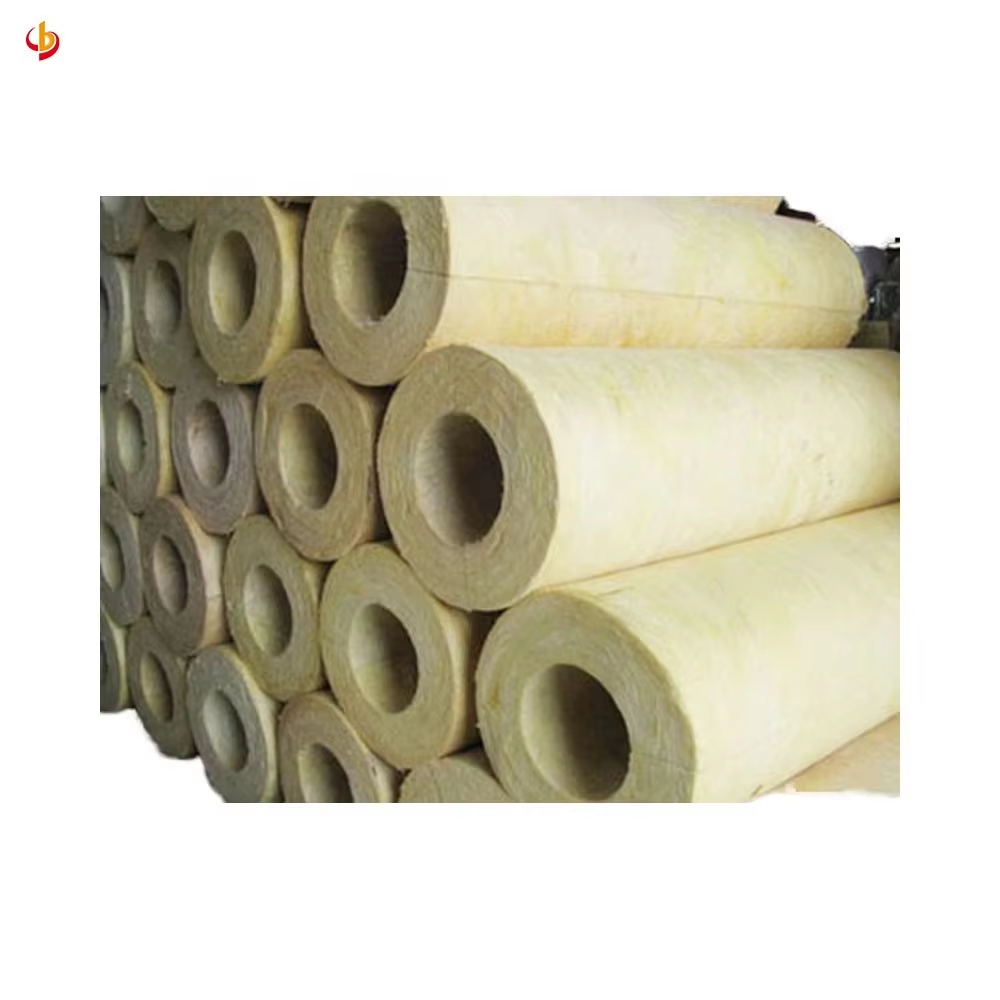
Installing rock wool insulation in high-humidity environments presents unique challenges that demand careful planning and execution. Moisture exposure can significantly compromise the thermal performance, structural integrity, and longevity of insulation materials if proper precautions are not implemented. Rock wool, also known as mineral wool, offers inherent advantages in moisture-prone settings due to its non-hygroscopic properties and vapor permeability, yet successful installation requires understanding the interplay between material characteristics, environmental conditions, and installation methodology. Facilities such as coastal industrial plants, indoor swimming pools, food processing centers, and tropical climate buildings require specialized approaches to ensure rock wool performs optimally throughout its service life.
High-humidity areas introduce elevated moisture levels that can penetrate building envelopes, condense on cold surfaces, and migrate through insulation layers. The key considerations when installing rock wool in these environments extend beyond basic insulation principles to encompass vapor control strategies, drainage pathways, surface preparation protocols, fastening techniques, and long-term maintenance accessibility. Understanding the specific humidity characteristics of your installation environment, whether constant high relative humidity or intermittent condensation risk, fundamentally shapes the design approach. This comprehensive examination explores the critical factors that determine successful rock wool installation outcomes in challenging moisture conditions, providing practical guidance for engineers, contractors, and facility managers responsible for building envelope performance.
Understanding Rock Wool Performance Characteristics in Moisture Environments
Inherent Moisture Resistance Properties of Rock Wool
Rock wool possesses distinctive physical properties that make it particularly suitable for high-humidity applications compared to many alternative insulation materials. The inorganic fiber structure of rock wool does not absorb moisture into the fiber matrix itself, maintaining dimensional stability even when exposed to elevated humidity levels. This non-hygroscopic characteristic means that rock wool fibers repel water rather than drawing it in through capillary action, a critical advantage in preventing moisture accumulation within the insulation layer. The material's open-cell structure allows water vapor to pass through without condensing within the insulation matrix under normal temperature gradients.
The hydrophobic treatment applied during rock wool manufacturing further enhances moisture resistance by creating a water-repellent surface on individual fibers. This treatment allows the material to shed liquid water while remaining vapor-permeable, enabling any moisture that does enter the insulation assembly to dry toward either the interior or exterior depending on vapor pressure gradients. Unlike organic insulation materials that can support mold growth or bacterial proliferation when wet, rock wool provides no nutritional value for biological organisms, maintaining hygiene standards essential in food processing facilities, healthcare environments, and other moisture-prone applications where air quality is paramount.
Thermal Performance Considerations Under Humid Conditions
The thermal conductivity of rock wool remains relatively stable across a wide range of humidity conditions, though understanding the relationship between moisture content and insulation effectiveness is essential for proper system design. While rock wool fibers themselves do not absorb moisture, condensation can occur within the air spaces between fibers if vapor barriers are improperly installed or if extreme temperature differentials create conditions conducive to dew point formation within the insulation layer. Even small amounts of condensed water can increase thermal conductivity by displacing insulating air with more conductive liquid water, reducing overall R-value performance.
Proper installation techniques that prevent moisture accumulation ensure rock wool maintains its specified thermal performance throughout its service life. The material's ability to dry quickly when moisture does enter the assembly provides resilience against transient humidity events such as construction moisture, roof leaks, or periodic condensation during seasonal temperature swings. This drying capacity depends on adequate vapor permeability in adjacent layers and sufficient ventilation pathways that allow moisture to escape rather than becoming trapped within the building envelope. Engineers must calculate vapor diffusion rates and potential condensation planes during the design phase to ensure the complete wall or roof assembly functions as an integrated moisture management system.
Vapor Permeability and Breathability Requirements
The vapor permeability of rock wool, typically measured between 30 and 50 perms depending on density and thickness, allows the material to function as part of a breathable building envelope system. This characteristic becomes particularly important in high-humidity environments where controlling vapor drive direction and managing moisture migration through building assemblies prevents condensation and moisture damage. The installation design must account for the relative vapor permeance of all layers in the assembly, ensuring that materials become progressively more vapor-open moving from the warm side toward the cold side of the insulation to prevent moisture trapping.
In mixed-humidity climates or buildings with variable interior conditions, the bidirectional drying capability enabled by rock wool vapor permeability provides significant advantages over systems that rely solely on vapor barriers to control moisture. This breathability allows assemblies to dry toward either direction depending on seasonal vapor pressure gradients, providing resilience against construction moisture, incidental water intrusion, and the inevitable imperfections in vapor control layers. However, this permeability must be carefully managed through proper vapor retarder placement on the warm-in-winter side of the insulation to prevent excessive moisture accumulation during heating seasons while still allowing drying capacity during warmer months.
Critical Pre-Installation Assessment and Preparation
Environmental Condition Documentation and Analysis
Before installing rock wool in high-humidity areas, comprehensive documentation of existing environmental conditions establishes the baseline for proper system design. This assessment should include continuous monitoring of relative humidity levels over representative time periods, typically spanning at least one complete seasonal cycle to capture peak humidity events and daily fluctuation patterns. Temperature differentials between interior conditioned spaces and exterior or adjacent unconditioned areas must be measured to identify potential condensation planes where dew point temperatures might occur within the building envelope assembly.
Hygrometric analysis should extend beyond simple relative humidity measurements to calculate absolute moisture content, vapor pressure differentials, and potential condensation risks using psychrometric principles. Understanding whether humidity sources are constant or intermittent, internal or external, helps determine the appropriate vapor control strategy and whether additional mechanical dehumidification might be necessary to maintain acceptable conditions. Industrial facilities with process humidity, such as textile mills or paper plants, require different approaches than coastal buildings exposed to maritime air or tropical climates with seasonal monsoon patterns. This environmental characterization directly informs decisions about vapor barrier selection, ventilation requirements, and protective facing materials.
Substrate Condition Evaluation and Moisture Testing
The condition of substrates receiving rock wool installation critically affects long-term performance, particularly in high-humidity environments where moisture migration through or from substrate materials can compromise insulation effectiveness. Concrete, masonry, and other porous substrates must be tested for moisture content using calibrated moisture meters or calcium chloride tests to ensure they fall within acceptable ranges before insulation installation proceeds. Elevated substrate moisture can indicate ongoing water intrusion, inadequate curing time for new construction, or rising damp from groundwater sources that must be addressed before insulation work begins.
Surface preparation extends beyond moisture testing to include evaluation of substrate soundness, dimensional stability, and compatibility with fastening systems. Friable or deteriorating surfaces must be repaired or sealed to provide stable attachment points for rock wool insulation and to prevent dust or particle generation that could compromise indoor air quality. Any existing moisture damage, efflorescence, or biological growth indicates moisture management failures that require remediation before new insulation installation. In retrofit applications, removing existing failed insulation and allowing substrates to dry completely prevents trapping residual moisture behind new rock wool installations that could lead to accelerated deterioration.
Proper Material Acclimatization and Storage
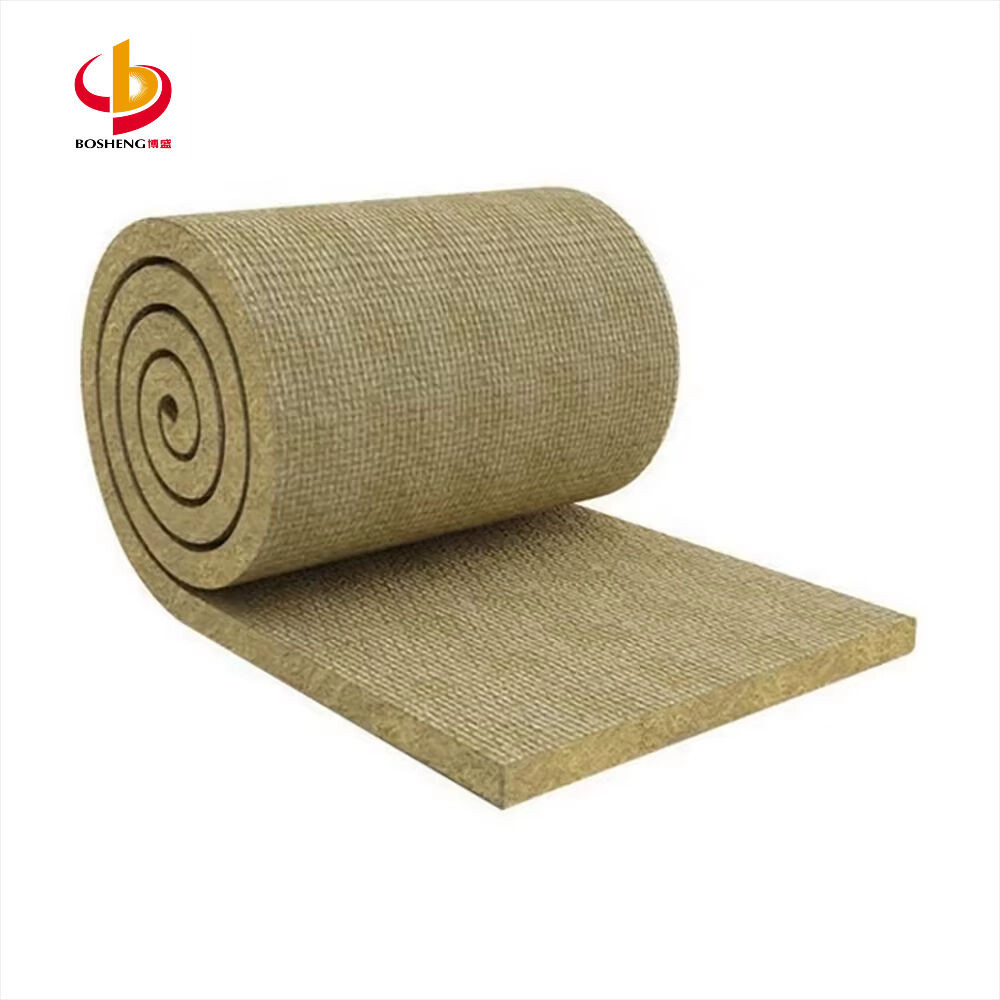
Rock wool materials delivered to high-humidity job sites require proper storage and acclimatization protocols to ensure optimal installation conditions and prevent moisture absorption during the construction phase. While rock wool itself resists moisture absorption, packaging materials and facing products may absorb humidity if exposed to uncontrolled conditions for extended periods. Materials should be stored in covered, ventilated areas elevated above ground level to prevent ground moisture wicking and to allow air circulation around all sides of material bundles.
Packaging should remain intact until immediately before installation to minimize exposure time to ambient humidity, and opened packages should be used completely within the same work shift when possible. In extremely humid conditions, some contractors implement temporary dehumidification in material staging areas to maintain lower relative humidity levels that prevent condensation on cold surfaces and reduce the moisture load introduced during installation. The installation sequence should be planned to minimize the time that insulation remains exposed to ambient conditions before being enclosed within the completed building envelope assembly, with facing materials and vapor barriers installed promptly after rock wool placement.
Vapor Control Strategy Implementation
Vapor Barrier Selection and Placement Principles
Proper vapor barrier selection and placement represent perhaps the most critical considerations when installing rock wool in high-humidity environments. The vapor barrier, more accurately termed a vapor retarder in modern building science terminology, must be positioned on the warm side of the insulation during the dominant vapor drive season to prevent moisture-laden air from reaching cold surfaces where condensation would occur. In cooling-dominated climates with high exterior humidity, this often means placing the vapor retarder on the exterior side of the rock wool, contrary to traditional cold-climate practice where interior vapor barriers are standard.
The permeance rating of the vapor retarder must be carefully selected based on climate zone, building use, and interior humidity generation rates. Class I vapor retarders with permeance ratings below 0.1 perms provide the strongest moisture protection but eliminate drying capacity, making them appropriate only in applications where moisture intrusion from other sources is highly unlikely. Class II retarders ranging from 0.1 to 1.0 perms offer a balance between vapor control and drying capacity, suitable for most high-humidity applications where some bidirectional drying is desirable. Class III retarders from 1.0 to 10 perms provide minimal vapor control while maintaining significant drying capacity, appropriate for mild climates or applications where mechanical dehumidification controls interior humidity levels.
Continuous Air Barrier Integration
The air barrier system works in conjunction with the vapor retarder to control moisture movement through building envelopes, though these two control layers serve distinct functions that must not be confused. While vapor barriers control diffusion-driven moisture movement through materials, air barriers prevent bulk moisture transfer through air leakage pathways, which typically accounts for far more moisture movement than vapor diffusion in real-world buildings. Rock wool installation details must ensure continuity of the air barrier plane across all penetrations, transitions, and junctions where air leakage commonly occurs.
In high-humidity environments, air barrier failures allow humid air to enter wall or roof cavities where it contacts cold surfaces and condenses, potentially saturating rock wool and causing moisture damage regardless of proper vapor barrier installation. The air barrier must be detailed as a continuous plane with all joints, seams, and penetrations sealed using compatible sealants, tapes, or gaskets rated for long-term adhesion under the expected temperature and humidity conditions. Particular attention must be paid to transitions between different substrate materials, around window and door openings, at foundation-to-wall junctions, and where mechanical, electrical, and plumbing systems penetrate the building envelope.
Drainage Plane and Weep System Design
Even with properly installed vapor barriers and air barriers, incidental water intrusion from rain penetration, plumbing leaks, or construction moisture requires drainage pathways that prevent water accumulation behind or within rock wool insulation assemblies. Drainage planes consisting of water-resistive barriers, building wraps, or cavity drainage systems must be integrated with rock wool installation to channel any water that does enter the assembly safely to the exterior without saturating the insulation. These drainage planes typically incorporate a ventilated air gap or capillary break that prevents liquid water from contacting the back of exterior cladding or the face of rock wool insulation.
Weep holes, weep tubes, or other drainage outlets must be provided at the bottom of insulated cavity assemblies to allow water exit, with adequate flashing and termination details that prevent water re-entry while still allowing ventilation airflow. In horizontal applications such as low-slope roofs, positive drainage toward roof drains must be maintained, and rock wool insulation boards should be installed with joints offset and properly supported to prevent differential settlement that could create low spots where water accumulates. The complete water management strategy integrates multiple redundant protection layers, recognizing that perfect moisture exclusion is unattainable and that providing drainage and drying capacity offers more robust long-term performance than relying solely on moisture prevention.
Installation Technique Optimization for Humid Conditions
Proper Cutting and Fitting Procedures
Rock wool installation in high-humidity environments demands meticulous attention to cutting and fitting procedures that ensure complete thermal coverage without compression or gaps that could create thermal bridging or condensation pathways. The material should be cut slightly oversized to achieve friction-fit installation that fills cavities completely without excessive compression that would reduce R-value. Sharp blades or specialized insulation knives should be used to create clean cuts without tearing or distorting fibers, and cuts should be made in single smooth passes rather than sawing motions that could separate facing materials or create uneven edges.
In cavity applications between framing members, rock wool batts or boards should be carefully fitted around all obstructions, electrical boxes, piping, and structural elements using proper splitting and rejoining techniques that maintain insulation continuity. Small gaps around penetrations can allow air convection loops that transport moisture into cold portions of the assembly, so these details require careful attention with properly fitted insulation pieces rather than relying on expanding foam or other gap-filling materials that may have different vapor transmission properties than the primary rock wool insulation. The installation sequence should work from bottom to top in vertical applications to ensure proper support and prevent settling that could create voids at the top of wall assemblies.
Fastening Systems and Mechanical Attachment
The fastening system used to secure rock wool in place must provide long-term holding power under the thermal cycling and potential moisture exposure conditions present in high-humidity environments while avoiding excessive compression that reduces insulation effectiveness. Mechanical fasteners such as insulation pins, screws with large washers, or specialized impalement fasteners should be installed at manufacturer-specified spacing to ensure adequate support without creating thermal bridges or vapor barrier penetrations that compromise system performance. Stainless steel or other corrosion-resistant fasteners are essential in high-humidity applications where moisture exposure could cause conventional steel fasteners to rust and fail over time.
In exterior insulation applications where rock wool boards are mounted to wall surfaces, fastener penetrations through vapor barriers must be carefully detailed with appropriate sealing to prevent air and vapor leakage. Some systems utilize adhesive attachment in conjunction with mechanical fasteners to distribute loads and reduce fastener quantities, though adhesive selection must consider vapor permeability and long-term adhesion under humid conditions. Adhesives should be applied in discontinuous beads or spots rather than continuous coverage to maintain drying pathways and prevent moisture trapping. The structural adequacy of substrates to hold fasteners under wind loads, seismic forces, and the weight of exterior cladding systems must be verified through proper engineering analysis.
Joint Treatment and Continuity Maintenance
Maintaining insulation continuity at joints between rock wool boards or batts is essential to prevent thermal bridging and to ensure vapor barrier integrity in faced insulation products. Butt joints between rock wool boards should fit snugly without gaps or excessive compression, with joints in successive layers offset in running bond pattern when multiple insulation layers are installed. In critical applications, joints may be sealed with compatible tape systems or mastic sealants, though this must be balanced against the need to maintain vapor permeability in breathable assemblies.
Faced rock wool products with integral vapor barriers require careful attention to overlapping and sealing of facing materials at joints to maintain vapor barrier continuity. Manufacturer specifications typically call for specific overlap dimensions and sealing methods using compatible tapes or mastics that bond effectively to facing materials. In high-humidity environments, these joint treatments become critical control points where vapor barrier failures commonly occur, so installer training and quality control inspections should focus significant attention on joint quality. Transitions between rock wool insulation and other building components such as windows, doors, and structural penetrations require compatible flexible sealants or transition membranes that accommodate differential movement while maintaining moisture control.
Long-Term Performance Protection and Maintenance Access
Protective Facing Selection for Humid Environments
The selection of protective facings for rock wool installed in high-humidity areas must balance multiple performance requirements including vapor control, mechanical protection, fire resistance, and chemical compatibility with the service environment. Foil-scrim-kraft facings provide excellent vapor barrier properties combined with tear resistance, though they may be susceptible to corrosion in certain industrial atmospheres or where condensation persists on the facing surface. All-service jackets incorporating glass cloth or polymeric films offer superior moisture and chemical resistance for demanding applications such as refrigerated warehouses or chemical processing plants.
In exposed applications where rock wool remains visible rather than being enclosed behind finished wall surfaces, the facing system must also provide mechanical abuse resistance, cleanability, and aesthetic acceptability appropriate to the facility type. Food processing facilities, pharmaceutical manufacturing, and other hygiene-critical environments may require facings with antimicrobial treatments or smooth, sealed surfaces that can be washed down regularly. The facing system attachment method, whether mechanically fastened banding, adhesive lamination, or integrated factory-applied facings, must maintain integrity under the expected temperature, humidity, and mechanical stress conditions throughout the design service life.
Inspection Access and Monitoring Provisions
Rock wool installations in high-humidity environments benefit from designed-in provisions for periodic inspection and monitoring that allow early detection of moisture accumulation, vapor barrier failures, or insulation deterioration before major damage occurs. Removable access panels at strategic locations allow visual inspection of concealed insulation without destructive investigation, particularly valuable in critical areas such as below-grade installations, mechanical equipment rooms, or envelope sections with complex moisture loading. These inspection points should be located at known vulnerable details such as roof-to-wall transitions, penetration clusters, or areas with observed moisture problems in similar buildings.
Installing moisture sensors or relative humidity monitors within or adjacent to rock wool insulation assemblies provides early warning of elevated moisture conditions that could indicate vapor barrier failures, water intrusion, or inadequate ventilation. These monitoring systems can be simple periodic spot-check locations or integrated building automation system sensors with continuous data logging and alarm capabilities. Documentation of baseline conditions during initial installation creates reference data for comparison during later inspections, helping distinguish normal seasonal variations from progressive deterioration trends that require corrective action.
Maintenance Accessibility and Repair Protocols
The reality of building operation includes inevitable roof leaks, plumbing failures, and other moisture intrusion events that may saturate even properly installed rock wool insulation, necessitating removal and replacement of affected materials. Installation details should consider future maintainability, avoiding permanent encapsulation of rock wool behind materials that would require extensive demolition for access. Mechanical fastening systems generally provide better repairability than adhesive attachment, and modular panel systems allow replacement of individual damaged sections without disturbing adjacent undamaged insulation.
Facility maintenance documentation should include as-built drawings showing insulation locations, specifications, and details that future maintenance personnel can reference when investigating moisture problems or planning renovations. Establishing clear protocols for responding to moisture intrusion events, including time limits for removing and drying saturated insulation, prevents minor incidents from causing major long-term damage. Maintaining an inventory of matching rock wool materials allows rapid repair without waiting for special orders, minimizing the duration of thermal performance degradation following damage events. Regular maintenance inspections should include insulation condition assessment as part of comprehensive building envelope evaluation programs.
FAQ
Can rock wool insulation perform effectively in areas with constant 80-90% relative humidity?
Rock wool can perform effectively in environments with sustained high relative humidity provided that proper vapor control measures prevent moisture-laden air from contacting cold surfaces where condensation would occur within the insulation assembly. The non-hygroscopic nature of rock wool fibers means the material does not absorb atmospheric moisture, though condensation can still occur in the air spaces between fibers if temperature conditions create dew point formation. Successful applications in such environments require carefully engineered vapor barriers on the warm side of the insulation, adequate ventilation or dehumidification to control interior humidity generation, and continuous air barriers to prevent humid air infiltration into building cavities. When these moisture control strategies are properly implemented, rock wool maintains its thermal performance and dimensional stability even in persistently humid conditions better than many alternative insulation materials that absorb atmospheric moisture or support biological growth when damp.
What thickness of vapor barrier is required when installing rock wool in high-humidity coastal environments?
Vapor barrier thickness is less critical than permeance rating, which measures the material's resistance to water vapor transmission. For high-humidity coastal environments, Class I or Class II vapor retarders with permeance ratings below 1.0 perm are typically recommended, though specific requirements depend on climate zone, building use, and whether the building is air-conditioned. Common vapor barrier materials include polyethylene sheeting ranging from 4 mil to 10 mil thickness, though thicker is not necessarily better if it prevents necessary drying capacity. In cooling-dominated coastal climates with air-conditioned buildings, the vapor retarder should be positioned on the exterior side of the rock wool insulation, opposite from cold-climate practice, to prevent exterior humid air from reaching the cold interior surfaces of the building envelope. Modern practice increasingly favors variable-permeance vapor retarders that adapt their vapor transmission properties based on relative humidity conditions, providing vapor control during high-drive conditions while allowing drying during favorable conditions.
How long should substrate surfaces dry before installing rock wool in humid renovation projects?
Concrete and masonry substrates should be dried to below 12% moisture content by weight before installing rock wool insulation in most applications, with some specifications requiring below 10% for critical installations. The drying time required varies dramatically based on substrate thickness, initial moisture content, ambient humidity conditions, and whether active drying measures such as dehumidification are employed. Newly poured concrete may require 30 to 90 days of drying time under favorable conditions before moisture levels drop to acceptable ranges, while water-damaged existing substrates might dry within days if environmental conditions are controlled. Calcium chloride moisture emission tests provide more reliable assessment than resistance-based moisture meters for concrete substrates, measuring the rate of moisture vapor transmission from the substrate surface rather than just point moisture content. In renovation projects where complete substrate drying is impractical, alternative approaches such as applying moisture-mitigating primer coatings, installing drainage mats, or creating ventilated cavities may allow rock wool installation to proceed while managing residual substrate moisture through controlled drying pathways.
Should rock wool insulation be combined with external rigid insulation in very humid climates?
Combining rock wool cavity insulation with exterior continuous insulation provides significant advantages in humid climates by raising the temperature of the structural wall assembly above the dew point, preventing condensation within wall cavities. This approach, sometimes called the perfect wall system, places water-resistant rigid insulation outboard of the structural wall and rock wool cavity insulation, keeping moisture-sensitive materials warm and dry while providing a drainage plane and capillary break. The ratio of exterior to cavity insulation R-value must be carefully calculated based on climate zone to ensure the condensing surface remains within the exterior insulation layer rather than at the sheathing-to-insulation interface where moisture damage could occur. Vapor-permeable exterior insulation materials such as mineral wool boards allow the assembly to dry outward while still providing the thermal benefit of continuous insulation, though vapor-impermeable foam insulation can also be used if adequate thickness is provided based on hygrothermal analysis. This hybrid approach offers excellent thermal performance, moisture resilience, and condensation control in challenging high-humidity environments where single-layer insulation systems may struggle to manage vapor drive and temperature gradients simultaneously.
Table of Contents
- Understanding Rock Wool Performance Characteristics in Moisture Environments
- Critical Pre-Installation Assessment and Preparation
- Vapor Control Strategy Implementation
- Installation Technique Optimization for Humid Conditions
- Long-Term Performance Protection and Maintenance Access
-
FAQ
- Can rock wool insulation perform effectively in areas with constant 80-90% relative humidity?
- What thickness of vapor barrier is required when installing rock wool in high-humidity coastal environments?
- How long should substrate surfaces dry before installing rock wool in humid renovation projects?
- Should rock wool insulation be combined with external rigid insulation in very humid climates?