
 EN
EN



Building insulation plays a crucial role in energy efficiency and structural performance across residential, commercial, and industrial applications. Among the various insulation options available in the market, rock insulation materials have emerged as a preferred choice for professionals seeking reliable thermal and acoustic solutions. These mineral-based products offer exceptional fire resistance, durability, and versatility that make them suitable for diverse construction projects. Understanding the different types and characteristics of rock insulation materials helps architects, contractors, and building owners make informed decisions that optimize both performance and cost-effectiveness.
Understanding the Fundamentals of Rock Insulation Materials
Manufacturing Process and Base Materials
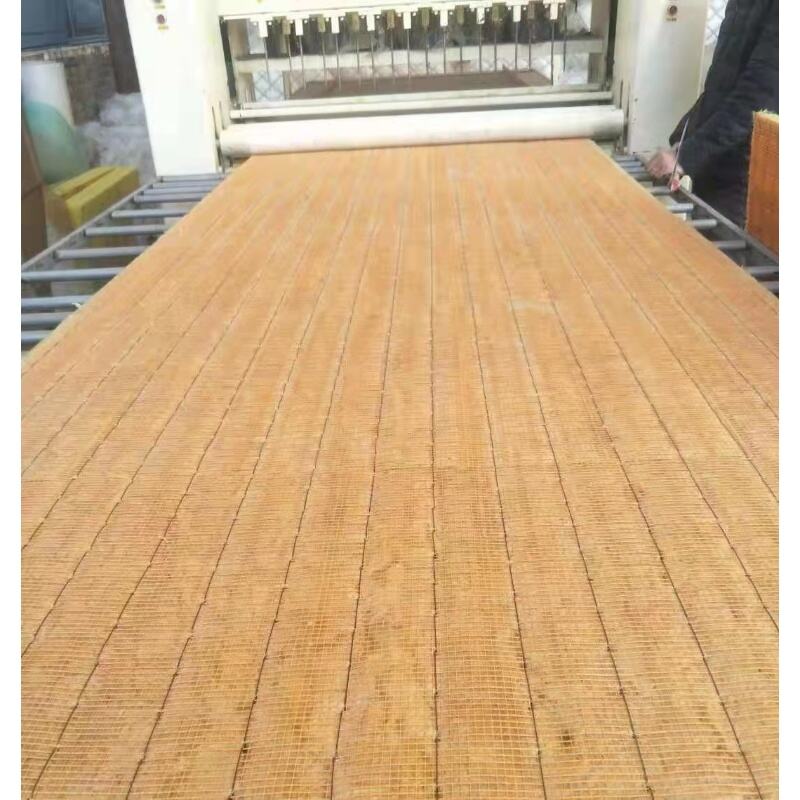
Rock insulation materials are manufactured through a sophisticated process that transforms natural basalt rock and recycled steel slag into fibrous insulation products. The raw materials undergo heating at temperatures exceeding 1500 degrees Celsius, creating molten rock that is then spun into fine fibers using high-speed spinning wheels. This process creates the characteristic structure that gives rock insulation materials their exceptional thermal properties and fire resistance capabilities.
The addition of binding agents during manufacturing ensures the fibers maintain their structural integrity while allowing for flexible installation methods. Quality manufacturers incorporate advanced resin systems that enhance the durability and moisture resistance of the final product. The resulting material exhibits excellent dimensional stability and maintains its insulating properties across a wide temperature range, making it suitable for both high-temperature industrial applications and standard building construction projects.
Core Performance Characteristics
The performance profile of rock insulation materials stems from their unique fiber structure and mineral composition. These products typically achieve thermal conductivity values ranging from 0.032 to 0.040 W/mK, providing excellent heat transfer resistance. The non-combustible nature of the base materials results in superior fire performance, with most products achieving Class A fire ratings and maintaining structural integrity at temperatures up to 1000 degrees Celsius.
Acoustic performance represents another significant advantage of rock insulation materials, with their fibrous structure effectively absorbing sound waves across multiple frequency ranges. The material density and fiber orientation can be optimized during manufacturing to enhance specific acoustic properties, making these products valuable for noise control applications in commercial and industrial settings. Additionally, the mineral composition provides natural resistance to moisture, mold, and pest infiltration, contributing to long-term building health and performance.
Rock Wool Board Insulation Systems
Rigid Board Applications
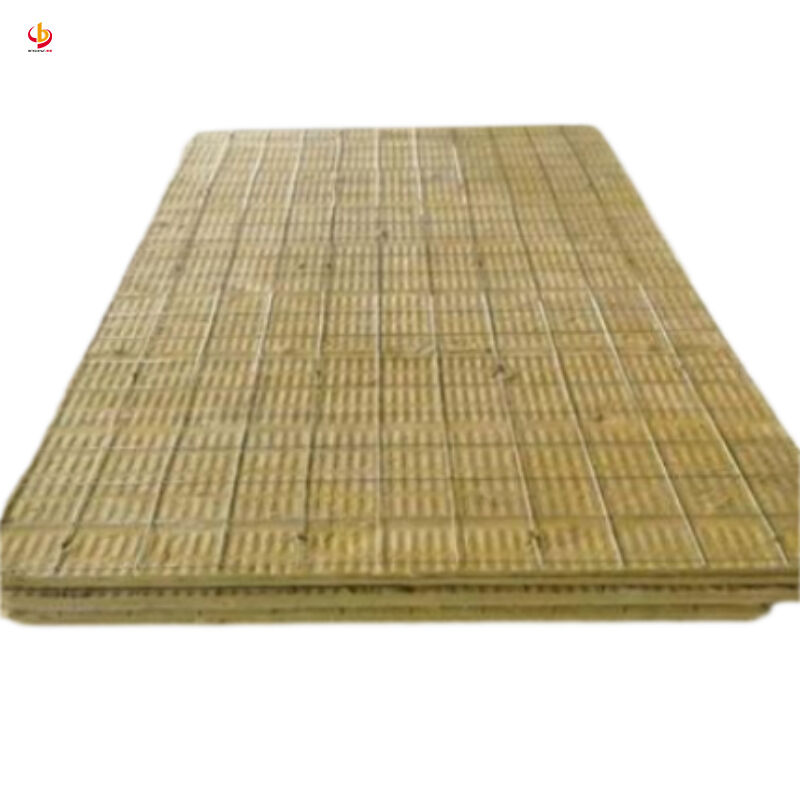
Rock wool boards represent one of the most versatile categories within rock insulation materials, offering semi-rigid to rigid insulation solutions for wall systems, roofing assemblies, and specialized industrial applications. These boards are manufactured with controlled density profiles that provide structural support while maintaining excellent thermal performance. The rigid format allows for precise cutting and fitting, enabling efficient installation in cavity walls, curtain wall systems, and external insulation finishing systems.
The manufacturing process for rock wool boards incorporates specific fiber orientation techniques that enhance compressive strength without compromising thermal properties. This characteristic makes them particularly suitable for load-bearing applications where insulation materials must support additional structural loads. The boards are available in various thicknesses ranging from 25mm to 200mm, accommodating different performance requirements and building code specifications across international markets.
Installation Methods and System Integration
Professional installation of rock wool board systems requires understanding of vapor management, thermal bridging prevention, and fire stopping details. The boards can be installed using mechanical fasteners, adhesive systems, or friction-fit methods depending on the specific application and substrate conditions. Proper attention to joint sealing and continuity ensures optimal thermal performance and prevents air leakage that can compromise overall system efficiency.
Integration with building envelope systems requires coordination between insulation placement and other building components such as air barriers, vapor retarders, and weather-resistant barriers. The compatibility of rock insulation materials with various construction materials and methods makes them adaptable to both traditional and modern building techniques. Special consideration must be given to penetrations, connections, and transitions to maintain the thermal integrity of the complete assembly.
Blanket and Batt Insulation Products
Flexible Installation Solutions
Rock wool blankets and batts provide flexible insulation solutions that conform to irregular surfaces and accommodate varying cavity dimensions. These products are manufactured with lower density profiles compared to rigid boards, allowing for compression and expansion during installation while maintaining their insulating properties. The flexible nature makes them particularly suitable for steel frame construction, equipment insulation, and retrofit applications where rigid materials would be difficult to install.
The manufacturing process for blanket rock insulation materials involves creating longer fiber lengths that provide enhanced flexibility and recovery properties. These products are typically faced with various materials including aluminum foil, kraft paper, or specialized vapor barrier films that provide additional functionality such as moisture control or radiant heat reflection. The facing materials also serve as installation aids, providing tear-resistant surfaces that facilitate handling and positioning during construction activities.
Industrial and Commercial Applications
Industrial applications of rock wool blankets extend beyond building construction to include process equipment insulation, ductwork wrapping, and high-temperature pipe insulation systems. The ability of these rock insulation materials to maintain performance at elevated temperatures makes them valuable for power generation facilities, petrochemical plants, and manufacturing operations where thermal management is critical for both efficiency and safety considerations.
Commercial building applications leverage the acoustic properties of rock wool blankets for sound control in office environments, educational facilities, and healthcare buildings. The installation flexibility allows for effective treatment of complex architectural details and mechanical penetrations that require careful attention to both thermal and acoustic performance. Special high-density variants are available for applications requiring enhanced sound absorption capabilities.
Loose-Fill and Blown Insulation Options
Pneumatic Installation Systems
Loose-fill rock insulation materials provide solutions for applications where traditional batt or board products cannot be effectively installed. These products consist of processed rock wool fibers that are blown into cavities using specialized pneumatic equipment, allowing for complete filling of irregular spaces and hard-to-reach areas. The installation method ensures continuous insulation coverage without thermal bridges that can occur with piece-installed products.
The manufacturing process for loose-fill products involves breaking down rock wool materials into specific fiber lengths and sizes that optimize flow characteristics while maintaining insulating properties. Quality control during production ensures consistent density and thermal performance when properly installed using approved equipment and techniques. Professional installation teams must be trained in proper blowing techniques to achieve specified densities and avoid settling that could compromise long-term performance.
Retrofit and Specialty Applications
Retrofit applications represent a significant market for loose-fill rock insulation materials, particularly in existing buildings where access to wall cavities or attic spaces is limited. The ability to inject these materials through small openings minimizes disruption to occupied spaces while providing substantial improvements in thermal performance. This application method is particularly valuable for historic building renovations where preservation of original architectural features is required.
Specialty applications include fire-stopping systems where loose-fill rock insulation materials are used to seal penetrations and maintain fire-rated assemblies. The non-combustible nature and high-temperature stability of these materials make them suitable for critical life safety applications in commercial and institutional buildings. Proper specification and installation procedures ensure compliance with fire safety codes and building regulations.
High-Temperature and Industrial Grade Products
Extreme Environment Performance
Industrial grade rock insulation materials are engineered to perform in extreme temperature environments where standard building insulation products would fail. These specialized products can maintain their insulating properties and structural integrity at temperatures ranging from -200°C to over 1000°C, making them essential for industrial process applications. The enhanced performance characteristics are achieved through modified fiber chemistry and specialized binding systems that resist degradation under harsh operating conditions.
Manufacturing of high-temperature rock insulation materials requires precise control of raw material selection and processing parameters to achieve the necessary performance characteristics. The resulting products exhibit minimal thermal conductivity increase at elevated temperatures, ensuring consistent energy efficiency throughout their operational life. These materials also demonstrate excellent resistance to thermal shock and cycling, important factors in industrial applications where temperature fluctuations are common.
Process Industry Applications
Process industries such as petroleum refining, chemical manufacturing, and power generation rely on specialized rock insulation materials for equipment and piping insulation systems. These applications require materials that can withstand exposure to aggressive chemicals, high pressures, and extreme temperatures while maintaining their insulating effectiveness. The chemical inertness of rock-based materials provides natural resistance to most industrial chemicals and process fluids.
Installation methods for industrial rock insulation materials often involve specialized techniques and protective systems designed to ensure worker safety and long-term performance. Proper specification requires understanding of the specific process conditions, including temperature ranges, chemical exposures, and mechanical stresses that the insulation system will encounter. Coordination with process engineers and safety professionals ensures that insulation systems meet both performance and regulatory requirements.
Marine and Offshore Applications
Maritime Environment Challenges
Marine and offshore applications present unique challenges for rock insulation materials due to constant exposure to salt water, humidity, and dynamic loading conditions. Specialized marine-grade products incorporate enhanced moisture resistance and structural stability features that maintain performance in these demanding environments. The non-combustible nature of rock insulation materials makes them particularly valuable for marine applications where fire safety is paramount.
The development of marine-specific rock insulation materials involves testing and certification according to international maritime standards including IMO regulations for fire safety and environmental protection. These products must demonstrate resistance to salt water corrosion, maintain their properties under vibration and impact loading, and provide reliable thermal and acoustic performance throughout the vessel's operational life. Special attention is given to edge sealing and vapor barrier systems to prevent moisture infiltration.
Offshore Platform Considerations
Offshore oil and gas platforms require rock insulation materials that can perform reliably in extreme weather conditions while providing critical fire protection for personnel safety. These applications demand products with enhanced structural properties to withstand wind loads, temperature extremes, and potential impact from weather events or operational activities. The selection process must consider both immediate performance requirements and long-term maintenance accessibility in remote offshore environments.
Installation procedures for offshore applications require specialized equipment and techniques adapted to working conditions at sea. Quality control measures must account for the challenges of material handling and installation in marine environments, including provisions for weather delays and logistical constraints. The long-term reliability of rock insulation materials in these applications makes them cost-effective choices despite higher initial material and installation costs.
FAQ
What makes rock insulation materials different from other insulation types?
Rock insulation materials are manufactured from natural basalt rock and recycled steel slag, creating mineral-based fibers that offer superior fire resistance, acoustic performance, and temperature stability compared to organic insulation materials. Unlike foam or cellulose insulation, rock insulation materials are non-combustible and maintain their properties at high temperatures, making them suitable for both standard building applications and specialized industrial uses. The mineral composition also provides natural resistance to moisture, pests, and biological growth, contributing to long-term durability and building health.
How do I determine the right type of rock insulation material for my project?
Selecting the appropriate rock insulation material depends on several factors including application requirements, installation methods, performance specifications, and environmental conditions. Rigid boards are suitable for structural applications and external wall systems, while flexible blankets work well for irregular surfaces and equipment insulation. Consider factors such as required R-value, fire rating, acoustic performance, moisture exposure, and temperature range when making your selection. Consulting with manufacturers or insulation professionals can help ensure proper material specification for specific project requirements.
Are rock insulation materials environmentally sustainable?
Rock insulation materials are considered environmentally sustainable due to their composition of abundant natural materials and recycled content. The manufacturing process utilizes basalt rock, which is one of the most abundant materials on Earth, and incorporates recycled steel slag that would otherwise require disposal. The long service life of rock insulation materials, typically 50+ years, reduces replacement frequency and associated environmental impacts. Additionally, these materials are recyclable at the end of their useful life and contribute to building energy efficiency, reducing operational energy consumption over the building's lifetime.
What installation considerations are important for rock insulation materials?
Proper installation of rock insulation materials requires attention to safety procedures, including use of appropriate personal protective equipment to avoid skin and respiratory irritation from mineral fibers. Installation techniques vary by product type, with boards requiring mechanical fastening or adhesive systems, while blankets may use friction-fit or wire support methods. Critical installation details include maintaining continuous coverage, sealing joints and gaps, coordinating with vapor control systems, and ensuring proper support for the insulation weight. Professional installation following manufacturer guidelines and building codes ensures optimal thermal and acoustic performance while maintaining system durability.