
 EN
EN



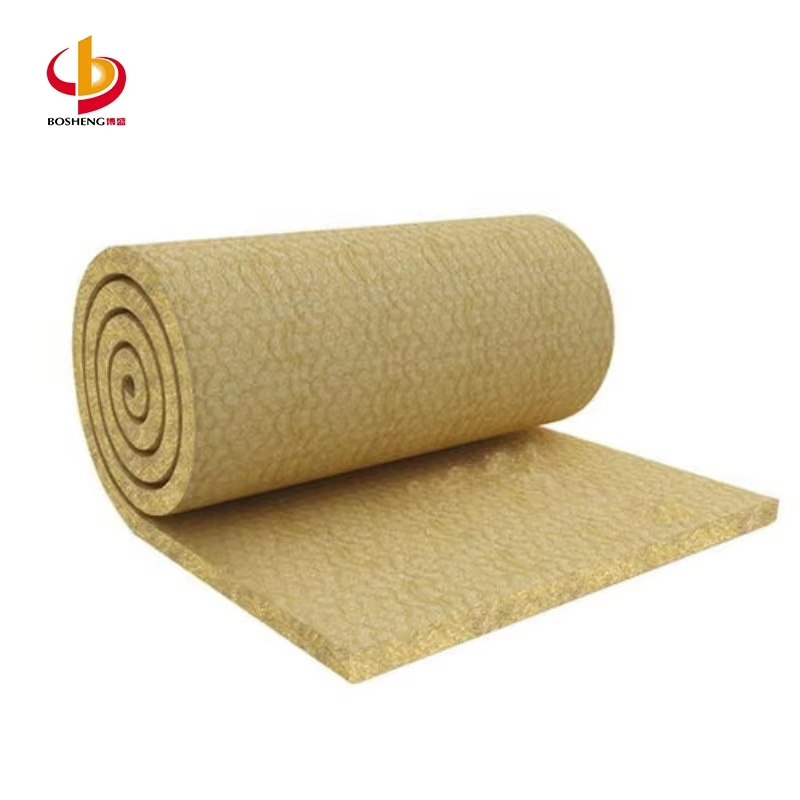
Rock wool cubes have revolutionized modern seed germination and rooting practices across commercial agriculture and home gardening applications. These innovative growing mediums provide optimal conditions for plant development by combining excellent drainage properties with consistent moisture retention capabilities. Professional growers and hydroponic enthusiasts increasingly rely on rock wool cubes to achieve superior germination rates and robust root development in controlled growing environments.
The composition and manufacturing process of rock wool cubes creates a sterile, pH-neutral environment that promotes healthy plant growth from the earliest stages of development. Understanding proper preparation and application techniques ensures maximum success rates when using these specialized growing mediums for various plant species and cultivation methods.
Understanding Rock Wool Cube Composition and Benefits
Manufacturing Process and Material Properties
Rock wool cubes are manufactured through a sophisticated process that involves melting volcanic rock and limestone at extremely high temperatures exceeding 1500 degrees Celsius. The molten material is then spun into fine fibers and compressed into cube formations with precise density specifications. This manufacturing technique creates a uniform structure that provides consistent performance characteristics across different growing applications.
The resulting rock wool cubes exhibit exceptional porosity levels that facilitate optimal air-to-water ratios within the growing medium. The fiber structure creates numerous micro-pockets that retain moisture while allowing excess water to drain freely, preventing root rot and other moisture-related complications. These physical properties make rock wool cubes particularly suitable for hydroponic systems and controlled environment agriculture.
Advantages Over Traditional Growing Media
Rock wool cubes offer significant advantages compared to conventional growing media such as peat moss, vermiculite, or traditional soil mixtures. The sterile nature of rock wool eliminates pathogen risks that commonly affect organic growing mediums, reducing the likelihood of damping-off disease and fungal infections during critical germination phases. Additionally, the consistent pH level of rock wool cubes provides predictable growing conditions that can be easily monitored and adjusted.
The structural integrity of rock wool cubes remains stable throughout extended growing cycles, unlike organic materials that decompose and alter their physical properties over time. This stability ensures consistent growing conditions from seed germination through transplanting phases, supporting continuous plant development without medium-related stress factors. Professional propagators particularly value this consistency for large-scale production operations.
Preparation Techniques for Optimal Performance
Pre-soaking and pH Adjustment
Proper preparation of rock wool cubes begins with thorough pre-soaking using pH-adjusted water or nutrient solution. Fresh rock wool cubes typically exhibit slightly alkaline pH levels that require correction before use with most plant species. Soaking rock wool cubes in water adjusted to pH 5.5-6.0 for approximately 30 minutes ensures optimal conditions for seed germination and early root development.
The pre-soaking process also removes any residual manufacturing byproducts and fully saturates the fiber structure with moisture. During this preparation phase, the rock wool cubes should be completely submerged and allowed to absorb water until fully saturated. Excess water should be gently squeezed out before use, leaving the cubes moist but not waterlogged for optimal germination conditions.
Temperature control during the soaking process influences the effectiveness of pH adjustment and overall cube preparation. Using room-temperature water or slightly warm water between 65-75 degrees Fahrenheit accelerates the pH stabilization process and ensures uniform saturation throughout the cube structure. Cold water may slow the adjustment process and create uneven moisture distribution within the growing medium.
Nutrient Solution Integration
Integrating appropriate nutrient solutions during the preparation phase provides immediate access to essential minerals for germinating seeds and developing seedlings. Diluted nutrient solutions with electrical conductivity levels between 0.8-1.2 EC are typically recommended for initial rock wool cube preparation. Higher concentrations may inhibit germination, while insufficient nutrients can limit early growth potential.
The selection of nutrient formulations should align with specific plant requirements and growing objectives. Rock wool cubes readily absorb and retain dissolved nutrients, making them ideal for precision fertilization programs. Balanced nutrient ratios with adequate calcium and magnesium levels support strong cell wall development and overall plant vigor during critical establishment phases.

Seed Germination Methods and Best Practices
Proper Seed Placement Techniques
Successful seed germination in rock wool cubes requires careful attention to seed placement depth and positioning within the cube structure. Most seeds should be placed at depths equivalent to two to three times their diameter, with larger seeds requiring proportionally deeper placement. Creating appropriate planting holes using sterilized tools prevents contamination while ensuring proper seed-to-medium contact for optimal moisture absorption.
The natural texture of rock wool cubes allows for easy hole creation using various implements such as pencils, dowels, or specialized dibble tools. Seed placement should be centered within the cube to ensure balanced root development in all directions. After seed placement, gently pressing the surrounding rock wool material around the seed creates good contact without compacting the growing medium excessively.
Different seed sizes and species may require varying placement techniques to optimize germination success rates. Fine seeds like lettuce or herbs may be surface-sown and lightly covered with loose rock wool fibers, while larger seeds such as tomatoes or peppers benefit from deeper placement within structured holes. Understanding species-specific requirements enhances overall germination performance in rock wool cube systems.
Environmental Control and Monitoring
Maintaining optimal environmental conditions during the germination phase maximizes the effectiveness of rock wool cubes as a growing medium. Temperature control between 70-80 degrees Fahrenheit provides ideal conditions for most vegetable and herb species, while specific temperature requirements may vary based on plant genetics and growing objectives. Consistent temperature maintenance prevents germination delays and promotes uniform emergence timing.
Humidity management plays a crucial role in germination success when using rock wool cubes. Relative humidity levels between 80-90% during the initial germination period prevent premature drying of the cube surface while maintaining adequate moisture for seed activation. Covering germinating rock wool cubes with clear plastic domes or placing them in humidity-controlled chambers helps maintain optimal moisture conditions.
Light exposure requirements vary significantly between plant species during germination phases. While many seeds germinate successfully in darkness, others require light exposure to trigger germination responses. Rock wool cubes accommodate both requirements effectively, as their neutral color and structure allow for appropriate light management based on specific plant needs. Monitoring daily emergence rates helps identify any environmental adjustments needed for optimal results.
Rooting Applications and Propagation Techniques
Cutting Preparation and Placement
Rock wool cubes provide excellent support for vegetative propagation through cutting propagation methods. Fresh cuttings should be prepared with clean, sharp tools to minimize tissue damage and reduce infection risks. The ideal cutting length varies by species, but most herbaceous cuttings perform well at 4-6 inches with several nodes present for root development. Removing lower leaves prevents decay while maintaining sufficient foliage for photosynthesis during root development.
Creating appropriate insertion holes in rock wool cubes ensures proper cutting placement without damaging delicate stem tissues. The hole depth should accommodate approximately one-third to one-half of the cutting length, providing adequate support while allowing sufficient space for root development. Gentle insertion prevents compression of the cube material around the cutting stem, maintaining proper drainage and aeration characteristics.
Rooting hormone applications can enhance success rates when using rock wool cubes for cutting propagation. Water-soluble rooting hormone formulations integrate well with the cube preparation process, while powder formulations can be applied directly to cutting bases before insertion. The consistent moisture retention properties of rock wool cubes help maintain rooting hormone effectiveness throughout the rooting period.
Root Development Monitoring and Care
Regular monitoring of root development in rock wool cubes allows for timely adjustments to environmental conditions and care practices. Visual inspection of cube exteriors often reveals early root emergence, typically occurring within 7-14 days depending on species and environmental conditions. White, healthy root tips emerging from cube surfaces indicate successful rooting progress and readiness for potential transplanting considerations.
Moisture management during the rooting phase requires careful balance to prevent both dehydration and oversaturation conditions. Rock wool cubes should remain consistently moist but not waterlogged, with adequate drainage preventing anaerobic conditions that inhibit root development. Regular misting or bottom-watering techniques help maintain optimal moisture levels without disturbing developing root systems.
Nutrient supplementation during rooting phases should be minimal initially, with gradual increases as root systems develop. Diluted fertilizer solutions with low nitrogen concentrations encourage root growth while preventing excessive vegetative growth that can interfere with root establishment. The neutral nutrient content of rock wool cubes provides a clean slate for precise fertilization programs tailored to specific propagation objectives.
System Integration and Hydroponic Applications
Compatibility with Hydroponic Systems
Rock wool cubes integrate seamlessly with various hydroponic system designs, from simple deep water culture setups to sophisticated nutrient film technique installations. The standardized dimensions of rock wool cubes facilitate easy integration with commercially available net pots, growing trays, and support structures commonly used in hydroponic operations. This compatibility reduces setup complexity while ensuring reliable performance across different growing systems.
The drainage characteristics of rock wool cubes complement automated irrigation systems by allowing precise control over moisture levels and nutrient delivery schedules. Unlike organic growing media that may retain excess moisture or drain too quickly, rock wool cubes provide predictable water retention properties that support consistent automation programming. This reliability proves especially valuable in commercial operations requiring precise resource management.
Transplanting seedlings or rooted cuttings from rock wool cubes into larger hydroponic systems requires minimal root disturbance, reducing transplant shock and maintaining growth momentum. The cube structure can remain intact during transplanting, providing continued root support while allowing natural expansion into surrounding growing media or nutrient solutions. This seamless transition capability makes rock wool cubes ideal for multi-stage growing operations.
Long-term Performance and Sustainability
The durability of rock wool cubes supports extended growing cycles without degradation or performance reduction typically associated with organic growing media. This stability allows for consistent growing conditions throughout plant lifecycles, from initial germination through harvest phases. Professional growers appreciate this reliability for crop planning and quality consistency requirements in commercial production environments.
Environmental considerations surrounding rock wool cube usage include both production impacts and end-of-life disposal options. While manufacturing requires significant energy inputs, the longevity and reusability potential of rock wool cubes can offset initial environmental costs through extended service life. Some facilities successfully reuse rock wool cubes for multiple growing cycles with appropriate sterilization between uses.
Proper disposal methods for used rock wool cubes vary by location and available recycling facilities. Some manufacturers offer take-back programs for used growing media, while other disposal options include incorporation into construction materials or specialized waste processing facilities. Understanding local disposal options helps growers make informed decisions about rock wool cube usage within their sustainability objectives.
Troubleshooting Common Issues and Solutions
Moisture Management Problems
Overwatering represents one of the most common challenges when using rock wool cubes for seed germination and rooting applications. Excessive moisture creates anaerobic conditions that inhibit root development and promote fungal growth within the growing medium. Signs of overwatering include slow germination rates, yellowing seedlings, and musty odors emanating from the rock wool cubes. Correcting overwatering requires improving drainage and reducing irrigation frequency while monitoring moisture levels more carefully.
Conversely, inadequate moisture can prevent successful germination or cause established seedlings to wilt and fail. Rock wool cubes that appear light-colored or feel dry to the touch may require increased irrigation frequency or improved humidity control measures. Implementing bottom-watering techniques or using humidity domes helps maintain consistent moisture levels without oversaturating the growing medium.
Uneven moisture distribution within rock wool cubes can create inconsistent growing conditions that affect plant development uniformity. This issue often results from inadequate initial soaking or uneven irrigation patterns during the growing process. Ensuring thorough initial saturation and implementing uniform irrigation techniques helps prevent moisture-related problems and promotes consistent plant performance across all cubes.
pH and Nutrient Imbalances
pH fluctuations in rock wool cube systems can significantly impact plant health and nutrient availability. Alkaline pH levels above 7.0 can limit nutrient uptake and create deficiency symptoms despite adequate fertilization programs. Regular pH monitoring using calibrated meters or test strips helps identify pH drift early, allowing for timely corrections through adjusted irrigation solutions or pH buffer applications.
Nutrient deficiency symptoms in plants grown in rock wool cubes often indicate problems with fertilization programs rather than growing medium limitations. The neutral nutrient content of rock wool cubes requires comprehensive fertilization to meet plant needs throughout growing cycles. Implementing balanced nutrient programs with appropriate trace element supplementation prevents common deficiency problems while supporting optimal plant development.
Salt accumulation within rock wool cubes can occur with intensive fertilization programs or inadequate leaching practices. High salt levels inhibit water uptake and can cause plant stress symptoms including wilting, leaf burn, or stunted growth. Regular monitoring of electrical conductivity levels helps identify salt buildup early, while periodic leaching with clean water helps maintain optimal growing conditions within the cube structure.
FAQ
How long do rock wool cubes take to show germination results
Most seeds germinate within 3-10 days when planted in properly prepared rock wool cubes, depending on the plant species and environmental conditions. Fast-germinating crops like lettuce and radishes typically show emergence within 3-5 days, while slower species such as peppers and tomatoes may require 7-10 days. Maintaining consistent temperature and moisture levels throughout the germination period ensures optimal timing and uniformity across multiple cubes.
Can rock wool cubes be reused for multiple growing cycles
Rock wool cubes can potentially be reused for multiple growing cycles with proper sterilization and preparation procedures. After harvest, cubes should be thoroughly cleaned to remove root residue and sterilized using appropriate disinfection methods such as hydrogen peroxide solutions or steam treatment. However, structural integrity may diminish with repeated use, and many growers prefer fresh rock wool cubes for each growing cycle to ensure optimal performance and prevent pathogen transmission.
What is the ideal pH range for rock wool cubes during germination
The optimal pH range for rock wool cubes during seed germination is 5.5-6.0 for most vegetable and herb species. This slightly acidic environment promotes optimal nutrient availability and supports healthy root development during early growth phases. Pre-soaking rock wool cubes in pH-adjusted water helps establish proper pH levels before planting, while regular monitoring ensures pH stability throughout the germination period.
How do you prevent algae growth on rock wool cube surfaces
Preventing algae growth on rock wool cube surfaces requires controlling light exposure and maintaining appropriate moisture levels. Covering exposed cube surfaces with opaque materials or using light-blocking covers helps eliminate the light conditions necessary for algae development. Additionally, avoiding oversaturation and ensuring adequate air circulation around the cubes creates environmental conditions that discourage algae growth while maintaining optimal conditions for plant development.