
 EN
EN



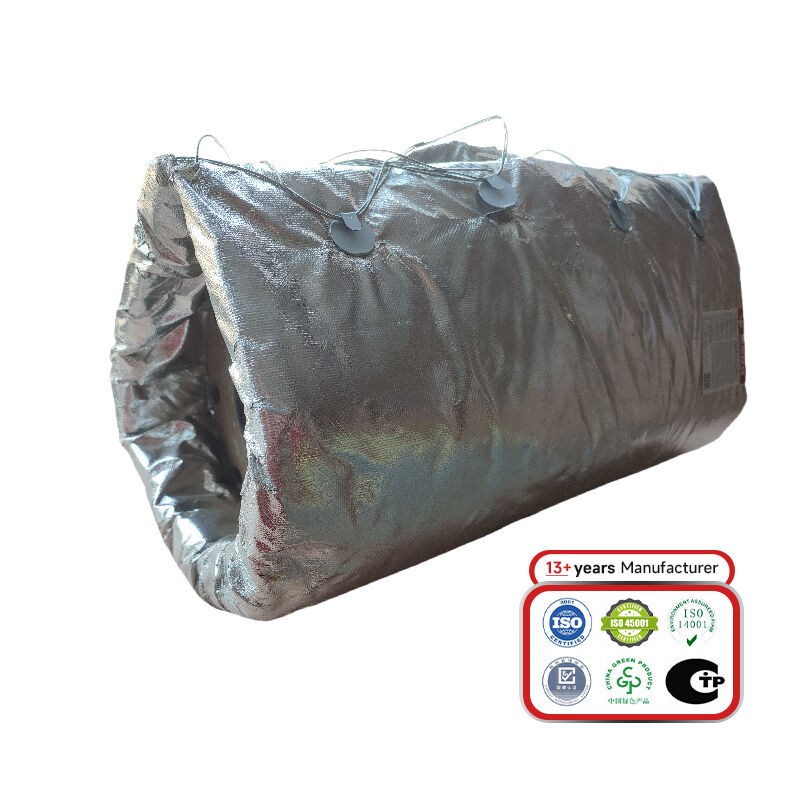
When it comes to industrial and commercial pipe insulation solutions, facility managers and engineers face a critical decision between rock wool pipe insulation and foam pipe insulation. Both materials offer distinct advantages for thermal management, energy efficiency, and system protection, yet their performance characteristics vary significantly across different applications. Understanding these differences is essential for making informed decisions that impact long-term operational costs, maintenance requirements, and overall system performance. The choice between these two insulation types can dramatically affect energy consumption, fire safety compliance, and durability in challenging industrial environments.
Material Composition and Manufacturing Differences
Rock Wool Pipe Insulation Construction
Rock wool pipe insulation is manufactured from natural basalt rock and recycled steel slag, which undergoes melting at temperatures exceeding 1500°C. This high-temperature process creates mineral fibers that are spun into a dense, non-combustible matrix. The resulting material exhibits exceptional fire resistance properties while maintaining excellent thermal performance across a wide temperature range. The manufacturing process ensures consistent density and fiber orientation, contributing to superior structural integrity and longevity in demanding industrial applications.
The mineral fiber structure of rock wool pipe insulation creates countless air pockets that effectively trap heat and reduce thermal transfer. This cellular structure remains stable even under extreme temperature fluctuations, making it ideal for applications involving steam lines, high-temperature process piping, and industrial heating systems. The material's inherent moisture resistance prevents degradation from humidity and condensation, ensuring consistent performance throughout its service life.
Foam Pipe Insulation Characteristics
Foam pipe insulation typically consists of synthetic materials such as polyurethane, polyethylene, or elastomeric compounds that are chemically expanded to create closed-cell or open-cell structures. These materials offer excellent flexibility and ease of installation, making them popular choices for HVAC applications and lower-temperature piping systems. The manufacturing process allows for precise control of density and thermal properties, resulting in consistent performance across various product lines.
The cellular structure of foam insulation provides effective thermal barriers while maintaining lightweight characteristics that reduce installation complexity and structural loading. However, the synthetic nature of foam materials limits their temperature resistance and fire performance compared to mineral-based alternatives. Most foam insulation products require additional protective measures when used in high-temperature or fire-critical applications.
Thermal Performance Analysis
Temperature Range Capabilities
Rock wool pipe insulation demonstrates superior performance across extreme temperature ranges, typically handling continuous operating temperatures from -200°C to +750°C without degradation. This exceptional temperature tolerance makes it the preferred choice for steam distribution systems, industrial process piping, and high-temperature applications where foam alternatives would fail. The material maintains its thermal properties and structural integrity even during temperature cycling and thermal shock conditions.
The thermal conductivity of rock wool pipe insulation remains relatively stable across its operating temperature range, providing consistent energy efficiency benefits regardless of system operating conditions. This stability translates to predictable energy savings and reduced heat loss, making it an economical choice for long-term installations. The material's ability to withstand extreme temperatures without requiring replacement or additional protection systems reduces total lifecycle costs.
Insulation Efficiency Comparison
While foam pipe insulation often provides lower initial thermal conductivity values at ambient temperatures, rock wool pipe insulation maintains consistent thermal performance across a broader range of operating conditions. The mineral fiber structure resists compression and thermal degradation, ensuring that insulation effectiveness remains constant throughout the product's service life. This consistency is particularly valuable in industrial applications where system performance cannot be compromised by insulation failure.
Energy efficiency calculations must consider not only initial thermal conductivity but also long-term performance stability and degradation resistance. Rock wool pipe insulation typically provides more predictable energy savings over extended periods, while foam alternatives may experience reduced effectiveness due to thermal cycling, compression, or chemical degradation. This performance stability often justifies the higher initial investment in rock wool pipe insulation systems.
Fire Safety and Regulatory Compliance
Fire Resistance Properties
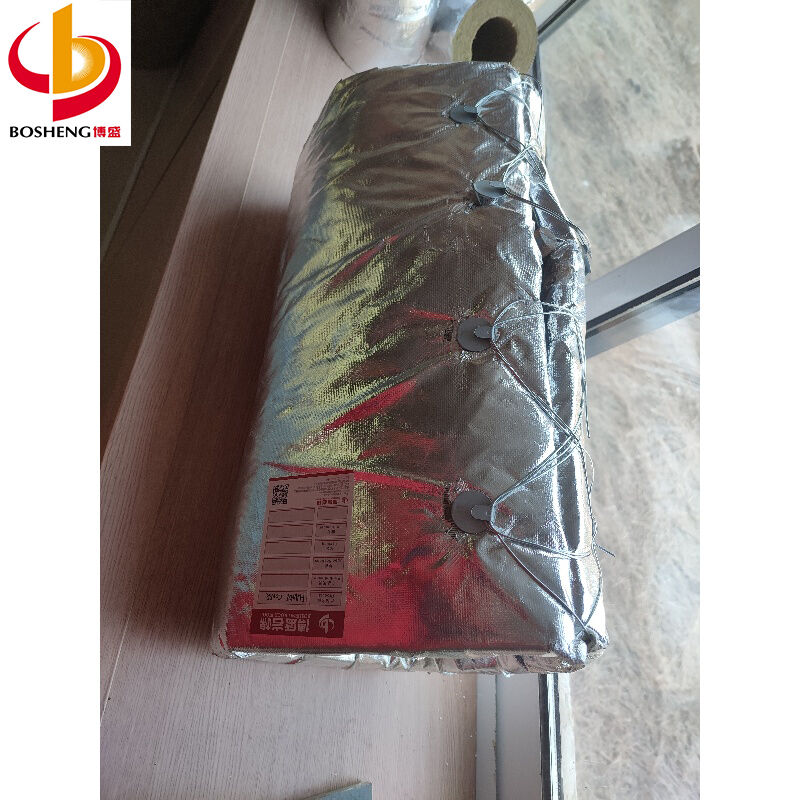
Rock wool pipe insulation offers exceptional fire resistance due to its inorganic mineral composition and high melting point. The material is classified as non-combustible and does not contribute to fire spread or smoke generation, making it essential for applications requiring strict fire safety compliance. In fire situations, rock wool pipe insulation acts as a passive fire protection system, maintaining pipe integrity and preventing heat transfer that could compromise structural elements or adjacent systems.
The fire performance of rock wool pipe insulation extends beyond simple non-combustibility to include thermal barrier properties that protect underlying pipe systems from fire damage. This protection capability is crucial in industrial facilities, commercial buildings, and marine applications where fire safety regulations mandate specific performance standards. The material's ability to maintain structural integrity at elevated temperatures provides valuable time for fire suppression systems to activate and personnel to evacuate safely.
Building Code Requirements
Modern building codes increasingly require insulation materials that meet stringent fire safety standards, particularly in high-rise construction, industrial facilities, and critical infrastructure projects. Rock wool pipe insulation typically exceeds these requirements without additional flame retardant treatments or protective coatings that may be necessary for foam alternatives. This compliance advantage simplifies specification processes and reduces installation complexity while ensuring regulatory adherence.
Insurance considerations also favor non-combustible insulation materials like rock wool pipe insulation, as they reduce overall fire risk and potential property damage. Many insurance providers offer premium discounts for facilities using non-combustible insulation systems, providing additional economic incentives beyond the inherent safety benefits. This financial advantage, combined with improved safety performance, makes rock wool pipe insulation an attractive choice for risk-conscious facility owners.
Installation and Maintenance Considerations
Installation Complexity
Rock wool pipe insulation installation requires proper handling techniques and safety equipment due to the mineral fiber content, but modern products feature improved handling characteristics and reduced fiber release. The material's semi-rigid structure provides dimensional stability during installation while allowing for necessary adjustments around pipe fittings and complex geometries. Professional installers appreciate the material's ability to maintain shape and thermal bridges while accommodating thermal expansion and contraction.
Foam pipe insulation generally offers easier handling and installation, particularly in residential and light commercial applications where temperature requirements are less demanding. The flexible nature of foam materials allows for quick installation around simple pipe runs and standard fittings. However, this flexibility can become a disadvantage in industrial applications where dimensional stability and resistance to mechanical damage are critical performance factors.
Long-Term Maintenance Requirements
The durability of rock wool pipe insulation translates to reduced maintenance requirements and longer service intervals compared to foam alternatives. The material resists moisture absorption, chemical degradation, and mechanical damage that commonly affect foam insulation systems. This durability reduces the frequency of insulation replacement and associated system downtime, providing significant operational advantages in industrial environments where continuous operation is essential.
Maintenance planning for rock wool pipe insulation systems can focus on periodic inspections and protective jacketing integrity rather than insulation replacement. The material's resistance to settling, compression, and thermal degradation ensures consistent performance over decades of service. This reliability allows facility managers to develop predictable maintenance schedules and budget allocations while minimizing unexpected insulation failures that could compromise system efficiency or safety.
Cost Analysis and Economic Benefits
Initial Investment Comparison
While rock wool pipe insulation typically requires higher initial investment compared to foam alternatives, this cost difference must be evaluated within the context of total lifecycle economics. The superior durability, fire resistance, and temperature performance of rock wool pipe insulation often justify the premium through reduced replacement costs, lower maintenance requirements, and improved energy efficiency over extended service periods. Facility owners who consider long-term operational costs frequently find rock wool pipe insulation provides superior value.
Project budgeting should account for installation complexity, required safety equipment, and potential productivity differences between insulation types. Rock wool pipe insulation installation may require additional safety measures and specialized handling equipment, but the reduced frequency of maintenance and replacement activities often offsets these initial costs. The material's compatibility with high-temperature applications also eliminates the need for expensive alternative protection systems required with temperature-sensitive foam insulation.
Operational Cost Savings
Energy efficiency advantages of rock wool pipe insulation compound over time, providing significant operational cost savings through reduced heat loss and improved system efficiency. The material's consistent thermal performance ensures that energy savings calculations remain accurate throughout the insulation's service life, unlike foam alternatives that may experience performance degradation. These savings are particularly pronounced in industrial applications with continuous high-temperature operations where heat loss represents substantial energy costs.
Insurance and regulatory compliance benefits of rock wool pipe insulation can provide additional economic advantages through reduced premiums, simplified permitting processes, and avoided penalties for non-compliance. The material's inherent fire resistance eliminates the need for additional fire protection measures that may be required with combustible insulation alternatives. These indirect cost savings, combined with direct energy efficiency benefits, often result in favorable return on investment calculations for rock wool pipe insulation systems.
Environmental Impact and Sustainability
Manufacturing Environmental Footprint
Rock wool pipe insulation manufacturing utilizes abundant natural materials including basalt rock and recycled steel slag, creating products with minimal environmental impact and excellent recyclability potential. The high-temperature melting process requires significant energy input, but the resulting material's exceptional durability and longevity offset this initial environmental cost through extended service life and reduced replacement frequency. Modern manufacturing facilities incorporate energy recovery systems and emission controls that minimize environmental impact while maintaining product quality.
The use of recycled materials in rock wool pipe insulation production contributes to circular economy principles by diverting industrial waste from landfills while creating high-performance insulation products. This sustainable approach aligns with corporate environmental responsibility initiatives and green building certification requirements that increasingly influence material selection decisions. The material's natural composition also eliminates concerns about volatile organic compound emissions or chemical degradation products that may affect indoor air quality.
Lifecycle Environmental Benefits
The exceptional durability of rock wool pipe insulation provides significant environmental benefits through reduced material consumption over building lifecycles. While foam insulation may require replacement multiple times during a facility's operational life, rock wool pipe insulation typically provides decades of consistent performance without degradation. This longevity reduces construction waste generation, minimizes resource consumption, and decreases the environmental impact associated with material transportation and installation activities.
Energy efficiency improvements achieved through effective insulation directly contribute to reduced greenhouse gas emissions and environmental sustainability. Rock wool pipe insulation's superior thermal performance and stability ensure that these environmental benefits persist throughout the material's service life, providing measurable contributions to corporate sustainability goals and environmental stewardship objectives. The material's recyclability at end-of-life further enhances its environmental credentials compared to synthetic foam alternatives.
FAQ
What temperature range can rock wool pipe insulation handle compared to foam insulation
Rock wool pipe insulation can handle continuous temperatures from -200°C to +750°C without degradation, while most foam pipe insulation is limited to temperatures below 100-150°C. This makes rock wool pipe insulation essential for steam systems, industrial process piping, and high-temperature applications where foam alternatives would fail or require costly protection systems.
How do the fire safety properties compare between these insulation types
Rock wool pipe insulation is classified as non-combustible and provides passive fire protection by maintaining structural integrity at high temperatures. Foam pipe insulation is typically combustible and may require flame retardant treatments or protective coatings to meet fire safety codes, making rock wool pipe insulation the preferred choice for fire-critical applications and regulatory compliance.
Which insulation type offers better long-term value and durability
Rock wool pipe insulation typically provides superior long-term value through exceptional durability, consistent thermal performance, and minimal maintenance requirements over decades of service. While foam insulation may have lower initial costs, rock wool pipe insulation's resistance to degradation, compression, and environmental factors often results in lower total lifecycle costs and reduced replacement frequency.
Are there specific applications where one type clearly outperforms the other
Rock wool pipe insulation excels in high-temperature industrial applications, fire-critical systems, and environments requiring long-term durability and regulatory compliance. Foam pipe insulation may be suitable for lower-temperature HVAC applications, residential systems, and projects where initial cost considerations outweigh long-term performance requirements and easy installation is prioritized over thermal stability.
Table of Contents
- Material Composition and Manufacturing Differences
- Thermal Performance Analysis
- Fire Safety and Regulatory Compliance
- Installation and Maintenance Considerations
- Cost Analysis and Economic Benefits
- Environmental Impact and Sustainability
-
FAQ
- What temperature range can rock wool pipe insulation handle compared to foam insulation
- How do the fire safety properties compare between these insulation types
- Which insulation type offers better long-term value and durability
- Are there specific applications where one type clearly outperforms the other