
 EN
EN



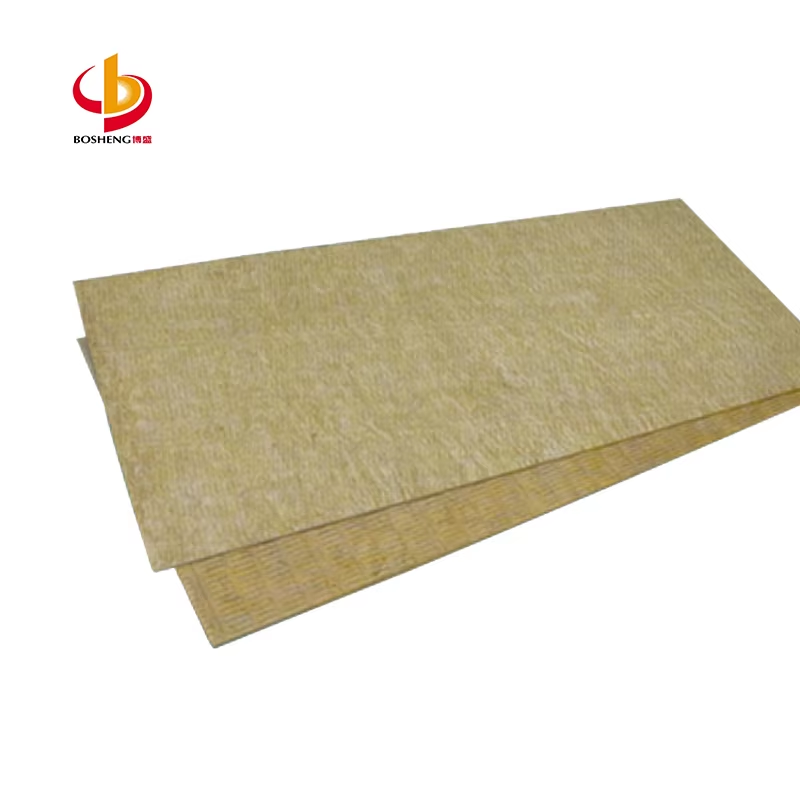
Selecting appropriate insulation rock wool for roofing systems requires careful consideration of thermal performance, moisture resistance, and structural compatibility. Modern construction demands high-performance materials that deliver consistent energy efficiency while maintaining durability under extreme weather conditions. The growing emphasis on sustainable building practices has made insulation rock wool an increasingly popular choice among architects, contractors, and property owners seeking reliable thermal protection. Understanding the specific requirements of your roofing application ensures optimal performance and long-term cost savings through reduced energy consumption and maintenance needs.
Understanding Rock Wool Insulation Properties
Thermal Conductivity and R-Value Considerations
The thermal conductivity of insulation rock wool directly impacts its effectiveness in preventing heat transfer through roofing assemblies. Lower thermal conductivity values indicate superior insulating performance, with quality rock wool typically achieving conductivity ratings between 0.032 and 0.040 W/mK. R-value calculations depend on material thickness and thermal conductivity, making it essential to evaluate both factors when determining insulation requirements. Professional installers often recommend minimum R-values based on climate zone specifications and local building codes to ensure compliance and optimal energy performance.
Temperature resistance represents another critical property of insulation rock wool, particularly in roofing applications exposed to significant thermal cycling. High-quality rock wool maintains structural integrity at temperatures exceeding 750°C, providing excellent fire resistance while preserving insulating properties. This temperature stability prevents thermal bridging and ensures consistent performance throughout seasonal temperature variations. The material's non-combustible nature also contributes to overall building safety by creating effective fire barriers within roofing assemblies.
Moisture Management and Vapor Permeability
Moisture control capabilities distinguish premium insulation rock wool from inferior alternatives, especially in roofing applications where condensation risks are elevated. The hydrophobic treatment applied to quality rock wool fibers prevents water absorption while allowing vapor transmission, maintaining thermal performance even in humid conditions. Vapor permeability characteristics enable moisture vapor to escape from building interiors without compromising insulation effectiveness. This balance between water resistance and vapor permeability prevents condensation accumulation that could lead to mold growth or structural damage.
Drainage properties of insulation rock wool ensure rapid water evacuation if moisture penetration occurs through roofing membrane failures or installation defects. The fibrous structure creates pathways for water movement while maintaining dimensional stability, preventing sagging or compression that could create thermal weak points. Quality manufacturers incorporate water-repellent binders that enhance drainage characteristics without reducing vapor permeability, ensuring long-term performance in challenging moisture conditions.
Density and Compression Resistance Factors
Load-Bearing Requirements for Roof Systems
Compression resistance of insulation rock wool determines its suitability for various roofing configurations, particularly in applications involving foot traffic or equipment loads. Higher density formulations provide increased compressive strength while maintaining thermal performance, making them ideal for inverted roof systems or green roof applications. The relationship between density and thermal conductivity requires careful evaluation to achieve optimal performance without unnecessary material costs. Professional specifications typically recommend density ranges between 100-200 kg/m³ for most roofing applications, with higher densities reserved for specialized load-bearing requirements.
Long-term compression stability ensures that insulation rock wool maintains its thickness and thermal properties throughout the building's service life. Quality materials resist permanent deformation under sustained loads, preventing thermal bridging caused by insulation settling or compression. This dimensional stability reduces maintenance requirements and preserves energy efficiency over extended periods. Testing standards like ASTM C165 provide standardized methods for evaluating compression resistance, enabling accurate comparison between different rock wool products.
Installation Compatibility and Handling Characteristics
The workability of insulation rock wool significantly impacts installation efficiency and final system performance, making handling characteristics an important selection criterion. Proper density balances ease of cutting and fitting with structural integrity, reducing installation time while ensuring complete coverage. Quality rock wool maintains consistent density throughout each board or batt, preventing soft spots that could compromise thermal performance. The material's resilience allows for minor compression during installation without permanent deformation, ensuring proper fit around roofing penetrations and irregular surfaces.
Dust generation during installation affects worker comfort and site cleanliness, making low-dust formulations preferable for occupied buildings or sensitive environments. Advanced manufacturing processes minimize loose fibers while maintaining insulation effectiveness, reducing respiratory irritation and cleanup requirements. The cutting characteristics of insulation rock wool should allow clean, precise cuts without excessive fiber release, enabling accurate fitting around complex roofing details. Quality products maintain their shape after cutting, preventing gaps that could create thermal bridges or air leakage paths.
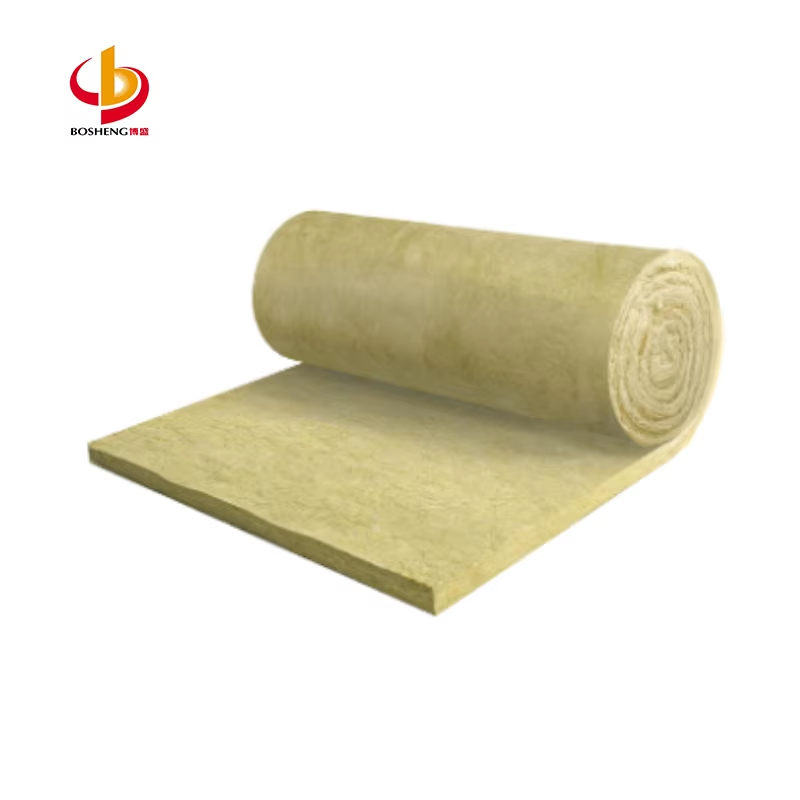
Climate-Specific Selection Criteria
Cold Climate Performance Requirements
Cold climate applications demand insulation rock wool with exceptional thermal resistance and minimal thermal bridging potential. Low-temperature performance characteristics ensure that the material maintains flexibility and dimensional stability during freeze-thaw cycles. The coefficient of thermal expansion should closely match other roofing components to prevent stress concentrations that could lead to membrane damage. Vapor retarder compatibility becomes crucial in cold climates where interior humidity levels are typically higher, requiring careful coordination between insulation properties and vapor control strategies.
Ice dam prevention relies on consistent thermal performance across the entire roof assembly, making uniform insulation density and thickness critical factors. Insulation rock wool with superior thermal stability prevents localized heat transfer that contributes to ice dam formation. The material's resistance to moisture absorption ensures that performance doesn't degrade when exposed to melting snow or ice infiltration. Wind uplift resistance of the complete roofing system depends partly on insulation mechanical properties, requiring adequate density and compression resistance to maintain membrane attachment under severe wind conditions.
Hot Climate Considerations and Heat Reflectance
High-temperature environments require insulation rock wool capable of maintaining thermal resistance while resisting degradation from prolonged heat exposure. The thermal stability of quality rock wool prevents performance deterioration even when roof surface temperatures exceed 80°C during summer months. Solar heat gain reduction depends on the combined thermal resistance of the entire roofing assembly, making proper insulation selection crucial for cooling load minimization. Reflectance properties of surface materials work in conjunction with insulation thermal resistance to create energy-efficient roofing systems.
Thermal mass effects in hot climates can be managed through proper insulation placement and thermal lag characteristics of the complete assembly. Insulation rock wool with appropriate density provides thermal inertia that moderates temperature swings, reducing peak cooling loads and improving occupant comfort. The material's ability to maintain consistent thermal properties despite temperature variations ensures reliable performance throughout extreme summer conditions. Integration with cool roofing technologies and reflective membranes maximizes the energy efficiency benefits of quality rock wool insulation.
Installation Methods and System Integration
Mechanical Fastening and Adhesive Compatibility
Mechanical fastening systems for insulation rock wool must provide adequate holding power while minimizing thermal bridging through fastener penetrations. Fastener selection depends on substrate type, insulation thickness, and wind load requirements, with longer fasteners needed for thicker insulation applications. The density and compression resistance of the insulation affects fastener withdrawal resistance, requiring careful coordination between fastener specifications and material properties. Quality rock wool maintains consistent density around fastener penetrations, preventing loose areas that could compromise attachment integrity.
Adhesive compatibility ensures proper bonding between insulation rock wool and roofing substrates without compromising material properties. Compatible adhesives maintain their bonding strength throughout the temperature ranges expected in roofing applications while allowing for thermal movement. The surface characteristics of rock wool boards affect adhesive coverage and bonding effectiveness, making smooth, consistent surfaces preferable for adhered systems. Proper adhesive selection prevents delamination that could create air gaps and reduce thermal performance.
Membrane Integration and Air Barrier Continuity
Air barrier continuity across insulation rock wool joints prevents convective heat loss and ensures optimal thermal performance of the complete roofing assembly. Joint sealing methods must accommodate thermal movement while maintaining airtightness throughout the building's service life. The dimensional stability of quality rock wool minimizes joint movement, reducing stress on sealants and maintaining air barrier integrity. Proper installation techniques ensure that membrane systems integrate seamlessly with insulation without creating thermal bridges or air leakage paths.
Vapor barrier coordination requires careful attention to the permeability characteristics of insulation rock wool and its interaction with membrane vapor transmission rates. The location of vapor barriers within the assembly affects condensation risk and insulation performance, making proper system design critical. Quality rock wool provides predictable vapor permeability that enables accurate moisture analysis and appropriate vapor control measures. Integration with smart vapor barriers and variable permeability membranes can optimize moisture management while maintaining thermal performance.
Quality Standards and Performance Testing
Industry Standards and Certification Requirements
International standards for insulation rock wool provide standardized testing methods and performance criteria that ensure consistent quality across different manufacturers. ASTM standards cover thermal conductivity, compression resistance, moisture absorption, and dimensional stability, enabling accurate product comparisons. European standards such as EN 13162 establish additional requirements for declared thermal conductivity and long-term performance characteristics. Third-party certification programs verify compliance with applicable standards and provide independent validation of manufacturer claims.
Building code compliance requires insulation rock wool to meet specific performance criteria related to fire resistance, thermal performance, and structural adequacy. Local amendments to model building codes may impose additional requirements based on regional climate conditions or construction practices. The documentation provided by manufacturers should include test reports and certification data that demonstrate compliance with applicable standards. Professional specifications often reference specific standards and testing protocols to ensure that installed materials meet design requirements.
Long-Term Performance Validation
Accelerated aging tests for insulation rock wool simulate long-term exposure to temperature cycling, moisture, and mechanical stress to predict service life performance. These tests evaluate dimensional stability, thermal conductivity retention, and mechanical property degradation over extended periods. Quality manufacturers provide aging test data that demonstrates consistent performance throughout the expected service life of the roofing system. Field performance studies validate laboratory test results and provide real-world performance data for various climate conditions and installation methods.
Performance monitoring of installed insulation rock wool systems provides valuable feedback on actual thermal performance and durability characteristics. Temperature and moisture sensors can be integrated into roofing assemblies to track performance over time and identify potential issues before they affect building performance. Regular thermal imaging surveys reveal insulation effectiveness and identify areas where thermal bridging or air leakage may be occurring. This performance data helps refine selection criteria and installation practices for future projects while validating the performance of current installations.
Cost Analysis and Value Engineering
Initial Cost Versus Lifecycle Performance
The initial cost of premium insulation rock wool must be evaluated against long-term energy savings and reduced maintenance requirements to determine true value. Higher-performance materials often justify increased initial costs through superior thermal efficiency and extended service life. Energy modeling software can quantify the thermal performance benefits of different insulation options, enabling accurate lifecycle cost comparisons. The durability characteristics of quality rock wool reduce replacement frequency and maintenance costs, contributing to overall project economics.
Thickness optimization balances thermal performance requirements with material costs and structural considerations, ensuring cost-effective solutions that meet performance objectives. Diminishing returns occur as insulation thickness increases, making economic analysis essential for determining optimal specifications. The relationship between insulation rock wool density and cost affects both material expenses and installation labor, requiring careful evaluation of performance requirements versus budget constraints. Value engineering processes should consider the complete roofing system performance rather than focusing solely on insulation material costs.
Installation Labor and Equipment Considerations
Installation labor costs for insulation rock wool vary based on material handling characteristics, cutting requirements, and fastening complexity. Lightweight, easy-to-handle materials reduce installation time and labor costs while maintaining performance requirements. The cutting characteristics of different rock wool formulations affect field productivity, with clean-cutting materials requiring less finishing work around penetrations and edges. Specialized equipment requirements for handling and installation should be factored into project cost estimates.
Weather sensitivity during installation affects project scheduling and potential cost overruns, making material stability important for construction efficiency. Insulation rock wool with good moisture resistance can tolerate brief exposure to precipitation without performance degradation, reducing weather-related delays. The storage requirements and site handling characteristics of different products affect jobsite logistics and material management costs. Packaging density and unit sizes impact transportation costs and material waste, contributing to overall project economics.
FAQ
What thickness of insulation rock wool is recommended for roof applications?
The recommended thickness depends on climate zone requirements, building use, and energy efficiency targets. Most residential applications require 6-12 inches of insulation rock wool to achieve code-minimum R-values, while commercial buildings may need thicker installations for optimal energy performance. Professional energy modeling can determine the most cost-effective thickness based on local climate data and utility costs. Consultation with building envelope specialists ensures that insulation thickness coordinates properly with structural and membrane system requirements.
How does insulation rock wool compare to other roofing insulation materials?
Insulation rock wool offers superior fire resistance and temperature stability compared to organic foam insulations, making it ideal for applications where fire safety is paramount. The material provides excellent moisture resistance while maintaining vapor permeability, unlike closed-cell foams that can trap moisture. Dimensional stability and compression resistance make rock wool suitable for load-bearing applications where rigid foam might be damaged. The non-combustible nature and high-temperature resistance provide advantages in applications involving hot equipment or fire-rated assemblies.
Can insulation rock wool be used in both new construction and retrofit applications?
Yes, insulation rock wool adapts well to both new construction and retrofit situations due to its flexibility and range of available densities. Retrofit applications often benefit from the material's ability to conform to irregular surfaces and fill gaps around existing penetrations. The lightweight nature of rock wool reduces structural load concerns in retrofit projects while providing significant thermal performance improvements. Professional assessment of existing structural capacity ensures safe installation of appropriate insulation thicknesses in retrofit applications.
What maintenance requirements apply to rock wool roof insulation systems?
Properly installed insulation rock wool requires minimal maintenance throughout its service life, with periodic membrane inspections being the primary requirement. Regular roof inspections should verify that membrane integrity prevents moisture infiltration that could affect insulation performance. Any damaged membrane areas require prompt repair to maintain the complete roofing system effectiveness. Professional thermal imaging surveys can identify insulation performance issues before they become significant problems, enabling proactive maintenance strategies.
Table of Contents
- Understanding Rock Wool Insulation Properties
- Density and Compression Resistance Factors
- Climate-Specific Selection Criteria
- Installation Methods and System Integration
- Quality Standards and Performance Testing
- Cost Analysis and Value Engineering
-
FAQ
- What thickness of insulation rock wool is recommended for roof applications?
- How does insulation rock wool compare to other roofing insulation materials?
- Can insulation rock wool be used in both new construction and retrofit applications?
- What maintenance requirements apply to rock wool roof insulation systems?