
 EN
EN



Modern buildings face increasing challenges with noise pollution and privacy concerns, making internal wall sound insulation a critical component of contemporary construction. Whether in residential homes, office complexes, or commercial buildings, the ability to control sound transmission between rooms has become essential for comfort, productivity, and overall quality of life. Effective internal wall sound insulation not only reduces unwanted noise but also creates distinct acoustic environments that allow occupants to work, rest, and live without interference from adjacent spaces.
The science behind internal wall sound insulation involves understanding how sound waves travel through building materials and structures. Sound transmission occurs through both airborne and structure-borne pathways, requiring comprehensive solutions that address multiple acoustic principles. Professional architects and builders increasingly recognize that proper internal wall sound insulation must be integrated into the design phase rather than added as an afterthought, ensuring optimal performance and cost-effectiveness.
Understanding Sound Transmission in Buildings
Airborne vs Structure-Borne Sound
Sound travels through buildings in two primary ways, each requiring different approaches to internal wall sound insulation. Airborne sound consists of noise that travels through the air, such as conversations, music, or television audio, which can penetrate walls through gaps, thin materials, or inadequate insulation. Structure-borne sound, on the other hand, travels through the physical structure of the building itself, including vibrations from footsteps, mechanical equipment, or impact noise that can bypass traditional insulation methods.
The effectiveness of internal wall sound insulation depends on understanding these transmission pathways and implementing appropriate countermeasures. Mass, density, and absorption characteristics of insulation materials play crucial roles in blocking airborne sound, while decoupling techniques and resilient mounting systems help address structure-borne transmission. Modern construction practices increasingly emphasize comprehensive acoustic design that considers both types of sound transmission for optimal results.
Frequency Response and Acoustic Properties
Different frequencies of sound behave differently when encountering internal wall sound insulation, requiring materials and techniques that provide broad-spectrum acoustic performance. Low-frequency sounds, such as bass from audio systems or mechanical equipment, tend to penetrate walls more easily and require greater mass and specialized absorption materials. Mid and high-frequency sounds, including speech and most environmental noise, can be effectively controlled with proper density and thickness of insulation materials.
The acoustic properties of internal wall sound insulation materials are measured using standardized ratings such as Sound Transmission Class (STC) and Noise Reduction Coefficient (NRC). These ratings help architects and builders select appropriate materials based on specific acoustic requirements and building codes. Understanding these measurements ensures that internal wall sound insulation systems meet performance expectations and regulatory standards.
Materials and Technologies for Internal Wall Insulation
Mineral Wool and Fiber-Based Solutions
Mineral wool products, including rock wool and glass wool, represent some of the most effective materials for internal wall sound insulation applications. These materials combine excellent acoustic absorption properties with fire resistance and thermal performance, making them ideal for comprehensive building envelope solutions. The fibrous structure of mineral wool effectively traps sound waves while allowing air circulation, preventing moisture buildup that could compromise long-term performance.
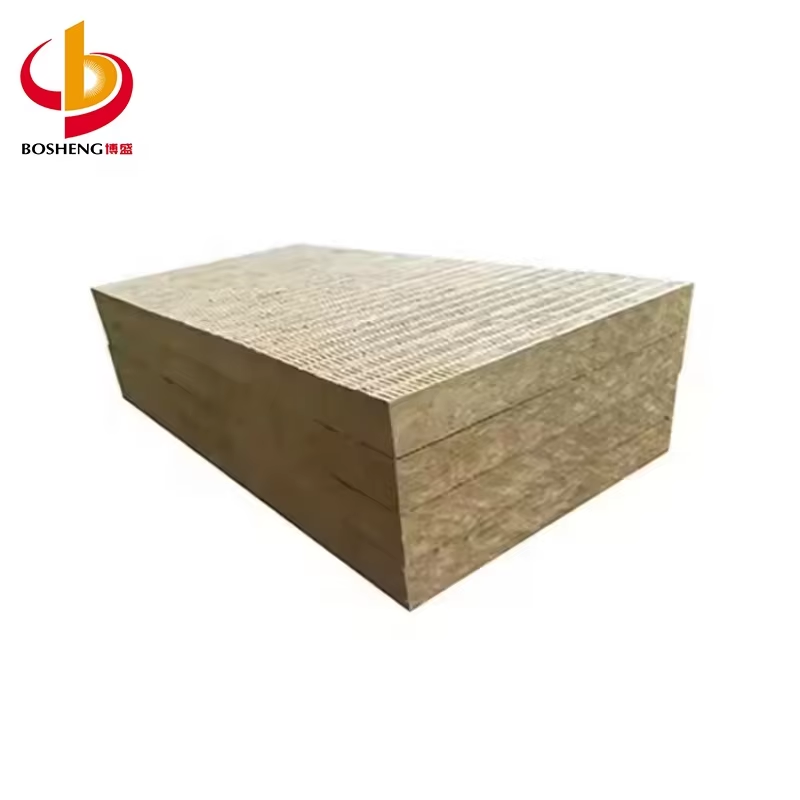
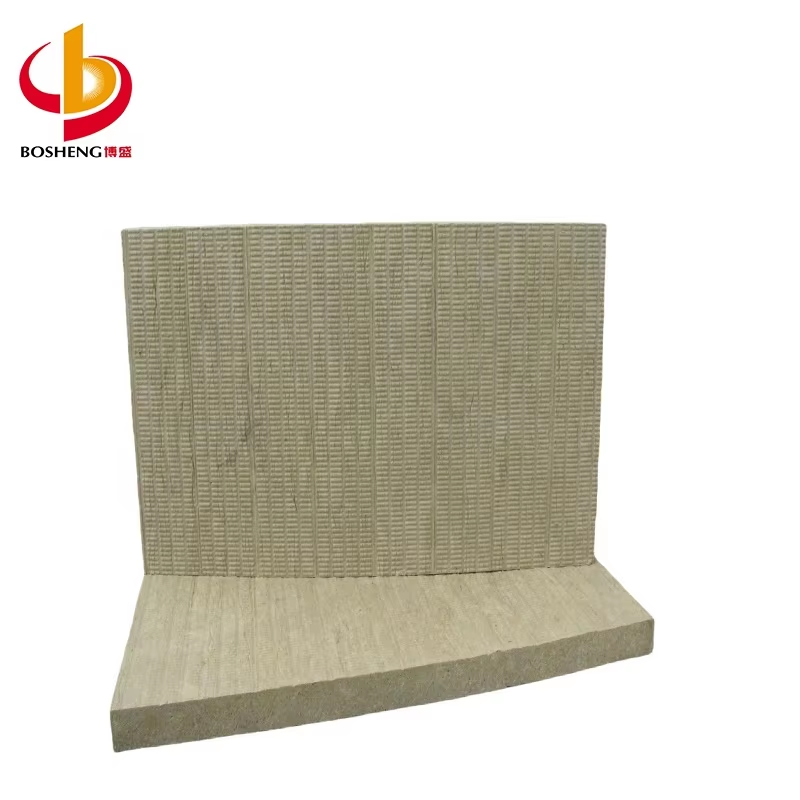
Rock wool insulation boards specifically designed for internal wall sound insulation offer superior density and consistency compared to traditional batts or blankets. These engineered products provide predictable acoustic performance and easier installation, particularly in commercial and industrial applications where consistent results are critical. The manufacturing process allows for precise control of density and fiber orientation, optimizing both sound absorption and structural integrity.
Composite and Advanced Acoustic Systems
Modern internal wall sound insulation increasingly incorporates composite materials and advanced acoustic systems that combine multiple technologies for enhanced performance. Layered systems might include dense mineral wool cores with specialized facing materials, resilient channels for decoupling, and acoustic sealants to eliminate air gaps. These comprehensive approaches address multiple aspects of sound transmission simultaneously, achieving superior results compared to single-material solutions.
Advanced acoustic systems for internal wall sound insulation may also incorporate mass-loaded vinyl barriers, viscoelastic damping compounds, and specialized air cavity designs. These technologies work synergistically to provide broad-spectrum acoustic control while maintaining structural integrity and ease of installation. The selection of appropriate composite systems depends on specific acoustic requirements, building codes, and budget considerations.
Installation Techniques and Best Practices
Proper Cavity Filling and Density Control
Successful internal wall sound insulation installation requires careful attention to cavity filling techniques and density control throughout the wall assembly. Gaps, compressions, or inconsistent density can create acoustic weak points that significantly compromise overall performance. Professional installers must ensure complete filling of cavities while avoiding over-compression that could reduce the acoustic effectiveness of the insulation material.
The installation of internal wall sound insulation should follow manufacturer specifications for density and thickness while accommodating building tolerances and structural requirements. Proper cutting and fitting techniques ensure that insulation materials maintain their acoustic properties while providing adequate coverage around obstacles such as electrical boxes, plumbing penetrations, and structural elements. Continuous training and quality control measures help maintain installation standards across projects.
Sealing and Continuity Considerations
Acoustic sealing plays a critical role in the effectiveness of internal wall sound insulation systems, as even small gaps can significantly reduce overall performance. Professional installation requires comprehensive sealing of all penetrations, joints, and interfaces using appropriate acoustic sealants and gaskets. The principle that sound follows the path of least resistance means that unsealed gaps can negate the benefits of high-performance insulation materials.
Continuity of internal wall sound insulation extends beyond individual wall assemblies to include connections with floors, ceilings, and adjacent walls. Proper detailing at these interfaces prevents flanking transmission that could bypass the primary acoustic barrier. Advanced installation techniques may include resilient mounting systems, acoustic breaks, and specialized transition details that maintain acoustic integrity throughout the building envelope.
Building Codes and Performance Standards
Regulatory Requirements and Compliance
Building codes increasingly recognize the importance of internal wall sound insulation in creating healthy and functional built environments. International Building Code (IBC) requirements specify minimum acoustic performance standards for different occupancy types, while local codes may impose additional requirements based on regional needs and priorities. Compliance with these standards requires careful selection and installation of appropriate internal wall sound insulation systems.
Professional architects and contractors must stay current with evolving code requirements and testing standards that govern internal wall sound insulation performance. Documentation and testing protocols ensure that installed systems meet specified performance criteria and provide building owners with confidence in long-term acoustic performance. Regular updates to building codes reflect advancing understanding of acoustic science and improving material technologies.
Testing and Verification Methods
Acoustic testing and verification provide objective measures of internal wall sound insulation performance in both laboratory and field conditions. Laboratory testing using standardized protocols establishes baseline performance characteristics for specific material combinations and installation methods. Field testing validates actual performance in completed buildings, accounting for construction tolerances and real-world conditions that may affect acoustic performance.
Modern testing equipment allows for comprehensive evaluation of internal wall sound insulation across the full frequency spectrum, providing detailed performance data that supports design decisions and quality assurance programs. Post-construction testing can identify potential issues and verify that installed systems meet design specifications and code requirements. This data-driven approach ensures that acoustic investments deliver expected results and occupant satisfaction.
Applications and Market Sectors
Residential and Multi-Family Housing
Residential applications of internal wall sound insulation address privacy concerns and noise control between rooms, apartments, and housing units. Modern families expect acoustic separation between bedrooms, home offices, entertainment areas, and living spaces, driving demand for effective insulation solutions. Multi-family housing projects face particularly stringent requirements for internal wall sound insulation to ensure tenant comfort and regulatory compliance.
The residential market for internal wall sound insulation continues to grow as homeowners become more aware of acoustic comfort and property values associated with quality construction. Retrofit applications in existing homes present unique challenges and opportunities for improving acoustic performance through targeted insulation upgrades. Professional contractors specializing in residential acoustics help homeowners select and install appropriate internal wall sound insulation systems for their specific needs.
Commercial and Institutional Buildings
Commercial buildings require sophisticated internal wall sound insulation solutions to support productivity, privacy, and regulatory compliance across diverse occupancy types. Office buildings, healthcare facilities, educational institutions, and hospitality projects each present unique acoustic challenges that require specialized approaches to internal wall sound insulation design and installation. The growing emphasis on wellness and productivity in commercial spaces drives increased investment in acoustic comfort.
Institutional applications of internal wall sound insulation must often meet enhanced performance standards while addressing specific operational requirements such as cleanability, fire resistance, and durability. Healthcare facilities, in particular, require acoustic solutions that support patient recovery and staff communication while maintaining strict hygiene standards. Educational buildings need internal wall sound insulation that prevents classroom-to-classroom noise transmission while supporting various learning activities.
Economic Benefits and Return on Investment
Energy Efficiency and Dual-Purpose Performance
High-quality internal wall sound insulation often provides thermal benefits in addition to acoustic performance, delivering dual-purpose value that improves overall building efficiency. Materials such as mineral wool insulation boards offer both acoustic and thermal properties, reducing heating and cooling costs while providing sound control. This dual functionality increases the economic value proposition of internal wall sound insulation investments.
The energy efficiency benefits of internal wall sound insulation extend beyond direct thermal performance to include improved HVAC system efficiency and reduced mechanical noise transmission. Proper acoustic design can reduce the need for sound masking systems or other noise control technologies, providing additional operational cost savings. Building owners increasingly recognize these compound benefits when evaluating internal wall sound insulation investments.
Property Value and Market Differentiation
Properties with superior internal wall sound insulation command premium rents and sale prices in competitive real estate markets, as occupants increasingly value acoustic comfort and privacy. Commercial tenants specifically seek buildings with effective sound control systems that support productive work environments and client confidentiality. Residential buyers prioritize homes with quality internal wall sound insulation that ensures family privacy and peaceful living conditions.
The market differentiation provided by effective internal wall sound insulation becomes particularly valuable in urban environments where external noise levels are high and acoustic comfort is at a premium. Property developers and building owners who invest in comprehensive acoustic design often recover their investment through higher occupancy rates, reduced tenant turnover, and premium pricing. Long-term property values benefit from the reputation for quality and comfort associated with superior acoustic performance.
FAQ
What thickness of internal wall sound insulation is most effective
The optimal thickness for internal wall sound insulation depends on the specific acoustic requirements, wall cavity depth, and target performance levels. Generally, thicker insulation provides better low-frequency sound absorption, with 3.5-inch to 6-inch thicknesses being common for standard residential and commercial applications. However, proper density and material selection are often more important than thickness alone for achieving effective sound control.
Can internal wall sound insulation be retrofitted in existing buildings
Yes, internal wall sound insulation can be retrofitted in existing buildings through various methods, including blown-in insulation, injection techniques, or selective wall reconstruction. The most appropriate retrofit method depends on wall construction type, accessibility, and desired performance improvement. Professional acoustic consultants can evaluate existing conditions and recommend cost-effective retrofit strategies that minimize disruption while maximizing acoustic benefits.
How does internal wall sound insulation differ from external wall insulation
Internal wall sound insulation focuses primarily on controlling sound transmission between interior spaces, while external wall insulation addresses both thermal performance and outdoor noise control. Internal applications typically emphasize acoustic absorption and airborne sound blocking, whereas external insulation must also provide weather resistance, thermal bridging control, and protection from environmental factors. Material selection and installation techniques differ accordingly.
What maintenance is required for internal wall sound insulation systems
Properly installed internal wall sound insulation typically requires minimal maintenance throughout the building lifecycle. However, periodic inspection of acoustic seals, gaskets, and penetration details helps maintain optimal performance. Any building modifications that affect wall assemblies should include evaluation of acoustic impacts and restoration of internal wall sound insulation continuity as needed. Professional acoustic testing can verify continued performance over time.