
 EN
EN



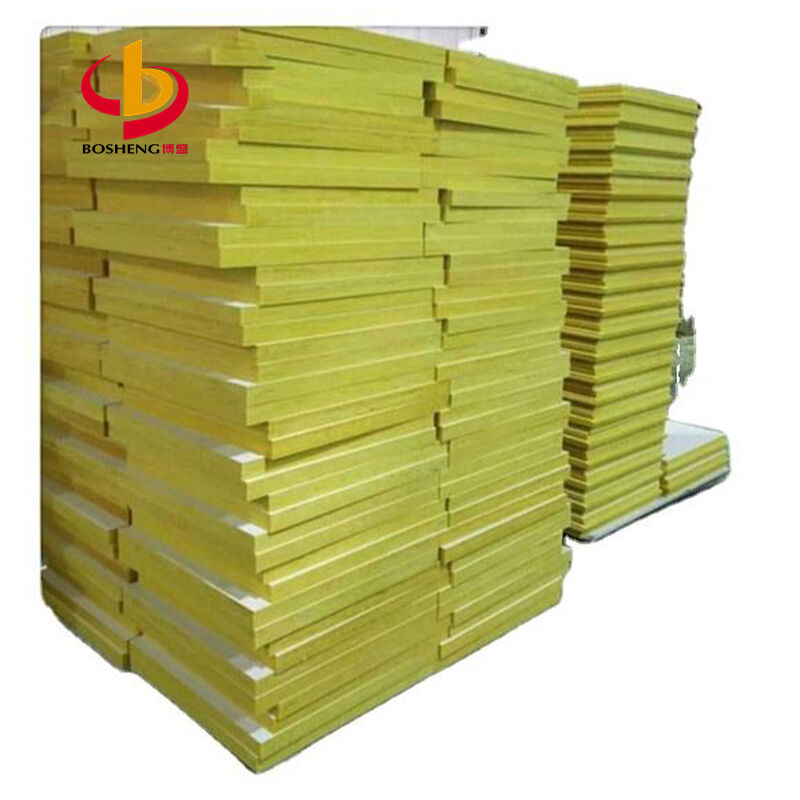
The construction industry continues to evolve with advanced materials that offer superior performance characteristics compared to conventional options. Among these innovations, rock wool insulation has emerged as a leading solution for builders, architects, and property owners seeking enhanced thermal efficiency, fire resistance, and acoustic control. Understanding how this mineral-based insulation compares to traditional materials helps professionals make informed decisions for their projects.
Traditional insulation materials like fiberglass, cellulose, and foam have dominated the market for decades, each offering specific advantages and limitations. However, the growing demand for sustainable, high-performance building solutions has driven increased interest in mineral wool products. Rock wool insulation, manufactured from volcanic rock and recycled steel slag, provides unique properties that often surpass conventional alternatives in critical performance areas.
This comprehensive analysis examines the technical specifications, installation considerations, long-term performance, and cost-effectiveness of rock wool insulation compared to established insulation types. By evaluating these factors, construction professionals can determine the most suitable insulation strategy for their specific applications and environmental conditions.
Thermal Performance and Energy Efficiency
R-Value Comparison Analysis
Thermal resistance, measured as R-value, represents the fundamental performance metric for insulation materials. Rock wool insulation typically achieves R-values ranging from R-3.0 to R-4.2 per inch of thickness, depending on the specific product density and manufacturing process. This performance range positions it competitively against fiberglass batts, which generally provide R-3.2 to R-3.8 per inch.
The consistent thermal performance of rock wool insulation stems from its unique fiber structure, which traps air effectively while maintaining structural integrity under temperature variations. Unlike some traditional materials that may experience thermal drift or settling over time, rock wool maintains its insulating properties throughout its service life. This stability ensures consistent energy savings and indoor comfort levels for building occupants.
Compared to spray foam insulation, which can achieve higher R-values per inch, rock wool insulation offers the advantage of breathability and moisture management. While closed-cell spray foam provides R-6 to R-7 per inch, it creates a complete vapor barrier that may contribute to moisture-related issues if not properly designed. Rock wool allows controlled moisture vapor transmission while maintaining thermal performance.
Temperature Stability and Performance Range
The operational temperature range of insulation materials significantly impacts their long-term effectiveness and application suitability. Rock wool insulation demonstrates exceptional temperature stability, maintaining its insulating properties from -40°F to over 1000°F (-40°C to 540°C). This broad operational range exceeds the performance capabilities of most traditional insulation materials.
Fiberglass insulation, while effective in typical building applications, begins to lose structural integrity at temperatures above 400°F (204°C). Cellulose insulation, made from recycled paper products, faces even greater temperature limitations and potential fire hazards. The superior temperature resistance of rock wool insulation makes it particularly valuable for industrial applications, commercial kitchens, and areas exposed to elevated temperatures.
This temperature stability also contributes to consistent thermal performance across seasonal variations. While traditional materials may experience thermal bridging or reduced effectiveness in extreme weather conditions, rock wool insulation maintains uniform performance characteristics. This consistency translates to more predictable energy consumption patterns and improved HVAC system efficiency.
Fire Resistance and Safety Characteristics
Fire Rating and Flame Spread Properties
Fire safety represents a critical consideration in building design and material selection. Rock wool insulation offers superior fire resistance compared to most traditional insulation materials, with melting points exceeding 2000°F (1093°C). This exceptional fire resistance stems from its mineral composition, which is inherently non-combustible.
In contrast, organic-based insulation materials like cellulose require chemical fire retardants to achieve acceptable fire ratings. These treatments may degrade over time, potentially reducing fire resistance and releasing chemicals into the indoor environment. Fiberglass insulation, while non-combustible, uses organic binders that can burn and release toxic fumes during fire events.
The flame spread index and smoke development characteristics of rock wool insulation typically achieve Class A ratings, the highest fire safety classification. This performance level makes it suitable for commercial buildings, high-rise construction, and applications where fire safety codes require non-combustible insulation materials. The superior fire resistance can also contribute to lower insurance premiums and enhanced occupant safety.
Smoke Production and Toxic Gas Emissions
During fire events, the behavior of insulation materials significantly impacts occupant safety and evacuation procedures. Rock wool insulation produces minimal smoke and does not release toxic gases when exposed to flame or high temperatures. This characteristic provides valuable time for safe evacuation and reduces the risk of smoke inhalation injuries.
Traditional insulation materials may produce concerning levels of smoke and potentially harmful gases during fire exposure. Spray foam insulation, particularly when burning, can release toxic compounds including hydrogen cyanide and carbon monoxide. Cellulose insulation, despite fire-retardant treatments, may contribute to smoke production and reduced visibility during emergency situations.
The low smoke production of rock wool insulation also benefits fire suppression efforts, allowing firefighters to maintain better visibility and navigate building spaces more effectively. This advantage can contribute to faster fire suppression and reduced property damage, making it a preferred choice for critical facilities and high-occupancy buildings.
Moisture Management and Durability
Water Absorption and Vapor Permeability
Moisture management capabilities directly impact insulation performance, indoor air quality, and building durability. Rock wool insulation exhibits excellent moisture resistance while allowing controlled vapor transmission. Its hydrophobic properties prevent water absorption while maintaining breathability, creating an optimal balance for building envelope performance.
Fiberglass insulation, while resistant to water absorption, can lose significant thermal performance when wet. The glass fibers may compress and lose their insulating air spaces, requiring replacement after moisture exposure. Cellulose insulation faces even greater challenges with moisture, as it can promote mold growth and structural degradation when exposed to water.
The vapor permeability of rock wool insulation allows moisture to pass through while preventing liquid water accumulation. This characteristic helps maintain healthy indoor humidity levels and prevents condensation within wall assemblies. The ability to manage moisture effectively contributes to the long-term durability of both the insulation and surrounding building components.
Dimensional Stability and Settling Resistance
Long-term dimensional stability ensures consistent insulation performance throughout the building's service life. Rock wool insulation maintains its shape and thickness even under mechanical stress, temperature cycling, and aging. The mineral fiber structure provides inherent resilience that resists compression and settling.
Blown-in cellulose insulation commonly experiences settling over time, which can create thermal gaps and reduce overall system performance. This settling may require periodic maintenance or additional insulation installation to maintain design R-values. Fiberglass batts can also compress or shift, particularly in vertical applications or when subjected to vibration.
The dimensional stability of rock wool insulation eliminates concerns about thermal bridging due to material settling or compression. This consistency ensures that the building envelope performs as designed throughout its service life, providing predictable energy savings and comfort levels for occupants.
Acoustic Performance and Sound Control
Sound Absorption Coefficients
Acoustic performance has become increasingly important in modern building design, particularly for commercial spaces, multi-family housing, and urban environments. Rock wool insulation provides excellent sound absorption characteristics across a broad frequency range, with noise reduction coefficients (NRC) typically ranging from 0.85 to 1.05.
The dense, fibrous structure of rock wool insulation effectively absorbs airborne sound waves while also providing some degree of impact noise reduction. This dual performance capability makes it particularly valuable for floor-ceiling assemblies and party walls in multi-family construction. The acoustic performance often exceeds that of traditional fiberglass insulation, especially in mid to high-frequency ranges.
Compared to foam insulation products, rock wool insulation provides superior sound absorption due to its open-cell structure and higher density. While spray foam offers excellent air sealing for acoustic isolation, it lacks the sound absorption characteristics necessary for comprehensive acoustic design. The combination of thermal and acoustic performance in rock wool insulation provides added value for building owners and occupants.
Vibration Damping and Impact Noise Reduction
Beyond airborne sound absorption, rock wool insulation contributes to vibration damping and impact noise reduction. The mineral fiber structure effectively dissipates mechanical energy, reducing the transmission of structural vibrations through building components. This characteristic proves particularly valuable in commercial and industrial applications where equipment vibration control is essential.
Traditional insulation materials like fiberglass provide limited vibration damping capabilities due to their lighter weight and less dense structure. Cellulose insulation, while offering some acoustic benefits, lacks the mechanical properties necessary for effective vibration control. The superior density and fiber structure of rock wool insulation provide measurable improvements in both vibration damping and impact noise reduction.
The acoustic performance benefits of rock wool insulation can contribute to improved indoor environmental quality and occupant satisfaction. In commercial buildings, effective noise control can enhance productivity and create more comfortable working environments. For residential applications, superior acoustic performance adds value and improves quality of life for residents.
Installation Considerations and Labor Requirements
Handling Characteristics and Safety Requirements
Installation requirements and safety considerations significantly impact project timelines and labor costs. Rock wool insulation requires standard personal protective equipment including gloves, eye protection, and dust masks during installation. The mineral fibers are less irritating to skin than fiberglass, but proper handling procedures should still be followed to ensure installer comfort and safety.
The density and weight of rock wool insulation may require additional consideration during installation, particularly for overhead applications. While heavier than fiberglass, the material's structural integrity and resistance to sagging can actually simplify installation in vertical and ceiling applications. The material cuts easily with standard tools and maintains its shape during handling.
Compared to spray foam installation, rock wool insulation requires less specialized equipment and training. Professional spray foam application requires specific temperature and humidity conditions, specialized equipment, and certified installers. Rock wool insulation can be installed by conventional insulation contractors using standard tools and techniques, potentially reducing installation costs and scheduling constraints.
Cutting and Fitting Procedures
The installation versatility of rock wool insulation allows for efficient cutting and fitting around building components and mechanical systems. The material compresses slightly for insertion into framing cavities and then expands to fill gaps, providing effective thermal bridging control. This characteristic simplifies installation around irregular framing and building components.
Rigid rock wool insulation boards can be cut with standard knives or saws to achieve precise fits around electrical boxes, piping, and other penetrations. The material maintains its structural integrity even when cut, eliminating concerns about delamination or fiber separation. This cutting capability allows installers to achieve continuous insulation coverage with minimal thermal bridging.
The installation efficiency of rock wool insulation can contribute to reduced labor costs and faster project completion. Unlike blown-in insulation that requires specialized equipment and careful density control, rock wool insulation provides predictable performance with straightforward installation procedures. This reliability can be particularly valuable for projects with tight scheduling requirements or limited access for specialized equipment.
Environmental Impact and Sustainability
Manufacturing Process and Resource Utilization
Sustainability considerations increasingly influence material selection in modern construction projects. Rock wool insulation manufacturing utilizes abundant natural resources including volcanic rock and recycled steel slag, creating a product with significant recycled content. The manufacturing process, while energy-intensive, produces a durable product with an extended service life that can offset initial environmental impacts.
Compared to petroleum-based foam insulation products, rock wool insulation relies on naturally occurring materials rather than finite fossil fuel resources. The manufacturing process does not require ozone-depleting blowing agents or formaldehyde-based binders commonly found in traditional insulation materials. This characteristic supports improved indoor air quality and reduces environmental impact during production.
The recycled content in rock wool insulation typically ranges from 70% to 90%, significantly higher than many traditional insulation materials. This high recycled content contributes to LEED points and other green building certification programs. The durability and longevity of rock wool insulation further enhance its environmental profile by reducing replacement frequency and associated resource consumption.
End-of-Life Disposal and Recycling Options
End-of-life considerations for building materials impact long-term environmental sustainability. Rock wool insulation can be recycled into new insulation products or alternative applications, reducing landfill disposal requirements. The mineral composition allows for safe disposal without environmental contamination concerns.
Traditional insulation materials present varying disposal challenges. Fiberglass insulation can be recycled but requires specialized facilities and processes. Foam insulation products often face disposal challenges due to their chemical composition and potential for releasing gases during decomposition. Cellulose insulation, while biodegradable, may contain fire retardants that complicate disposal options.
The recyclability of rock wool insulation supports circular economy principles in construction. As sustainable construction practices become more prevalent, the ability to recover and reuse building materials becomes increasingly important. Rock wool insulation contributes to this sustainability goal while providing superior performance characteristics throughout its service life.
Cost Analysis and Economic Considerations
Initial Material and Installation Costs
Initial cost considerations often drive insulation material selection, but comprehensive economic analysis should include long-term performance and maintenance factors. Rock wool insulation typically costs more per square foot than basic fiberglass batts but provides superior performance characteristics that can justify the premium pricing. The material cost generally falls between standard fiberglass and high-performance spray foam options.
Installation costs for rock wool insulation remain competitive with traditional materials when using standard batt or board products. The material handles similarly to fiberglass insulation, allowing contractors to install it efficiently without specialized training or equipment. This installation simplicity can help control overall project costs while providing enhanced performance characteristics.
When comparing costs with spray foam insulation, rock wool insulation provides significant savings in both material and installation expenses. Spray foam requires specialized application equipment, trained installers, and specific environmental conditions, all of which contribute to higher project costs. Rock wool insulation delivers comparable thermal performance at substantially lower initial investment.
Long-Term Value and Payback Analysis
Long-term economic analysis reveals the true value proposition of insulation materials. Rock wool insulation provides consistent thermal performance throughout its service life, ensuring predictable energy savings over decades. The durability and dimensional stability eliminate the need for periodic replacement or maintenance common with some traditional materials.
Energy savings calculations show that high-performance insulation materials like rock wool insulation can provide payback periods of 3-7 years through reduced heating and cooling costs. The exact payback period depends on local energy costs, climate conditions, and building characteristics. The consistent performance of rock wool insulation ensures these savings continue throughout the building's service life.
Additional economic benefits include potential insurance premium reductions due to superior fire resistance, reduced maintenance costs from moisture-related issues, and improved occupant comfort leading to higher property values. These indirect benefits often exceed the premium cost of rock wool insulation over the building's operational life, making it an economically attractive choice for many applications.
FAQ
What makes rock wool insulation different from fiberglass insulation?
Rock wool insulation is manufactured from volcanic rock and recycled steel slag, creating a mineral-based product with superior fire resistance, moisture management, and acoustic performance compared to fiberglass. While both materials provide similar R-values per inch, rock wool insulation offers enhanced durability, dimensional stability, and temperature resistance. The mineral composition also provides better sound absorption characteristics and eliminates concerns about organic binders or formaldehyde emissions common in some fiberglass products.
Is rock wool insulation worth the additional cost compared to traditional options?
The premium cost of rock wool insulation is typically justified by its superior performance characteristics and long-term value. Enhanced fire resistance can reduce insurance costs, while superior acoustic performance adds value to commercial and residential properties. The dimensional stability and moisture resistance of rock wool insulation eliminate maintenance concerns common with traditional materials. Energy savings from consistent thermal performance typically provide payback periods of 3-7 years, making rock wool insulation economically attractive for most applications.
How does rock wool insulation perform in humid climates?
Rock wool insulation excels in humid climates due to its excellent moisture management characteristics. The hydrophobic properties prevent water absorption while allowing controlled vapor transmission, maintaining thermal performance even in high-humidity conditions. This vapor permeability helps regulate indoor humidity levels and prevents condensation within building assemblies. Unlike some traditional materials that may promote mold growth or lose effectiveness when exposed to moisture, rock wool insulation maintains its performance characteristics in challenging humidity conditions.
Can rock wool insulation be used in both residential and commercial applications?
Rock wool insulation is suitable for both residential and commercial applications, offering versatility across various building types and construction methods. The material is available in different densities and formats including batts, boards, and loose-fill products to meet specific application requirements. Commercial applications particularly benefit from the superior fire resistance and acoustic performance, while residential projects appreciate the enhanced comfort and energy efficiency. The broad temperature range and durability make rock wool insulation appropriate for industrial applications where traditional materials may not perform adequately.