
 EN
EN



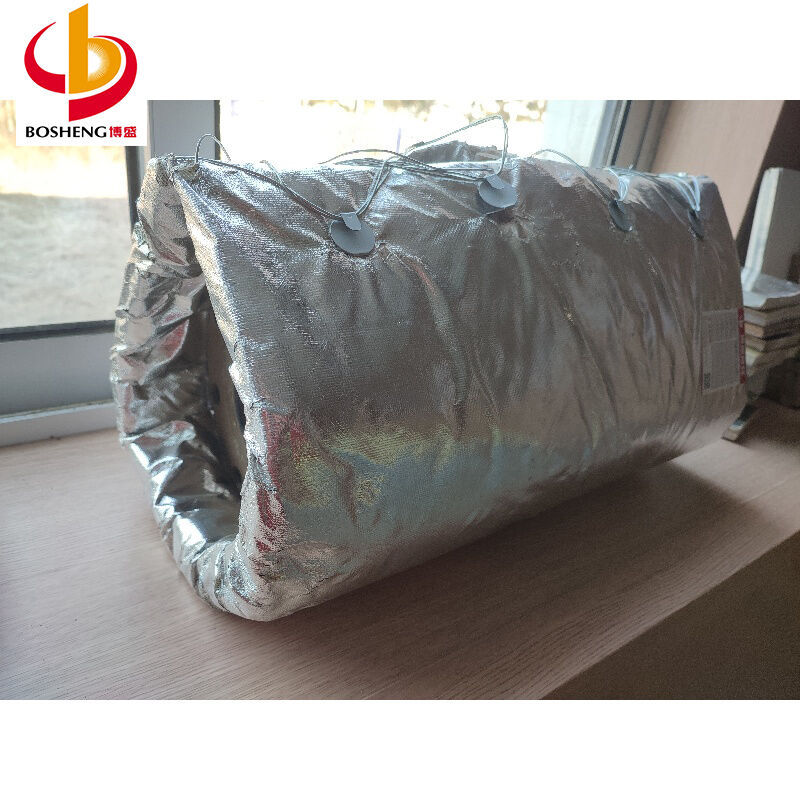
Industrial facilities require advanced insulation solutions that provide superior thermal protection, fire resistance, and acoustic control. Among the most effective materials available today is rock wool pipe insulation, which has become an essential component in modern industrial infrastructure. This high-performance material offers exceptional versatility across multiple applications, from petrochemical plants to marine environments, delivering consistent results in demanding operational conditions.
The manufacturing process of rock wool pipe insulation involves melting volcanic rock and recycled materials at temperatures exceeding 1500°C, then spinning the molten material into fine fibers. These fibers are bound together with organic binders to create a durable, lightweight insulation material that maintains its structural integrity under extreme conditions. The resulting product demonstrates remarkable resistance to temperature fluctuations while providing excellent dimensional stability throughout its service life.
Fundamental Properties and Characteristics
Thermal Performance Excellence
Rock wool pipe insulation exhibits exceptional thermal conductivity properties, typically ranging from 0.032 to 0.040 W/mK at room temperature. This low thermal conductivity ensures minimal heat transfer through pipe systems, significantly reducing energy losses and maintaining process temperatures. The material's thermal performance remains consistent across a wide temperature range, from -200°C to +700°C, making it suitable for both cryogenic and high-temperature applications.
The cellular structure of rock wool pipe creates countless air pockets that effectively trap heat and prevent thermal bridging. This unique architecture allows the material to maintain its insulating properties even when subjected to mechanical stress or vibration. Industrial facilities utilizing this insulation technology report substantial energy savings, with some installations achieving up to 15% reduction in heating and cooling costs compared to traditional insulation materials.
Fire Safety and Protection
Fire resistance represents one of the most critical advantages of rock wool pipe insulation in industrial applications. The material is classified as non-combustible according to international fire safety standards, with a melting point exceeding 1000°C. This exceptional fire resistance provides crucial protection for personnel and equipment in high-risk industrial environments, particularly in petrochemical, power generation, and manufacturing facilities.
During fire exposure, rock wool pipe maintains its structural integrity while releasing minimal smoke and no toxic gases. This characteristic is particularly valuable in enclosed spaces where smoke evacuation may be limited. The material acts as an effective fire barrier, preventing flame spread along pipe systems and providing additional time for emergency response procedures. Many insurance companies recognize these safety benefits by offering reduced premiums for facilities using certified rock wool insulation systems.
Industrial Applications and Use Cases
Petrochemical and Refinery Operations
Petrochemical facilities represent the largest market segment for rock wool pipe insulation due to the extreme operating conditions encountered in these environments. Process piping in refineries typically operates at temperatures ranging from 150°C to 500°C, requiring insulation materials that can withstand thermal cycling without degradation. The chemical resistance of rock wool makes it ideal for protecting pipes carrying corrosive substances, as it remains unaffected by most industrial chemicals and solvents.
Installation teams in petrochemical plants appreciate the lightweight nature of rock wool pipe sections, which reduces installation time and labor costs. The material can be easily cut and shaped to accommodate complex piping configurations, including bends, valves, and flanges. Maintenance schedules benefit from the durability of rock wool insulation, as properly installed systems can operate for decades without requiring replacement or significant repairs.
Power Generation Facilities
Power plants utilize rock wool pipe insulation throughout their steam distribution systems, turbine areas, and auxiliary equipment. The material's ability to withstand high-pressure steam conditions while maintaining thermal efficiency makes it essential for optimizing plant performance. Coal-fired, gas-fired, and nuclear power facilities all rely on rock wool insulation to minimize heat losses and protect personnel from hot surfaces.
The acoustic properties of rock wool pipe provide additional benefits in power generation environments, where noise reduction is crucial for worker comfort and regulatory compliance. Steam pipes and turbine systems generate significant noise levels, which can be effectively attenuated using properly designed rock wool insulation systems. This dual functionality of thermal and acoustic insulation makes rock wool pipe an economical choice for power plant operators seeking comprehensive performance solutions.
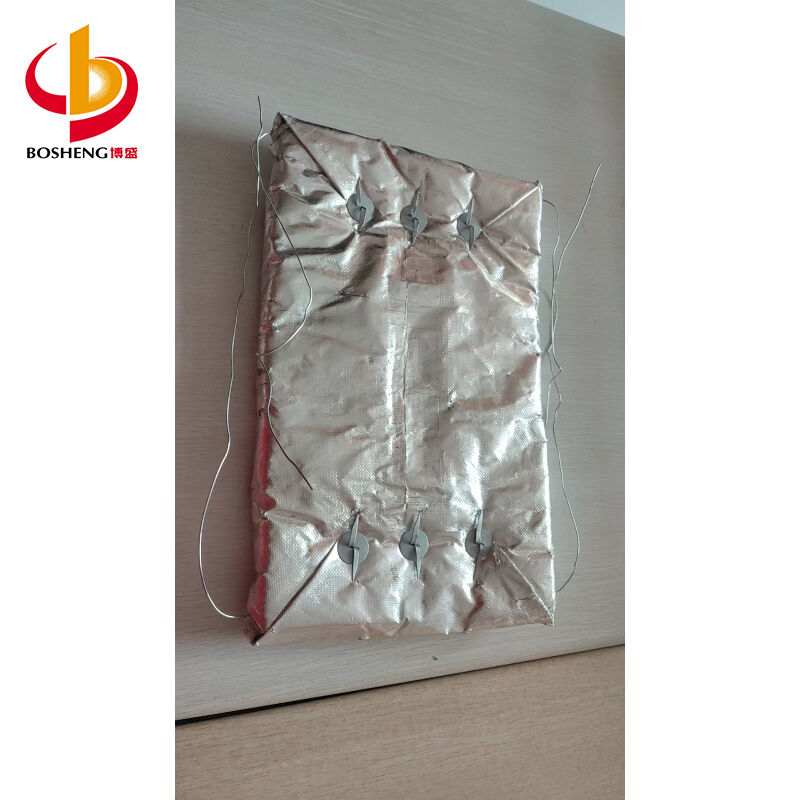
Installation Techniques and Best Practices
Pre-Installation Preparation
Successful rock wool pipe installation begins with thorough surface preparation and accurate measurement of pipe dimensions. The pipe surface must be clean, dry, and free from rust, oil, or other contaminants that could compromise insulation performance. Professional installers use specialized tools to ensure precise cutting of rock wool pipe sections, minimizing gaps that could create thermal bridges or reduce overall system efficiency.
Environmental conditions during installation significantly impact the long-term performance of rock wool pipe systems. Humidity levels should be controlled to prevent moisture absorption, which could reduce thermal performance and promote corrosion of underlying pipes. Installation teams must also consider thermal expansion characteristics of both the pipe and insulation materials to accommodate dimensional changes during operation.
Mechanical Fastening Systems
Rock wool pipe sections require secure mechanical fastening to maintain proper positioning throughout their service life. Stainless steel banding or aluminum cladding systems provide excellent durability and corrosion resistance in industrial environments. The fastening system must allow for thermal expansion while preventing insulation displacement due to vibration or mechanical disturbance.
Proper joint sealing between rock wool pipe sections is critical for maintaining thermal continuity and preventing moisture ingress. High-temperature sealants and specialized tapes designed for rock wool applications ensure long-lasting performance. Installation quality control procedures include thermal imaging inspections to verify uniform coverage and identify potential problem areas before system commissioning.
Performance Optimization and Maintenance
Monitoring and Inspection Protocols
Regular inspection of rock wool pipe installations helps identify potential issues before they impact system performance or safety. Visual inspections should focus on cladding integrity, joint condition, and signs of moisture infiltration or mechanical damage. Thermal imaging surveys can detect areas of compromised insulation performance, allowing for targeted maintenance interventions.
Industrial facilities typically establish inspection schedules based on operating conditions and regulatory requirements. High-temperature applications may require more frequent monitoring, while systems operating under moderate conditions can often extend inspection intervals. Documentation of inspection findings helps establish maintenance trends and optimize replacement schedules for maximum cost effectiveness.
Troubleshooting Common Issues
Moisture infiltration represents the most common challenge affecting rock wool pipe performance in industrial applications. Early detection through regular monitoring allows for prompt remediation before significant thermal performance degradation occurs. Proper vapor barrier installation and maintenance can prevent most moisture-related problems, particularly in outdoor or high-humidity environments.
Mechanical damage from maintenance activities or equipment modifications can compromise rock wool pipe integrity. Replacement of damaged sections should use materials with identical specifications to maintain uniform performance characteristics. Training maintenance personnel on proper handling techniques helps minimize accidental damage during routine plant operations.
Economic Benefits and Cost Analysis
Energy Savings and Efficiency Gains
The economic justification for rock wool pipe installation typically centers on energy savings achieved through reduced heat losses. Industrial facilities report significant reductions in fuel consumption and utility costs following comprehensive insulation upgrades using rock wool materials. Payback periods for rock wool pipe investments commonly range from 6 to 18 months, depending on energy costs and operating temperatures.
Life cycle cost analysis demonstrates the superior economic performance of rock wool pipe compared to alternative insulation materials. The extended service life of properly installed rock wool systems reduces replacement frequency and associated labor costs. Facilities planning long-term capital investments benefit from the predictable performance characteristics and minimal maintenance requirements of rock wool pipe insulation.
Operational Cost Reduction
Beyond direct energy savings, rock wool pipe installation contributes to reduced operational costs through improved process control and equipment protection. Consistent pipe temperatures enable more precise process control, reducing product waste and improving quality metrics. The fire protection benefits of rock wool pipe can also reduce insurance premiums and regulatory compliance costs in many industrial applications.
Maintenance cost reductions represent another significant economic benefit of rock wool pipe systems. The material's resistance to chemical attack, thermal cycling, and mechanical stress minimizes the need for frequent repairs or replacements. Facilities using rock wool pipe insulation often report 30-50% reductions in insulation-related maintenance costs compared to traditional materials.
Environmental Impact and Sustainability
Manufacturing and Raw Material Sourcing
Rock wool pipe production utilizes abundant natural resources and significant quantities of recycled materials, supporting circular economy principles in industrial construction. Modern manufacturing facilities incorporate up to 75% recycled content, including post-industrial waste and reclaimed building materials. This high recycled content reduces environmental impact while maintaining the superior performance characteristics that make rock wool pipe essential for industrial applications.
The energy required for rock wool pipe manufacturing is partially offset by the substantial energy savings achieved during its service life. Life cycle assessments demonstrate that the environmental benefits of rock wool pipe insulation far exceed the manufacturing impacts within the first few years of operation. Facilities implementing comprehensive rock wool pipe systems contribute to significant reductions in greenhouse gas emissions through improved energy efficiency.
End-of-Life Considerations
Rock wool pipe materials can be recycled at the end of their service life, further enhancing their environmental credentials. Specialized recycling processes can recover the mineral fibers for use in new insulation products or alternative applications such as growing media for horticulture. This recyclability reduces waste disposal costs and supports sustainable facility management practices.
Proper disposal procedures for rock wool pipe ensure minimal environmental impact when recycling is not feasible. The inert nature of the material means it can be safely disposed of in standard industrial landfills without risk of groundwater contamination or toxic emissions. Many manufacturers provide take-back programs to facilitate proper disposal and recycling of used rock wool pipe materials.
Future Developments and Industry Trends
Advanced Manufacturing Technologies
Emerging manufacturing techniques are enhancing the performance characteristics of rock wool pipe while reducing production costs and environmental impact. Advanced fiber spinning technologies create more uniform fiber structures, improving thermal performance and mechanical strength. These innovations enable the development of thinner rock wool pipe sections that provide equivalent thermal protection with reduced material requirements.
Smart manufacturing systems incorporate real-time quality monitoring and automated production controls to ensure consistent product quality across different production runs. These technological advances support the growing demand for customized rock wool pipe solutions tailored to specific industrial applications. Manufacturers are also developing specialized formulations optimized for extreme service conditions, including ultra-high temperatures and corrosive environments.
Integration with Digital Technologies
The integration of sensor technologies with rock wool pipe systems enables continuous monitoring of insulation performance and early detection of potential problems. Embedded temperature sensors can provide real-time feedback on thermal efficiency, while moisture sensors alert maintenance teams to potential infiltration issues. These smart insulation systems support predictive maintenance strategies and optimize facility energy management.
Digital modeling tools are revolutionizing rock wool pipe system design and optimization. Advanced thermal modeling software allows engineers to simulate complex insulation systems and optimize thickness, configuration, and material selection for specific applications. These tools enable more precise sizing of rock wool pipe systems, maximizing energy savings while minimizing material costs and installation complexity.
FAQ
What temperature range can rock wool pipe insulation handle
Rock wool pipe insulation can effectively operate across a temperature range from -200°C to +700°C, making it suitable for both cryogenic and high-temperature applications. The material maintains its structural integrity and thermal performance throughout this entire range, with specific product grades optimized for different temperature segments. For most industrial applications, standard rock wool pipe products are designed for continuous operation up to 650°C with intermittent exposure to higher temperatures.
How does rock wool pipe compare to other insulation materials
Rock wool pipe offers superior fire resistance compared to organic insulation materials, with a non-combustible classification and melting point above 1000°C. Its thermal performance is competitive with other mineral-based insulations while providing better dimensional stability under thermal cycling. The material also offers excellent acoustic insulation properties and chemical resistance that surpasses many alternative products, making it ideal for demanding industrial environments.
What factors affect the lifespan of rock wool pipe insulation
The service life of rock wool pipe insulation typically ranges from 15 to 30 years, depending on operating conditions, installation quality, and maintenance practices. Factors that can reduce lifespan include exposure to excessive moisture, mechanical damage during maintenance activities, and operation beyond designed temperature limits. Proper cladding systems and regular inspection programs can help maximize the operational life of rock wool pipe installations.
Are there specific safety considerations when installing rock wool pipe
Installation of rock wool pipe requires standard personal protective equipment including respiratory protection, safety glasses, and protective clothing to prevent skin and respiratory irritation from mineral fibers. Proper ventilation should be maintained during cutting and handling operations. While rock wool fibers are not classified as carcinogenic, following established safety protocols ensures worker comfort and compliance with occupational health regulations during installation and maintenance activities.