
 EN
EN



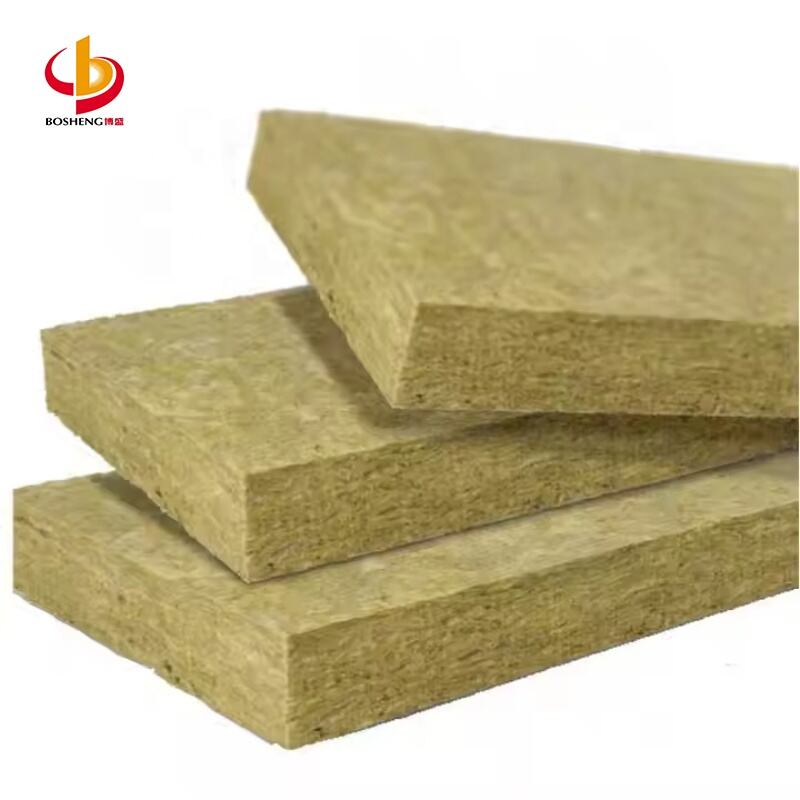
If unwanted noise is disrupting your comfort at home, rock wool acoustic insulation is one of the most effective and widely trusted solutions available today. Unlike standard thermal insulation materials, rock wool acoustic insulation is engineered specifically to absorb, dampen, and block sound waves as they travel through walls, floors, and ceilings. Whether you live near a busy road, share walls with neighbors, or simply want a quieter interior environment, rock wool acoustic insulation delivers measurable performance that other materials often struggle to match.
Rock wool acoustic insulation is produced from molten basalt rock or recycled slag, spun into dense fibrous mats that trap sound energy within their structure. This physical density is precisely what makes rock wool acoustic insulation superior in noise control applications compared to lighter alternatives like fiberglass batts. Understanding how rock wool acoustic insulation works — and why it outperforms other choices — helps homeowners and contractors make smarter decisions when planning a soundproofing upgrade.
How Rock Wool Acoustic Insulation Blocks Sound Transmission
The Science Behind Sound Absorption
Sound travels as vibrational energy, moving through solid structures and air cavities until it dissipates or reaches another room. Rock wool acoustic insulation interrupts this journey by converting sound wave energy into a small amount of heat through friction within its dense fiber matrix. When rock wool acoustic insulation is installed inside a wall cavity, the sound waves must pass through countless interlocking fibers, losing significant energy at each contact point. This mechanism makes rock wool acoustic insulation particularly effective against both airborne noise — such as voices, music, and traffic — and low-frequency vibrations that conventional materials tend to pass through. The higher the density of the rock wool acoustic insulation product, the more effectively it attenuates these varied sound frequencies.
Noise Reduction Coefficient and STC Ratings
Two key performance metrics help quantify how well rock wool acoustic insulation performs in real-world applications: the Noise Reduction Coefficient (NRC) and the Sound Transmission Class (STC) rating. Rock wool acoustic insulation typically achieves NRC values close to 1.0, meaning it absorbs nearly all incident sound energy rather than reflecting it back into the room. Similarly, assemblies incorporating rock wool acoustic insulation tend to score significantly higher STC ratings than comparable constructions without it. A wall assembly using rock wool acoustic insulation between standard drywall layers can raise the STC rating by 5 to 10 points compared to an empty stud cavity — a meaningful improvement in perceived noise reduction. These measurable gains are why rock wool acoustic insulation is specified in high-performance residential construction projects.
Key Areas Where Rock Wool Acoustic Insulation Delivers Results
Interior Walls and Partition Assemblies
Interior walls are often the weakest link in a home's soundproofing system, allowing noise to travel freely between bedrooms, living areas, and home offices. Installing rock wool acoustic insulation inside interior wall cavities dramatically reduces this sound transfer. Rock wool acoustic insulation fills the entire stud bay, leaving no air gaps that could allow flanking noise to bypass the barrier. This is especially important in multi-story homes where rock wool acoustic insulation in floor-ceiling assemblies can prevent impact noise — footsteps, dropped items, and furniture movement — from reaching rooms below. Contractors frequently recommend rock wool acoustic insulation for partition walls in home theaters, nurseries, and bedrooms precisely because of this reliable and consistent performance.
Exterior Walls, Roofs, and Mechanical Spaces
Rock wool acoustic insulation also plays a critical role along exterior building envelopes. Exterior walls insulated with rock wool acoustic insulation benefit from both thermal and acoustic performance simultaneously, making it a dual-purpose investment. Traffic noise, aircraft sounds, and neighborhood activity are all attenuated when rock wool acoustic insulation fills the exterior wall cavity with sufficient density. Roof assemblies and mechanical rooms — where HVAC equipment, pipes, and ventilation systems generate continuous low-frequency noise — also benefit enormously from rock wool acoustic insulation lining their surfaces. In these spaces, rock wool acoustic insulation acts as both a barrier layer and an absorption layer, addressing the problem from two angles at once.
Practical Advantages of Rock Wool Acoustic Insulation for Homeowners
Installation, Safety, and Durability
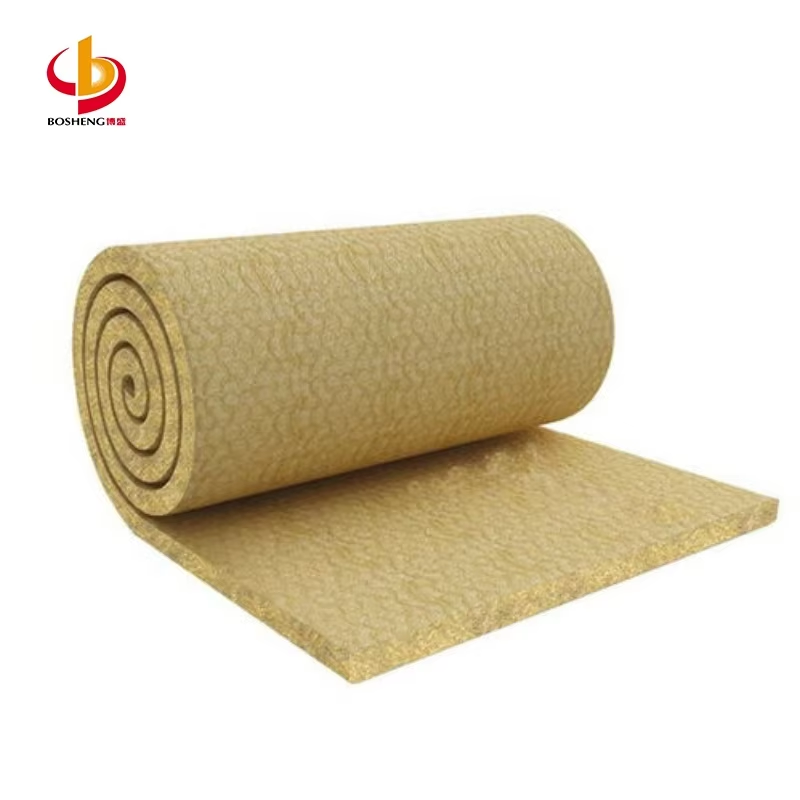
One of the practical advantages of rock wool acoustic insulation is how straightforward it is to handle and install compared to rigid board products. Rock wool acoustic insulation comes in flexible batts and rolls that cut easily with a standard utility knife, fitting snugly into irregular cavities without leaving performance-robbing gaps. Unlike some insulation types, rock wool acoustic insulation is naturally non-combustible, offering added fire resistance as a built-in benefit. Rock wool acoustic insulation is also hydrophobic, meaning it resists moisture absorption and will not degrade, sag, or lose its acoustic properties when exposed to typical household humidity levels. These durability characteristics mean that rock wool acoustic insulation installed today will continue performing reliably for the life of the building without needing replacement or maintenance.
Long-Term Value and Comfort Improvement
The long-term comfort and property value improvements delivered by rock wool acoustic insulation make it a cost-effective upgrade for homeowners willing to invest in quality. Rock wool acoustic insulation reduces the stress and fatigue associated with chronic noise exposure, contributing to better sleep quality, improved concentration, and a more pleasant living environment overall. From a real estate perspective, homes with professionally installed rock wool acoustic insulation are increasingly valued by buyers who prioritize interior comfort. Rock wool acoustic insulation also contributes to energy efficiency by adding thermal mass to wall assemblies, helping to reduce heating and cooling costs alongside the soundproofing benefits. The combination of acoustic, thermal, fire-resistant, and moisture-resistant properties makes rock wool acoustic insulation one of the smartest material choices available for residential upgrades.
FAQ
Is rock wool acoustic insulation suitable for existing homes or only new construction?
Rock wool acoustic insulation can absolutely be used in existing homes. It is commonly installed during renovations when walls, floors, or ceilings are opened for other repair work. Blown-in formats of rock wool acoustic insulation also allow retrofitting into closed cavities without full demolition, making it a versatile choice for homeowners upgrading an existing property.
How thick should rock wool acoustic insulation be for effective soundproofing?
The optimal thickness for rock wool acoustic insulation depends on the cavity depth and the target noise reduction level. For standard interior walls with 3.5-inch stud bays, a full-depth batt of rock wool acoustic insulation provides excellent results. Deeper assemblies of 5.5 inches or more allow denser or thicker rock wool acoustic insulation products that deliver even greater acoustic performance, particularly against low-frequency sounds.
Does rock wool acoustic insulation also improve thermal insulation performance?
Yes, rock wool acoustic insulation provides meaningful thermal insulation alongside its acoustic benefits. Rock wool acoustic insulation typically carries R-values between R-13 and R-23 depending on thickness and density, making it a genuinely dual-purpose material. Homeowners installing rock wool acoustic insulation for soundproofing can expect a simultaneous improvement in their home's energy efficiency without needing separate insulation layers.