
 EN
EN



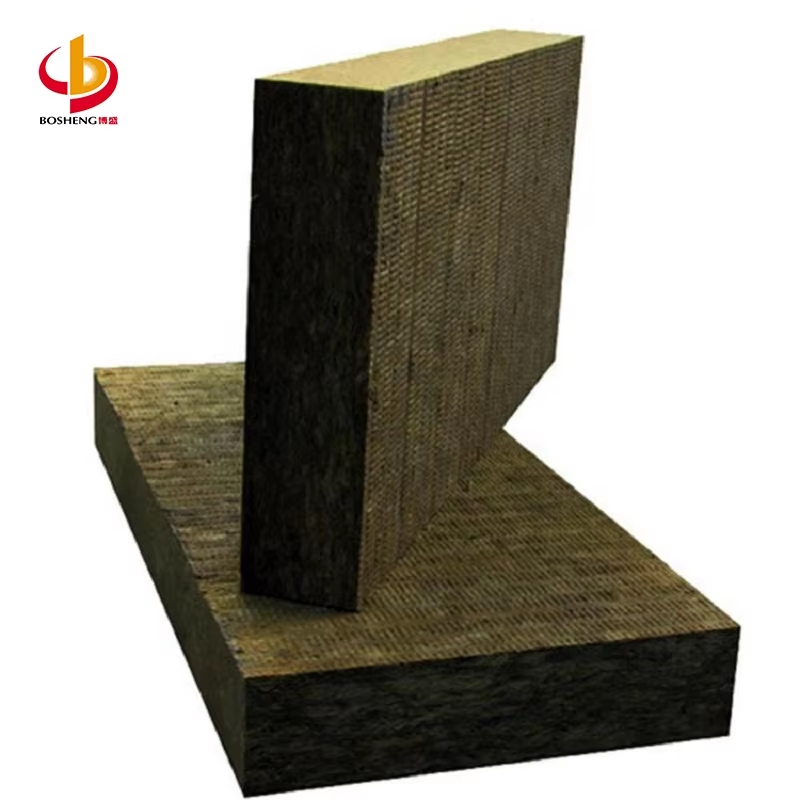
When growers ask whether rock wool cubes can improve nutrient retention in hydroponics, the short answer is yes — but the full answer requires understanding how rock wool cubes interact with water, nutrients, and plant roots at a structural level. Rock wool cubes are among the most widely adopted growing media in commercial and small-scale hydroponic systems precisely because of their unique physical properties. Unlike soil or coco coir, rock wool cubes offer a consistent, inert matrix that gives growers precise control over the nutrient environment surrounding plant roots.
Understanding the relationship between rock wool cubes and nutrient retention is essential for any grower seeking higher yields and more efficient use of hydroponic nutrients. Rock wool cubes hold both moisture and air simultaneously, creating an ideal root zone where nutrient-rich solution remains accessible without drowning the roots. This dual capacity is what makes rock wool cubes so effective in hydroponic setups ranging from drip systems to NFT channels and deep water culture environments.
How Rock Wool Cubes Support Nutrient Retention
The Physical Structure Behind Nutrient Holding
Rock wool cubes are manufactured by melting basalt rock and chalk, then spinning the molten material into fine fibers. These fibers create a dense yet porous matrix inside each of the rock wool cubes. The porosity of rock wool cubes allows them to absorb and retain a significant volume of nutrient solution while still maintaining air-filled pores that prevent anaerobic conditions. This structure means nutrients stay within reach of plant roots for longer periods between irrigation cycles.
The fibrous interior of rock wool cubes provides a large surface area where nutrient ions can remain in solution rather than leaching away immediately. When a grower delivers a measured dose of nutrient solution to rock wool cubes, the solution is distributed evenly throughout the cube's fiber network. This uniform distribution is a key reason why rock wool cubes outperform many loose growing media in nutrient delivery consistency. Growers using rock wool cubes report more predictable plant uptake compared to media with irregular texture or density.
Water-to-Air Ratio in Rock Wool Cubes
One of the most important characteristics of rock wool cubes is their capacity to maintain an optimal water-to-air ratio. Standard rock wool cubes retain approximately 80% water and 20% air by volume after drainage, though this ratio can vary slightly by cube density and manufacturer specification. This balance ensures that rock wool cubes stay moist enough to keep dissolved nutrients available while still providing the oxygen levels that healthy roots require. Oxygen-rich root zones in rock wool cubes support stronger nutrient absorption because aerobic root metabolism is more efficient than anaerobic activity.
Factors That Affect Nutrient Retention in Rock Wool Cubes
pH Management and Its Role
Rock wool cubes are chemically inert, which is a significant advantage in hydroponics. However, fresh rock wool cubes often have a slightly alkaline pH that can affect nutrient availability if not properly conditioned. Before use, growers should soak rock wool cubes in a pH-adjusted solution, typically set between 5.5 and 6.0, to stabilize the substrate. When rock wool cubes are used at the correct pH range, nutrient ions remain soluble and accessible, which directly supports better retention and uptake by plant roots.
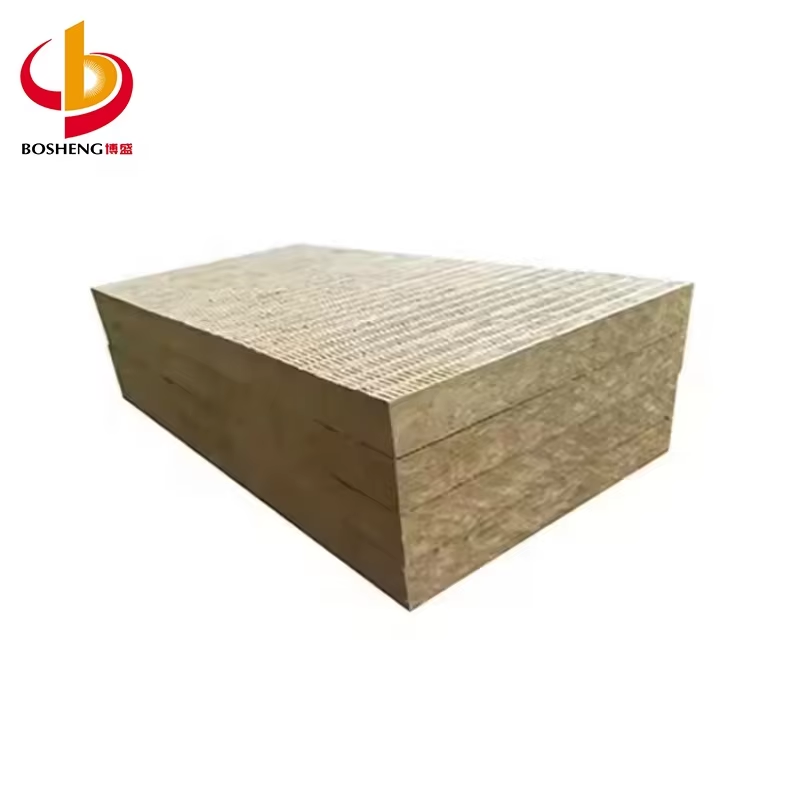
Neglecting pH conditioning of rock wool cubes can cause nutrient lockout, where certain mineral elements become chemically unavailable even though they are physically present in the cube. Calcium, iron, and magnesium are particularly sensitive to pH shifts inside rock wool cubes. Growers who regularly monitor and adjust the pH of solutions delivered to rock wool cubes consistently achieve better nutrient retention outcomes and fewer deficiency symptoms in their crops.
Irrigation Frequency and Volume
The irrigation strategy used with rock wool cubes directly influences how well nutrients are retained versus flushed out. Overwatering rock wool cubes can push nutrient solution out of the fiber matrix before roots have the chance to absorb it. Underwatering, on the other hand, allows salt concentrations to build up inside rock wool cubes, which can create osmotic stress for plant roots. The ideal approach involves shorter, more frequent irrigation cycles that replenish moisture and nutrients inside rock wool cubes without saturating them beyond their drainage capacity.
Experienced hydroponic growers often use EC meters to monitor the concentration of nutrient solution inside rock wool cubes. By measuring the runoff EC from rock wool cubes, growers can assess whether nutrients are accumulating or being depleted too quickly. This real-time feedback allows precise adjustments to both irrigation volume and nutrient formula, making rock wool cubes a highly manageable growing medium for data-driven cultivation strategies.
Practical Applications of Rock Wool Cubes in Hydroponic Systems
Seedling and Propagation Use
Rock wool cubes are especially valued during the seedling and propagation phase because they retain enough moisture to support germination while allowing root tips to explore freely. Small rock wool cubes used for seedlings provide a stable environment where diluted nutrient solutions are held close to emerging root systems. As plants develop, larger rock wool cubes can be used for transplanting, ensuring continuity in nutrient retention throughout the growth cycle. This scalable approach makes rock wool cubes a versatile choice across multiple stages of crop production.
Integration with Commercial Hydroponic Systems
In commercial greenhouse operations, rock wool cubes are used extensively in combination with drip irrigation systems. The consistent porosity of rock wool cubes ensures that each plant receives a similar volume of nutrient solution, reducing variation in crop development. Growers can stack or connect rock wool cubes with slabs to extend root zone capacity as plants mature. The long service life and recyclability of rock wool cubes also contribute to their economic appeal in large-scale operations where media cost efficiency matters.
FAQ
Do rock wool cubes need to be pre-soaked before use?
Yes, rock wool cubes should always be pre-soaked in a pH-adjusted nutrient solution before planting. This conditioning step stabilizes the pH inside rock wool cubes and ensures nutrients are immediately available to seedlings or cuttings from the moment of contact with the root zone.
How often should nutrient solution be applied to rock wool cubes?
Irrigation frequency for rock wool cubes depends on plant size, ambient temperature, and light intensity. Generally, rock wool cubes should be irrigated multiple times per day during peak growth stages, with each cycle short enough to prevent waterlogging while maintaining sufficient moisture for continuous nutrient availability.
Can rock wool cubes be reused across multiple growing cycles?
Rock wool cubes can sometimes be sterilized and reused, but this practice requires thorough cleaning to remove old root matter and salt deposits. Fresh rock wool cubes typically deliver more consistent nutrient retention performance, and many commercial growers prefer to use new rock wool cubes each cycle to avoid pathogen carryover and maintain optimal growing conditions.