Industrial Rock Insulation Materials: High-Performance Thermal Solutions for Maximum Efficiency

Get a Free Quote

Our representative will contact you soon.
Email
Name
Company Name
Message
0/1000

rock insulation materials for industrial use

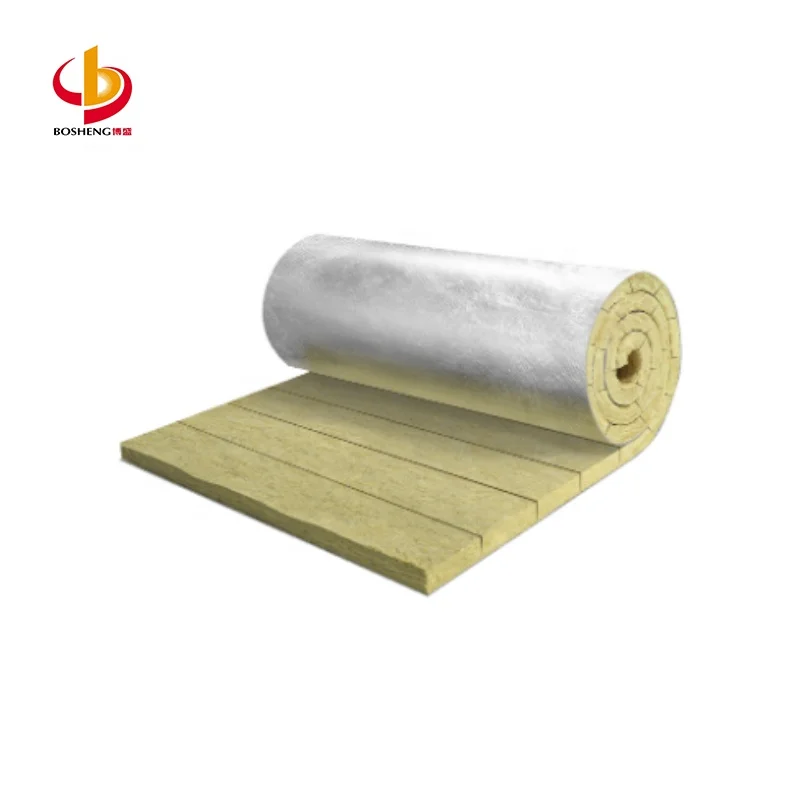
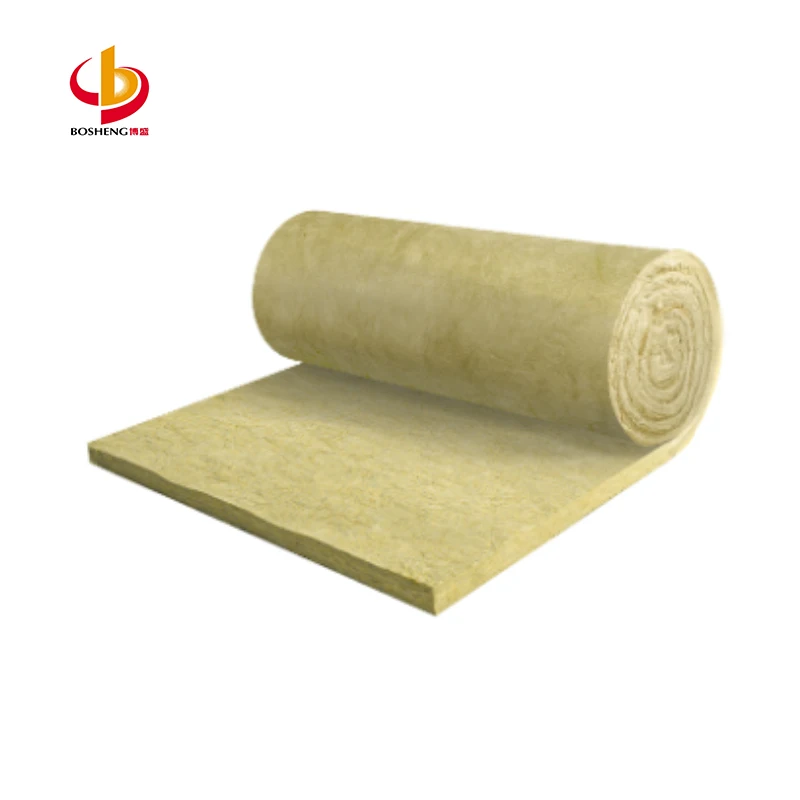
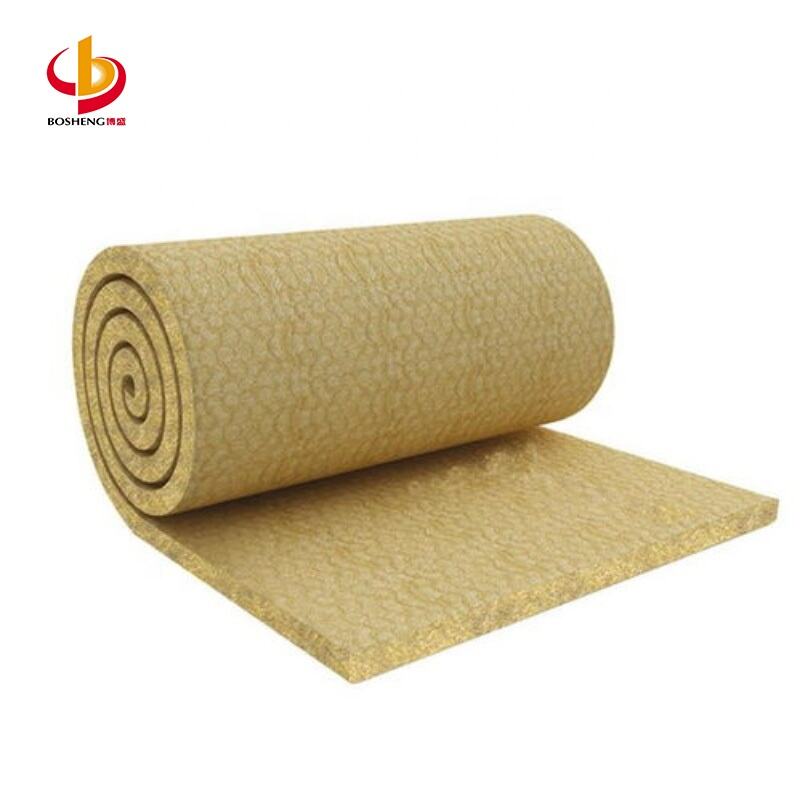
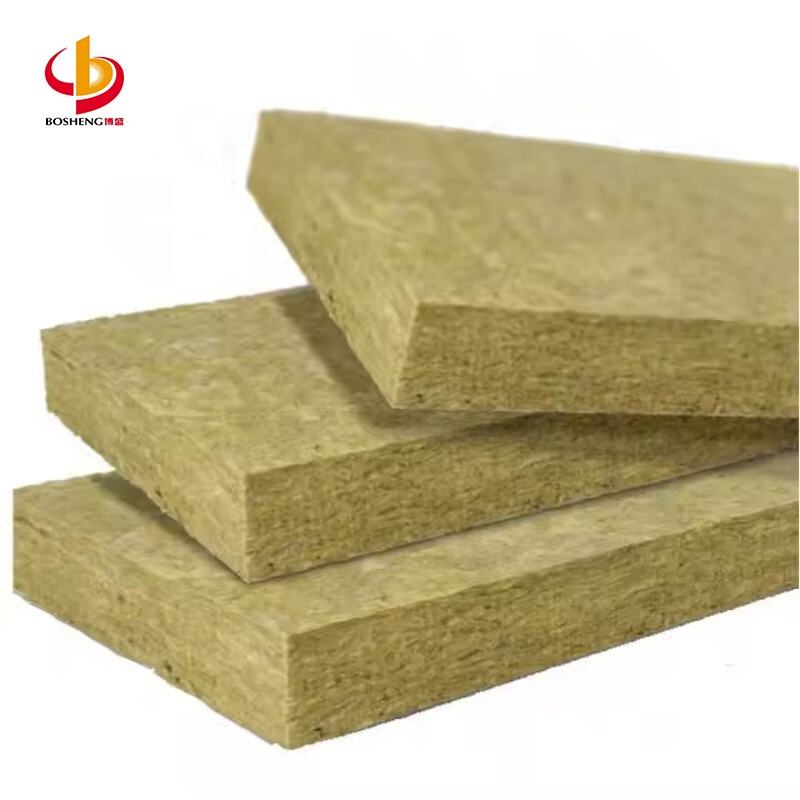
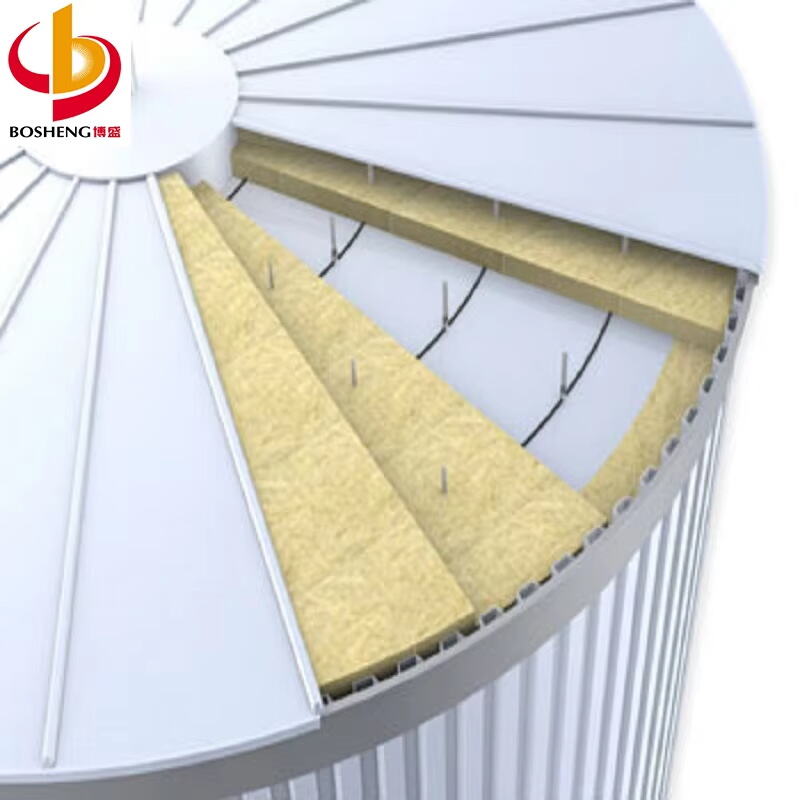
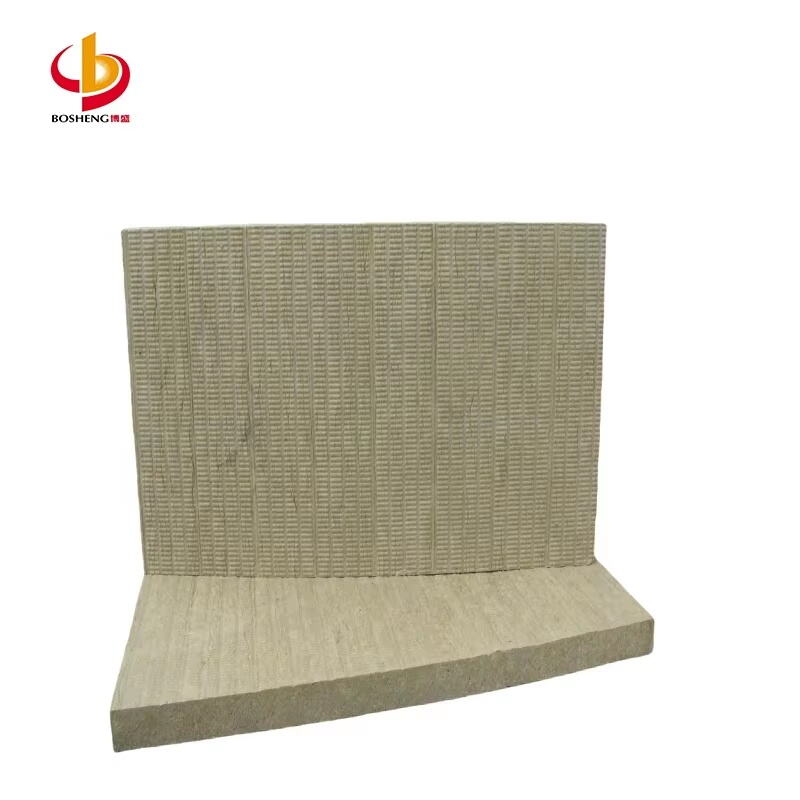
Rock insulation materials represent a crucial component in industrial applications, offering superior thermal protection and energy efficiency. These materials, primarily composed of natural rock fibers, are manufactured through an advanced melting and spinning process that creates a dense network of mineral wool fibers. The resulting product exhibits exceptional thermal resistance properties, with the ability to maintain stable temperatures in industrial environments ranging from -50°C to 750°C. The material's structure combines high-density fiber orientation with controlled air pockets, creating an effective barrier against heat transfer while providing excellent acoustic insulation properties. In industrial settings, rock insulation materials are extensively utilized in pipe systems, industrial ovens, boilers, and large-scale manufacturing equipment. The material's non-combustible nature makes it particularly valuable in high-temperature applications where fire safety is paramount. Additionally, these materials demonstrate remarkable durability and resistance to chemical exposure, making them ideal for harsh industrial environments. The installation process is streamlined through pre-formed sections and flexible formatting options, allowing for precise fitting around complex industrial equipment and piping systems. These materials also contribute significantly to energy conservation efforts by reducing heat loss in industrial processes, thereby improving overall operational efficiency and reducing energy costs.


Popular Products

Rock insulation materials offer numerous compelling advantages for industrial applications. Firstly, their superior thermal performance significantly reduces energy consumption, leading to substantial cost savings in industrial operations. The materials maintain their insulating properties across a wide temperature range, ensuring consistent performance in various industrial processes. The non-combustible nature of rock insulation provides essential fire safety benefits, meeting stringent industrial safety standards and reducing insurance costs. The material's durability is particularly noteworthy, as it maintains its structural integrity and insulating properties over extended periods, even in challenging industrial environments. This longevity translates to reduced maintenance requirements and lower replacement costs over time. The materials also demonstrate excellent resistance to moisture and chemical exposure, preventing degradation and maintaining effectiveness in humid or chemically active environments. From an installation perspective, rock insulation materials are designed for efficient handling and application, reducing labor costs and minimizing downtime during maintenance or upgrades. The material's acoustic insulation properties contribute to improved workplace conditions by reducing noise levels in industrial settings. Environmental benefits are significant, as these materials are typically manufactured using sustainable processes and can be recycled at the end of their service life. The materials' dimensional stability ensures they maintain their shape and effectiveness even under varying temperature conditions, preventing gaps or thermal bridges that could compromise insulation performance. Additionally, their resistance to vermin and biological growth makes them ideal for maintaining hygienic conditions in industrial settings.

Latest News

Why Contractors Prefer Rock Wool Insulation Blanket Rolls for Energy Efficiency

12

Sep

Why Contractors Prefer Rock Wool Insulation Blanket Rolls for Energy Efficiency

Understanding the Superior Choice in Modern Construction Insulation The construction industry has witnessed a significant shift towards more sustainable and efficient insulation materials, with rock wool insulation blanket rolls emerging as the premi...
View More
Why Are Rock Wool Cubes a Staple in Hydroponic Gardening?

31

Oct

Why Are Rock Wool Cubes a Staple in Hydroponic Gardening?

The Revolutionary Growing Medium Transforming Modern Hydroponics In the ever-evolving world of hydroponic gardening, rock wool cubes have emerged as an indispensable growing medium that continues to revolutionize the way we cultivate plants without s...
View More
What Makes External Wall Insulation Rock Wool a Smart Choice?

31

Oct

What Makes External Wall Insulation Rock Wool a Smart Choice?

Understanding the Superior Benefits of Mineral Wool for External Walls When it comes to insulating your building's exterior, external wall insulation rock wool stands out as an exceptional solution that combines thermal efficiency, fire safety, and s...
View More
Can External Wall Insulation Rock Wool Protect Against Noise Pollution?

31

Oct

Can External Wall Insulation Rock Wool Protect Against Noise Pollution?

Understanding Sound Insulation Properties of Rock Wool for Exterior Walls Living in urban environments often means dealing with constant noise from traffic, construction, and neighboring activities. External wall insulation rock wool has emerged as a...
View More

Get a Free Quote

Our representative will contact you soon.
Email
Name
Company Name
Message
0/1000

rock insulation materials for industrial use

Superior Thermal Performance and Energy Efficiency

Superior Thermal Performance and Energy Efficiency

Rock insulation materials excel in providing outstanding thermal performance across extreme temperature ranges, making them invaluable in industrial applications. The unique fiber structure creates a highly effective barrier against heat transfer, resulting in remarkable energy efficiency improvements. When properly installed, these materials can reduce heat loss by up to 80% compared to uninsulated surfaces, leading to significant energy cost savings. The material's thermal conductivity values remain stable even at high temperatures, ensuring consistent performance in demanding industrial processes. This thermal stability is achieved through the precise engineering of fiber density and orientation, creating an optimal balance between insulation effectiveness and material weight. The energy efficiency benefits extend beyond direct cost savings, contributing to reduced carbon emissions and improved environmental performance for industrial facilities. The material's ability to maintain consistent temperatures also helps protect sensitive equipment and processes, potentially extending the lifespan of industrial assets.
Durability and Chemical Resistance

Durability and Chemical Resistance

The exceptional durability of rock insulation materials sets them apart in industrial applications, where long-term reliability is crucial. These materials maintain their structural integrity and performance characteristics even when exposed to extreme temperatures, mechanical stress, and vibration. The inherent chemical resistance of rock insulation makes it suitable for use in environments where exposure to aggressive substances is common. The material's inorganic composition prevents degradation from chemical exposure, ensuring sustained performance in challenging industrial settings. This durability translates to reduced maintenance requirements and longer replacement intervals, contributing to lower lifecycle costs. The material's resistance to moisture penetration prevents water logging and maintains insulation effectiveness, even in high-humidity environments. The dimensional stability of rock insulation ensures it retains its shape and position over time, preventing the formation of gaps or thermal bridges that could compromise insulation performance.
Safety and Compliance Features

Safety and Compliance Features

Rock insulation materials incorporate comprehensive safety features that make them ideal for industrial applications where risk management is paramount. The non-combustible nature of these materials, typically achieving the highest fire safety ratings, provides crucial protection in high-temperature industrial processes. The materials do not emit toxic fumes when exposed to heat or fire, ensuring workplace safety during potential incidents. Compliance with international safety standards is assured through rigorous testing and certification processes, meeting or exceeding industry requirements. The materials contribute to overall facility safety by providing passive fire protection and helping to contain potential fire spread. Their excellent acoustic insulation properties help maintain safe noise levels in industrial environments, contributing to workplace health and safety compliance. The materials are also free from harmful substances and do not support the growth of mold or bacteria, ensuring a safer working environment.

Get a Free Quote

Our representative will contact you soon.
Email
Name
Company Name
Message
0/1000