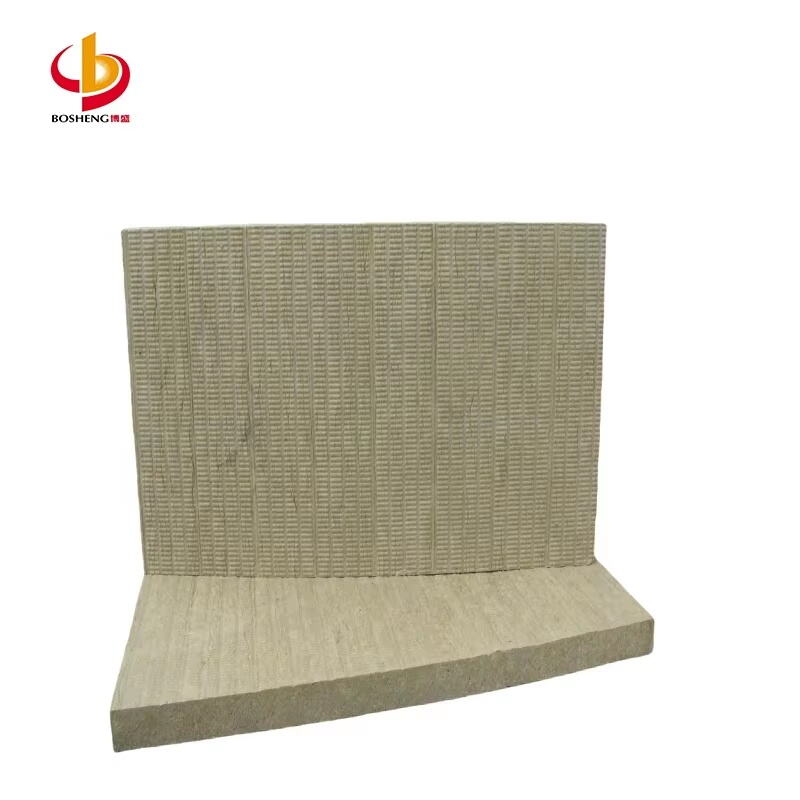
High-Performance Rock Insulation: Advanced Fire Resistance for Modern Construction Safety

Get a Free Quote

Our representative will contact you soon.
Email
Name
Company Name
Message
0/1000

rock insulation materials fire resistant

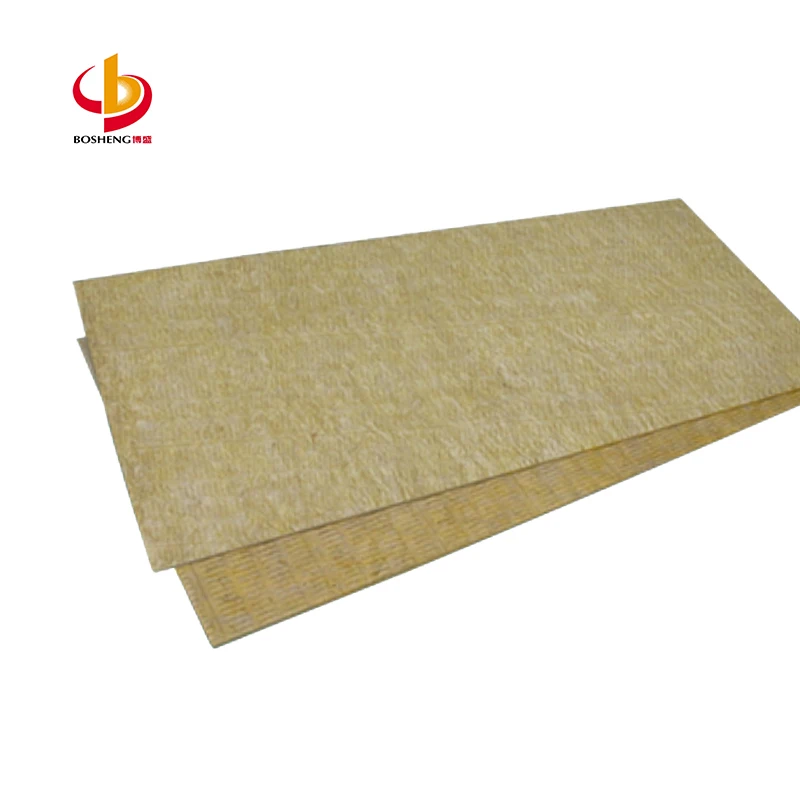
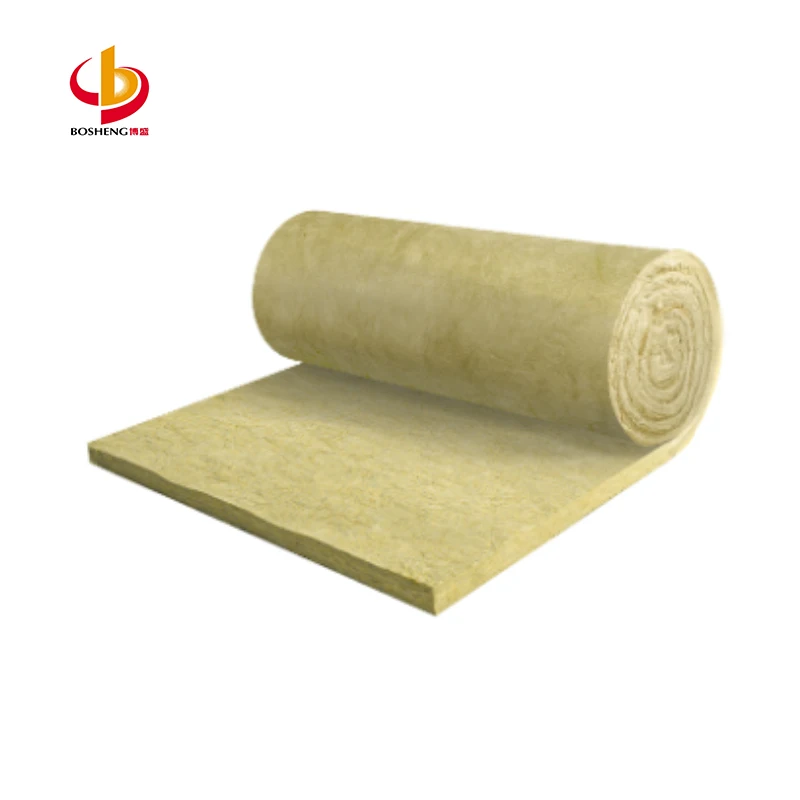
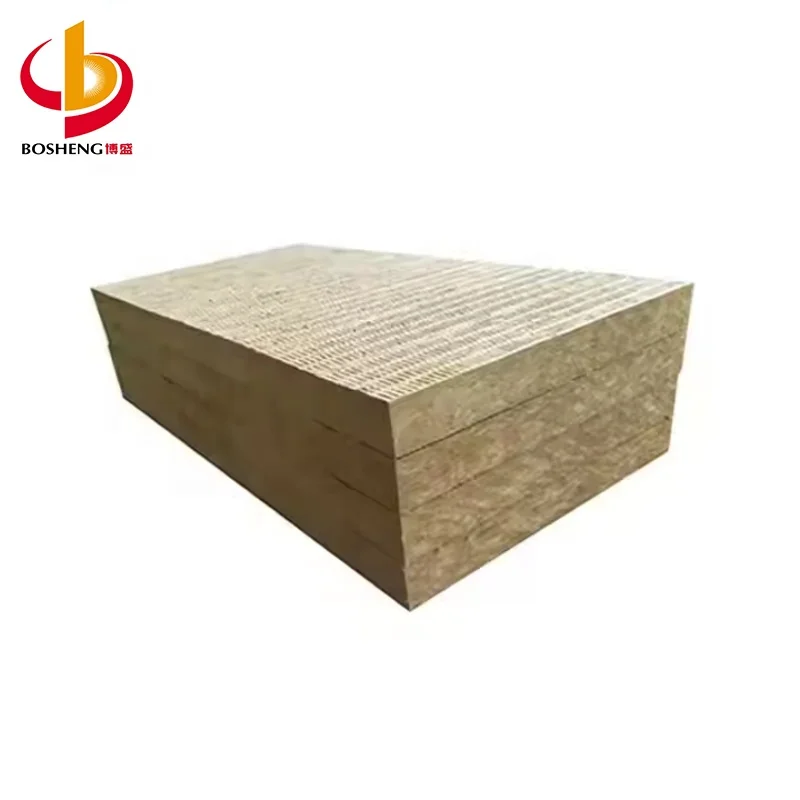
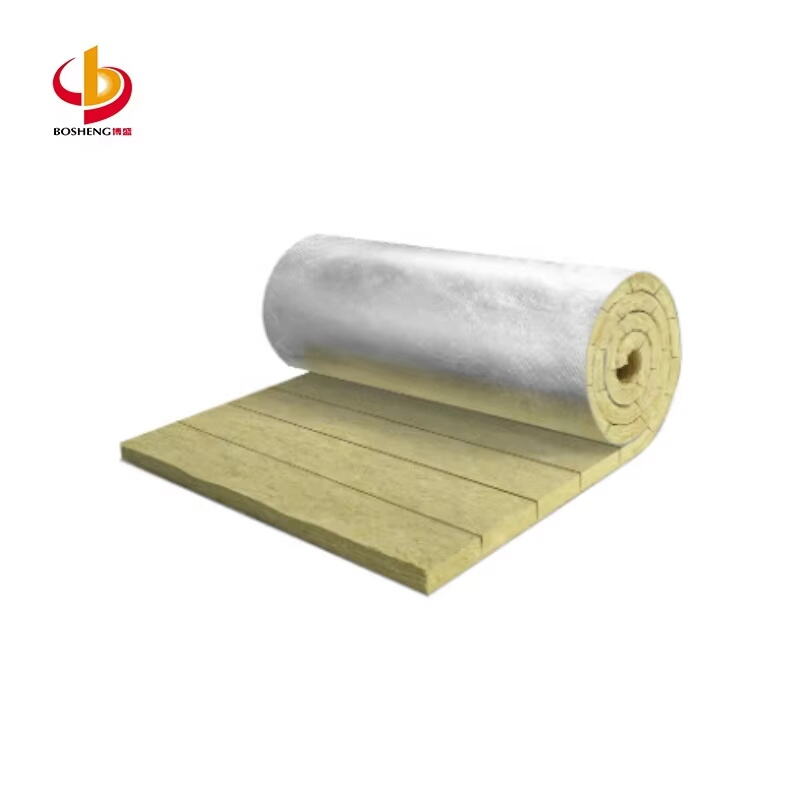
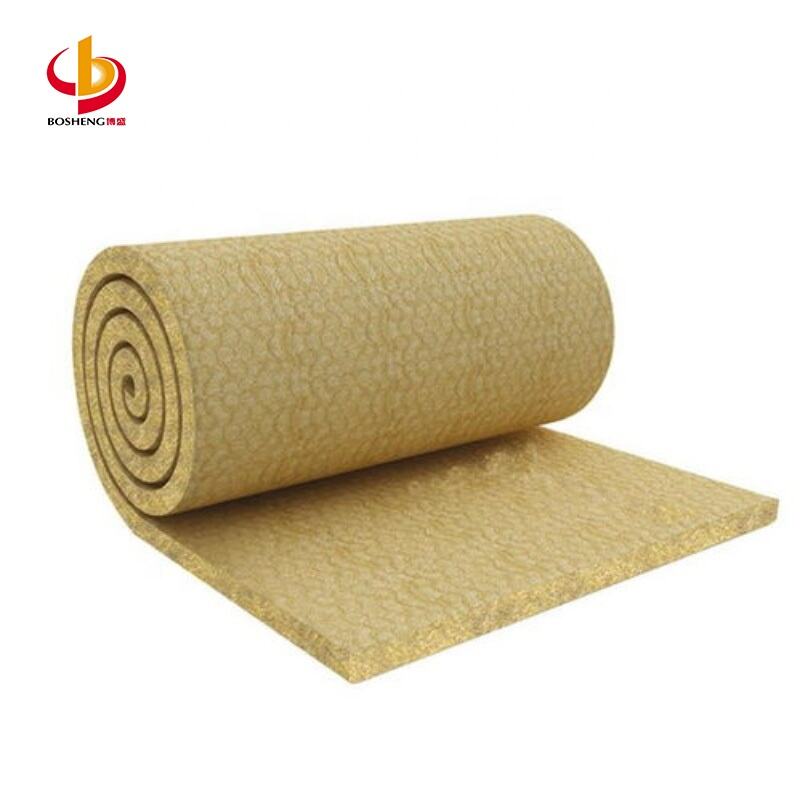
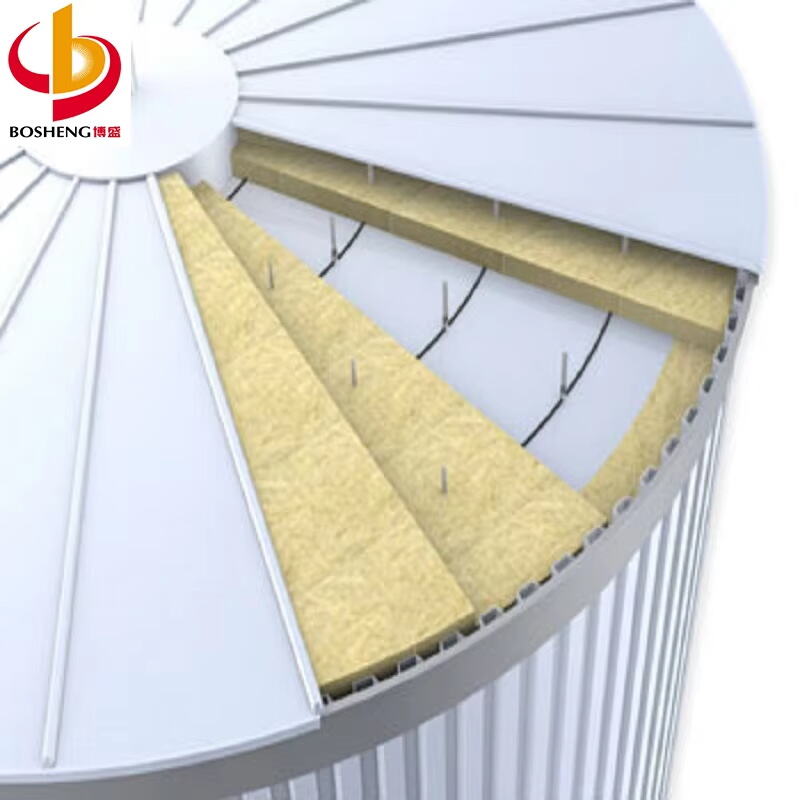
Rock insulation materials with fire-resistant properties represent a crucial advancement in modern construction and industrial safety. These materials, primarily composed of mineral wool or stone wool, are manufactured through a sophisticated process of melting natural rocks at extremely high temperatures, typically around 1,500°C, before being spun into fibers. The resulting material exhibits exceptional fire resistance capabilities, with the ability to withstand temperatures up to 1,000°C without compromising its structural integrity. These materials serve multiple functions, including thermal insulation, acoustic dampening, and most importantly, fire protection. The non-combustible nature of rock insulation makes it an invaluable component in fire-resistant building systems, particularly in commercial structures, industrial facilities, and residential buildings where fire safety is paramount. The material's unique structure, consisting of tightly interwoven mineral fibers, creates countless air pockets that effectively slow heat transfer while maintaining its fire-resistant properties. This composition also contributes to its excellent durability and longevity, ensuring sustained performance throughout the building's lifetime. In modern applications, rock insulation materials are widely used in walls, ceilings, roofs, and around mechanical systems, providing comprehensive fire protection while simultaneously offering superior thermal and acoustic insulation benefits.


New Product Releases

Rock insulation materials with fire-resistant properties offer numerous compelling advantages that make them an ideal choice for contemporary construction projects. First and foremost, their outstanding fire resistance capabilities provide crucial safety benefits, potentially saving lives and property in the event of a fire. These materials do not burn or produce toxic smoke when exposed to flames, maintaining their structural integrity even under extreme heat conditions. The thermal insulation properties are equally impressive, helping to reduce energy consumption and associated costs by maintaining consistent indoor temperatures throughout the year. This dual functionality of fire protection and thermal insulation makes rock insulation materials highly cost-effective in the long term. Another significant advantage is their excellent acoustic performance, effectively reducing noise transmission between spaces, which is particularly valuable in commercial and multi-residential buildings. The material's durability and resistance to moisture, mold, and mildew ensure long-lasting performance with minimal maintenance requirements. Environmental considerations are also addressed, as these materials are typically made from abundant natural resources and can often be recycled at the end of their life cycle. The ease of installation and handling makes them practical for both new construction and renovation projects, while their versatility allows for application in various building components. Additionally, rock insulation materials contribute to achieving higher building code compliance and may help in obtaining environmental certification credits. The material's dimensional stability ensures it maintains its shape and performance characteristics over time, even under varying temperature and humidity conditions. These advantages, combined with the material's non-corrosive nature and compatibility with most building materials, make rock insulation an excellent choice for modern construction projects.

Latest News

How Does Rock Wool Rolls Contribute to a Greener Building Design?

28

Aug

How Does Rock Wool Rolls Contribute to a Greener Building Design?

Transforming Modern Architecture Through Sustainable Insulation Solutions The construction industry stands at a critical juncture where sustainable building practices have become more important than ever. At the forefront of this green revolution are...
View More
What Are Rock Wool Rolls and Why Are They Used in Modern Buildings?

12

Sep

What Are Rock Wool Rolls and Why Are They Used in Modern Buildings?

Understanding the Revolutionary Impact of Mineral Wool Insulation in Contemporary Architecture Modern construction has evolved dramatically over the past decades, with innovative materials playing a crucial role in creating more efficient and sustain...
View More
Why Are Rock Wool Cubes a Staple in Hydroponic Gardening?

31

Oct

Why Are Rock Wool Cubes a Staple in Hydroponic Gardening?

The Revolutionary Growing Medium Transforming Modern Hydroponics In the ever-evolving world of hydroponic gardening, rock wool cubes have emerged as an indispensable growing medium that continues to revolutionize the way we cultivate plants without s...
View More
What Factors Should You Consider When Selecting Rock Wool Acoustic Insulation?

31

Oct

What Factors Should You Consider When Selecting Rock Wool Acoustic Insulation?

Essential Guidelines for Choosing High-Performance Acoustic Insulation Materials The selection of rock wool acoustic insulation plays a pivotal role in achieving optimal sound control and thermal performance in any building project. Whether you're wo...
View More

Get a Free Quote

Our representative will contact you soon.
Email
Name
Company Name
Message
0/1000

rock insulation materials fire resistant

Superior Fire Protection and Safety Features

Superior Fire Protection and Safety Features

The exceptional fire protection capabilities of rock insulation materials stand as their most distinctive feature, offering unparalleled safety benefits in construction applications. These materials are designed to withstand temperatures exceeding 1,000°C while maintaining their structural integrity and insulating properties. This remarkable heat resistance is achieved through the material's unique composition of mineral fibers, which are inherently non-combustible and do not contribute to fire spread. When exposed to extreme heat, the material acts as a protective barrier, significantly slowing the progression of fire through building structures. This critical feature provides valuable time for building evacuation and emergency response. Furthermore, unlike some synthetic insulation materials, rock insulation does not emit toxic fumes or smoke when exposed to fire, which is crucial for occupant safety during fire incidents. The material's ability to maintain its shape and structural integrity under high temperatures also helps preserve the stability of building elements during a fire event.
Enhanced Energy Efficiency Performance

Enhanced Energy Efficiency Performance

Rock insulation materials demonstrate exceptional thermal performance capabilities that significantly contribute to building energy efficiency. The unique fiber structure creates millions of air pockets that effectively trap heat, resulting in superior thermal resistance values (R-values). This high-performance insulation capability helps maintain consistent indoor temperatures throughout the year, reducing the energy demand for heating and cooling systems. The material's thermal properties remain stable over time, ensuring long-term energy efficiency benefits. In cold climates, it prevents heat loss from interior spaces, while in warm conditions, it helps keep buildings cool by minimizing heat gain. This bi-directional thermal protection translates into substantial energy savings and reduced carbon emissions over the building's lifetime. The material's density and fiber orientation can be optimized for specific applications, allowing for customized thermal performance based on climate conditions and building requirements.
Sustainable and Environmentally Responsible Solution

Sustainable and Environmentally Responsible Solution

The environmental credentials of rock insulation materials make them a compelling choice for sustainable construction projects. These materials are manufactured primarily from abundant natural resources, typically using basalt rock and recycled content, which reduces the demand for virgin materials. The production process, while energy-intensive, results in products that save many times more energy over their lifetime than is used in their manufacture. Rock insulation materials are fully recyclable at the end of their life cycle, supporting circular economy principles in the construction industry. Their durability and long service life minimize the need for replacement, reducing waste and resource consumption over time. The materials contribute to improved indoor air quality by being inert and free from harmful volatile organic compounds (VOCs). Their role in reducing building energy consumption directly translates to lower greenhouse gas emissions throughout the building's operational life.

Get a Free Quote

Our representative will contact you soon.
Email
Name
Company Name
Message
0/1000