High-Performance Marine Insulation Materials: Advanced Solutions for Maritime Safety and Efficiency

Get a Free Quote

Our representative will contact you soon.
Email
Name
Company Name
Message
0/1000

marine insulation materials

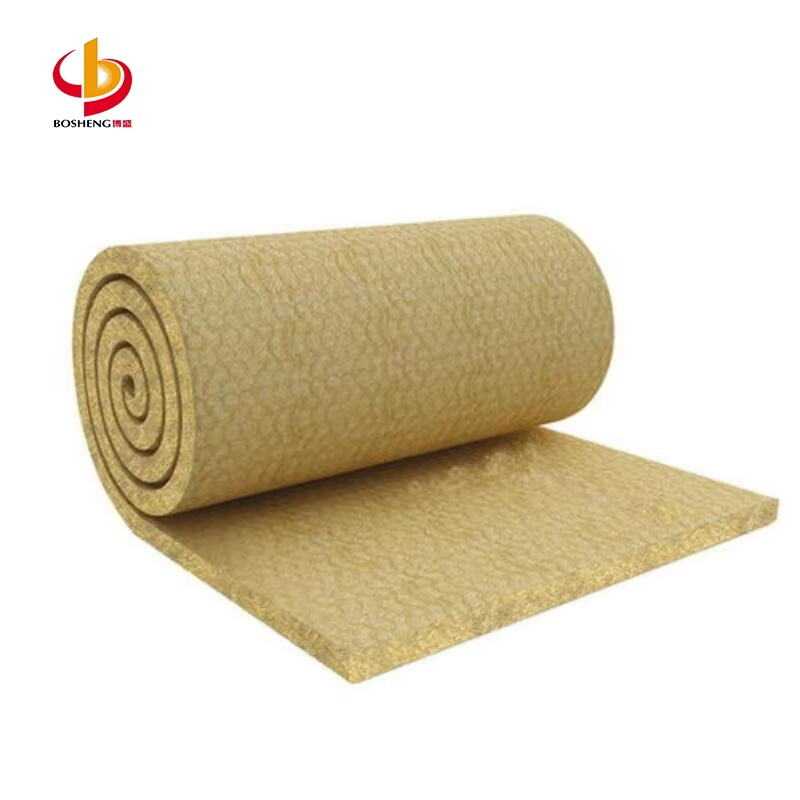
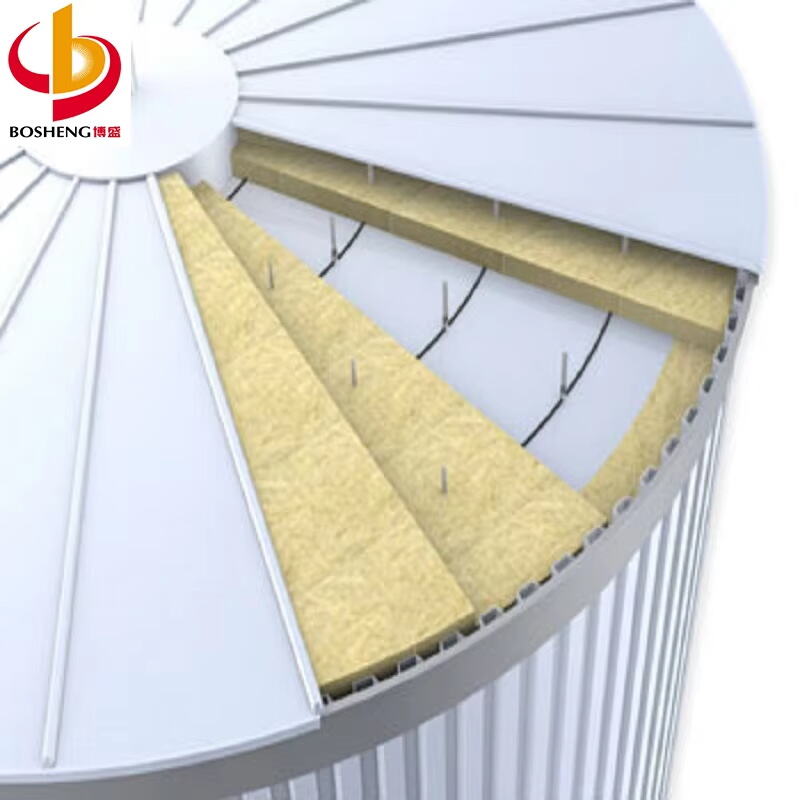
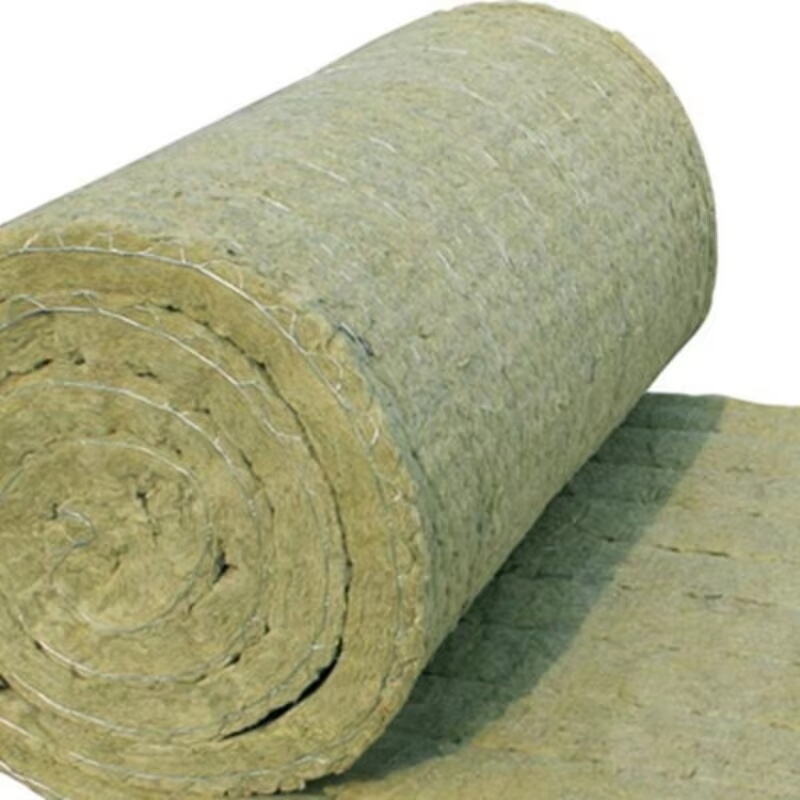
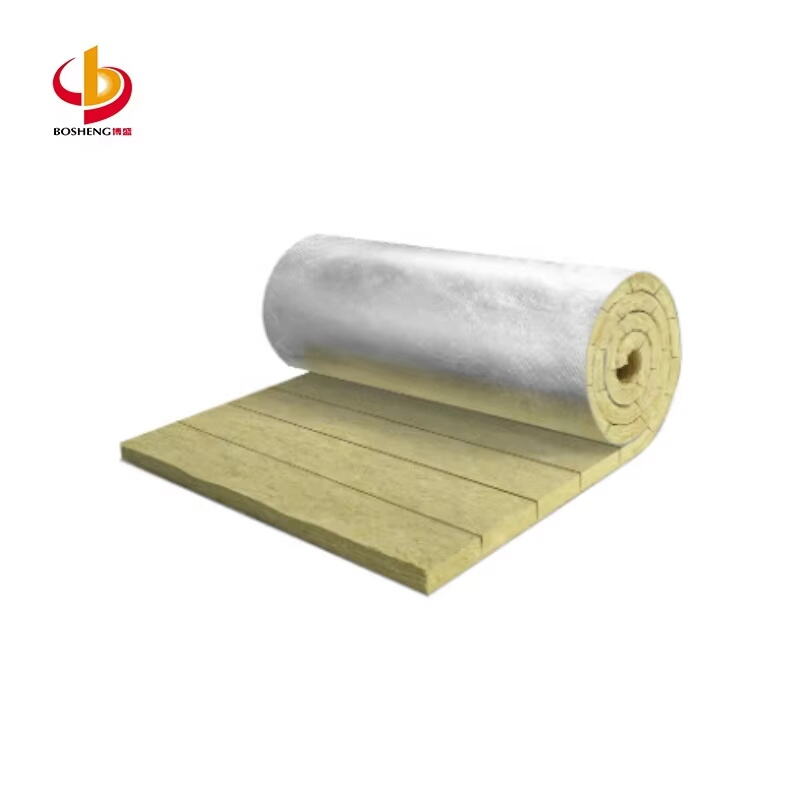
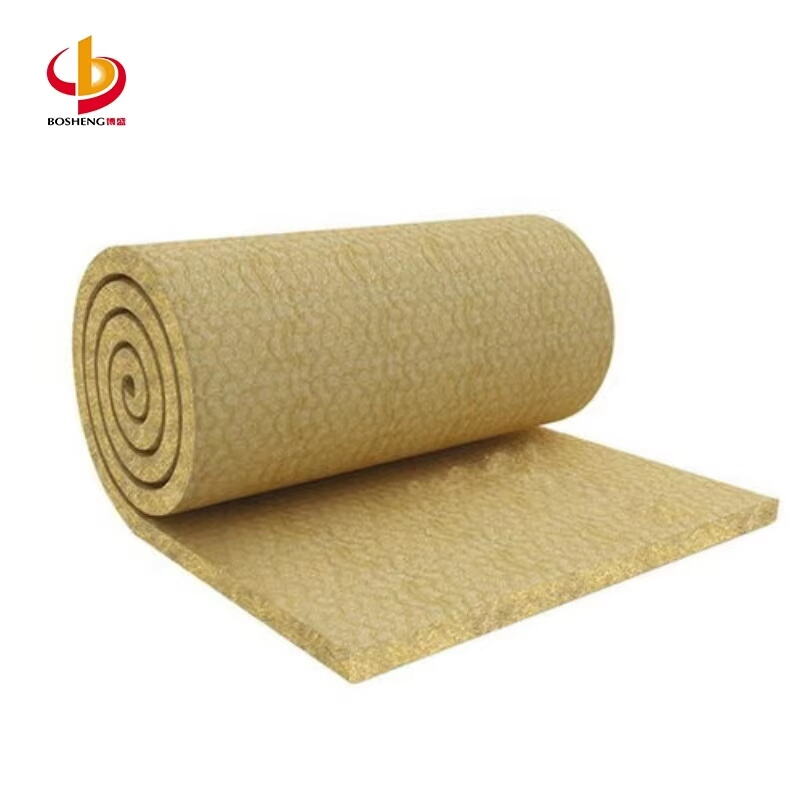
Marine insulation materials represent a crucial component in maritime construction and vessel operation, serving as an essential barrier against thermal transfer, noise, and fire hazards in marine environments. These specialized materials are engineered to withstand harsh oceanic conditions while maintaining their protective properties. The primary function of marine insulation is to regulate temperature across various ship compartments, prevent condensation formation, and reduce energy consumption in heating and cooling systems. Advanced marine insulation materials typically incorporate multiple layers of high-performance substances, including mineral wool, glass fiber, polyurethane foam, and ceramic-based compounds. These materials are specifically designed to meet strict maritime safety regulations and environmental standards. In commercial vessels, marine insulation plays a vital role in protecting cargo areas, engine rooms, and accommodation spaces. The technology behind these materials has evolved significantly, now featuring enhanced moisture resistance, improved fire retardation properties, and superior thermal efficiency. Modern marine insulation solutions also contribute to vessel sustainability by reducing fuel consumption and minimizing heat loss. The application process requires precise installation techniques to ensure maximum effectiveness and compliance with marine classification societies' requirements. These materials are essential for maintaining optimal operating conditions aboard vessels while ensuring passenger comfort and cargo protection.


New Products

Marine insulation materials offer numerous compelling advantages that make them indispensable in maritime applications. First and foremost, these materials provide superior thermal protection, significantly reducing heat transfer between different areas of a vessel. This thermal efficiency translates into substantial energy savings, as less power is required for heating and cooling systems. The materials' exceptional moisture resistance prevents water accumulation and condensation, which is crucial for preventing corrosion and maintaining structural integrity. Modern marine insulation solutions also excel in noise reduction, creating more comfortable environments for crew and passengers while meeting strict maritime noise regulations. The fire-resistant properties of these materials enhance overall vessel safety, providing critical time for emergency responses in case of fire incidents. From an economic perspective, the durability of marine insulation materials results in lower maintenance costs and extended service life of ship components. Their lightweight nature contributes to vessel efficiency by reducing overall weight without compromising performance. These materials also demonstrate excellent chemical resistance, protecting against various substances commonly encountered in marine environments. The installation flexibility of modern marine insulation allows for efficient application in complex ship geometries and tight spaces. Environmental benefits include reduced carbon emissions through improved energy efficiency and the use of eco-friendly materials in many current formulations. The materials' ability to prevent thermal bridging helps maintain consistent temperatures throughout the vessel, leading to better climate control and reduced operational costs.

Tips And Tricks

What Are the Key Advantages of Using Rock Wool Rolls in Construction?

28

Aug

What Are the Key Advantages of Using Rock Wool Rolls in Construction?

Understanding the Revolutionary Impact of Mineral Fiber Insulation in Modern Construction The construction industry has witnessed remarkable evolution in insulation materials over the decades, with rock wool rolls emerging as a standout solution for ...
View More
Selecting Fireproof Rock Insulation Blanket Rolls: What You Need to Know

12

Sep

Selecting Fireproof Rock Insulation Blanket Rolls: What You Need to Know

Understanding the Essential Role of Mineral Wool Insulation in Fire Safety When it comes to protecting buildings and industrial facilities from the devastating effects of fire, a fireproof rock insulation blanket serves as a critical line of defense....
View More
Where Are Rock Insulation Blanket Rolls Most Commonly Applied?

31

Oct

Where Are Rock Insulation Blanket Rolls Most Commonly Applied?

Understanding the Versatility of Mineral Wool Insulation Solutions Rock insulation blanket rolls have become increasingly essential in modern construction and industrial applications, offering superior thermal protection and fire resistance propertie...
View More
Can External Wall Insulation Rock Wool Protect Against Noise Pollution?

31

Oct

Can External Wall Insulation Rock Wool Protect Against Noise Pollution?

Understanding Sound Insulation Properties of Rock Wool for Exterior Walls Living in urban environments often means dealing with constant noise from traffic, construction, and neighboring activities. External wall insulation rock wool has emerged as a...
View More

Get a Free Quote

Our representative will contact you soon.
Email
Name
Company Name
Message
0/1000

marine insulation materials

Advanced Thermal Performance and Energy Efficiency

Advanced Thermal Performance and Energy Efficiency

Marine insulation materials excel in providing exceptional thermal performance through their advanced multi-layer construction and innovative material composition. The carefully engineered structure creates an effective barrier against heat transfer, maintaining desired temperatures in different vessel compartments while minimizing energy loss. This superior thermal efficiency directly impacts operational costs by reducing the power requirements for heating and cooling systems. The materials' thermal resistance capabilities remain stable even under varying weather conditions and temperature fluctuations commonly experienced at sea. Modern marine insulation solutions incorporate advanced thermal breaking technology, effectively preventing heat bridges and ensuring consistent temperature control throughout the vessel. This comprehensive thermal management system contributes to significant fuel savings and reduced carbon emissions, aligning with current maritime environmental regulations and sustainability goals.
Enhanced Safety and Regulatory Compliance

Enhanced Safety and Regulatory Compliance

Safety features integrated into marine insulation materials represent a crucial advancement in maritime safety standards. These materials undergo rigorous testing to ensure compliance with international marine safety regulations and classification society requirements. The fire-resistant properties are particularly noteworthy, with many products achieving high fire ratings and providing extended fire protection periods. This enhanced fire safety is achieved through specialized material compositions that resist flame spread and minimize smoke generation during fire incidents. The materials also contribute to structural fire protection systems, creating effective barriers that help contain fires within specific zones. Additionally, the insulation materials' non-toxic nature ensures safety during installation, maintenance, and in case of fire, protecting crew members and passengers from harmful emissions.
Durability and Environmental Resistance

Durability and Environmental Resistance

Marine insulation materials demonstrate exceptional durability in challenging maritime environments, making them a reliable long-term investment for vessel operators. These materials are specifically engineered to resist salt water exposure, high humidity, and extreme temperature variations without degrading or losing their insulative properties. The superior moisture resistance prevents water absorption and subsequent performance deterioration, while also protecting against mold and mildew growth. This durability extends to mechanical strength, with materials capable of withstanding vibration, movement, and various physical stresses common in marine applications. The materials' resistance to chemical exposure ensures their longevity even in areas exposed to fuel, oil, and cleaning agents. Modern marine insulation solutions also incorporate UV-resistant properties for exposed applications, further extending their service life and maintaining appearance quality over time.

Get a Free Quote

Our representative will contact you soon.
Email
Name
Company Name
Message
0/1000