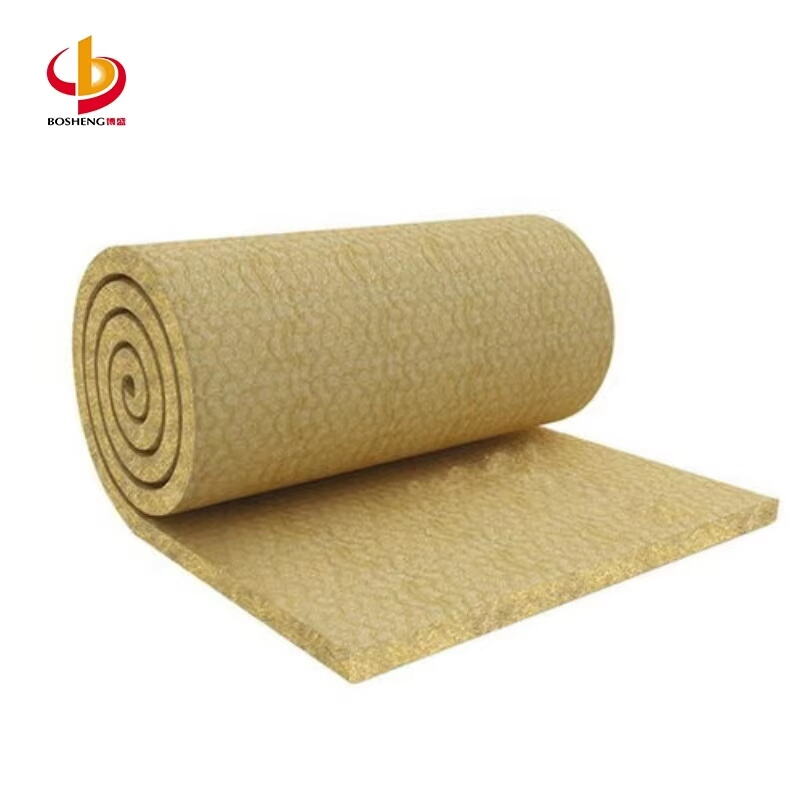
Best Rockwool for Soundproofing: Professional Grade Acoustic Insulation Solutions

Get a Free Quote

Our representative will contact you soon.
Email
Name
Company Name
Message
0/1000

best rockwool for soundproofing

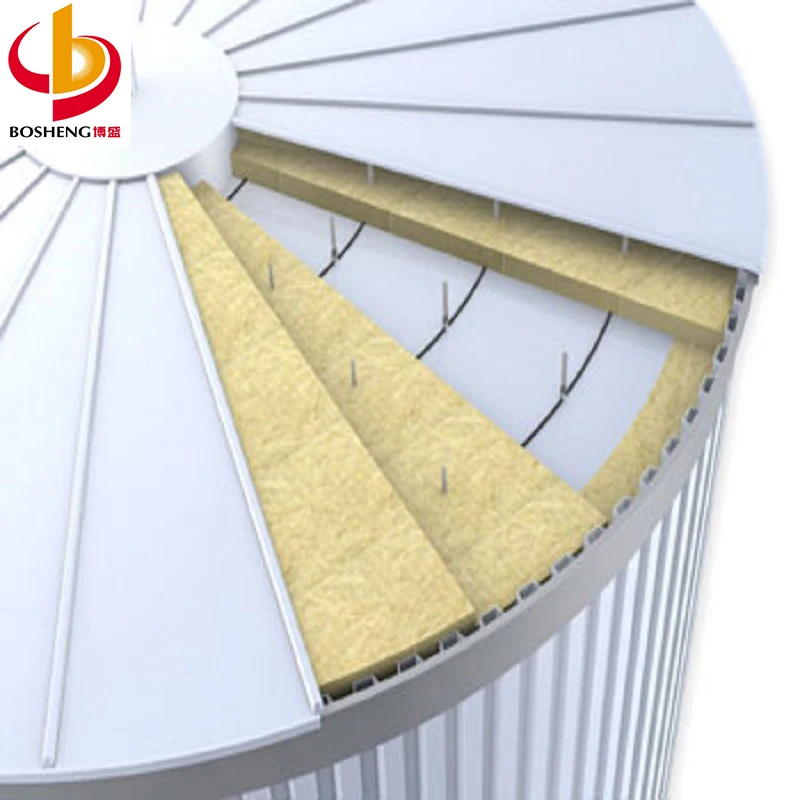
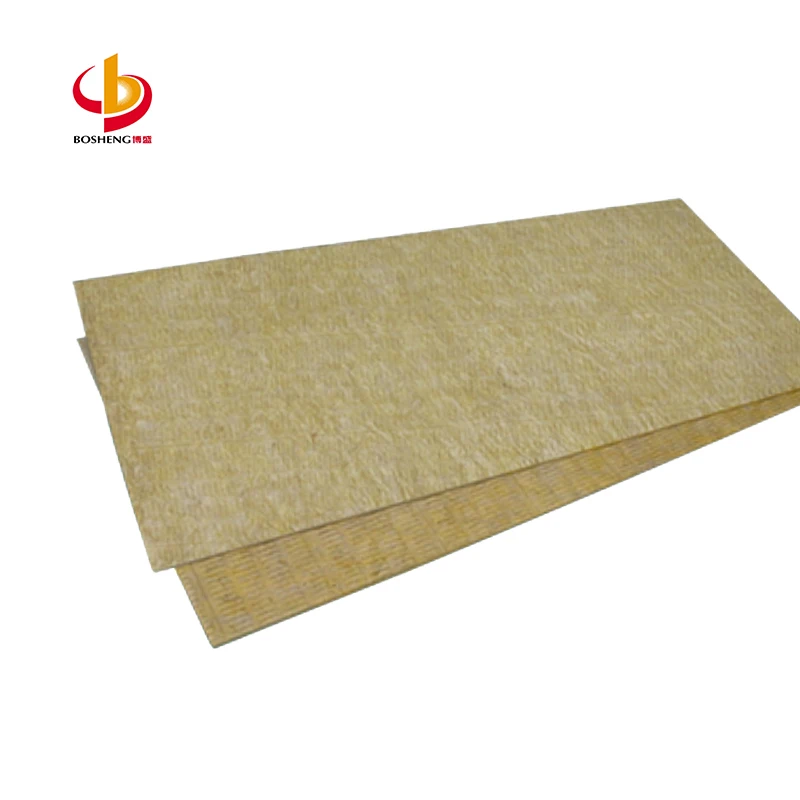
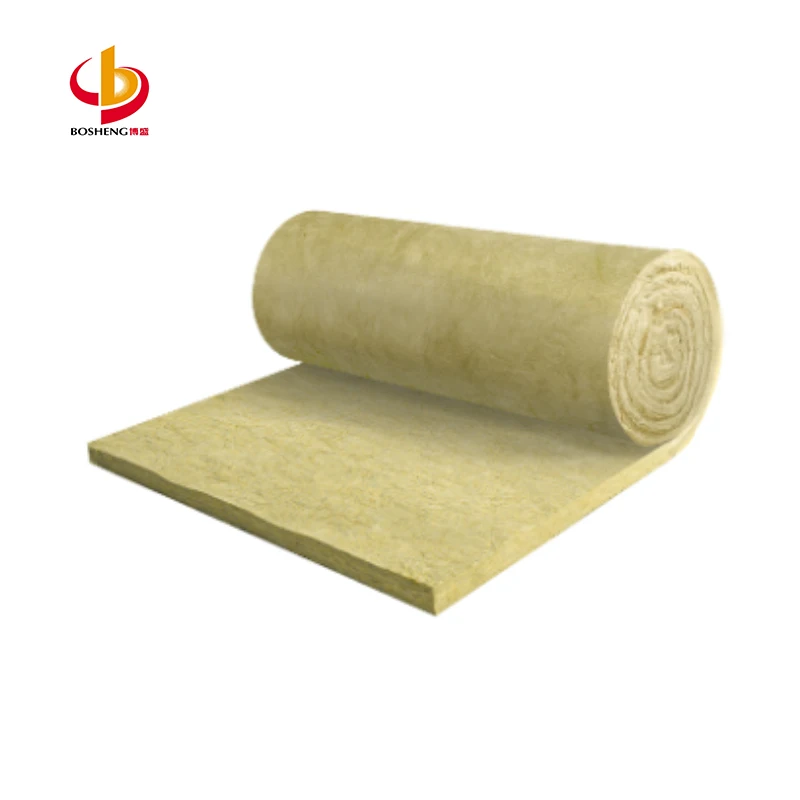
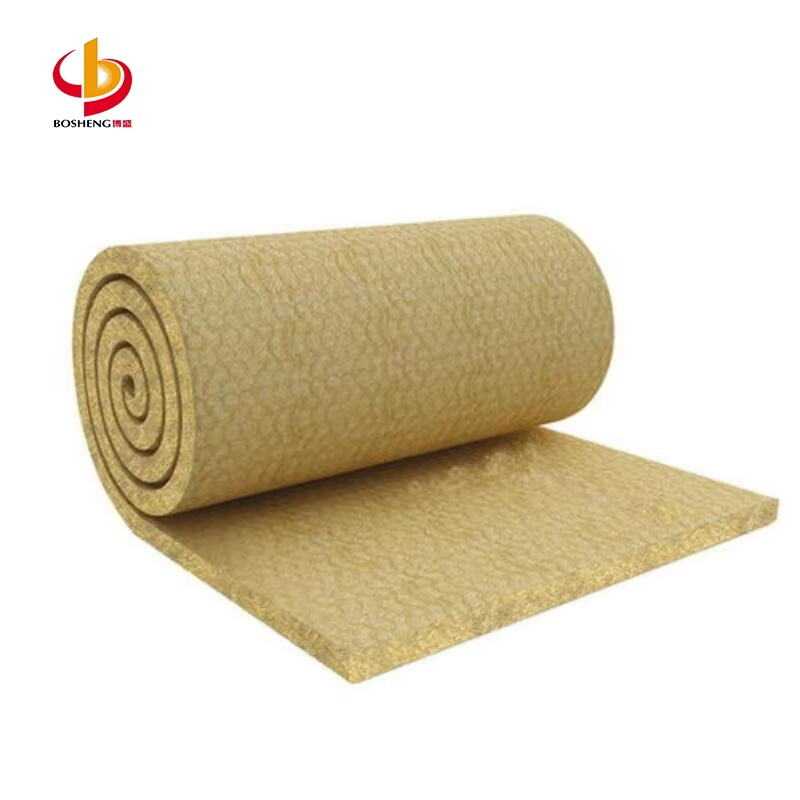
Rockwool stands as the premier choice for soundproofing solutions, offering exceptional acoustic performance through its unique stone wool fiber structure. This innovative material, created from natural basalt rock and recycled content, forms a dense matrix of fibers that effectively trap and dissipate sound waves. The best rockwool for soundproofing typically features a density ranging from 8 to 10 pounds per cubic foot, providing optimal sound absorption across multiple frequency ranges. Its distinctive fiber orientation and air-pocket structure work in tandem to reduce both airborne and impact noise transmission. The material excels in absorbing frequencies from 500 Hz to 4000 Hz, making it particularly effective for voice and music attenuation. Modern manufacturing processes ensure consistent density throughout the material, resulting in reliable performance across all applications. Whether installed in walls, ceilings, or floors, rockwool maintains its shape and integrity over time, requiring minimal maintenance while delivering consistent acoustic benefits. Its application versatility extends to residential spaces, commercial buildings, recording studios, and industrial facilities, where it serves as both a thermal and acoustic insulation solution. The material's rigid yet flexible nature allows for easy cutting and installation, ensuring precise fits in various construction scenarios while maintaining its crucial sound-dampening properties.


New Product Recommendations

The best rockwool for soundproofing offers numerous compelling advantages that set it apart from traditional insulation materials. First and foremost, its superior sound absorption coefficient, typically ranging between 0.95 and 1.0, ensures exceptional noise reduction capabilities across a broad spectrum of frequencies. The material's unique fiber structure creates millions of tiny air pockets that effectively trap and dissipate sound waves, significantly reducing noise transmission between spaces. Unlike other insulation materials, rockwool maintains its dimensional stability over time, preventing settling or sagging that could compromise its acoustic performance. Its fire-resistant properties, with a melting point exceeding 2000°F, add an extra layer of safety while complementing its soundproofing capabilities. The material's water-repellent nature prevents moisture absorption, ensuring consistent performance and eliminating the risk of mold growth. Installation flexibility is another key advantage, as the material can be easily cut to fit various spaces without losing its structural integrity or acoustic properties. The environmental benefits are significant, with many manufacturers using up to 40% recycled content in their production process. The material's durability ensures a long service life, reducing the need for replacement and maintaining consistent acoustic performance throughout its lifespan. Additionally, its thermal insulation properties work in conjunction with sound absorption, providing a dual-purpose solution that enhances overall building efficiency. The material's non-combustible nature and chemical stability make it an ideal choice for sensitive environments where air quality and safety are paramount.

Latest News

What Are the Key Advantages of Using Rock Wool Rolls in Construction?

28

Aug

What Are the Key Advantages of Using Rock Wool Rolls in Construction?

Understanding the Revolutionary Impact of Mineral Fiber Insulation in Modern Construction The construction industry has witnessed remarkable evolution in insulation materials over the decades, with rock wool rolls emerging as a standout solution for ...
View More
Selecting Fireproof Rock Insulation Blanket Rolls: What You Need to Know

12

Sep

Selecting Fireproof Rock Insulation Blanket Rolls: What You Need to Know

Understanding the Essential Role of Mineral Wool Insulation in Fire Safety When it comes to protecting buildings and industrial facilities from the devastating effects of fire, a fireproof rock insulation blanket serves as a critical line of defense....
View More
Where Are Rock Insulation Blanket Rolls Most Commonly Applied?

31

Oct

Where Are Rock Insulation Blanket Rolls Most Commonly Applied?

Understanding the Versatility of Mineral Wool Insulation Solutions Rock insulation blanket rolls have become increasingly essential in modern construction and industrial applications, offering superior thermal protection and fire resistance propertie...
View More
What Makes External Wall Insulation Rock Wool a Smart Choice?

31

Oct

What Makes External Wall Insulation Rock Wool a Smart Choice?

Understanding the Superior Benefits of Mineral Wool for External Walls When it comes to insulating your building's exterior, external wall insulation rock wool stands out as an exceptional solution that combines thermal efficiency, fire safety, and s...
View More

Get a Free Quote

Our representative will contact you soon.
Email
Name
Company Name
Message
0/1000

best rockwool for soundproofing

Superior Acoustic Performance and Density

Superior Acoustic Performance and Density

The exceptional acoustic performance of premium rockwool soundproofing material stems from its carefully engineered density and fiber structure. With densities typically ranging from 8 to 10 pounds per cubic foot, this material achieves optimal sound absorption across the most critical frequency ranges. The manufacturing process creates a precise arrangement of stone wool fibers that form countless microscopic air pockets, each acting as a tiny sound trap. These pockets work together to create a labyrinth that effectively captures and dissipates sound energy, converting it into minimal heat through friction. The material's fiber orientation is specifically designed to maximize surface area contact with sound waves, ensuring superior noise reduction capabilities. This unique structure allows the material to achieve Noise Reduction Coefficient (NRC) ratings of up to 1.0, indicating near-perfect sound absorption. The consistent density throughout the material ensures uniform performance, eliminating weak points in the acoustic barrier. This level of performance makes it particularly effective in controlling both low and high-frequency sounds, addressing the full spectrum of acoustic challenges in modern buildings.
Fire Resistance and Safety Features

Fire Resistance and Safety Features

The fire-resistant properties of top-tier rockwool soundproofing material represent a crucial safety feature that sets it apart from conventional insulation options. Created through a process that subjects natural rock to temperatures exceeding 2000°F, the resulting material inherits exceptional fire resistance characteristics. This high melting point means the material can act as a fire barrier, helping to contain and slow the spread of flames in the event of a fire. The non-combustible nature of the material ensures it won't contribute to fire propagation, meeting or exceeding strict building code requirements for fire safety. The material maintains its structural integrity even when exposed to high temperatures, continuing to provide both acoustic and thermal insulation during fire events. This remarkable fire resistance doesn't deteriorate over time, offering consistent protection throughout the material's lifetime. Additionally, when exposed to fire, the material doesn't emit toxic fumes or smoke, contributing to safer evacuation conditions in emergency situations. These safety features make it particularly valuable in commercial and institutional buildings where fire safety regulations are stringent.
Environmental Sustainability and Longevity

Environmental Sustainability and Longevity

The environmental credentials of premium rockwool soundproofing material demonstrate a strong commitment to sustainability without compromising performance. Manufactured using abundant natural basalt rock and incorporating up to 40% recycled content, the production process minimizes environmental impact while creating a highly effective acoustic solution. The material's longevity is remarkable, with an expected service life that can exceed 50 years while maintaining consistent performance throughout. This durability reduces the need for replacement, lowering the long-term environmental impact and resource consumption. The material's production process is optimized for energy efficiency, and many manufacturers employ closed-loop water systems to minimize water consumption. The product's ability to be recycled at the end of its life cycle further enhances its environmental benefits. Its contribution to building energy efficiency through combined thermal and acoustic insulation properties helps reduce overall energy consumption and carbon emissions. The material's resistance to moisture and chemical stability ensures it doesn't degrade or release harmful substances into the environment over time, making it an environmentally responsible choice for modern construction projects.

Get a Free Quote

Our representative will contact you soon.
Email
Name
Company Name
Message
0/1000