Rock Wool Exterior Insulation: Superior Fire Safety, Energy Efficiency, and Moisture Control Solutions

Get a Free Quote

Our representative will contact you soon.
Email
Name
Company Name
Message
0/1000

rock wool exterior insulation

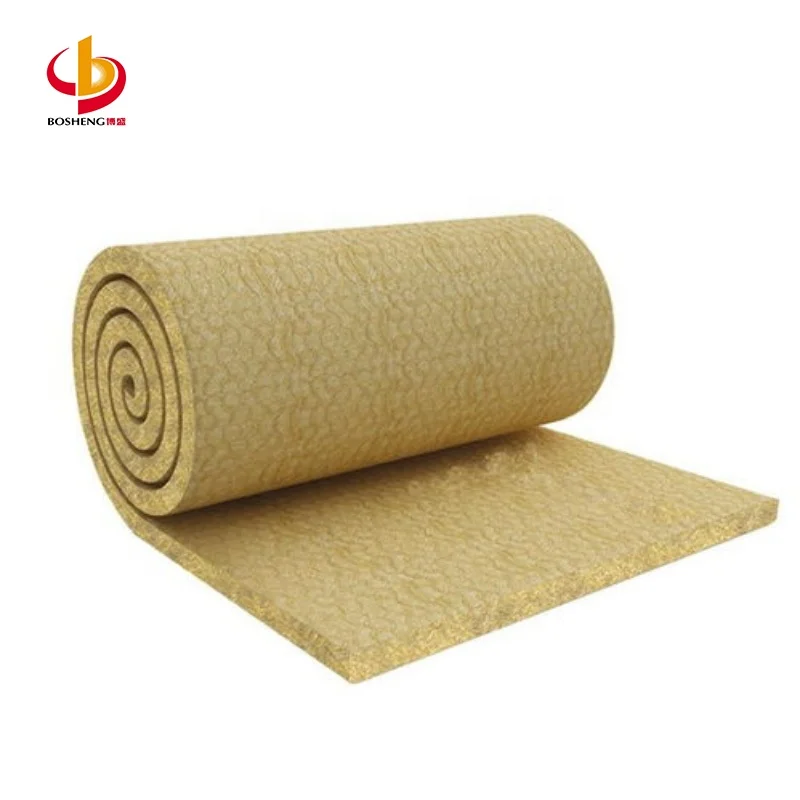
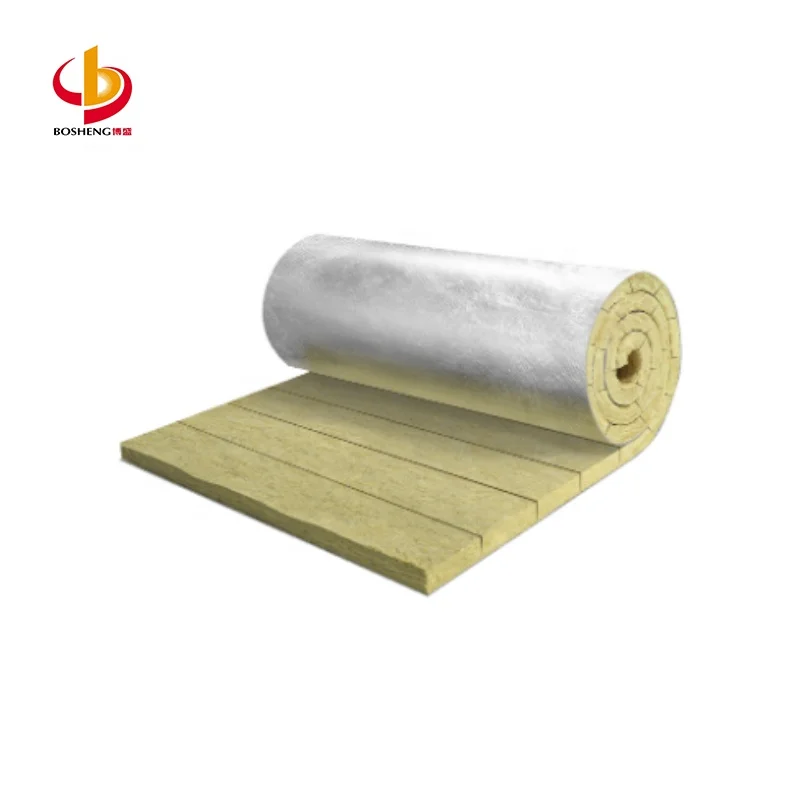
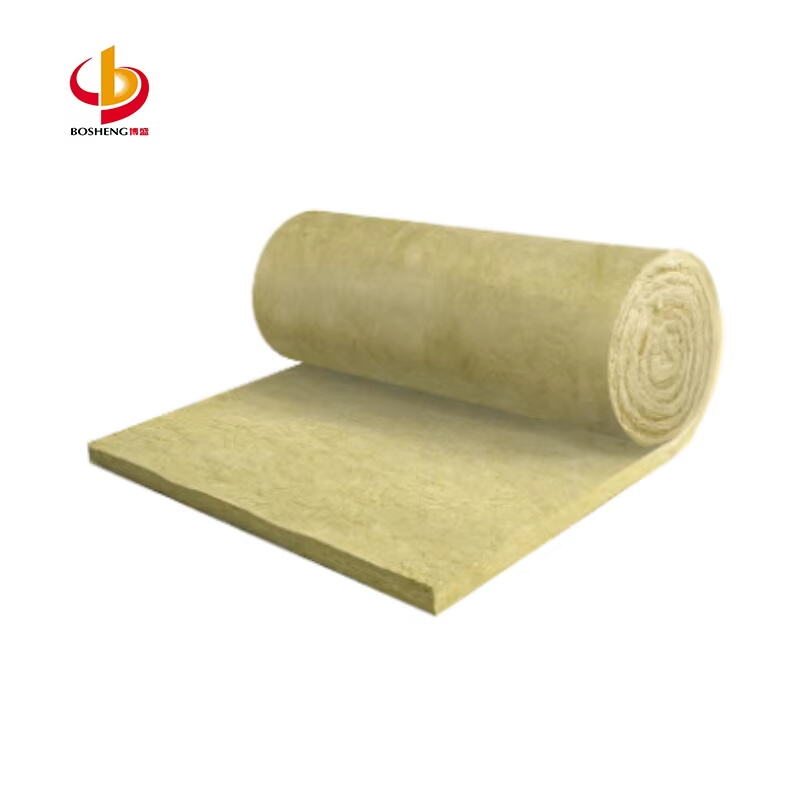
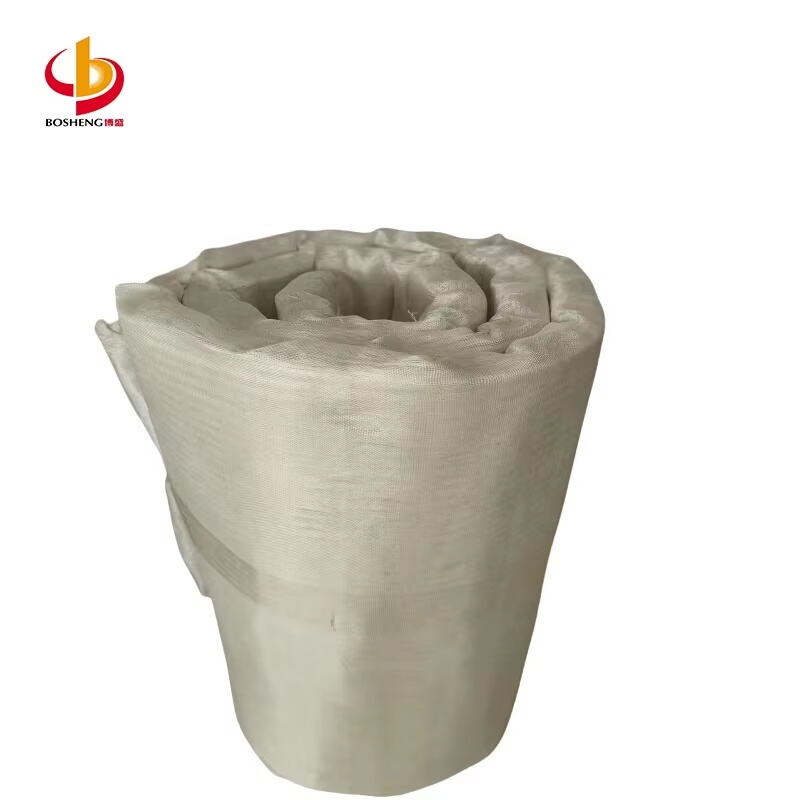
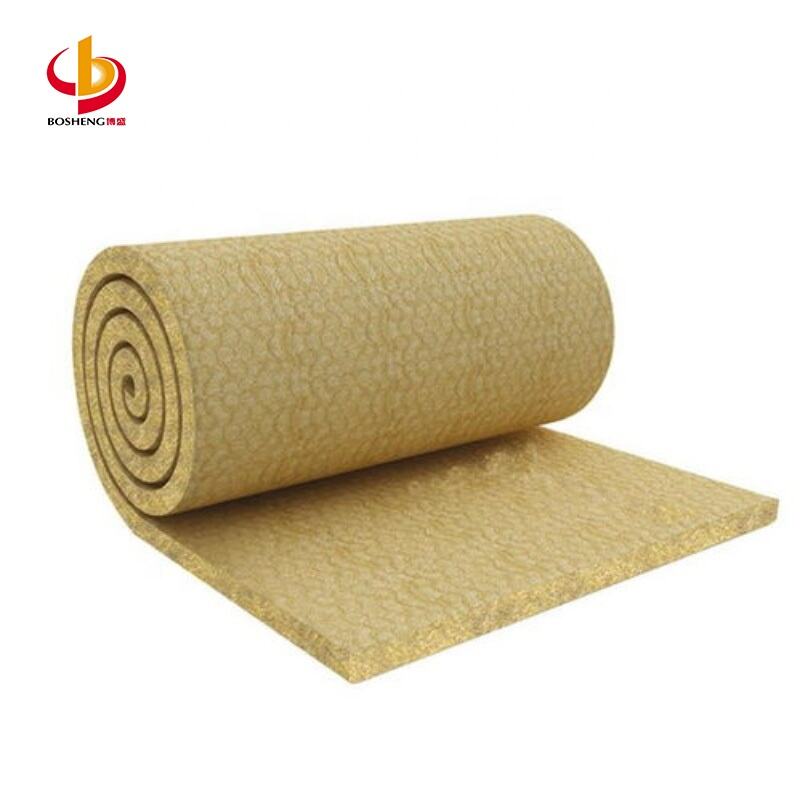
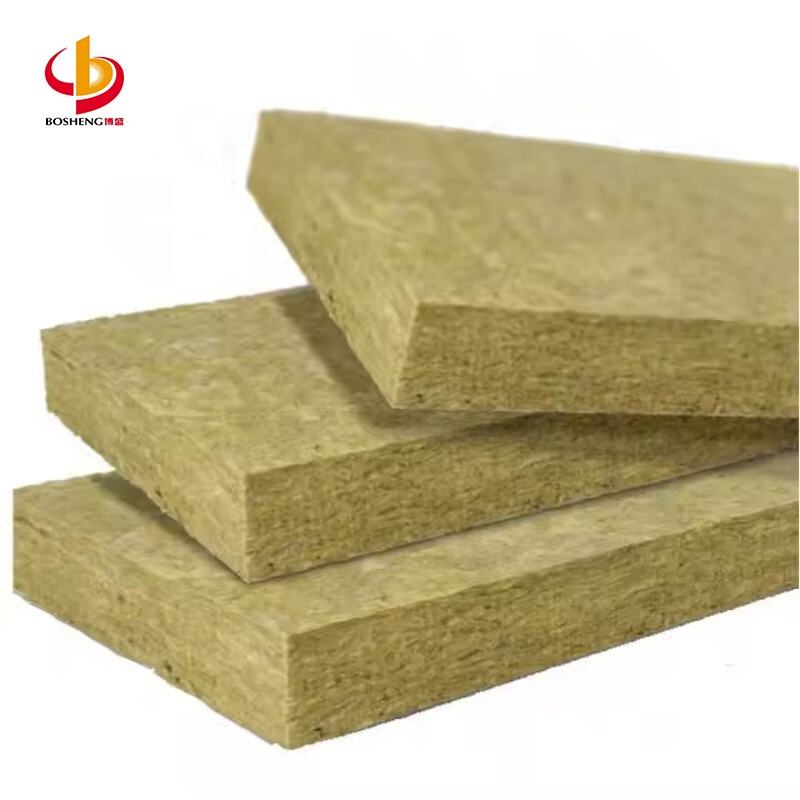
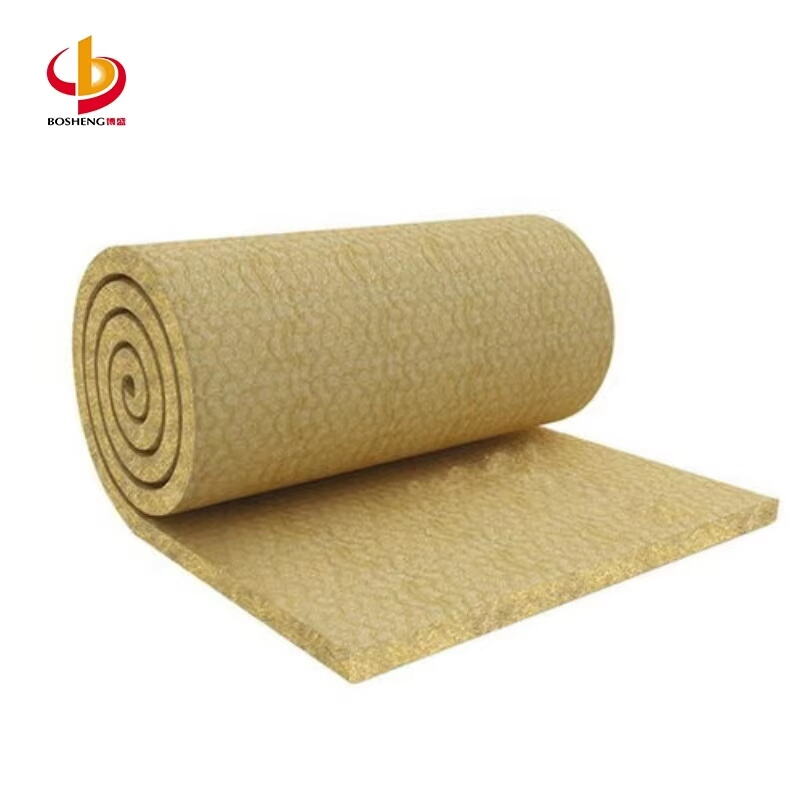
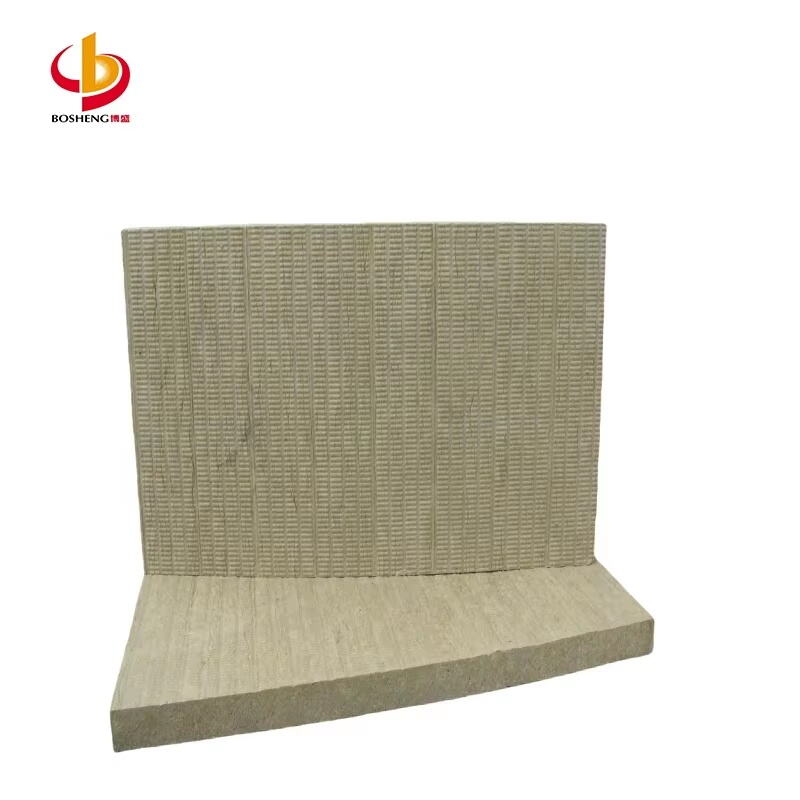
Rock wool exterior insulation represents a cutting-edge solution in modern building construction, combining superior thermal performance with exceptional durability. This innovative insulation material is manufactured from natural stone, specifically basalt rock, which is melted at high temperatures and spun into fine fibers. The resulting product creates a dense, fibrous structure that effectively traps air pockets, providing outstanding thermal resistance. With a thermal conductivity value typically ranging from 0.033 to 0.040 W/mK, rock wool exterior insulation significantly reduces heat transfer through building facades. Beyond its primary function of temperature regulation, this material excels in fire resistance, achieving Class A fire ratings and maintaining structural integrity at temperatures up to 1000°C. The non-combustible nature of rock wool makes it an ideal choice for high-rise buildings and structures requiring stringent fire safety measures. Additionally, its vapor-permeable properties allow buildings to breathe naturally, preventing moisture accumulation while maintaining optimal indoor air quality. The installation process involves securing rigid panels to exterior walls using specialized fastening systems, followed by a protective finishing layer that can accommodate various architectural designs. This versatility in application, combined with its long-term performance stability, makes rock wool exterior insulation a preferred choice for both new construction and renovation projects.


New Product Recommendations

Rock wool exterior insulation offers numerous compelling advantages that make it a superior choice for building envelope solutions. First and foremost, its exceptional thermal performance significantly reduces energy consumption for both heating and cooling, resulting in substantial cost savings over the building's lifetime. The material's unique fiber structure creates a consistent thermal barrier that minimizes heat loss in winter and prevents heat gain in summer, maintaining comfortable indoor temperatures year-round. Unlike some synthetic insulation materials, rock wool is naturally fire-resistant without the need for additional chemical treatments, providing crucial safety benefits and potentially reducing insurance costs. The material's acoustic properties are equally impressive, effectively reducing external noise pollution by up to 50 decibels when properly installed. Environmental sustainability is another key advantage, as rock wool is manufactured from abundant natural resources and is fully recyclable at the end of its service life. The material's dimensional stability ensures it maintains its shape and performance characteristics even under extreme temperature variations and moisture exposure. Its vapor-permeability prevents condensation issues while allowing the building envelope to breathe naturally. Installation flexibility is enhanced by the material's workability and compatibility with various facade systems. The long-term durability of rock wool exterior insulation, with an expected service life of 50+ years, provides excellent return on investment. Additionally, its resistance to mold, mildew, and pest infestation eliminates common maintenance concerns associated with other insulation materials. The non-corrosive nature of rock wool also means it won't damage adjacent building materials or fastening systems over time.

Tips And Tricks

How Can Rock Wool Insulation Rolls Enhance Fire Safety in Homes?

28

Aug

How Can Rock Wool Insulation Rolls Enhance Fire Safety in Homes?

Understanding the Superior Fire Protection Properties of Mineral Wool When it comes to safeguarding homes against fire hazards, the choice of insulation material plays a crucial role in overall building safety. Rock wool insulation rolls have emerged...
View More
How Does Rock Wool Rolls Contribute to a Greener Building Design?

28

Aug

How Does Rock Wool Rolls Contribute to a Greener Building Design?

Transforming Modern Architecture Through Sustainable Insulation Solutions The construction industry stands at a critical juncture where sustainable building practices have become more important than ever. At the forefront of this green revolution are...
View More
Why Are Rock Wool Cubes a Staple in Hydroponic Gardening?

31

Oct

Why Are Rock Wool Cubes a Staple in Hydroponic Gardening?

The Revolutionary Growing Medium Transforming Modern Hydroponics In the ever-evolving world of hydroponic gardening, rock wool cubes have emerged as an indispensable growing medium that continues to revolutionize the way we cultivate plants without s...
View More
What Makes External Wall Insulation Rock Wool a Smart Choice?

31

Oct

What Makes External Wall Insulation Rock Wool a Smart Choice?

Understanding the Superior Benefits of Mineral Wool for External Walls When it comes to insulating your building's exterior, external wall insulation rock wool stands out as an exceptional solution that combines thermal efficiency, fire safety, and s...
View More

Get a Free Quote

Our representative will contact you soon.
Email
Name
Company Name
Message
0/1000

rock wool exterior insulation

Superior Fire Safety and Protection

Superior Fire Safety and Protection

Rock wool exterior insulation stands at the forefront of building safety with its exceptional fire-resistant properties. The material's ability to withstand temperatures exceeding 1000°C without melting or contributing to fire spread makes it an invaluable component in modern construction. This natural fire resistance stems from its mineral composition and manufacturing process, where basalt rock is melted and spun into fibers that inherently resist combustion. In real-world applications, this translates to crucial additional evacuation time during fire emergencies, as the material maintains its structural integrity and continues to protect the building envelope. The non-combustible nature of rock wool also prevents the release of toxic fumes or smoke during fire exposure, addressing a critical safety concern in building design. This feature has led to its widespread adoption in high-rise buildings, healthcare facilities, and other structures where fire safety is paramount.
Environmental Sustainability and Energy Efficiency

Environmental Sustainability and Energy Efficiency

The environmental credentials of rock wool exterior insulation represent a significant advancement in sustainable building practices. Manufactured primarily from abundant natural rock, the production process utilizes renewable energy sources and implements closed-loop recycling systems. The material's thermal performance directly contributes to reduced carbon emissions by minimizing the energy required for heating and cooling buildings. Studies have shown that the energy saved throughout the product's lifetime far exceeds the energy used in its production. The material's durability ensures a long service life, reducing the need for replacement and associated environmental impact. Additionally, at the end of its life cycle, rock wool can be fully recycled into new insulation products, supporting circular economy principles and reducing landfill waste.
Moisture Management and Building Longevity

Moisture Management and Building Longevity

The sophisticated moisture management capabilities of rock wool exterior insulation play a crucial role in preserving building integrity and indoor air quality. Its unique fiber structure allows water vapor to pass through while preventing liquid water penetration, effectively managing moisture within the building envelope. This vapor-permeable characteristic helps prevent condensation within walls, which could otherwise lead to mold growth and structural deterioration. The material's water-repellent properties ensure it maintains its thermal performance even when exposed to high humidity conditions. Research has demonstrated that buildings equipped with rock wool exterior insulation experience significantly reduced instances of moisture-related issues compared to those using non-breathable insulation materials. This feature is particularly valuable in varying climate conditions, where temperature and humidity fluctuations can stress building materials.

Get a Free Quote

Our representative will contact you soon.
Email
Name
Company Name
Message
0/1000