
 EN
EN



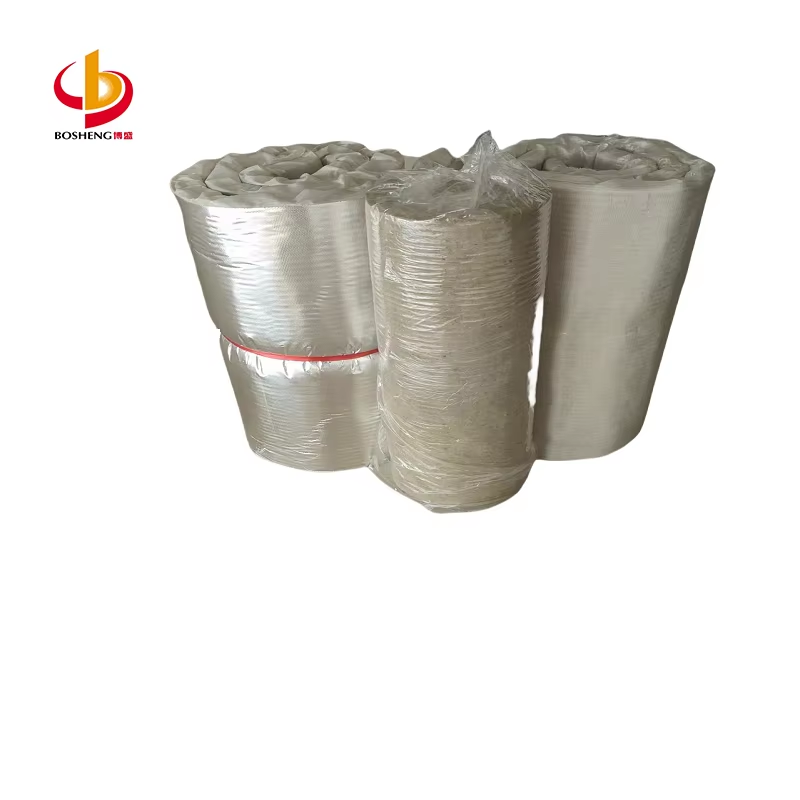
Purchasing rock wool rolls in bulk is a significant procurement decision for any industrial or construction project. When you order large quantities of rock wool rolls, a single oversight in specification or quality can result in costly rework, compliance failures, or underperforming insulation systems. Understanding exactly what to verify before committing to a bulk order protects both your budget and your project outcomes.
Rock wool rolls are widely used in industrial pipelines, HVAC systems, building walls, and equipment cladding because they combine thermal insulation with fire resistance in a flexible, easy-to-handle format. However, not all rock wool rolls are manufactured to the same standard. Before you place a bulk order, there are several critical factors you must evaluate to ensure the rock wool rolls you receive will meet the demands of your specific application.
Key Physical Specifications to Verify
Density and Thickness of Rock Wool Rolls
Density is one of the most important physical parameters when evaluating rock wool rolls. Rock wool rolls are available in a range of densities, typically from 40 kg/m³ to 120 kg/m³, and the right density depends on the load-bearing and thermal performance requirements of your application. Low-density rock wool rolls are suitable for light thermal wrapping, while higher-density rock wool rolls are needed in applications where mechanical strength and resistance to compression are priorities.
Thickness is equally critical. Rock wool rolls come in various thicknesses, and the correct thickness directly affects the thermal resistance value, commonly expressed as the R-value or lambda value. Before ordering rock wool rolls in bulk, confirm that the thickness stated in the product specification matches your design requirement. Request certified test reports that verify both the density and the thermal conductivity of the rock wool rolls you intend to purchase.
Roll Dimensions and Packaging Consistency
For bulk orders of rock wool rolls, dimensional consistency across the entire batch is essential. Rock wool rolls that vary in width or length from roll to roll create waste, slow down installation, and introduce gaps that compromise insulation performance. Verify the exact roll dimensions — width, length, and total coverage per roll — and ask the supplier to confirm the dimensional tolerances they maintain in production. Consistent packaging also matters, as poorly packaged rock wool rolls can suffer moisture damage or compression before they even reach the job site.
Thermal and Fire Performance Standards
Thermal Conductivity Ratings for Rock Wool Rolls
The thermal conductivity of rock wool rolls, measured in W/(m·K), determines how effectively the material resists heat flow. For industrial applications, rock wool rolls with a thermal conductivity value at or below 0.040 W/(m·K) are generally considered high-performing. When comparing rock wool rolls from different suppliers, always request the thermal conductivity test data measured at a standardized mean temperature relevant to your operating conditions. A lower lambda value means the rock wool rolls will deliver better energy efficiency and temperature control in your system.
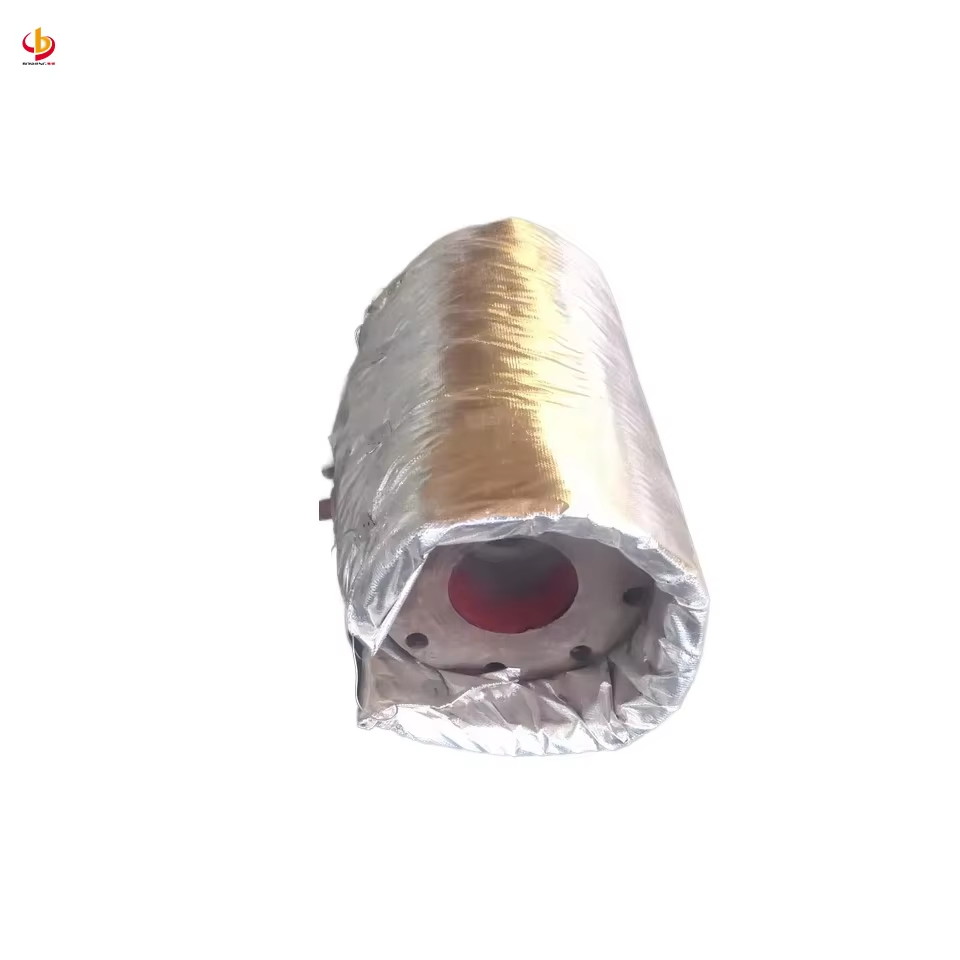
It is also important to clarify the maximum service temperature for the rock wool rolls you are considering. Rock wool rolls designed for standard building insulation may not perform reliably in high-temperature industrial environments. Industrial-grade rock wool rolls are typically rated for service temperatures up to 650°C or higher. Confirm this rating before purchasing rock wool rolls for pipe insulation, furnace cladding, or any high-heat application.
Fire Resistance Classification of Rock wool Rolls
Fire performance is a primary reason why engineers specify rock wool rolls over other flexible insulation products. Rock wool rolls are inherently non-combustible, but the specific fire classification of the rock wool rolls you purchase must align with local building codes and project fire safety requirements. Ask for documentation showing that the rock wool rolls meet recognized fire resistance standards such as EN 13501 or equivalent national certifications. This is especially important when ordering rock wool rolls in bulk for use in fire-rated assemblies, curtain walls, or industrial equipment enclosures.
Supplier Reliability and Batch Quality Assurance
Evaluating the Supplier Behind Your Rock Wool Rolls
When buying rock wool rolls in bulk, the supplier's manufacturing capability and quality control processes matter as much as the product itself. A reliable supplier of rock wool rolls should be able to provide consistent product quality across large production runs, not just for sample orders. Request information about the supplier's production capacity, quality management certifications, and any third-party audits. Suppliers of rock wool rolls who operate under ISO 9001 or equivalent quality systems are generally more capable of maintaining batch-to-batch consistency.
Ask the supplier to share test reports for recent production batches of rock wool rolls, not only for prototypes or samples. The ability to provide traceable, batch-specific test data is a strong indicator that the supplier takes quality seriously. When evaluating rock wool rolls suppliers for large orders, also consider their lead times, minimum order quantities, and packaging standards to ensure the procurement process will be smooth and reliable.
Moisture Resistance and Storage Conditions for Rock Wool Rolls
Rock wool rolls can absorb moisture if improperly stored or packaged, which reduces their thermal performance and can cause degradation over time. Before finalizing a bulk order of rock wool rolls, confirm how the supplier packages the rock wool rolls for shipment and long-term storage. Polyethylene wrapping or vapor-barrier packaging helps protect rock wool rolls from humidity during transit. If your project requires storing rock wool rolls on-site for an extended period, verify that the product packaging provides adequate protection. Poor packaging is a common but preventable cause of quality loss in bulk shipments of rock wool rolls.
FAQ
What density of rock wool rolls is best for industrial pipe insulation?
For industrial pipe insulation, rock wool rolls with a density between 60 kg/m³ and 100 kg/m³ are typically recommended. Higher-density rock wool rolls offer better resistance to sagging and mechanical stress, which is important in pipe systems subject to vibration or thermal cycling. Always consult the project engineer to confirm the appropriate density for your specific pipe diameter and operating temperature before ordering rock wool rolls in bulk.
How do I verify the fire rating of rock wool rolls before purchasing?
Request the fire classification certificate from the supplier and check that the rock wool rolls have been tested according to recognized standards such as EN 13501-1. The certificate should confirm that the rock wool rolls are classified as A1 or A2 non-combustible material. For project compliance purposes, ensure the fire rating of the rock wool rolls matches the requirements specified in your local building or safety codes.
Can rock wool rolls be used for both thermal and acoustic insulation?
Yes, rock wool rolls provide both thermal and acoustic insulation benefits due to the fibrous structure of the material. When rock wool rolls are used in wall assemblies, HVAC ducts, or equipment enclosures, they can reduce sound transmission as well as heat flow. For applications where acoustic performance is a priority alongside thermal performance, specify rock wool rolls with appropriate density and confirm the sound absorption coefficient from the supplier's technical documentation.