
 EN
EN



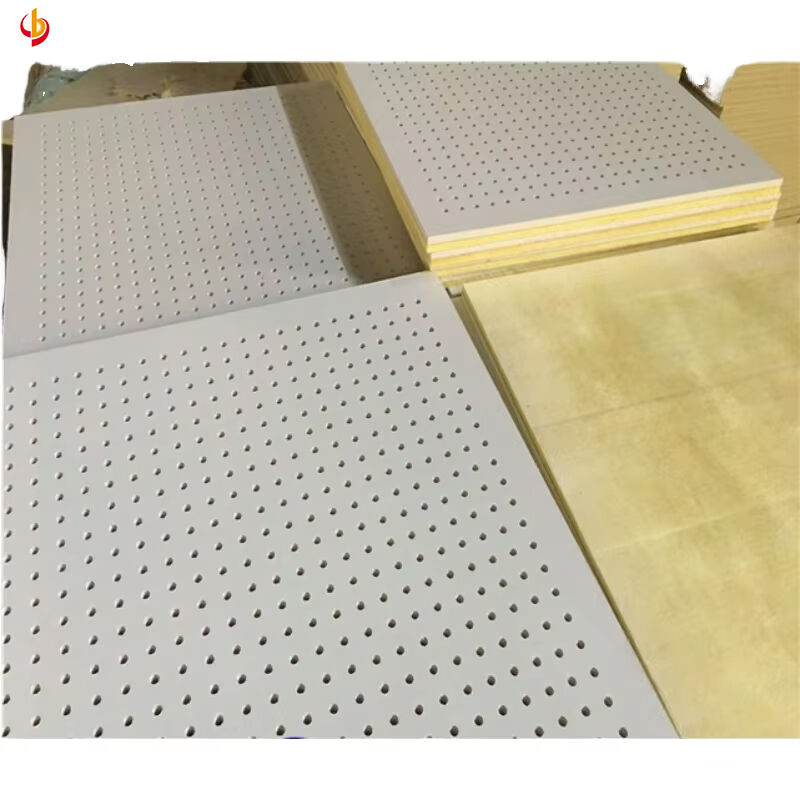
In today's fast-paced world, creating spaces that promote comfort, productivity, and well-being has become a top priority for architects, interior designers, and property owners. The increasing awareness of noise pollution and its impact on human health has led to a surge in demand for effective sound management solutions. Among these solutions, acoustic panels have emerged as one of the most versatile and essential components in modern interior design, offering both functional and aesthetic benefits that transform ordinary spaces into acoustically optimized environments.

The modern workplace, residential living spaces, educational facilities, and entertainment venues all face unique acoustic challenges that require specialized solutions. Poor acoustics can lead to decreased productivity, increased stress levels, and reduced overall quality of life. As building codes become more stringent and occupant expectations rise, the integration of acoustic panels into interior design has shifted from being optional to absolutely essential for creating functional and comfortable environments.
Understanding the Science Behind Sound Control
How Sound Waves Interact with Interior Surfaces
Sound waves behave in predictable patterns when they encounter different surfaces and materials within interior spaces. When sound waves hit hard surfaces like concrete walls, glass windows, or metal fixtures, they reflect back into the room, creating echo and reverberation that can make spaces uncomfortable and communication difficult. Acoustic panels work by absorbing these sound waves, converting the kinetic energy into minimal amounts of heat through friction within the panel's fibrous structure.
The effectiveness of acoustic panels depends on several factors, including the material composition, thickness, density, and surface texture. Modern acoustic panels are engineered using advanced materials that maximize sound absorption across a wide range of frequencies, ensuring comprehensive acoustic control. The strategic placement of these panels can dramatically reduce unwanted noise while preserving desired sounds, creating a balanced acoustic environment that enhances the functionality of any space.
Frequency Response and Material Selection
Different materials excel at absorbing specific frequency ranges, which is why professional acoustic design often involves selecting acoustic panels with complementary absorption characteristics. Low-frequency sounds, such as those produced by HVAC systems or traffic, require thicker, denser materials to achieve effective absorption. Mid and high-frequency sounds, including human speech and electronic devices, can be effectively managed with thinner panels featuring specialized surface treatments.
The Noise Reduction Coefficient (NRC) rating system provides a standardized method for comparing the effectiveness of different acoustic panels. Panels with higher NRC ratings absorb more sound energy, making them more effective for spaces with significant acoustic challenges. Understanding these technical specifications helps designers and architects select the most appropriate acoustic panels for specific applications and performance requirements.
Applications Across Different Interior Environments
Corporate Offices and Commercial Workspaces
Modern office environments present unique acoustic challenges that require sophisticated sound management solutions. Open-plan offices, while promoting collaboration and flexibility, often suffer from excessive noise levels that can reduce productivity and increase employee stress. Acoustic panels strategically installed on walls, ceilings, and as freestanding dividers can create acoustic zones that balance collaboration with concentration needs.
Conference rooms and meeting spaces benefit significantly from acoustic panels that reduce echo and improve speech intelligibility. Poor acoustics in meeting rooms can hinder communication, reduce the effectiveness of presentations, and create frustration among participants. By incorporating professionally designed acoustic panels, companies can ensure that their meeting spaces support clear communication and productive collaboration.
Educational Institutions and Learning Environments
Schools, universities, and training facilities require carefully designed acoustic environments to optimize learning outcomes. Research has consistently shown that excessive noise and poor acoustics in classrooms can negatively impact student performance, teacher effectiveness, and overall educational quality. Acoustic panels in educational settings must balance sound absorption with safety requirements, durability, and aesthetic considerations.
Lecture halls, auditoriums, and multipurpose rooms present particular challenges due to their size and varied uses. Acoustic panels designed for these environments must provide consistent sound quality throughout the space while maintaining visual appeal. Modern educational facilities increasingly incorporate acoustic panels as integral design elements that contribute to both functional performance and architectural aesthetics.
Design Integration and Aesthetic Considerations
Balancing Function with Visual Appeal
Contemporary acoustic panels have evolved far beyond basic functional products to become sophisticated design elements that enhance interior aesthetics while providing superior sound control. Manufacturers now offer acoustic panels in countless colors, textures, patterns, and shapes, allowing designers to integrate sound management solutions seamlessly into any design concept. This evolution has eliminated the traditional compromise between acoustic performance and visual appeal.
Custom-designed acoustic panels can incorporate company branding, artistic elements, or architectural features that complement the overall interior design scheme. These panels can serve as focal points, accent walls, or subtle background elements, depending on the design intent. The ability to customize acoustic panels ensures that sound management solutions enhance rather than detract from the intended aesthetic experience.
Installation Flexibility and Space Optimization
Modern acoustic panels offer unprecedented installation flexibility, with options for wall mounting, ceiling suspension, freestanding placement, and integration into modular systems. This versatility allows designers to optimize acoustic performance while working within space constraints and architectural limitations. Moveable acoustic panels provide additional flexibility for spaces that need to adapt to different uses and configurations.
The lightweight nature of many modern acoustic panels simplifies installation and reduces structural requirements, making them suitable for retrofit projects and temporary installations. Modular acoustic panel systems enable future modifications and reconfigurations as space needs evolve, providing long-term value and adaptability.
Performance Standards and Quality Considerations
Industry Standards and Testing Protocols
Professional acoustic panels must meet rigorous industry standards for performance, safety, and durability. Testing protocols established by organizations such as ASTM International and ISO provide standardized methods for evaluating acoustic performance, fire resistance, and environmental impact. These standards ensure that acoustic panels perform consistently and safely across different applications and environments.
Quality acoustic panels undergo comprehensive testing for sound absorption coefficients, flame spread ratings, and structural integrity. Environmental considerations include testing for off-gassing, sustainability credentials, and recyclability. Specifying acoustic panels that meet or exceed these standards ensures reliable performance and compliance with building codes and regulations.
Durability and Maintenance Requirements
Long-term performance and maintenance requirements are critical considerations when selecting acoustic panels for interior applications. High-quality acoustic panels maintain their performance characteristics over many years while requiring minimal maintenance. Factors such as moisture resistance, UV stability, and mechanical durability affect the total cost of ownership and long-term satisfaction with acoustic panel installations.
Proper maintenance protocols help ensure that acoustic panels continue to provide optimal performance throughout their service life. Regular cleaning procedures, damage assessment, and replacement planning contribute to sustained acoustic performance and aesthetic appeal. Selecting acoustic panels with appropriate maintenance requirements for specific applications helps minimize ongoing costs and operational disruption.
Future Trends and Innovations
Smart Acoustic Technologies
The integration of smart technologies with traditional acoustic panels represents an exciting frontier in sound management solutions. Emerging technologies include acoustic panels with embedded sensors that monitor noise levels and automatically adjust absorption characteristics, systems that provide real-time feedback on acoustic performance, and panels that integrate with building automation systems for optimized environmental control.
Adaptive acoustic panels that can modify their sound absorption properties in response to changing conditions offer unprecedented control over interior acoustics. These innovations enable dynamic acoustic environments that automatically optimize for different activities, occupancy levels, and noise sources, representing a significant advancement in acoustic panel technology.
Sustainable Materials and Manufacturing
Environmental sustainability has become a driving force in acoustic panel development, with manufacturers increasingly focusing on recycled materials, renewable resources, and eco-friendly production processes. Sustainable acoustic panels maintain high performance standards while reducing environmental impact throughout their lifecycle, from raw material extraction through disposal or recycling.
Bio-based acoustic panels derived from natural fibers, recycled content, and renewable resources offer comparable performance to traditional materials while supporting sustainability objectives. These innovations align with green building standards and corporate environmental goals, making acoustic panels an integral part of sustainable interior design strategies.
FAQ
How do acoustic panels differ from soundproofing materials
Acoustic panels primarily focus on sound absorption within a space to reduce echo and improve sound quality, while soundproofing materials are designed to prevent sound transmission between spaces. Acoustic panels work by absorbing sound waves that would otherwise reflect off hard surfaces, reducing reverberation and creating more comfortable acoustic environments. Soundproofing materials, in contrast, are typically denser and designed to block sound from passing through walls, floors, or ceilings.
What factors should be considered when selecting acoustic panels for a specific application
Key factors include the intended use of the space, the dominant frequency ranges of sounds that need to be controlled, aesthetic requirements, fire safety standards, budget constraints, and environmental conditions. The size and geometry of the space also influence panel selection, as larger spaces may require different acoustic solutions than smaller, more intimate environments. Professional acoustic analysis can help determine the optimal combination of panel types, quantities, and placement strategies.
Can acoustic panels be effective in residential settings
Absolutely, residential applications of acoustic panels have grown significantly as homeowners become more aware of the impact of acoustics on comfort and well-being. Home theaters, music rooms, home offices, and open-plan living spaces all benefit from strategic acoustic panel placement. Modern residential acoustic panels are available in designs that complement home décor while providing effective sound control for entertainment, work, and relaxation activities.
How should acoustic panels be maintained to ensure long-term performance
Regular maintenance typically involves gentle vacuuming or dusting to remove accumulated particles that could affect performance. Most quality acoustic panels are designed to be low-maintenance, but specific care requirements depend on the material composition and surface treatment. Avoid harsh chemicals or excessive moisture, and inspect panels periodically for damage or wear. Following manufacturer guidelines for cleaning and maintenance helps ensure optimal performance and longevity of acoustic panel installations.