
 EN
EN



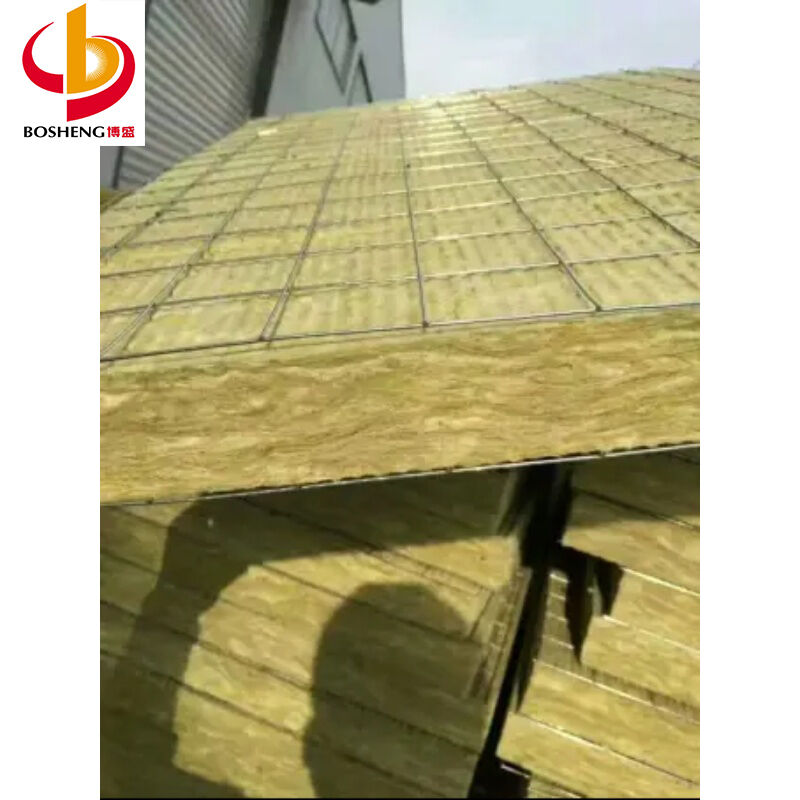
Building safety remains a paramount concern for architects, engineers, and construction professionals worldwide. Modern construction practices increasingly prioritize materials that enhance both thermal performance and fire resistance. External wall insulation rock wool has emerged as a leading solution that addresses multiple safety challenges while delivering superior insulation properties. This advanced insulation material combines exceptional thermal efficiency with outstanding fire protection, making it an essential component for contemporary building design. The growing adoption of external wall insulation rock wool reflects the construction industry's commitment to creating safer, more energy-efficient structures that protect occupants and property investments.
Fire Safety Characteristics of Rock Wool Insulation
Non-Combustible Material Properties
External wall insulation rock wool demonstrates exceptional fire resistance due to its mineral composition and manufacturing process. The material consists primarily of basaltic rock fibers that can withstand temperatures exceeding 1000 degrees Celsius without igniting or contributing to flame spread. This non-combustible nature makes external wall insulation rock wool an ideal choice for high-rise buildings and structures where fire safety requirements are stringent. The mineral fibers maintain their structural integrity even under extreme heat conditions, preventing the insulation from collapsing or creating additional fire hazards during emergency situations.
The chemical composition of external wall insulation rock wool includes naturally occurring minerals that do not release toxic gases when exposed to high temperatures. Unlike some synthetic insulation materials, rock wool maintains its stability without producing harmful emissions that could endanger building occupants during fire emergencies. This characteristic significantly enhances overall building safety by reducing the risk of smoke-related casualties and providing occupants with more time to evacuate safely.
Fire Barrier Performance
When properly installed, external wall insulation rock wool creates an effective fire barrier that prevents flame propagation between building sections. The dense fiber structure of rock wool insulation acts as a thermal break, slowing heat transfer and reducing the likelihood of fire spreading through wall assemblies. This fire barrier performance is particularly crucial in multi-story buildings where vertical fire spread poses significant risks to occupant safety and property protection.
Professional installation of external wall insulation rock wool ensures proper fire compartmentalization within building structures. The material's ability to maintain its fire-resistant properties over extended periods provides long-term safety benefits that protect buildings throughout their operational lifespan. Regular inspections and maintenance of rock wool insulation systems help maintain optimal fire barrier performance and ensure continued compliance with building safety codes.
Thermal Performance and Energy Efficiency Benefits
Superior Insulation Properties
External wall insulation rock wool delivers outstanding thermal performance that significantly reduces energy consumption and enhances occupant comfort. The unique fiber structure creates countless air pockets that effectively resist heat transfer, resulting in lower heating and cooling costs throughout the year. This thermal efficiency not only reduces operational expenses but also contributes to environmental sustainability by decreasing overall energy demand.
The consistent thermal performance of external wall insulation rock wool remains stable across varying weather conditions and temperature fluctuations. Unlike some insulation materials that may compress or degrade over time, rock wool maintains its insulating properties for decades, providing reliable long-term performance. This durability ensures that buildings continue to achieve optimal energy efficiency throughout their service life while maintaining comfortable indoor environments for occupants.
Moisture Management Capabilities
Effective moisture management represents another critical safety benefit of external wall insulation rock wool. The material's vapor-permeable structure allows moisture to pass through while maintaining excellent thermal resistance. This breathability prevents moisture accumulation within wall assemblies that could lead to mold growth, structural damage, or indoor air quality problems that compromise occupant health and safety.
The hydrophobic treatment applied to many rock wool products enhances water resistance while maintaining vapor permeability. This dual functionality ensures that external wall insulation rock wool performs effectively in various climate conditions, from humid coastal environments to dry continental regions. Proper moisture management extends the lifespan of building materials and reduces maintenance requirements while preserving indoor air quality and occupant comfort.
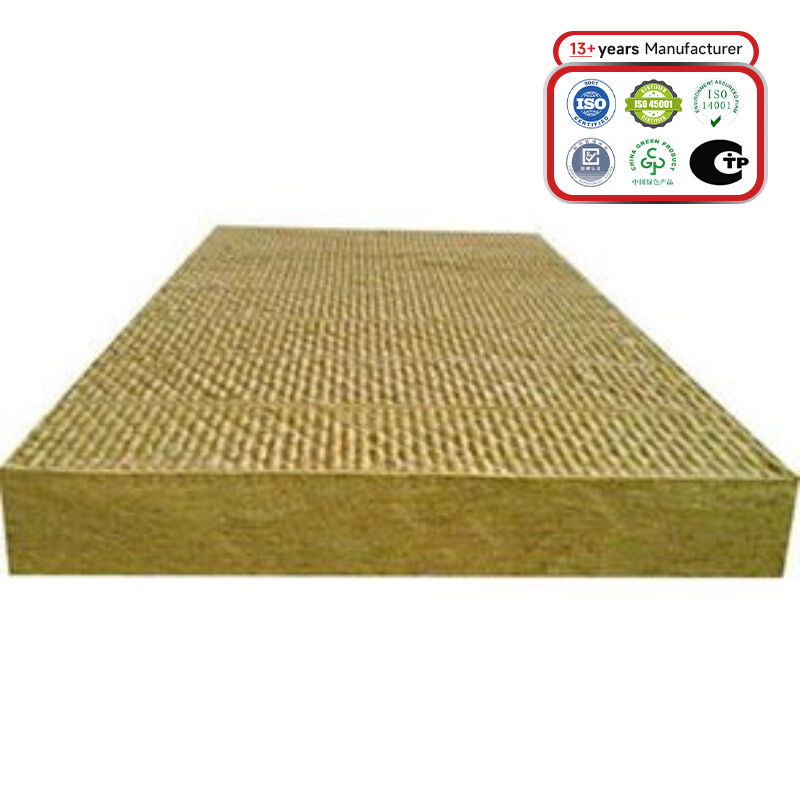
Structural Safety and Seismic Performance
Dimensional Stability Under Load
External wall insulation rock wool exhibits excellent dimensional stability that contributes to overall structural safety in building applications. The material maintains its shape and density under typical building loads, preventing compression that could compromise thermal performance or create structural weak points. This stability ensures that insulation systems continue to perform as designed throughout the building's operational life.
The compressive strength of external wall insulation rock wool varies depending on the specific product formulation and density requirements. Higher-density rock wool products provide increased load-bearing capacity for applications where structural support is necessary. This versatility allows architects and engineers to select appropriate rock wool specifications that meet both insulation and structural requirements for specific building applications.
Seismic Resistance Properties
In seismically active regions, external wall insulation rock wool provides valuable safety benefits through its flexible yet stable characteristics. The material can accommodate building movement during seismic events without cracking or losing its insulating properties. This flexibility helps maintain building envelope integrity during earthquakes, reducing the risk of structural damage and occupant injury.
The lightweight nature of external wall insulation rock wool reduces overall building mass, which can decrease seismic loads on structural systems. This weight reduction contributes to improved seismic performance while maintaining excellent thermal and fire safety characteristics. Engineers increasingly specify rock wool insulation for seismic retrofit projects where weight reduction and enhanced safety performance are prioritized.
Installation Safety and Worker Protection
Safe Handling Characteristics
External wall insulation rock wool manufactured to modern standards incorporates safety features that protect installation workers and building occupants. Contemporary rock wool products utilize advanced binder systems that minimize fiber release during handling and installation. These improvements reduce potential respiratory exposure while maintaining the material's excellent performance characteristics.
Proper handling procedures and personal protective equipment ensure safe installation of external wall insulation rock wool systems. Training programs for installers emphasize best practices that protect worker health while achieving optimal insulation performance. These safety protocols contribute to successful project outcomes and demonstrate the industry's commitment to worker protection during construction activities.
Indoor Air Quality Considerations
Modern external wall insulation rock wool products meet stringent indoor air quality standards that protect building occupants from harmful emissions. Low-emission binders and manufacturing processes minimize the release of volatile organic compounds that could compromise indoor environments. This attention to air quality safety makes rock wool insulation suitable for sensitive applications including schools, healthcare facilities, and residential buildings.
Third-party testing and certification programs verify the indoor air quality performance of external wall insulation rock wool products. These certifications provide assurance that insulation materials meet or exceed established safety standards for indoor environments. Specifying certified rock wool products helps ensure that building projects achieve both performance and safety objectives while protecting occupant health and well-being.
FAQ
How does external wall insulation rock wool compare to other insulation materials in terms of fire safety?
External wall insulation rock wool offers superior fire safety compared to many alternative insulation materials due to its non-combustible mineral composition. Unlike foam-based insulations that can melt or release toxic gases when exposed to high temperatures, rock wool maintains its structural integrity and does not contribute to flame spread. The material can withstand temperatures exceeding 1000°C without igniting, making it an excellent choice for applications where fire safety is paramount.
What maintenance requirements are associated with external wall insulation rock wool systems?
External wall insulation rock wool requires minimal maintenance when properly installed and protected by appropriate cladding systems. Regular visual inspections should check for damage to protective coatings or cladding that could expose the insulation to moisture or physical damage. The rock wool itself typically maintains its performance characteristics for several decades without requiring replacement, making it a cost-effective long-term insulation solution.
Can external wall insulation rock wool be used in all climate conditions?
External wall insulation rock wool performs effectively across a wide range of climate conditions, from extreme cold to hot, humid environments. The material's vapor-permeable structure allows moisture management while maintaining thermal resistance, making it suitable for diverse geographic locations. Proper system design and installation techniques ensure optimal performance regardless of local climate challenges, contributing to building safety and energy efficiency in various environmental conditions.
How does the installation of external wall insulation rock wool impact building codes and safety compliance?
External wall insulation rock wool helps buildings meet or exceed fire safety requirements in most building codes due to its non-combustible classification and excellent fire resistance properties. Many jurisdictions recognize rock wool's superior safety characteristics, potentially allowing for simplified fire protection measures or increased design flexibility. Specifying compliant rock wool products ensures that construction projects meet regulatory requirements while providing enhanced safety protection for building occupants.
Table of Contents
- Fire Safety Characteristics of Rock Wool Insulation
- Thermal Performance and Energy Efficiency Benefits
- Structural Safety and Seismic Performance
- Installation Safety and Worker Protection
-
FAQ
- How does external wall insulation rock wool compare to other insulation materials in terms of fire safety?
- What maintenance requirements are associated with external wall insulation rock wool systems?
- Can external wall insulation rock wool be used in all climate conditions?
- How does the installation of external wall insulation rock wool impact building codes and safety compliance?