
 EN
EN



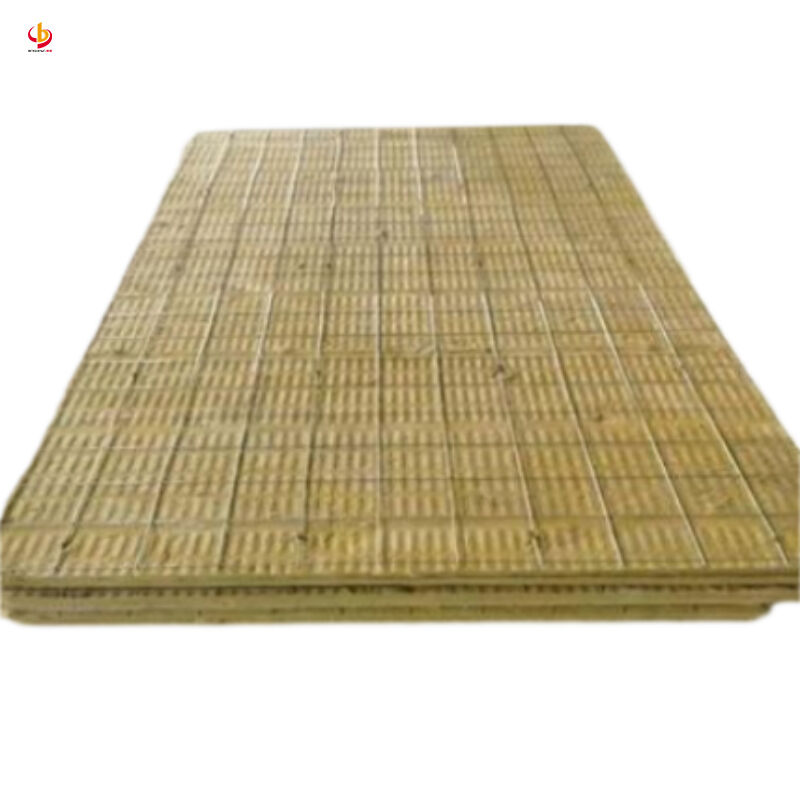
The construction and industrial sectors have increasingly recognized the exceptional performance characteristics of rock wool insulation material in modern building applications. This versatile mineral fiber product offers superior thermal resistance, fire protection, and acoustic dampening properties that make it an essential component for energy-efficient buildings. Understanding the comprehensive benefits of rock wool insulation material enables architects, engineers, and contractors to make informed decisions about thermal management solutions for diverse project requirements.
Manufacturing Process and Material Composition
Raw Material Sources and Selection
The production of rock wool insulation material begins with carefully selected volcanic rock, primarily basalt, which provides the foundational mineral content necessary for creating high-performance thermal barriers. Manufacturers combine this natural stone with recycled steel slag and other mineral additives to achieve optimal density and structural integrity. The selection process ensures that the rock wool insulation material maintains consistent quality standards while utilizing sustainable raw materials that contribute to environmental conservation efforts.
Quality control measures during material selection directly impact the final performance characteristics of rock wool insulation material products. Advanced testing protocols verify the chemical composition and purity levels of incoming raw materials before processing begins. This rigorous approach guarantees that each batch of rock wool insulation material meets stringent industry specifications for thermal conductivity, fire resistance, and dimensional stability across various temperature ranges.
High-Temperature Processing Techniques
The transformation of raw minerals into functional rock wool insulation material requires sophisticated melting processes that reach temperatures exceeding 1500 degrees Celsius. Industrial furnaces utilize precise temperature control systems to ensure complete material fusion while maintaining the molecular structure necessary for superior insulation properties. During this critical phase, the molten rock undergoes rapid cooling and fiber formation through specialized spinning wheels or air-blast techniques.
Modern manufacturing facilities employ advanced automation systems to monitor and control the fiber formation process, ensuring consistent diameter and length specifications for rock wool insulation material products. The controlled cooling environment allows manufacturers to achieve optimal fiber density while preventing unwanted crystallization that could compromise thermal performance. This precision manufacturing approach results in rock wool insulation material that exhibits uniform thermal conductivity values and predictable installation characteristics.
Thermal Performance and Energy Efficiency Benefits
Superior Insulation Properties
The cellular structure of rock wool insulation material provides exceptional thermal resistance through millions of interconnected air pockets that effectively interrupt heat transfer pathways. This unique configuration allows the material to achieve R-values significantly higher than traditional insulation alternatives while maintaining structural integrity under varying environmental conditions. Professional installers appreciate how rock wool insulation material maintains its thermal performance even when subjected to moisture exposure or mechanical compression.
Temperature stability represents another crucial advantage of rock wool insulation material in demanding applications where conventional materials might degrade or lose effectiveness. The mineral fiber construction enables continuous operation in environments ranging from extremely cold conditions to elevated temperatures exceeding 200 degrees Celsius. This thermal resilience makes rock wool insulation material particularly valuable for industrial facilities, HVAC systems, and specialized building envelope applications.
Long-Term Energy Savings Potential
Building owners consistently report substantial energy cost reductions following installation of high-quality rock wool insulation material systems throughout their facilities. The superior thermal barrier properties minimize heating and cooling loads, resulting in decreased HVAC system runtime and extended equipment lifespan. Energy modeling studies demonstrate that properly installed rock wool insulation material can reduce annual energy consumption by 25-40% compared to buildings with inadequate thermal protection.
The dimensional stability of rock wool insulation material ensures that energy savings continue throughout the building's operational lifetime without degradation or settling. Unlike organic insulation materials that may compress or deteriorate over time, mineral fiber products maintain their original thickness and thermal resistance properties for decades. This longevity factor significantly improves the return on investment for rock wool insulation material installations while supporting sustainable building operation goals.
Fire Safety and Protection Characteristics
Non-Combustible Material Properties
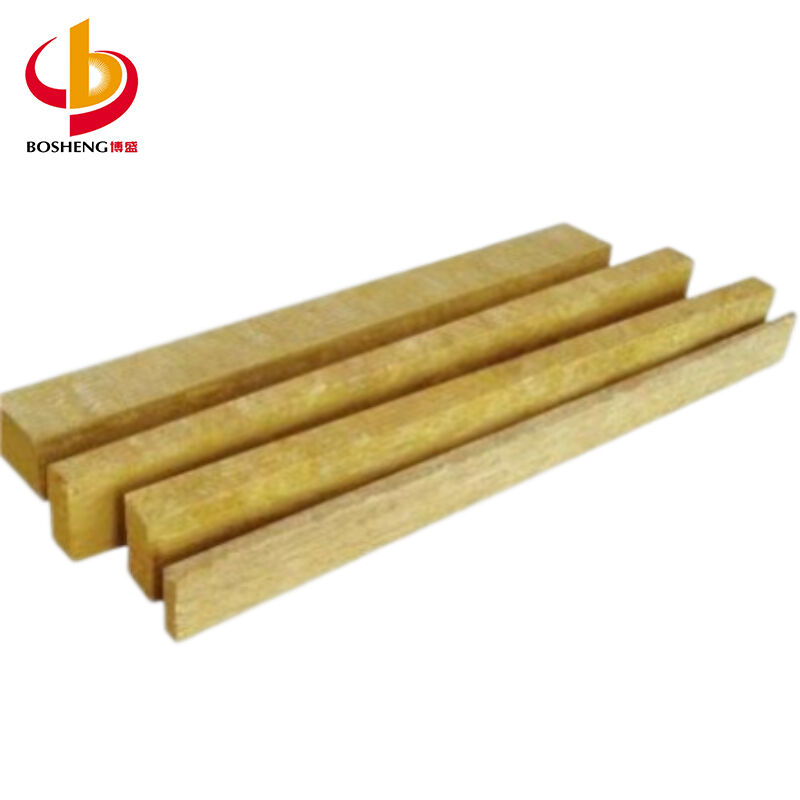
The inherent fire resistance of rock wool insulation material stems from its mineral composition, which cannot ignite or contribute fuel to fire events under any circumstances. This non-combustible nature provides passive fire protection that helps contain flames and prevents fire spread through building cavities or structural assemblies. Fire safety professionals recognize rock wool insulation material as a critical component in comprehensive fire protection strategies for commercial, industrial, and residential applications.
Testing protocols confirm that rock wool insulation material maintains its structural integrity and insulating properties even when exposed to temperatures exceeding 1000 degrees Celsius during fire events. The material does not emit toxic gases or smoke during thermal exposure, contributing to safer evacuation conditions and reduced risk for building occupants. Emergency response teams benefit from the predictable behavior of rock wool insulation material during firefighting operations, as the material will not suddenly combust or create unexpected hazards.
Building Code Compliance and Safety Standards
International building codes increasingly specify rock wool insulation material for applications requiring enhanced fire protection, particularly in high-rise construction, healthcare facilities, and educational institutions. The material consistently exceeds fire rating requirements for wall assemblies, floor-ceiling systems, and roofing applications while supporting architects' design flexibility. Compliance documentation for rock wool insulation material simplifies permitting processes and provides assurance to building officials regarding fire safety performance.
Insurance providers often recognize the fire safety benefits of rock wool insulation material through reduced premium structures for properly protected buildings. The documented fire resistance characteristics support risk assessment calculations that favor buildings with comprehensive mineral fiber insulation systems. Property owners appreciate how rock wool insulation material installations contribute to both immediate safety improvements and long-term insurance cost management strategies.
Acoustic Performance and Sound Control
Sound Absorption Capabilities
The fibrous structure of rock wool insulation material provides excellent acoustic dampening properties that effectively reduce sound transmission between building spaces. The interconnected air spaces within the material absorb sound energy across a broad frequency range, making it particularly effective for controlling both airborne and impact noise. Acoustic engineers specify rock wool insulation material for applications requiring precise sound control, including recording studios, conference facilities, and residential party walls.
Density variations in rock wool insulation material products allow designers to optimize acoustic performance for specific applications and sound frequency ranges. Higher density formulations excel at blocking low-frequency sounds, while lighter products effectively absorb mid and high-frequency noise. This versatility enables customized solutions where rock wool insulation material addresses multiple acoustic challenges within a single building system or application.
Multi-Zone Noise Control Applications
Commercial buildings benefit significantly from rock wool insulation material installations that create acoustic separation between different functional areas. The material effectively isolates mechanical equipment noise, office conversations, and other potential sound disturbances that could impact productivity or comfort levels. Property managers report improved tenant satisfaction and reduced noise complaints following comprehensive rock wool insulation material upgrades in existing facilities.
Industrial applications rely on rock wool insulation material for both thermal and acoustic protection around heavy machinery, process equipment, and production lines. The dual functionality reduces installation complexity while providing comprehensive environmental control that supports worker safety and operational efficiency. Manufacturing facilities particularly value how rock wool insulation material maintains its acoustic properties despite exposure to vibration, temperature cycling, and other challenging operational conditions.
Environmental Impact and Sustainability
Recycled Content and Resource Efficiency
Modern rock wool insulation material production incorporates substantial amounts of recycled content, typically including 30-70% post-industrial steel slag and other recovered mineral materials. This approach reduces demands on virgin raw materials while diverting industrial waste streams from landfill disposal. Environmental impact assessments demonstrate that rock wool insulation material manufacturing processes support circular economy principles through effective resource utilization and waste reduction strategies.
The longevity characteristics of rock wool insulation material contribute to reduced environmental impact over building lifecycles by eliminating the need for replacement or upgrade installations. Unlike organic materials that may degrade and require periodic renewal, properly installed mineral fiber systems continue performing effectively for 50+ years. This durability factor significantly improves the environmental profile of rock wool insulation material when evaluated through comprehensive lifecycle assessment methodologies.
Indoor Air Quality Benefits
Rock wool insulation material exhibits minimal off-gassing characteristics and does not support mold, mildew, or bacterial growth that could compromise indoor air quality. The inorganic nature of the mineral fibers prevents biological contamination while maintaining breathability that supports healthy building envelope performance. Indoor environmental quality assessments consistently show improved air purity in buildings with comprehensive rock wool insulation material systems.
Chemical stability ensures that rock wool insulation material does not release volatile organic compounds or other potentially harmful substances into building environments over time. This characteristic makes the material particularly suitable for healthcare facilities, schools, and other sensitive applications where air quality requirements are especially stringent. Building occupants benefit from the clean, odor-free environment that rock wool insulation material helps maintain throughout facility operations.
Installation Methods and Best Practices
Professional Installation Techniques
Proper installation procedures maximize the performance benefits of rock wool insulation material while ensuring long-term system effectiveness and reliability. Professional installers follow manufacturer specifications for cutting, fitting, and securing the material to prevent thermal bridging and maintain continuous insulation coverage. Training programs provide contractors with specialized knowledge about handling rock wool insulation material safely and efficiently across various application types.
Quality installation practices include proper sealing of joints, appropriate vapor barrier placement, and careful attention to detail around penetrations and structural intersections. These techniques ensure that rock wool insulation material systems achieve their designed thermal and acoustic performance levels while supporting overall building envelope integrity. Experienced contractors understand how proper installation directly impacts the long-term success of rock wool insulation material applications.
System Integration and Compatibility
Rock wool insulation material integrates effectively with various building systems and construction methods, providing flexibility for architects and engineers developing comprehensive building solutions. The material works well with steel framing, concrete construction, and wood frame systems while accommodating different exterior cladding and interior finishing approaches. This versatility allows designers to incorporate rock wool insulation material into diverse project types without significant modifications to standard construction practices.
Compatibility with modern building technologies, including vapor barriers, air sealing systems, and advanced HVAC equipment, ensures that rock wool insulation material supports integrated high-performance building strategies. The material's stability and predictable characteristics enable reliable system performance when combined with other building envelope components and mechanical systems. Building professionals appreciate how rock wool insulation material simplifies coordination between different trades and building system installations.
FAQ
How does rock wool insulation material compare to fiberglass insulation in terms of performance
Rock wool insulation material offers superior fire resistance, higher temperature tolerance, and better moisture resistance compared to fiberglass alternatives. While both materials provide effective thermal insulation, rock wool maintains its structural integrity and insulating properties under more extreme conditions. The mineral fiber construction of rock wool insulation material also provides enhanced acoustic dampening capabilities and longer service life, making it often preferable for demanding applications despite potentially higher initial costs.
What safety precautions are necessary when installing rock wool insulation material
Installation of rock wool insulation material requires standard personal protective equipment including respiratory protection, eye protection, and appropriate clothing to prevent skin irritation from mineral fibers. Proper ventilation in work areas helps minimize airborne fiber exposure, while careful handling techniques reduce material waste and worker exposure risks. Following manufacturer safety guidelines and OSHA requirements ensures safe installation practices that protect workers while achieving optimal rock wool insulation material performance.
Can rock wool insulation material be used in humid or moisture-prone environments
Rock wool insulation material performs exceptionally well in humid conditions due to its hydrophobic properties and resistance to moisture absorption. The material does not support mold or mildew growth and maintains its thermal and structural properties even when exposed to high humidity levels. This moisture resistance makes rock wool insulation material particularly suitable for basement applications, coastal environments, and industrial facilities where humidity control is challenging.
What is the expected lifespan of rock wool insulation material in typical building applications
Properly installed rock wool insulation material typically provides 50+ years of effective service in most building applications without significant degradation or performance loss. The mineral fiber construction resists settling, compression, and deterioration that affects organic insulation materials over time. Building owners can expect consistent thermal and acoustic performance from rock wool insulation material throughout the building's operational lifetime, making it a cost-effective long-term investment for comprehensive building envelope systems.
Table of Contents
- Manufacturing Process and Material Composition
- Thermal Performance and Energy Efficiency Benefits
- Fire Safety and Protection Characteristics
- Acoustic Performance and Sound Control
- Environmental Impact and Sustainability
- Installation Methods and Best Practices
-
FAQ
- How does rock wool insulation material compare to fiberglass insulation in terms of performance
- What safety precautions are necessary when installing rock wool insulation material
- Can rock wool insulation material be used in humid or moisture-prone environments
- What is the expected lifespan of rock wool insulation material in typical building applications