
 EN
EN



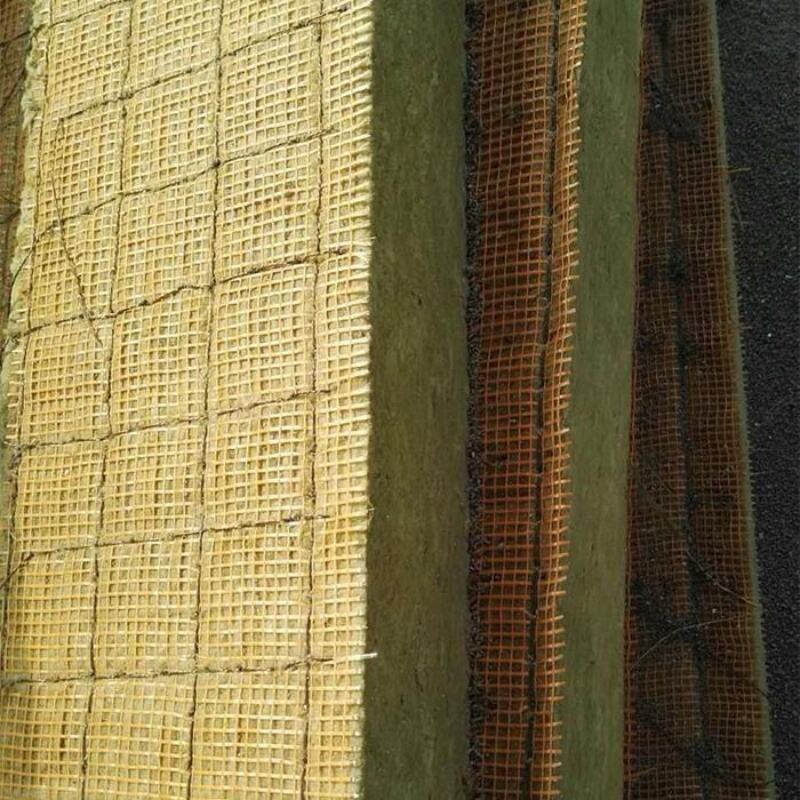
Proper maintenance and inspection of rock insulation systems are critical for ensuring long-term thermal performance, energy efficiency, and structural integrity in industrial and commercial buildings. Rock insulation, composed of volcanic rock fibers, provides exceptional fire resistance and thermal properties that make it a preferred choice for demanding applications. However, like any building material, rock insulation requires systematic monitoring and care to maintain its effectiveness throughout its service life. Understanding the key inspection protocols and maintenance procedures helps facility managers maximize their investment while preventing costly energy losses and safety issues.
Understanding Rock Insulation Degradation Patterns
Common Signs of Deterioration
Rock insulation degradation typically manifests through several observable indicators that facility managers should monitor regularly. Moisture infiltration represents one of the most significant threats to rock insulation performance, as water absorption can reduce thermal resistance and promote corrosion in adjacent metal components. Visual signs include discoloration, sagging sections, or visible water stains on the insulation surface or surrounding structures.
Compression and settling represent another common degradation pattern, particularly in vertical applications where gravity affects the material over time. When rock insulation becomes compressed, its thermal performance diminishes significantly due to reduced air pockets within the fiber matrix. This compression often occurs gradually and may not be immediately apparent without systematic thickness measurements during routine inspections.
Physical damage from maintenance activities, weather exposure, or mechanical impact can compromise the integrity of rock insulation installations. Tears, gaps, or displaced sections create thermal bridges that reduce overall system efficiency and may expose underlying surfaces to temperature extremes. These issues require prompt attention to prevent accelerated deterioration of the entire insulation system.
Environmental Factors Affecting Performance
Temperature cycling places significant stress on rock insulation systems, particularly in industrial applications where equipment operates at varying thermal loads. Repeated expansion and contraction can cause mechanical stress at joints, attachment points, and interfaces with other materials. This thermal movement may gradually loosen fasteners, create gaps, or cause cracking in protective coverings that shield the rock insulation from environmental exposure.
Chemical exposure in industrial environments can affect rock insulation performance, especially when acidic or alkaline substances contact the material or its protective barriers. While rock insulation itself demonstrates excellent chemical resistance, the binders and facings used in some products may degrade when exposed to aggressive chemicals, potentially compromising the overall system integrity.
Wind loading and vibration from nearby equipment can cause gradual displacement or loosening of rock insulation components, particularly in exterior applications. These dynamic forces may not cause immediate failure but can accumulate over time to create performance issues that require systematic monitoring and periodic adjustment of attachment systems.
Developing Comprehensive Inspection Protocols
Visual Assessment Techniques
Effective rock insulation inspection begins with systematic visual assessment protocols that enable early detection of potential problems. Inspectors should examine all accessible surfaces for signs of moisture damage, physical deterioration, or displacement. Using standardized checklists ensures consistent evaluation criteria across different inspection teams and time periods, facilitating trend analysis and performance tracking over the installation lifecycle.
Photographic documentation provides valuable baseline references for future inspections and helps track gradual changes that might not be immediately apparent during individual assessments. Digital cameras with macro capabilities can capture detailed images of specific areas of concern, while overview photographs document general system conditions and help identify patterns of deterioration across larger installations.
Thermal imaging technology offers powerful capabilities for detecting hidden problems in rock insulation systems that may not be visible through conventional inspection methods. Infrared cameras can identify thermal bridges, missing sections, or areas where moisture has compromised thermal performance, enabling targeted maintenance efforts before problems become critical.
Performance Testing Methods
Quantitative performance testing provides objective data about rock insulation effectiveness that complements visual inspection findings. Thermal conductivity measurements using portable heat flow meters can identify areas where insulation performance has degraded below acceptable levels. These measurements should be taken at representative locations throughout the installation to develop a comprehensive understanding of system performance.
Moisture content testing helps identify areas where water infiltration may be compromising rock insulation performance before visible damage occurs. Non-destructive moisture meters can detect elevated moisture levels within the insulation matrix, enabling early intervention to prevent more serious problems. Regular moisture monitoring is particularly important in areas exposed to weather or high humidity conditions.
Thickness measurements using calipers or ultrasonic gauges help track compression and settling over time. Establishing baseline thickness measurements during installation provides reference points for future comparisons, enabling facility managers to identify areas where rock insulation may be losing effectiveness due to mechanical compression or other factors.
Preventive Maintenance Strategies
Moisture Management Systems
Effective moisture management represents the foundation of successful rock insulation maintenance programs. Vapor barriers, weather barriers, and protective coverings must be inspected regularly for tears, gaps, or degradation that could allow water infiltration. Any damage to these protective systems should be repaired promptly using compatible materials and proven installation techniques to maintain system integrity.
Drainage systems around rock insulation installations require regular cleaning and maintenance to ensure proper water management. Clogged drains, damaged gutters, or improperly sloped surfaces can cause water accumulation that eventually penetrates insulation systems. Preventive maintenance of these ancillary systems often proves more cost-effective than major rock insulation repairs or replacement.
Ventilation systems that help control moisture levels in enclosed spaces containing rock insulation should be maintained according to manufacturer specifications. Proper air circulation prevents condensation buildup that could compromise insulation performance and creates conditions favorable for mold growth or corrosion of adjacent components.
Mechanical Protection Measures
Physical protection of rock insulation installations helps prevent damage from routine maintenance activities, weather exposure, and accidental impact. Protective coverings, guards, and barriers should be inspected regularly and repaired or replaced when damaged. These protective measures often represent a small fraction of the total insulation system cost but provide significant value in preventing premature deterioration.
Fastener systems used to secure rock insulation components require periodic inspection and maintenance to ensure continued effectiveness. Corrosion, loosening, or mechanical failure of attachment hardware can compromise entire sections of insulation, leading to displacement, gaps, or complete system failure. Stainless steel or other corrosion-resistant fasteners often provide better long-term performance in challenging environments.
Access restrictions and safety barriers help protect rock insulation from inadvertent damage during routine facility operations. Clear marking of insulated areas, installation of protective guards around vulnerable sections, and establishment of maintenance procedures that consider insulation protection help preserve system integrity over extended service periods.
Repair and Replacement Procedures
Damage Assessment and Prioritization
When rock insulation damage is identified during inspection, systematic assessment helps prioritize repair efforts based on severity, location, and potential impact on overall system performance. Critical areas such as those protecting personnel from high-temperature surfaces or supporting fire safety objectives typically receive highest priority for immediate repair or replacement activities.
Cost-benefit analysis of repair versus replacement options should consider both immediate costs and long-term performance implications. Minor damage to rock insulation systems can often be repaired effectively using compatible materials and proper techniques, while extensive deterioration may justify complete replacement to restore optimal performance levels.
Documentation of damage patterns and repair history helps identify systemic issues that may require design modifications or enhanced maintenance procedures. This historical data proves valuable for optimizing future rock insulation specifications and maintenance protocols based on actual field experience rather than theoretical projections.
Repair Execution Standards
Proper repair techniques for rock insulation systems require careful attention to material compatibility, installation methods, and quality control procedures. Replacement materials should match or exceed the performance characteristics of the original installation to maintain system effectiveness. Using inferior materials for repairs can create weak points that compromise overall performance and require additional maintenance attention.
Installation techniques for rock insulation repairs must follow manufacturer guidelines and industry best practices to ensure durability and performance. Proper surface preparation, adhesive application, mechanical fastening, and protective covering installation all contribute to repair longevity. Shortcuts in repair procedures often result in premature failure and increased long-term maintenance costs.
Quality control verification of completed repairs helps ensure work meets specified performance standards before returning systems to service. Post-repair inspection and testing provide confidence that repairs will perform as intended and identify any issues that require correction before they compromise system effectiveness or safety.
Optimizing Long-Term Performance
Performance Monitoring Systems
Advanced monitoring systems can provide continuous data about rock insulation performance, enabling proactive maintenance decisions based on actual operating conditions rather than scheduled intervals alone. Temperature sensors, moisture detectors, and energy consumption monitoring help identify gradual performance degradation before it becomes critical or affects facility operations.
Data analysis and trending capabilities help facility managers optimize maintenance schedules and identify patterns that may indicate systemic issues requiring design modifications or enhanced maintenance procedures. Historical performance data provides valuable insights for improving future rock insulation specifications and installation practices based on documented field experience.
Integration with computerized maintenance management systems enables systematic tracking of inspection results, maintenance activities, and performance trends. This centralized data management approach facilitates more effective resource allocation and helps demonstrate compliance with regulatory requirements or corporate sustainability objectives.
Continuous Improvement Strategies
Regular evaluation of maintenance procedures and outcomes helps identify opportunities for improving rock insulation system performance and reducing lifecycle costs. Feedback from maintenance personnel, performance data analysis, and benchmarking against industry best practices contribute to continuous refinement of maintenance protocols and procedures.
Training programs for maintenance personnel ensure consistent application of proper inspection and repair techniques across different shifts and teams. Well-trained staff can identify potential problems earlier, perform more effective repairs, and contribute valuable insights for improving overall maintenance effectiveness based on their hands-on experience with rock insulation systems.
Collaboration with insulation manufacturers and industry experts provides access to latest developments in materials, installation techniques, and maintenance best practices. This ongoing engagement helps facility managers stay current with evolving technologies and methodologies that could improve rock insulation performance or reduce maintenance requirements over time.
FAQ
How often should rock insulation be inspected for maintenance needs
Rock insulation should undergo comprehensive visual inspection at least annually, with more frequent monitoring in harsh environments or critical applications. Monthly visual checks of easily accessible areas help identify obvious problems early, while detailed inspections including thermal imaging and performance testing should occur every 2-3 years or following significant weather events, equipment modifications, or operational changes that could affect system performance.
What are the most common causes of rock insulation failure
Moisture infiltration represents the leading cause of rock insulation failure, followed by mechanical damage from maintenance activities and gradual compression over time. Poor initial installation, inadequate protective coverings, and exposure to chemical contaminants also contribute to premature deterioration. Understanding these failure modes helps facility managers develop targeted prevention strategies and maintenance protocols.
Can damaged rock insulation be repaired or must it be completely replaced
Minor damage to rock insulation can often be repaired effectively using compatible materials and proper techniques, while extensive deterioration typically requires complete replacement. The decision depends on damage extent, location criticality, and cost considerations. Localized repairs work well for small tears or gaps, but widespread moisture damage or significant compression usually justifies replacement to restore optimal performance levels.
What safety precautions are necessary when maintaining rock insulation systems
Rock insulation maintenance requires appropriate personal protective equipment including respiratory protection, eye protection, and protective clothing to prevent fiber exposure. Work areas should be isolated when possible, and proper ventilation helps minimize airborne particles. Following manufacturer safety guidelines and applicable workplace safety regulations ensures worker protection while maintaining system effectiveness and compliance with regulatory requirements.