
 EN
EN



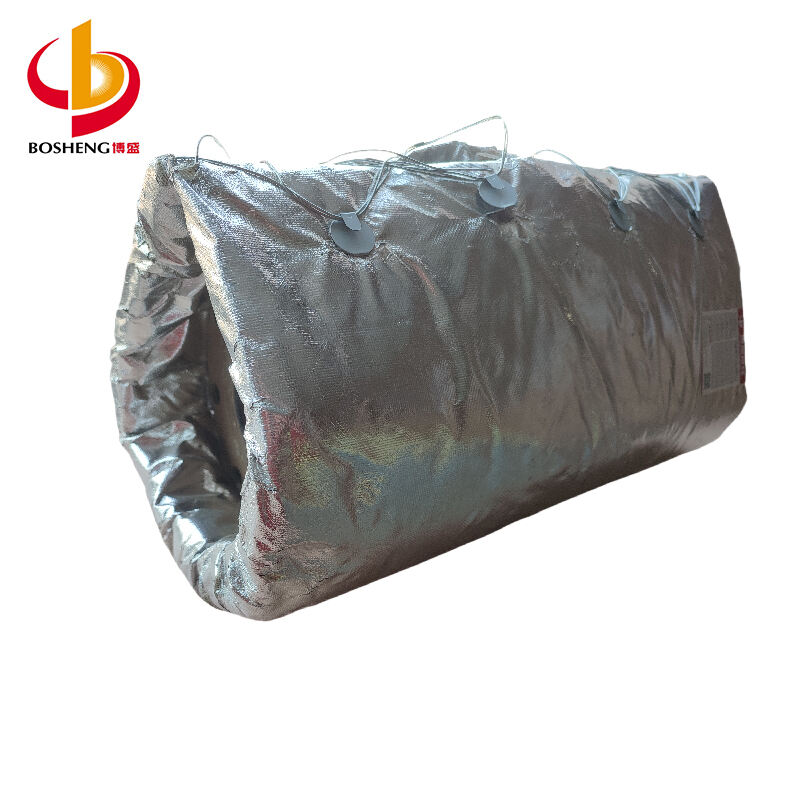
Installing rock wool pipe insulation requires careful planning, proper safety equipment, and adherence to industry best practices to ensure optimal thermal performance and worker safety. This comprehensive installation process involves multiple critical steps that must be executed precisely to achieve maximum energy efficiency and fire protection in industrial piping systems. Understanding the proper techniques for handling and installing rock wool pipe insulation not only protects workers from potential health hazards but also ensures the insulation system performs as designed throughout its operational lifespan.
Pre-Installation Safety Preparation
Personal Protective Equipment Requirements
Before beginning any rock wool pipe insulation installation, workers must don appropriate personal protective equipment to safeguard against fiber exposure and other potential hazards. Essential PPE includes disposable coveralls or long-sleeved clothing, safety glasses or goggles with side shields, and NIOSH-approved dust masks rated N95 or higher. Workers should also wear work gloves to protect hands from cuts and fiber irritation during handling operations. Proper footwear with closed toes and non-slip soles prevents accidents on potentially slippery surfaces where installation activities occur.
Additional protective measures include ensuring adequate ventilation in enclosed spaces and having emergency eyewash stations readily available. Workers should inspect all PPE before use to verify integrity and proper fit, replacing any damaged or worn equipment immediately. Training personnel on proper donning and doffing procedures for protective equipment prevents cross-contamination and maintains safety standards throughout the installation process.
Work Area Assessment and Preparation
Comprehensive work area evaluation identifies potential hazards and establishes safety protocols before commencing installation activities. This assessment includes checking for adequate lighting, proper ventilation systems, and clear egress routes in case of emergency situations. Installation teams must verify that all electrical systems in the work area are properly isolated and tagged out according to lockout/tagout procedures when working near energized equipment.
Site preparation involves removing any existing insulation materials, cleaning pipe surfaces thoroughly, and ensuring proper access to all areas requiring insulation coverage. Teams should establish designated areas for material staging and waste disposal, maintaining organized work zones that minimize trip hazards and facilitate efficient workflow. Proper scaffolding or access platforms must be erected and inspected before use to provide safe working surfaces at elevated locations.
Material Handling and Storage Guidelines
Proper Transportation Techniques
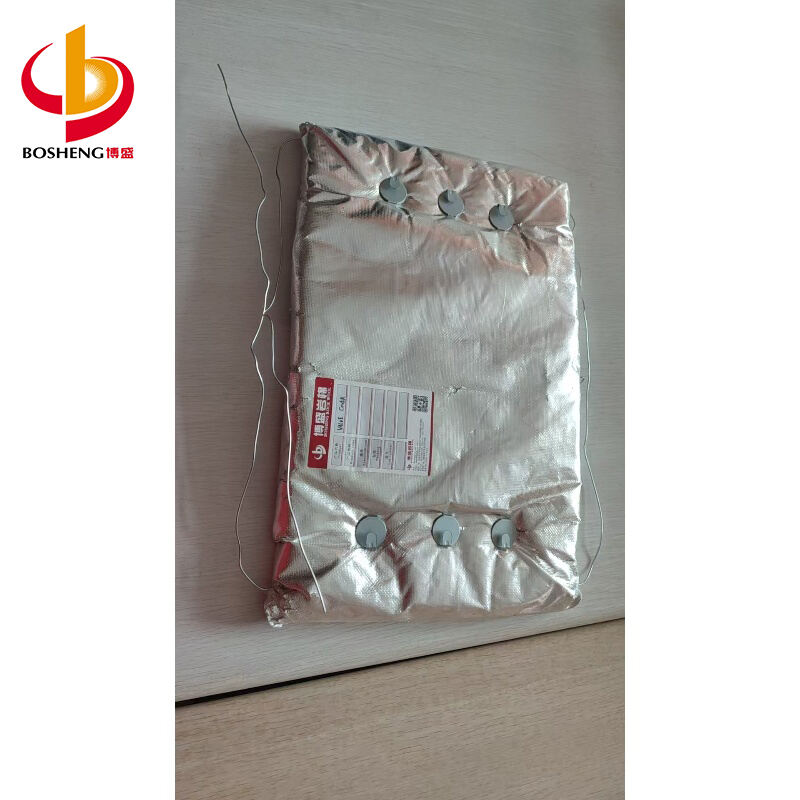
Transporting rock wool pipe insulation materials requires careful handling to prevent damage and maintain product integrity throughout the installation process. Materials should be moved using appropriate lifting equipment such as forklifts or cranes for heavy loads, while lighter sections can be manually handled with proper lifting techniques. Workers must avoid dragging or dropping insulation materials, as this can cause compression damage that reduces thermal performance and creates potential safety hazards.
During transport operations, materials should remain in original packaging until ready for immediate use to protect against moisture infiltration and mechanical damage. Loading and unloading procedures must follow manufacturer specifications for weight limits and stacking arrangements to prevent crushing of lower materials. Teams should coordinate material delivery schedules to minimize on-site storage time and reduce exposure to environmental conditions that could compromise product quality.
Environmental Protection and Storage
Protecting rock wool pipe insulation from environmental factors ensures optimal performance characteristics and extends material lifespan during storage periods. Materials must be stored in dry, covered areas with adequate ventilation to prevent moisture accumulation that can lead to mold growth or thermal property degradation. Storage areas should maintain consistent temperatures and humidity levels within manufacturer-specified ranges to preserve insulation effectiveness.
Inventory management systems help track material quantities and installation schedules while ensuring first-in, first-out rotation practices. Storage facilities should provide easy access for material retrieval without requiring excessive handling or movement of other stored items. Regular inspection of stored materials identifies any damage or deterioration that requires attention before installation activities commence.
Installation Process and Techniques
Pipe Surface Preparation Methods
Thorough pipe surface preparation forms the foundation for successful rock wool pipe insulation installation and long-term system performance. This critical step involves cleaning all pipe surfaces to remove dirt, grease, rust, scale, and other contaminants that could interfere with proper insulation adhesion or create thermal bridges. Surface cleaning methods may include wire brushing, sandblasting, or chemical cleaning depending on the type and extent of contamination present.
Following cleaning operations, surfaces must be thoroughly dried before insulation application to prevent moisture entrapment that could lead to corrosion or reduced thermal efficiency. Inspection procedures verify that all surface preparation meets project specifications and industry standards before proceeding with insulation installation. Any surface irregularities or damage should be addressed and repaired prior to insulation application to ensure uniform coverage and optimal thermal performance.
Cutting and Fitting Procedures
Precise cutting and fitting of rock wool pipe insulation materials ensures proper coverage and eliminates thermal bridges that reduce system efficiency. Sharp utility knives or specialized insulation cutting tools provide clean, straight cuts through insulation materials without excessive compression or fiber damage. Workers should measure carefully and mark cutting lines clearly before making cuts to minimize waste and ensure accurate fits around pipe configurations.
Complex piping arrangements with bends, joints, and fittings require careful template creation and custom cutting techniques to maintain continuous insulation coverage. Installation teams must pay particular attention to maintaining proper insulation thickness at all points, especially around valves, flanges, and other pipe components where heat loss can be significant. Proper joint sealing between insulation sections prevents air infiltration and maintains thermal integrity throughout the system.
Quality Control and Safety Verification
Installation Inspection Protocols
Comprehensive inspection protocols throughout the installation process ensure that rock wool pipe insulation systems meet design specifications and performance requirements. Visual inspections verify proper coverage, appropriate thickness, and secure attachment methods for all insulation sections. Inspectors must check for gaps, compression, or damage that could compromise thermal performance or create safety concerns during system operation.
Documentation procedures record inspection findings, corrective actions, and final acceptance criteria for each installation phase. Quality control checkpoints at regular intervals allow for early identification and correction of installation deficiencies before they become systemic problems. Teams should maintain detailed records of material batch numbers, installation dates, and personnel involved for future reference and warranty purposes.
Final Safety Compliance Verification
Final safety compliance verification confirms that completed installations meet all applicable codes, standards, and regulatory requirements for industrial insulation systems. This comprehensive review includes checking fire safety ratings, thermal performance specifications, and mechanical fastening requirements according to project documents. Teams must verify that all safety signage, access panels, and maintenance provisions have been properly installed and documented.
Post-installation testing procedures may include thermal imaging surveys to identify potential thermal bridges or installation deficiencies that require correction. Complete documentation packages including material certifications, installation records, and test results provide essential information for system commissioning and future maintenance activities. Final acceptance procedures should include client walkthroughs and training on proper maintenance practices to ensure long-term system performance and safety compliance.
Maintenance and Long-Term Performance
Routine Inspection Requirements
Establishing routine inspection schedules ensures that rock wool pipe insulation systems maintain optimal performance throughout their operational lifespan. Regular visual inspections identify signs of damage, moisture infiltration, or mechanical disturbance that could compromise thermal effectiveness or create safety hazards. Inspection frequencies should align with facility maintenance schedules and consider environmental factors that may accelerate insulation degradation in specific applications.
Documentation of inspection findings creates historical records that help identify trends and predict maintenance requirements for insulation systems. Trained personnel should conduct inspections using standardized checklists and reporting procedures to ensure consistency and thoroughness. Early identification of problems allows for prompt corrective action that prevents minor issues from developing into major system failures or safety concerns.
Repair and Replacement Guidelines
Proper repair and replacement procedures maintain insulation system integrity when damage or deterioration occurs during normal operations. Repair methods must match original installation specifications and use compatible materials to ensure seamless integration with existing insulation systems. Workers performing repair activities should follow the same safety protocols and quality standards established during initial installation processes.
Replacement planning considers factors such as system downtime requirements, material availability, and coordination with other maintenance activities. Emergency repair procedures should be established for situations where immediate action is required to maintain safety or prevent equipment damage. Proper disposal of removed insulation materials must comply with environmental regulations and workplace safety requirements for handling fibrous materials.
FAQ
What safety equipment is required when installing rock wool pipe insulation
Installing rock wool pipe insulation requires comprehensive personal protective equipment including disposable coveralls, safety glasses with side shields, NIOSH-approved N95 or higher-rated dust masks, and work gloves. Additional safety measures include ensuring adequate ventilation, having emergency eyewash stations available, and wearing appropriate footwear with closed toes and non-slip soles. Workers should also receive proper training on PPE usage and fiber handling safety protocols.
How should rock wool insulation materials be stored before installation
Rock wool pipe insulation materials must be stored in dry, covered areas with adequate ventilation to prevent moisture accumulation and maintain product integrity. Storage facilities should maintain consistent temperature and humidity levels within manufacturer specifications while providing easy access for material retrieval. Materials should remain in original packaging until ready for use and follow first-in, first-out inventory rotation practices.
What pipe surface preparation is necessary before installation
Proper pipe surface preparation requires thorough cleaning to remove all dirt, grease, rust, scale, and contaminants using appropriate methods such as wire brushing, sandblasting, or chemical cleaning. Surfaces must be completely dry before insulation application to prevent moisture entrapment, and any irregularities or damage should be repaired prior to installation. Surface preparation quality directly impacts insulation adhesion and long-term thermal performance.
How often should installed rock wool pipe insulation be inspected
Installed rock wool pipe insulation systems should undergo routine visual inspections according to facility maintenance schedules, typically ranging from quarterly to annually depending on environmental conditions and system criticality. Inspections should identify signs of damage, moisture infiltration, or mechanical disturbance while documenting findings for historical tracking. More frequent inspections may be required in harsh environments or high-vibration applications where accelerated wear is expected.