
 EN
EN



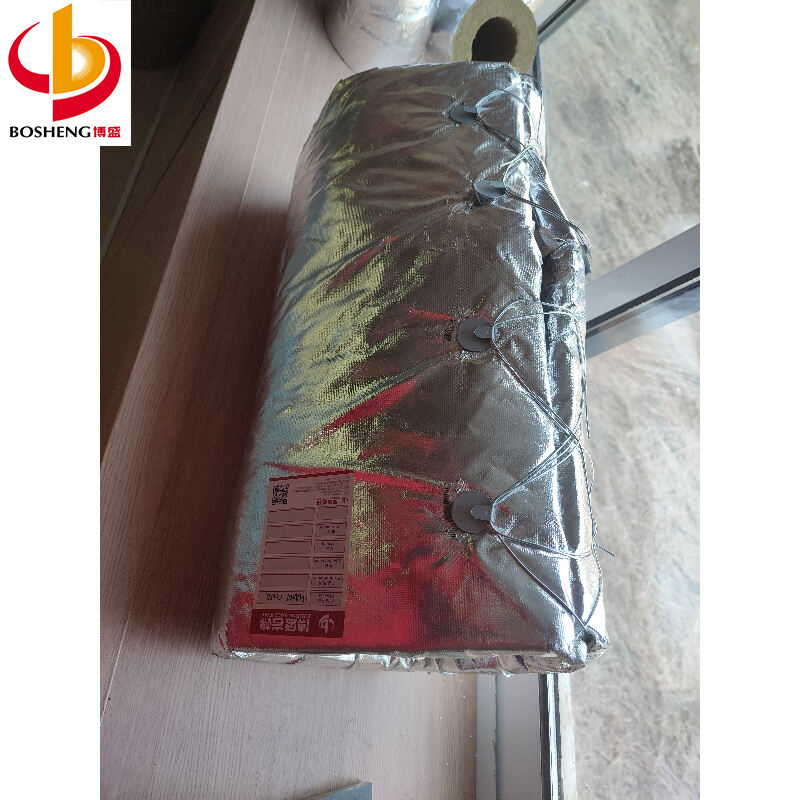
Modern construction demands materials that prioritize safety without compromising performance, making fireproof insulation rock wool an essential component in today's building industry. This advanced insulation material combines superior thermal properties with exceptional fire resistance, offering architects and builders a reliable solution for creating safer environments. Understanding the comprehensive benefits and applications of this material enables informed decision-making for both commercial and residential projects.
Understanding Rock Wool Composition and Fire Safety Properties
Manufacturing Process and Material Characteristics
The production of fireproof insulation rock wool involves melting natural basalt rock and recycled steel slag at temperatures exceeding 1500 degrees Celsius. This high-temperature process creates fibers that maintain their structural integrity even when exposed to extreme heat. The resulting material exhibits non-combustible properties that make it invaluable for fire protection applications across various building types.
These mineral fibers are then bound together using specialized binders that enhance the material's cohesion while maintaining its fire-resistant characteristics. The manufacturing process ensures consistent density and thermal performance throughout each panel or board. Quality control measures during production guarantee that every batch meets stringent safety standards required for commercial and industrial applications.
Fire Resistance Ratings and Performance Standards
Professional testing laboratories evaluate fireproof insulation rock wool according to international fire safety standards, including ASTM E119 and UL standards. These comprehensive tests measure the material's ability to withstand direct flame exposure for extended periods without compromising structural integrity. The results demonstrate exceptional performance with fire resistance ratings often exceeding three hours under direct exposure conditions.
The material's melting point of approximately 1000 degrees Celsius significantly exceeds typical building fire temperatures, providing crucial protection during emergency situations. Independent certification bodies regularly verify these performance characteristics, ensuring consistent quality and reliability. Building codes in many jurisdictions specifically recognize rock wool's superior fire safety properties, often requiring its use in critical applications.
Thermal Performance and Energy Efficiency Benefits
Insulation Properties and R-Value Performance
The thermal conductivity of fireproof insulation rock wool typically ranges from 0.032 to 0.040 W/mK, delivering excellent insulation performance across diverse climate conditions. This low thermal conductivity translates to high R-values that significantly reduce heating and cooling energy consumption in buildings. The material maintains consistent thermal performance throughout its service life, unlike some alternatives that may degrade over time.
Temperature resistance characteristics enable rock wool to function effectively in extreme conditions, from arctic environments to high-temperature industrial applications. The material's dimensional stability ensures that thermal bridges and gaps do not develop over time, maintaining optimal energy efficiency. Professional energy audits consistently demonstrate substantial energy savings when fireproof insulation rock wool replaces conventional insulation materials in building envelope systems.
Moisture Management and Vapor Permeability
Rock wool's hydrophobic treatment prevents water absorption while allowing vapor transmission, creating ideal moisture management characteristics for building applications. This balanced approach prevents condensation accumulation within wall assemblies while maintaining insulation performance in humid conditions. The material's open fiber structure facilitates air circulation that helps regulate moisture levels naturally.
Proper moisture management prevents mold and mildew growth that can compromise indoor air quality and structural integrity. The material's resistance to moisture-related degradation ensures long-term performance reliability in challenging environmental conditions. Building envelope specialists recognize these characteristics as essential for creating durable, healthy indoor environments that meet modern performance standards.
Acoustic Performance and Sound Control Applications
Sound Absorption Coefficients and Noise Reduction
The fibrous structure of fireproof insulation rock wool provides exceptional acoustic properties, with noise reduction coefficients typically ranging from 0.85 to 1.0 across critical frequency ranges. This superior sound absorption capability makes the material ideal for controlling noise transmission in commercial buildings, residential complexes, and industrial facilities. Acoustic engineers frequently specify rock wool for applications requiring precise sound control performance.
The material effectively attenuates both airborne and impact noise, creating quieter indoor environments that enhance occupant comfort and productivity. Laboratory testing demonstrates significant sound transmission class improvements when rock wool replaces conventional insulation materials in wall and floor assemblies. These acoustic benefits complement the material's fire safety properties, providing comprehensive building performance enhancement.
Application in Sound-Critical Environments
Recording studios, theaters, and healthcare facilities rely on fireproof insulation rock wool to achieve precise acoustic control while maintaining stringent fire safety requirements. The material's consistent density and fiber orientation enable predictable sound absorption performance across various installation configurations. Acoustic consultants appreciate the material's versatility in addressing complex soundscape challenges in modern buildings.
Industrial applications benefit from rock wool's ability to control machinery noise while providing fire protection in high-risk environments. The material's resistance to vibration and mechanical stress ensures long-term acoustic performance in demanding applications. Multi-story buildings utilize rock wool's sound isolation properties to minimize noise transfer between floors and adjacent spaces.
Installation Methods and Best Practices
Proper Installation Techniques for Maximum Performance
Successful installation of fireproof insulation rock wool requires careful attention to cutting, fitting, and securing techniques that preserve the material's integrity and performance characteristics. Professional installers use specialized tools designed specifically for mineral wool products to achieve clean cuts without fiber damage. Proper personal protective equipment, including respirators and protective clothing, ensures installer safety during handling and installation.
Cavity filling techniques must achieve complete coverage without compression that could reduce thermal or acoustic performance. The material should fit snugly against framing members while maintaining its designed thickness and density. Quality installation practices include sealing penetrations and joints to prevent thermal bridging and maintain continuous insulation coverage throughout building assemblies.
Safety Protocols and Handling Requirements
Material handling procedures emphasize the importance of proper storage to maintain product integrity before installation. Rock wool products should remain in original packaging until use and be stored in dry conditions away from direct moisture exposure. Installation teams must follow manufacturer guidelines regarding cutting techniques and fiber management to minimize airborne particles during construction.
Post-installation inspection ensures proper coverage and identifies any areas requiring additional attention or correction. Professional installation standards require documentation of installation methods and material certifications for building code compliance. These protocols guarantee that the installed system will deliver expected fire safety and thermal performance throughout the building's service life.
Environmental Impact and Sustainability Considerations
Recycled Content and Manufacturing Sustainability
Modern fireproof insulation rock wool production incorporates significant recycled content, typically including 20-30% post-consumer recycled materials such as steel slag and other industrial byproducts. This approach reduces demand for virgin raw materials while diverting waste from landfills, contributing to circular economy principles. Manufacturing facilities increasingly utilize renewable energy sources to reduce carbon footprint associated with the high-temperature melting process.
Life cycle assessments demonstrate favorable environmental profiles when rock wool's long service life and energy savings are considered over building lifespans. The material's durability eliminates the need for replacement that some alternative insulation materials may require. Environmental product declarations provide transparent information about manufacturing impacts, enabling informed material selection for green building projects.
End-of-Life Recyclability and Waste Reduction
Rock wool products can be recycled at end-of-life, with used materials processed back into new insulation products or alternative applications such as growing media for agriculture. This recyclability supports sustainable construction practices and reduces construction waste sent to landfills. Demolition contractors increasingly recognize the value recovery potential of properly separated rock wool materials.
Building deconstruction rather than demolition preserves material integrity for recycling, maximizing resource recovery. Industry initiatives promote take-back programs that facilitate proper recycling of used rock wool products. These sustainability features align with green building certification requirements and organizational environmental responsibility goals.
FAQ
What makes rock wool fireproof compared to other insulation materials
Rock wool achieves fireproof characteristics through its mineral composition and manufacturing process that creates non-combustible fibers capable of withstanding temperatures up to 1000 degrees Celsius. Unlike organic insulation materials that can ignite and spread flames, rock wool actually helps contain fires by creating thermal barriers that slow heat transmission and prevent fire spread through building assemblies.
How long does fireproof insulation rock wool maintain its performance properties
Properly installed rock wool insulation maintains its fire resistance, thermal, and acoustic properties for the entire building lifespan, typically 50+ years, due to its inorganic mineral composition that resists degradation from moisture, temperature cycling, and biological factors. The material does not settle, compress, or lose effectiveness over time like some alternative insulation materials, ensuring consistent performance throughout its service life.
Can rock wool insulation be used in high-humidity environments
Rock wool performs excellently in high-humidity environments because of its hydrophobic treatment that repels liquid water while allowing vapor transmission, preventing moisture accumulation that could compromise performance or promote mold growth. This moisture management capability makes it ideal for applications in basements, bathrooms, kitchens, and industrial facilities where humidity levels fluctuate significantly.
What certifications should I look for when selecting fireproof rock wool insulation
Look for certifications from recognized testing organizations such as UL (Underwriters Laboratories), ASTM International standards compliance, and local building code approvals that verify fire resistance ratings, thermal performance values, and acoustic properties. Environmental certifications like GREENGUARD or similar indoor air quality standards ensure the product meets health and safety requirements for occupied spaces.