
 EN
EN



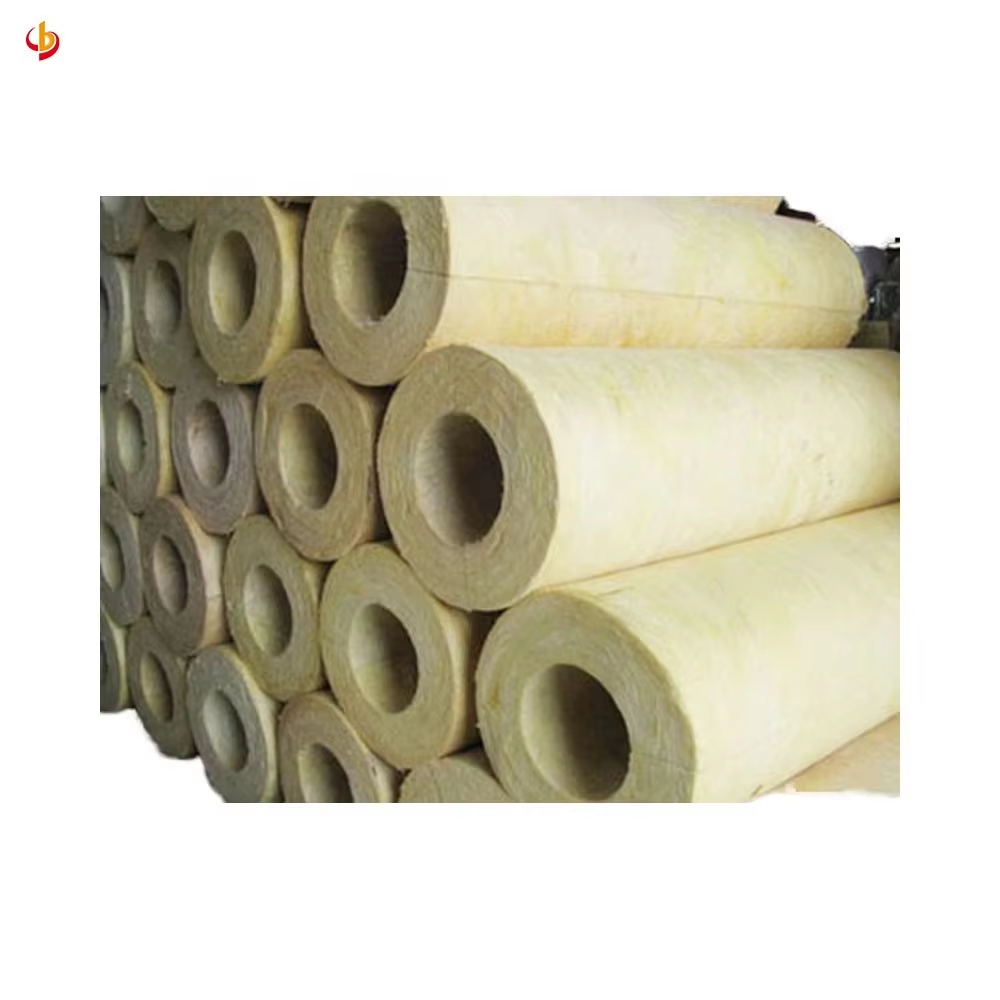
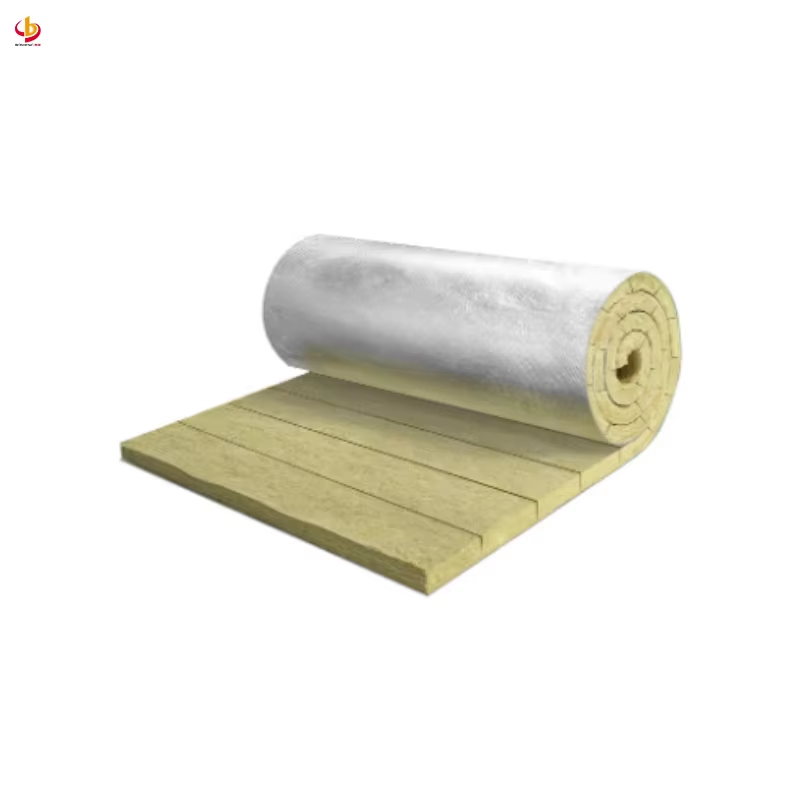
Foil faced insulation represents a significant advancement in building energy efficiency technology, combining traditional insulation materials with reflective aluminum foil barriers to create superior thermal performance. This innovative insulation solution addresses the growing demand for energy-efficient building systems that reduce heating and cooling costs while maintaining optimal indoor comfort levels. The integration of foil facing with mineral wool, fiberglass, or other insulation cores creates a dual-action thermal barrier that both resists heat transfer and reflects radiant energy.
The mechanism behind foil faced insulation's enhanced energy efficiency lies in its ability to combat all three modes of heat transfer: conduction, convection, and radiation. While traditional insulation primarily addresses conductive and convective heat transfer, the aluminum foil facing adds critical radiant heat control, reflecting up to 97% of radiant energy away from the building envelope. This comprehensive approach to thermal management results in measurable improvements in building energy performance, making foil faced insulation an increasingly popular choice for commercial, industrial, and residential applications.
The Science Behind Radiant Heat Reflection
Understanding Radiant Heat Transfer Principles
Radiant heat transfer occurs when thermal energy moves through electromagnetic waves, independent of air movement or direct contact between surfaces. In building applications, radiant heat represents a significant portion of total heat gain and loss, particularly in roof and wall assemblies exposed to direct sunlight. Foil faced insulation addresses this challenge through its highly reflective aluminum surface, which possesses an emissivity rating as low as 0.03, meaning it reflects rather than absorbs radiant energy.
The effectiveness of foil faced insulation in controlling radiant heat depends on proper installation and air gap placement. When installed with an air space adjacent to the foil surface, the reflective barrier can achieve R-values equivalent to several inches of traditional insulation material. This radiant barrier effect becomes particularly pronounced in hot climates where cooling loads dominate building energy consumption, as the foil facing prevents solar heat gain from penetrating the building envelope.
Aluminum Foil Properties and Performance Characteristics
The aluminum foil used in foil faced insulation products undergoes specialized manufacturing processes to optimize its thermal performance characteristics. High-quality foil facings feature uniform thickness, typically ranging from 0.0005 to 0.002 inches, with consistent surface properties that maintain reflectivity over extended periods. The foil's low thermal mass means it reaches equilibrium temperature quickly, allowing rapid response to changing thermal conditions.
Durability factors significantly impact the long-term performance of foil faced insulation systems. Premium foil facings incorporate protective coatings or laminations that resist oxidation, moisture penetration, and mechanical damage during installation. These enhanced durability features ensure that the foil faced insulation maintains its reflective properties throughout the building's operational lifespan, providing consistent energy efficiency benefits.
Thermal Performance Advantages in Building Systems
Reduction in Heat Transfer Coefficients
Foil faced insulation demonstrates measurable improvements in overall thermal resistance when compared to identical insulation products without reflective facings. Testing conducted according to ASTM standards shows that foil faced insulation can reduce effective U-values by 15-30% in typical wall and roof assemblies. This improvement translates directly to reduced energy consumption for heating and cooling systems, as the building envelope becomes more resistant to thermal bridging and heat flow.
The thermal performance enhancement becomes most pronounced in assemblies where the foil facing can maintain an air gap of at least 0.75 inches. In these configurations, the radiant barrier effect combines with the base insulation's resistance properties to create superior thermal control. Field measurements in commercial buildings have documented cooling energy savings of 10-25% when foil faced insulation replaces conventional insulation in roof applications.
Moisture Management and Vapor Control
Beyond thermal performance, foil faced insulation provides integrated vapor barrier functionality that enhances overall building envelope performance. The aluminum foil facing exhibits extremely low water vapor permeance, typically less than 0.1 perms, making it an effective vapor retarder in climate zones where vapor control is critical. This dual functionality eliminates the need for separate vapor barrier installations in many applications.
Proper vapor barrier placement with foil faced insulation requires careful consideration of climate conditions and building design. In heating-dominated climates, the foil facing should be positioned toward the interior to prevent warm, moist indoor air from reaching cold surfaces where condensation could occur. The integrated vapor control provided by foil faced insulation helps maintain insulation performance over time by preventing moisture-related degradation.
Application-Specific Energy Efficiency Benefits
Commercial Roof Systems and Energy Performance
Commercial roof applications represent the most significant opportunity for energy efficiency gains with foil faced insulation. Large roof surfaces experience substantial solar heat gain during peak cooling periods, making radiant heat control particularly valuable. Foil faced insulation installed in commercial roof assemblies can reduce peak cooling loads by 20-35%, allowing for smaller HVAC equipment sizing and lower operational costs.
The installation of foil faced insulation in metal roof systems provides additional benefits through reduced thermal bridging at structural connections. The reflective facing helps minimize temperature differentials across the roof assembly, reducing thermal stress and improving long-term durability. Energy modeling studies demonstrate that foil faced insulation in commercial applications typically achieves payback periods of 2-5 years through reduced energy consumption.
Industrial and Process Facility Applications
Industrial facilities with high internal heat loads benefit significantly from foil faced insulation's dual thermal control mechanism. Process facilities, manufacturing plants, and warehouses often experience substantial radiant heat loads from equipment, lighting, and solar gain. Foil faced insulation helps create more stable internal temperatures while reducing the load on industrial HVAC systems.
In high-temperature industrial applications, foil faced insulation provides enhanced fire resistance and thermal stability compared to organic-faced alternatives. The aluminum facing maintains its reflective properties at elevated temperatures and contributes to overall fire safety ratings. These characteristics make foil faced insulation particularly suitable for industrial environments where thermal performance and safety considerations are paramount.
Installation Factors Affecting Energy Efficiency Performance
Air Gap Requirements and Installation Techniques
The energy efficiency benefits of foil faced insulation depend critically on proper installation techniques that maintain appropriate air gaps adjacent to the reflective surface. Installation without adequate air space reduces the radiant barrier effectiveness significantly, as the foil facing cannot reflect radiant energy effectively when in direct contact with other materials. Professional installation guidelines specify minimum air gap requirements of 0.75 inches for optimal performance.
Installation quality directly impacts long-term energy efficiency performance, as compressed or damaged foil faced insulation loses both its thermal resistance and reflective properties. Proper handling during installation prevents tears or punctures in the foil facing that could compromise vapor barrier performance. Training installation crews on foil faced insulation-specific techniques ensures that the intended energy efficiency benefits are realized in practice.
Integration with Building Envelope Systems
Foil faced insulation achieves optimal energy efficiency when integrated properly with other building envelope components. Continuous installation without thermal bridging requires careful attention to joints, penetrations, and transitions between different assembly types. The reflective facing must maintain continuity across the building envelope to maximize radiant heat control effectiveness.
Compatibility with different construction materials and methods influences the overall energy efficiency impact of foil faced insulation systems. Steel frame construction, concrete masonry, and wood frame assemblies each present unique installation considerations that affect thermal performance. Proper detailing and installation ensure that foil faced insulation contributes to overall building energy efficiency goals rather than creating unintended thermal bridging or air leakage paths.
Economic and Environmental Energy Efficiency Impacts
Operational Cost Reduction and Energy Savings
The enhanced energy efficiency provided by foil faced insulation translates directly to reduced operational costs through lower heating and cooling energy consumption. Utility bill analysis from commercial buildings using foil faced insulation typically shows annual energy cost reductions of 12-28% compared to buildings with conventional insulation systems. These savings compound over the building's operational lifespan, providing substantial return on investment.
Peak demand reduction represents an additional economic benefit of foil faced insulation in commercial applications. By reducing cooling loads during peak demand periods, foil faced insulation helps building owners avoid demand charges and peak pricing from utility providers. This benefit becomes particularly valuable in regions with time-of-use electricity pricing structures where peak demand charges represent a significant portion of energy costs.
Carbon Footprint Reduction and Sustainability Benefits
The energy efficiency improvements achieved with foil faced insulation contribute to measurable reductions in building carbon emissions. Life cycle analysis studies indicate that the manufacturing energy required to produce foil faced insulation is typically recovered through energy savings within 6-18 months of operation. Over the insulation's service life, the net carbon impact remains significantly positive compared to less efficient alternatives.
Sustainability considerations extend beyond operational energy consumption to include durability and recyclability factors. High-quality foil faced insulation maintains its energy efficiency performance for decades without degradation, avoiding the need for premature replacement. At end of service life, the aluminum facing can be recycled, contributing to circular economy principles while maintaining the long-term energy efficiency benefits throughout the building's operational period.
FAQ
How much energy can foil faced insulation save compared to regular insulation?
Foil faced insulation typically provides 15-30% better thermal performance than identical insulation without reflective facing, translating to energy savings of 10-25% in cooling-dominated applications. The actual savings depend on climate conditions, building design, and installation quality, with the greatest benefits occurring in hot climates with significant solar heat gain.
Does foil faced insulation work effectively in cold climates?
Yes, foil faced insulation provides energy efficiency benefits in cold climates through improved vapor control and reduced thermal bridging. While the radiant barrier effect is less pronounced in heating-dominated climates, the integrated vapor barrier functionality and enhanced thermal resistance still contribute to reduced heating energy consumption and improved comfort levels.
What installation factors are most critical for maximizing energy efficiency with foil faced insulation?
Maintaining proper air gaps adjacent to the foil facing is the most critical installation factor, requiring at least 0.75 inches of air space for optimal radiant barrier performance. Additionally, preventing damage to the foil surface, ensuring continuous coverage without thermal bridging, and proper orientation of the vapor barrier are essential for achieving maximum energy efficiency benefits.
How long do the energy efficiency benefits of foil faced insulation last?
High-quality foil faced insulation maintains its energy efficiency performance for 20-30 years or more when properly installed and protected from physical damage. The aluminum foil facing retains its reflective properties indefinitely under normal building conditions, ensuring that energy efficiency benefits persist throughout the building's operational lifespan without significant degradation.
Table of Contents
- The Science Behind Radiant Heat Reflection
- Thermal Performance Advantages in Building Systems
- Application-Specific Energy Efficiency Benefits
- Installation Factors Affecting Energy Efficiency Performance
- Economic and Environmental Energy Efficiency Impacts
-
FAQ
- How much energy can foil faced insulation save compared to regular insulation?
- Does foil faced insulation work effectively in cold climates?
- What installation factors are most critical for maximizing energy efficiency with foil faced insulation?
- How long do the energy efficiency benefits of foil faced insulation last?