
 EN
EN



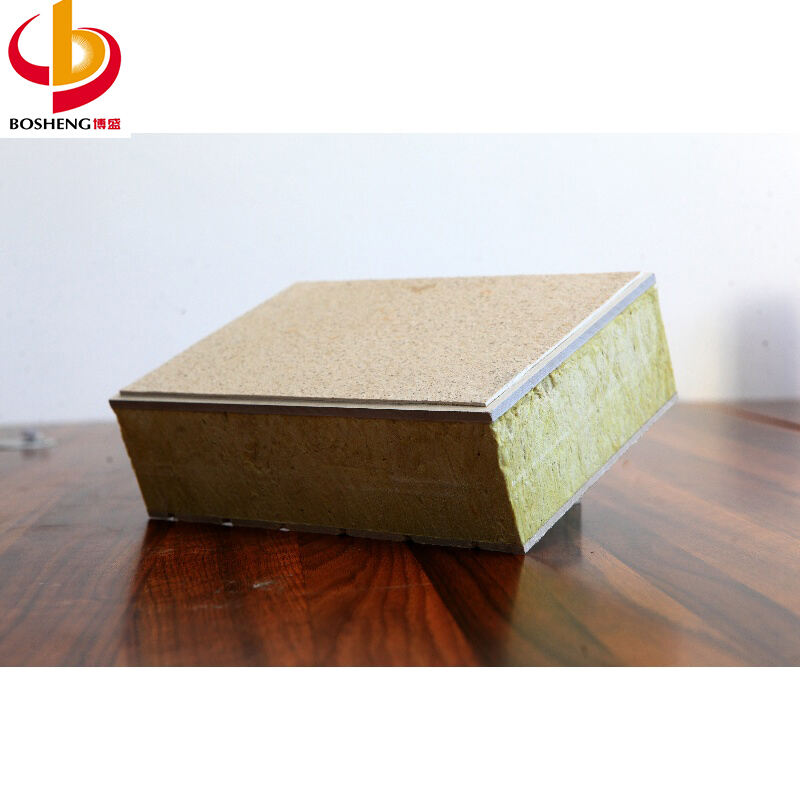
Commercial buildings face unique challenges when it comes to maintaining energy efficiency and temperature control throughout the year. The roofing system plays a crucial role in determining a building's overall thermal performance, making the selection of appropriate insulation materials essential for property owners and facility managers. Among various insulation options available in the market today, insulation rock wool has emerged as a superior choice for commercial roofing applications due to its exceptional thermal properties and durability characteristics.
The demanding nature of commercial environments requires insulation solutions that can withstand extreme weather conditions while providing consistent performance over extended periods. Rock wool insulation offers remarkable resistance to temperature fluctuations, moisture intrusion, and structural stress, making it particularly well-suited for large-scale commercial installations. Understanding the specific advantages of this material helps building professionals make informed decisions that benefit both operational efficiency and long-term cost management.
Superior Thermal Performance Characteristics
High R-Value and Thermal Resistance
The thermal resistance capabilities of insulation rock wool make it an outstanding choice for commercial roofing systems where energy efficiency is paramount. This material typically achieves R-values ranging from 3.0 to 4.3 per inch of thickness, providing excellent thermal barrier properties that significantly reduce heat transfer between interior and exterior environments. The fibrous structure of rock wool creates numerous air pockets that trap air and minimize convective heat movement, resulting in superior insulation performance compared to many alternative materials.
Commercial buildings benefit tremendously from this high thermal resistance, as it directly translates to reduced heating and cooling costs throughout the year. The consistent thermal performance of rock wool insulation remains stable across a wide temperature range, ensuring that commercial facilities maintain comfortable indoor conditions regardless of seasonal weather variations. This reliability is particularly important for businesses that operate temperature-sensitive equipment or maintain specific climate requirements for their operations.
Moisture Management and Vapor Permeability
Effective moisture control represents another critical advantage of using insulation rock wool in commercial roofing applications. The hydrophobic properties of rock wool fibers naturally repel water while allowing water vapor to pass through the material, preventing moisture accumulation that could lead to mold growth or structural damage. This vapor permeability characteristic helps maintain healthy indoor air quality while protecting the building envelope from moisture-related deterioration.
Commercial buildings often generate significant amounts of internal moisture from various sources including occupant activities, equipment operation, and manufacturing processes. Rock wool insulation effectively manages this moisture by allowing vapor to escape while preventing liquid water penetration, creating a balanced moisture environment that protects both the insulation system and the overall building structure. This moisture management capability extends the lifespan of roofing components and reduces maintenance requirements over time.
Fire Safety and Building Code Compliance
Non-Combustible Material Properties
Fire safety considerations are paramount in commercial building design, and insulation rock wool provides exceptional fire-resistant characteristics that exceed many building code requirements. Manufactured from natural basalt rock and recycled steel slag, rock wool maintains its structural integrity at temperatures exceeding 2000 degrees Fahrenheit, making it virtually non-combustible under normal building fire conditions. This inherent fire resistance provides valuable time for evacuation procedures and fire suppression efforts in emergency situations.
The non-combustible nature of rock wool insulation also contributes to lower insurance premiums for commercial property owners, as insurance companies recognize the reduced fire risk associated with buildings that incorporate fire-resistant materials. Additionally, rock wool does not produce toxic gases or smoke when exposed to high temperatures, enhancing occupant safety during fire emergencies. This safety characteristic makes rock wool particularly suitable for high-occupancy commercial buildings, healthcare facilities, and educational institutions where life safety is the primary concern.
Building Code Approvals and Certifications
Commercial construction projects must comply with stringent building codes and safety regulations, and rock wool insulation typically meets or exceeds these requirements across various jurisdictions. Most rock wool products carry certifications from recognized testing organizations such as Underwriters Laboratories, Factory Mutual, and the International Code Council, providing documentation of compliance with fire safety standards. These certifications simplify the approval process for architects and engineers while ensuring that projects meet all applicable safety requirements.
The widespread acceptance of rock wool insulation by building officials and code enforcement agencies reflects its proven track record in commercial applications. Many building codes specifically recognize rock wool as an acceptable insulation material for various commercial building types, including high-rise structures, industrial facilities, and institutional buildings. This regulatory acceptance streamlines project approval processes and reduces potential delays associated with material substitutions or special approvals.
Durability and Long-Term Performance
Structural Stability and Compression Resistance
Commercial roofing systems experience significant structural loads from equipment installations, maintenance activities, and environmental factors such as snow accumulation and wind uplift forces. Rock wool insulation demonstrates excellent compression resistance and dimensional stability, maintaining its thickness and thermal performance under these demanding conditions. The inorganic fiber structure of rock wool does not degrade over time like organic materials, ensuring consistent insulation performance throughout the building's operational life.
The mechanical properties of rock wool make it particularly suitable for commercial applications where roof access is frequent or where heavy equipment may be installed on the roof surface. Unlike some insulation materials that can compress permanently under load, rock wool recovers its original thickness when loads are removed, preserving its thermal effectiveness. This resilience reduces the need for insulation replacement and helps maintain energy efficiency over extended periods, contributing to lower lifecycle costs for commercial building owners.
Chemical and Environmental Resistance
Commercial buildings often encounter challenging environmental conditions including exposure to industrial chemicals, pollutants, and aggressive weather patterns. Rock wool insulation exhibits superior resistance to chemical degradation, UV exposure, and biological growth, making it ideal for harsh commercial environments. The inorganic composition of rock wool prevents degradation from acids, alkalis, and organic solvents that might be present in industrial or laboratory settings.
Environmental factors such as freeze-thaw cycles, temperature extremes, and humidity variations have minimal impact on rock wool performance, ensuring consistent thermal properties regardless of climate conditions. This environmental stability is particularly beneficial for commercial buildings located in regions with severe weather patterns or high pollution levels. The resistance to pest intrusion also eliminates concerns about rodent damage or insect infestation that can affect other insulation materials, reducing maintenance requirements and preserving building integrity.
Installation Efficiency and Cost-Effectiveness
Ease of Installation and Handling
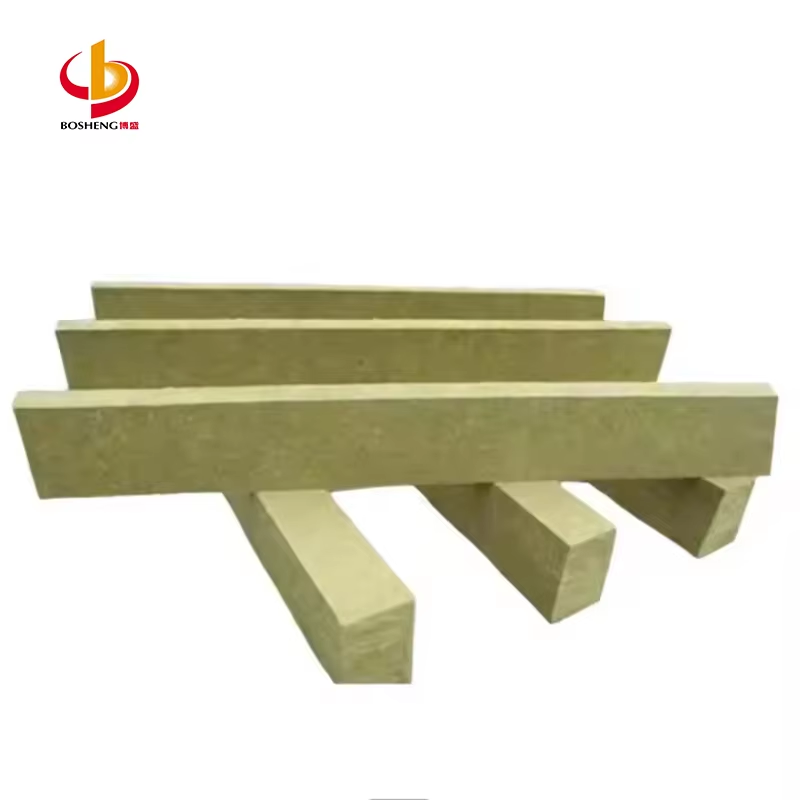
The installation characteristics of rock wool insulation contribute significantly to its appeal in commercial roofing applications, where project schedules and labor efficiency directly impact overall construction costs. Rock wool products are typically available in convenient board or batt formats that can be easily cut and fitted to accommodate various roof configurations and penetrations. The material's dimensional stability during installation prevents compression or expansion that could create thermal bridges or gaps in the insulation system.
Professional installation crews appreciate the workability of rock wool, as it does not require special protective equipment beyond standard safety gear, unlike some alternative insulation materials. The non-irritating properties of modern rock wool formulations reduce installation time and improve worker comfort, leading to more efficient project completion. Additionally, rock wool can be installed in various weather conditions, providing flexibility in construction scheduling that is particularly valuable in commercial projects with tight deadlines.
Lifecycle Cost Analysis and Return on Investment
Commercial building owners increasingly focus on lifecycle cost analysis when selecting building materials, and rock wool insulation demonstrates favorable economics through reduced energy costs and extended service life. The initial investment in quality rock wool insulation typically pays for itself within several years through energy savings, while the long-term durability minimizes replacement costs over the building's operational life. This economic performance is particularly attractive for commercial properties where energy costs represent a significant portion of operational expenses.
The maintenance advantages of rock wool insulation also contribute to its cost-effectiveness, as the material requires minimal attention once properly installed. Unlike organic insulation materials that may settle, degrade, or require periodic replacement, rock wool maintains its performance characteristics for decades under normal operating conditions. This longevity reduces disruption to building operations and eliminates the costs associated with premature insulation replacement, making it an excellent investment for commercial property portfolios.
FAQ
What is the typical lifespan of rock wool insulation in commercial roofing applications
Rock wool insulation can last 50 years or more in commercial roofing applications when properly installed and maintained. The inorganic nature of rock wool fibers prevents degradation from moisture, temperature cycles, and biological factors that commonly affect other insulation materials. This exceptional longevity makes rock wool an excellent long-term investment for commercial building owners seeking reliable thermal performance throughout the building's operational life.
How does rock wool insulation compare to other commercial insulation materials in terms of fire safety
Rock wool insulation provides superior fire safety compared to most alternative insulation materials due to its non-combustible properties and high melting point exceeding 2000 degrees Fahrenheit. Unlike foam-based insulations that can contribute to fire spread and produce toxic gases, rock wool acts as a fire barrier and does not emit harmful substances when exposed to high temperatures. This fire resistance often allows for reduced fire-rated assembly requirements and can contribute to lower insurance premiums for commercial properties.
Can rock wool insulation be used in all types of commercial roofing systems
Rock wool insulation is compatible with virtually all commercial roofing system types including built-up roofs, modified bitumen, single-ply membranes, and metal roofing systems. The material's dimensional stability and compression resistance make it suitable for both adhered and mechanically fastened installations. However, specific installation details may vary depending on the roofing system manufacturer's requirements and local building codes, so consultation with roofing professionals is recommended for each application.
What are the environmental benefits of choosing rock wool insulation for commercial buildings
Rock wool insulation offers several environmental advantages including high recycled content from steel slag, energy savings that reduce building carbon footprints, and complete recyclability at the end of its service life. The manufacturing process uses abundant natural materials and produces minimal waste, while the excellent thermal performance helps commercial buildings achieve green building certifications such as LEED or BREEAM. Additionally, the long service life of rock wool reduces the environmental impact associated with material replacement over the building's lifetime.
Table of Contents
- Superior Thermal Performance Characteristics
- Fire Safety and Building Code Compliance
- Durability and Long-Term Performance
- Installation Efficiency and Cost-Effectiveness
-
FAQ
- What is the typical lifespan of rock wool insulation in commercial roofing applications
- How does rock wool insulation compare to other commercial insulation materials in terms of fire safety
- Can rock wool insulation be used in all types of commercial roofing systems
- What are the environmental benefits of choosing rock wool insulation for commercial buildings