
 EN
EN



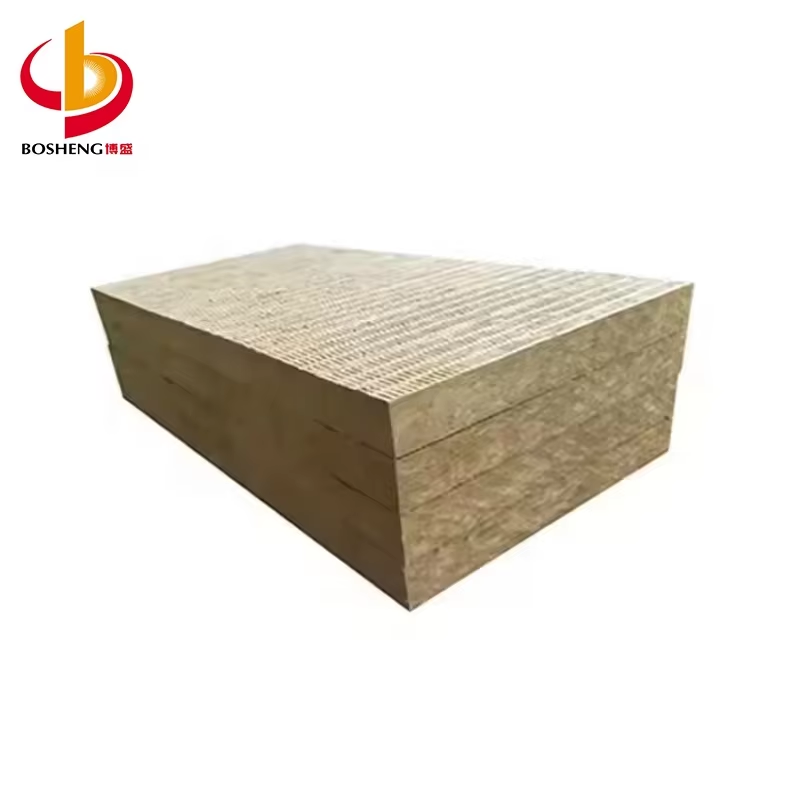
Modern workspaces face increasing acoustic challenges that directly impact employee productivity, concentration, and overall workplace satisfaction. Sound insulation felt has emerged as a critical solution for creating optimal work environments by controlling noise transmission, reducing reverberation, and establishing acoustic zones that support different types of work activities. Understanding how to properly optimize the use of sound insulation felt requires careful consideration of workspace layout, material properties, installation techniques, and performance objectives that align with specific operational requirements.
Effective optimization involves analyzing workspace acoustics systematically to identify noise sources, transmission pathways, and areas requiring acoustic treatment. The strategic placement and specification of sound insulation felt materials can transform problematic acoustic environments into spaces that enhance focus, reduce fatigue, and support collaborative activities. This comprehensive approach to acoustic optimization considers both immediate noise control needs and long-term workspace flexibility requirements that evolve with changing business operations and employee expectations.
Understanding Workspace Acoustic Requirements
Identifying Primary Noise Sources and Transmission Paths
Workspace noise sources typically include HVAC systems, office equipment, foot traffic, conversation, and external environmental sounds that penetrate through building envelope components. Sound insulation felt applications must target these specific sources by creating barriers that interrupt noise transmission pathways between source locations and sensitive work areas. Understanding the frequency characteristics of different noise sources helps determine the appropriate density and thickness specifications for sound insulation felt materials that will provide optimal attenuation performance.
Transmission path analysis reveals how sound travels through ceiling plenum spaces, partition wall assemblies, floor structures, and mechanical ductwork systems. Effective sound insulation felt placement focuses on treating these critical pathways where acoustic energy transfer occurs most readily. This systematic approach ensures that acoustic treatment efforts address root causes rather than attempting to mask symptoms through less effective surface treatments that provide limited long-term benefits.
Establishing Performance Criteria for Different Work Zones
Different workspace zones require specific acoustic performance levels based on the types of activities conducted in each area. Private offices typically need background noise levels between 35-40 decibels to support concentration-intensive tasks, while collaborative spaces can accommodate higher ambient noise levels around 45-50 decibels that still permit effective communication. Sound insulation felt specifications must align with these performance targets to create appropriately tuned acoustic environments for each functional area.
Open office environments present unique challenges requiring sound insulation felt applications that balance speech privacy with acoustic comfort. The goal involves reducing sound transmission between workstations while maintaining enough acoustic transparency to preserve the collaborative benefits of open layouts. Strategic use of sound insulation felt in partition systems and overhead applications helps achieve this delicate balance through controlled acoustic separation.
Material Selection and Specification Strategies
Evaluating Density and Thickness Parameters
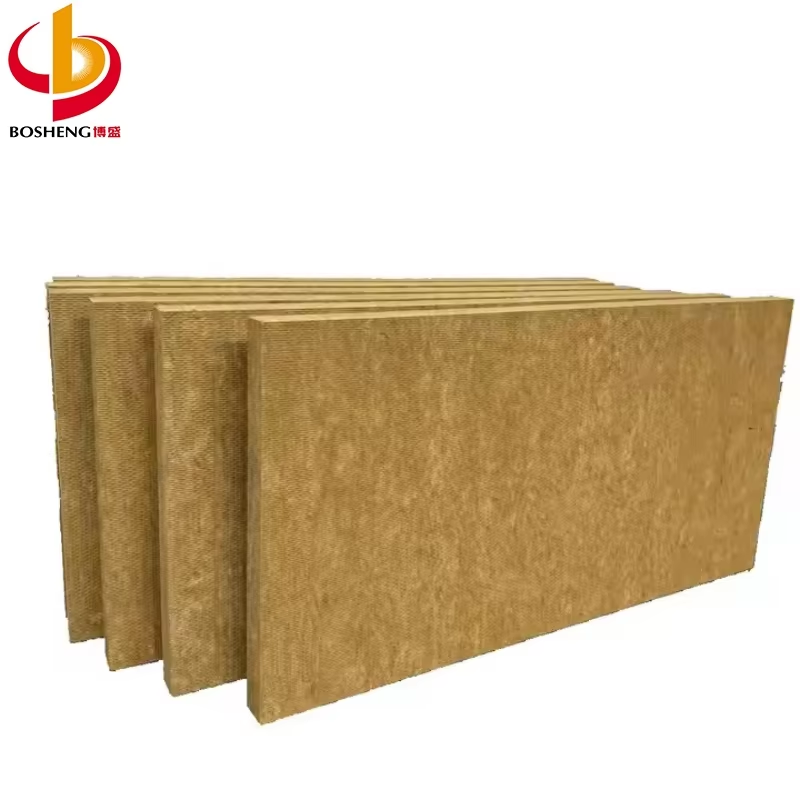
Sound insulation felt density directly influences acoustic performance characteristics, with higher density materials generally providing better low-frequency attenuation and overall sound transmission loss. Typical workspace applications utilize densities ranging from 48 to 96 kilograms per cubic meter, depending on specific performance requirements and installation constraints. The relationship between density and acoustic performance must be balanced against practical considerations including weight loading, installation complexity, and cost effectiveness for different application scenarios.
Thickness selection for sound insulation felt involves optimizing acoustic performance within available installation space while considering frequency-specific attenuation requirements. Thicker materials provide enhanced low-frequency performance but may require modifications to existing construction details or mechanical systems. The optimal thickness specification balances acoustic objectives with architectural integration requirements, ensuring that sound insulation felt installation does not compromise other building system functions or create maintenance access issues.
Fire Safety and Environmental Compliance Considerations
Workspace sound insulation felt materials must meet stringent fire safety standards including flame spread ratings, smoke development indices, and toxic gas emission limits that ensure occupant safety during fire events. Class A fire ratings represent the highest performance level for interior building materials, with surface burning characteristics that limit fire propagation and smoke generation. These safety requirements often influence material selection decisions, particularly in high-occupancy commercial buildings where life safety codes mandate specific performance standards.
Environmental compliance encompasses both indoor air quality considerations and sustainable material sourcing practices that support green building certification programs. Sound insulation felt materials should demonstrate low volatile organic compound emissions, absence of hazardous substances, and recyclable content that contributes to overall building sustainability objectives. These environmental factors increasingly influence specification decisions as organizations prioritize occupant health and environmental responsibility in workplace design strategies.
Installation Techniques for Maximum Effectiveness
Proper Fastening and Support Methods
Effective sound insulation felt installation requires appropriate fastening systems that maintain material integrity while preventing thermal bridging or acoustic bypass paths that compromise performance. Mechanical fasteners must distribute loads evenly across the material surface to prevent compression or tearing that reduces acoustic effectiveness. The fastening pattern should account for material expansion and contraction while ensuring continuous contact with substrate surfaces that prevents air gaps or settling over time.
Support system design considers both immediate installation requirements and long-term performance maintenance needs. Sound insulation felt materials require adequate structural support to prevent sagging or displacement that creates acoustic bypass paths around treatment areas. Proper support spacing and attachment methods ensure that materials remain positioned correctly throughout their service life, maintaining consistent acoustic performance without requiring frequent maintenance interventions or replacement activities.
Achieving Continuous Coverage and Eliminating Gaps
Acoustic performance depends heavily on achieving continuous sound insulation felt coverage without gaps, seams, or penetrations that allow sound bypass around treated areas. Installation techniques must address interface conditions between different building components, including wall-to-ceiling transitions, partition connections, and mechanical penetrations that can create acoustic weak points. Careful attention to these detail conditions ensures that overall system performance meets design expectations rather than being limited by installation deficiencies.
Sealing strategies for sound insulation felt installations involve using compatible acoustic sealants and gaskets that maintain flexibility while providing long-term air sealing performance. These sealing materials must accommodate building movement, temperature cycling, and settling without developing cracks or gaps that compromise acoustic integrity. The sealing approach should integrate seamlessly with the sound insulation felt system to create a unified acoustic barrier that performs consistently over the building's operational life.
Performance Optimization Through Strategic Placement
Targeting Critical Acoustic Transmission Points
Strategic sound insulation felt placement focuses on locations where acoustic transmission occurs most readily, including partition wall cavities, ceiling plenum interfaces, and mechanical system connections. These critical points often represent the weakest links in overall acoustic performance, where relatively small areas of treatment can provide disproportionately large improvements in overall sound control. Understanding these transmission mechanisms allows for efficient use of sound insulation felt materials that maximizes acoustic benefit per unit of material installed.
Flanking path treatment addresses indirect sound transmission routes that bypass primary acoustic barriers through structural connections, ductwork, or electrical conduit systems. Sound insulation felt applications in these secondary pathways prevent acoustic energy from circumventing main treatment areas through alternative transmission routes. This comprehensive approach ensures that acoustic treatment efforts address all significant transmission mechanisms rather than leaving untreated paths that limit overall system effectiveness.
Coordinating with HVAC and Building Systems
HVAC system integration requires careful coordination between sound insulation felt placement and mechanical equipment access requirements, airflow patterns, and thermal performance objectives. Treatment strategies must accommodate routine maintenance activities while maintaining acoustic performance throughout equipment service cycles. The acoustic treatment design should support rather than compromise HVAC system efficiency, ensuring that sound control objectives do not create operational problems or increased energy consumption.
Building system coordination extends to electrical, data, and fire protection systems that may require modifications to accommodate sound insulation felt installations. These integrations must maintain system functionality and code compliance while achieving acoustic performance objectives. Proper planning ensures that acoustic improvements do not create conflicts with other building systems or require costly retrofits to resolve compatibility issues discovered during or after installation.
Maintenance and Long-term Performance Considerations
Establishing Inspection and Maintenance Protocols
Long-term sound insulation felt performance requires regular inspection protocols that identify potential problems before they compromise acoustic effectiveness. Inspection procedures should assess material condition, fastener integrity, seal continuity, and overall system performance through both visual examination and acoustic testing methods. These maintenance activities help ensure that acoustic treatment continues meeting performance objectives throughout the building's operational life cycle.
Maintenance protocols must address both routine care activities and response procedures for addressing acoustic performance degradation or material damage. Documentation systems should track inspection results, maintenance activities, and performance trends that inform future optimization decisions. This systematic approach to maintenance management helps preserve acoustic performance while identifying opportunities for system improvements or upgrades that enhance overall workspace quality.
Adapting to Changing Workspace Requirements
Workspace evolution requires sound insulation felt systems that can adapt to changing layout configurations, technology requirements, and occupancy patterns without requiring complete reinstallation. Modular treatment approaches and flexible installation methods support workspace reconfiguration while maintaining acoustic performance standards. This adaptability ensures that acoustic investments continue providing value as workplace needs evolve over time.
Future optimization opportunities may involve upgrading existing sound insulation felt installations with improved materials or supplementary treatments that enhance performance without disrupting ongoing operations. Planning for these potential improvements during initial installation can reduce future upgrade costs while providing pathways for enhanced acoustic performance as new technologies or materials become available. This forward-thinking approach maximizes the long-term value of acoustic treatment investments.
FAQ
How thick should sound insulation felt be for typical office applications?
Sound insulation felt thickness for office applications typically ranges from 25mm to 100mm, depending on specific acoustic requirements and available installation space. Standard partition wall applications often use 50-75mm thick materials, while ceiling applications may require 25-50mm thickness to fit within plenum space constraints. The optimal thickness balances acoustic performance with practical installation considerations and cost effectiveness.
Can sound insulation felt be installed in existing workspaces without major disruption?
Sound insulation felt can often be installed in existing workspaces with minimal disruption through phased installation approaches that treat specific areas during off-hours or scheduled maintenance periods. Ceiling plenum installations typically cause less disruption than partition treatments, which may require temporary workspace relocation. Proper planning and coordination can minimize operational impact while achieving significant acoustic improvements.
What maintenance is required for sound insulation felt in commercial applications?
Sound insulation felt requires minimal ongoing maintenance in most commercial applications, primarily involving periodic visual inspections to ensure materials remain properly positioned and fastened. Annual inspections should check for signs of settling, damage, or moisture intrusion that could compromise performance. Replacement is typically only necessary if materials become damaged or compressed beyond acceptable limits, which may occur after 15-20 years in normal service conditions.
How does sound insulation felt performance compare to other acoustic treatment options?
Sound insulation felt provides excellent broadband acoustic performance with particularly strong effectiveness in mid to high frequency ranges where speech intelligibility and privacy concerns are most critical. Compared to foam-based treatments, sound insulation felt offers superior durability and fire safety characteristics. While rigid acoustic panels may provide slightly better low-frequency performance, sound insulation felt offers greater installation flexibility and cost effectiveness for large-scale workspace applications.
Table of Contents
- Understanding Workspace Acoustic Requirements
- Material Selection and Specification Strategies
- Installation Techniques for Maximum Effectiveness
- Performance Optimization Through Strategic Placement
- Maintenance and Long-term Performance Considerations
-
FAQ
- How thick should sound insulation felt be for typical office applications?
- Can sound insulation felt be installed in existing workspaces without major disruption?
- What maintenance is required for sound insulation felt in commercial applications?
- How does sound insulation felt performance compare to other acoustic treatment options?