Rock Wool Insulation: Superior Fire-Resistant, Acoustic, and Sustainable Building Solution

Get a Free Quote

Our representative will contact you soon.
Email
Name
Company Name
Message
0/1000

rock wool insulation material

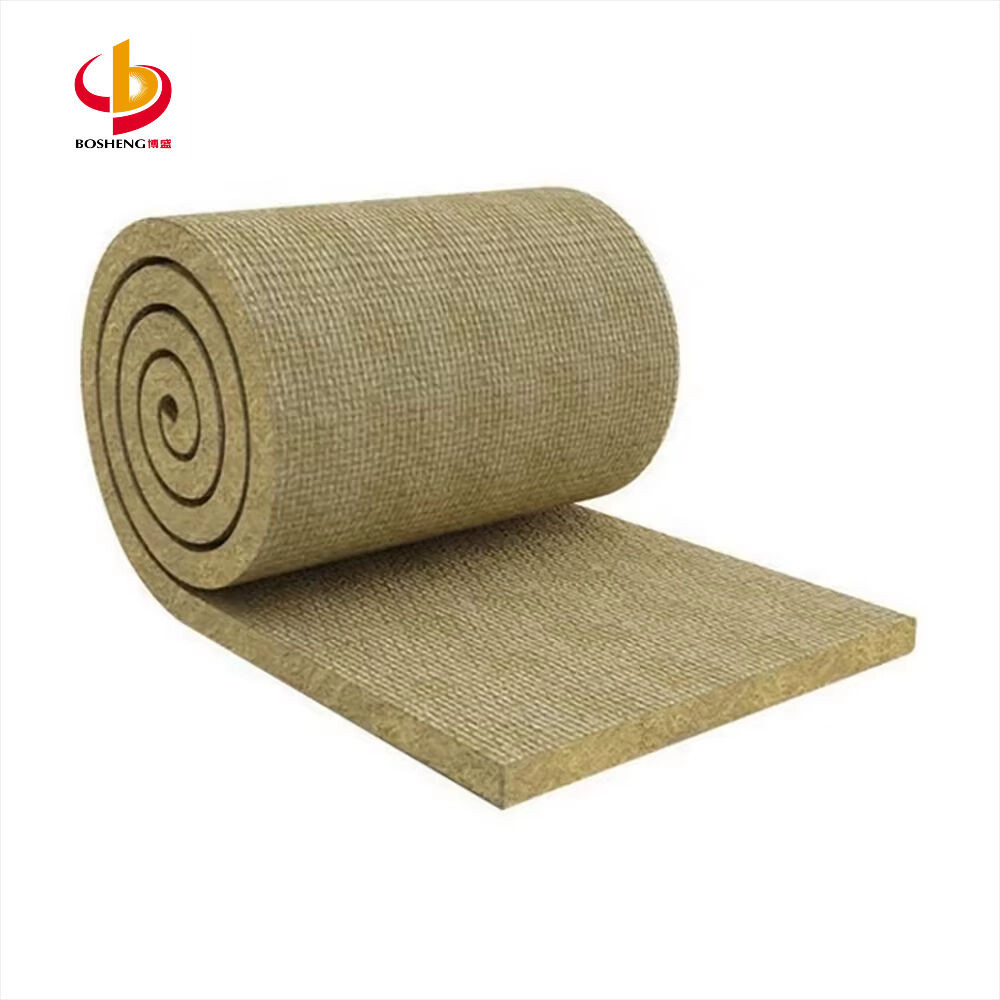
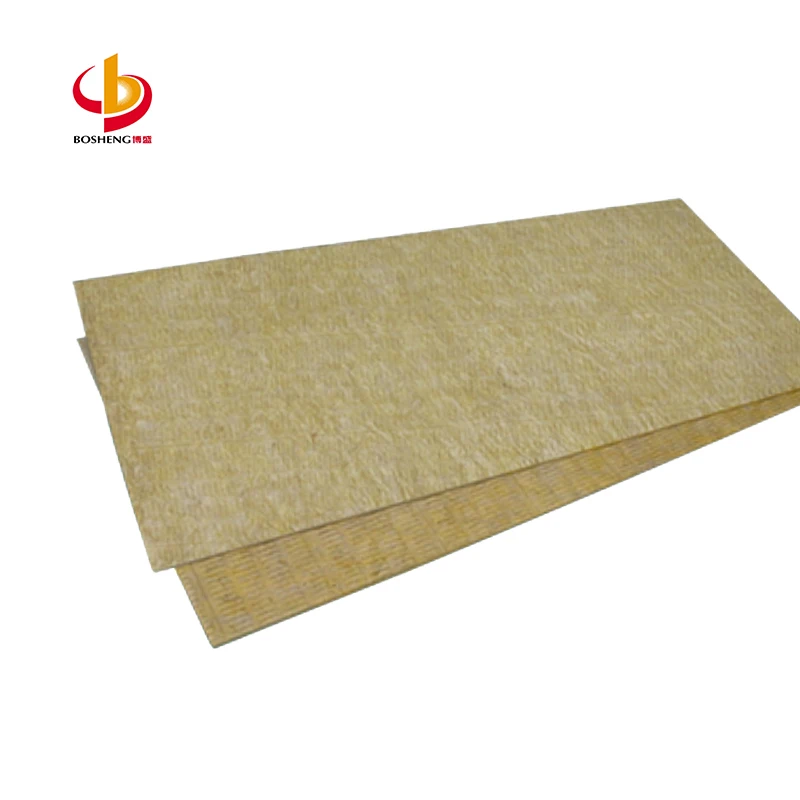
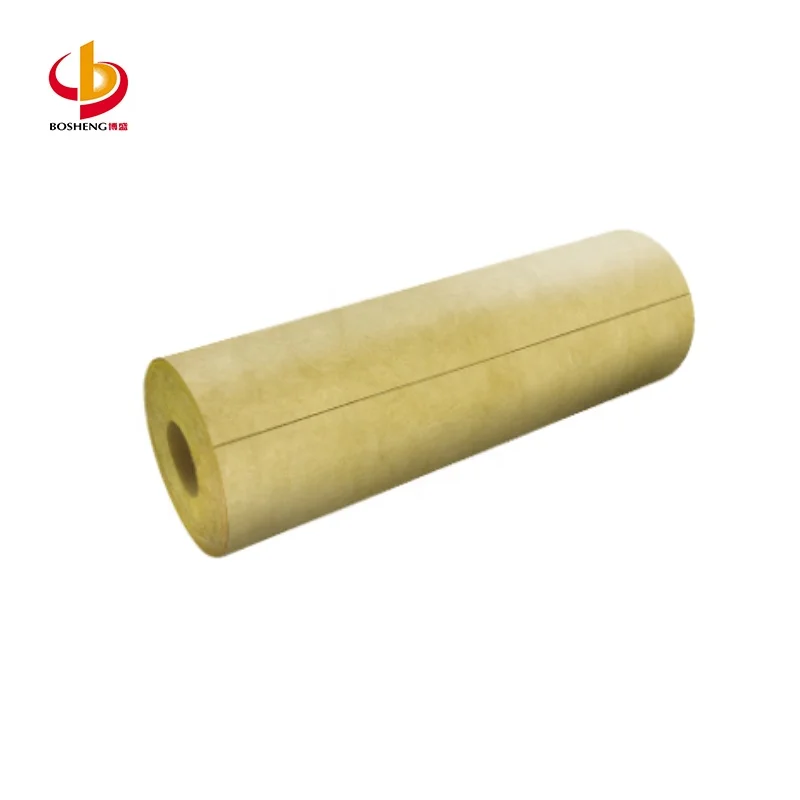
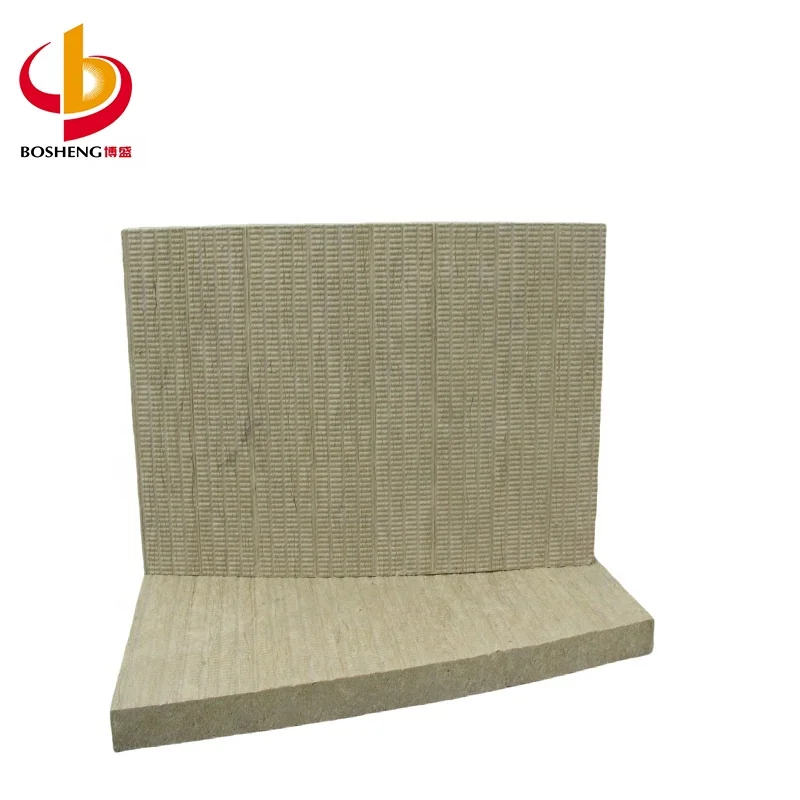
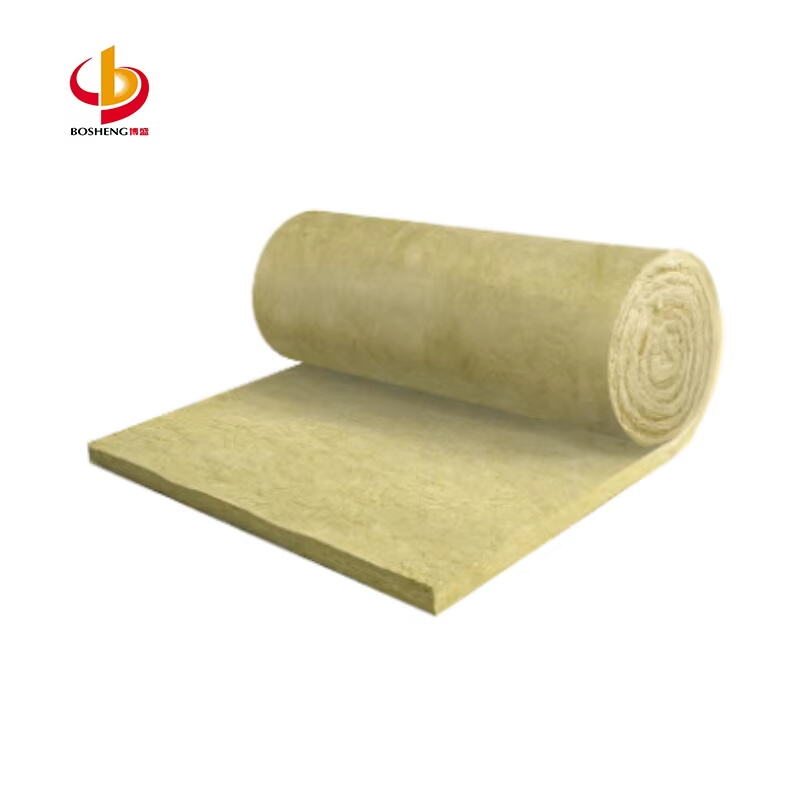
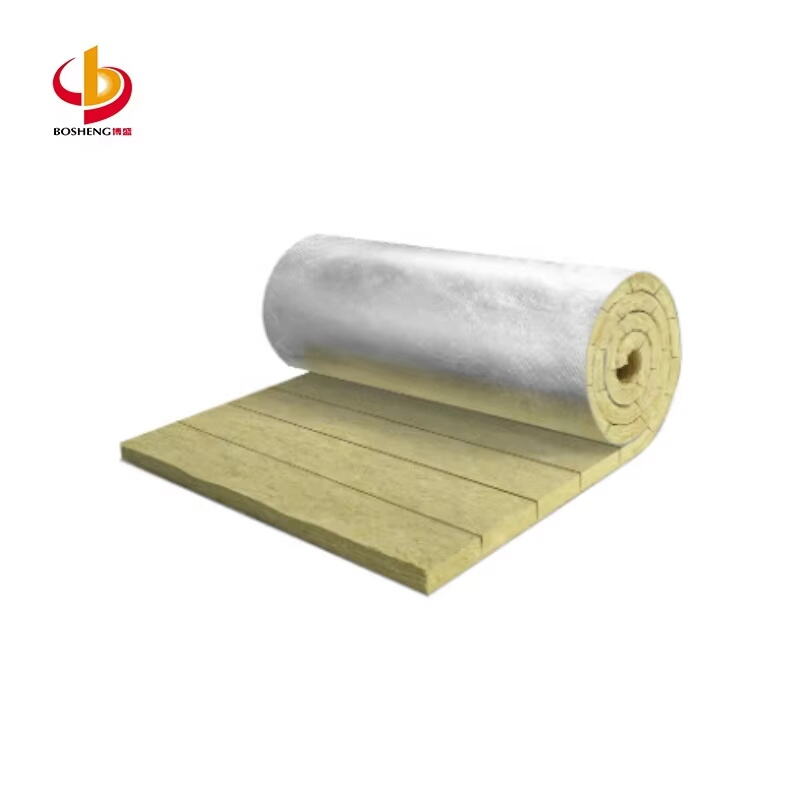
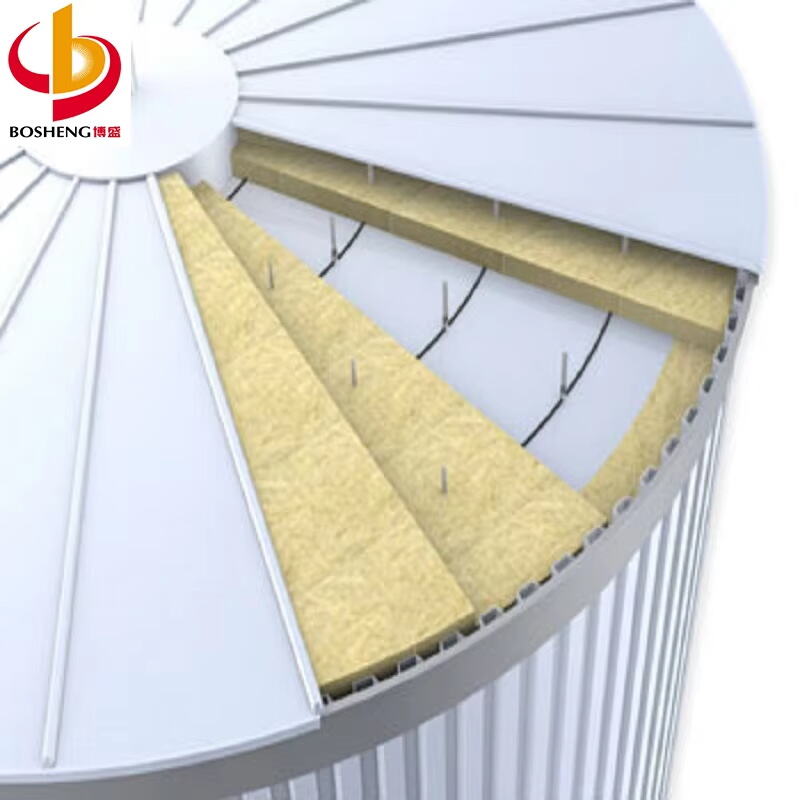
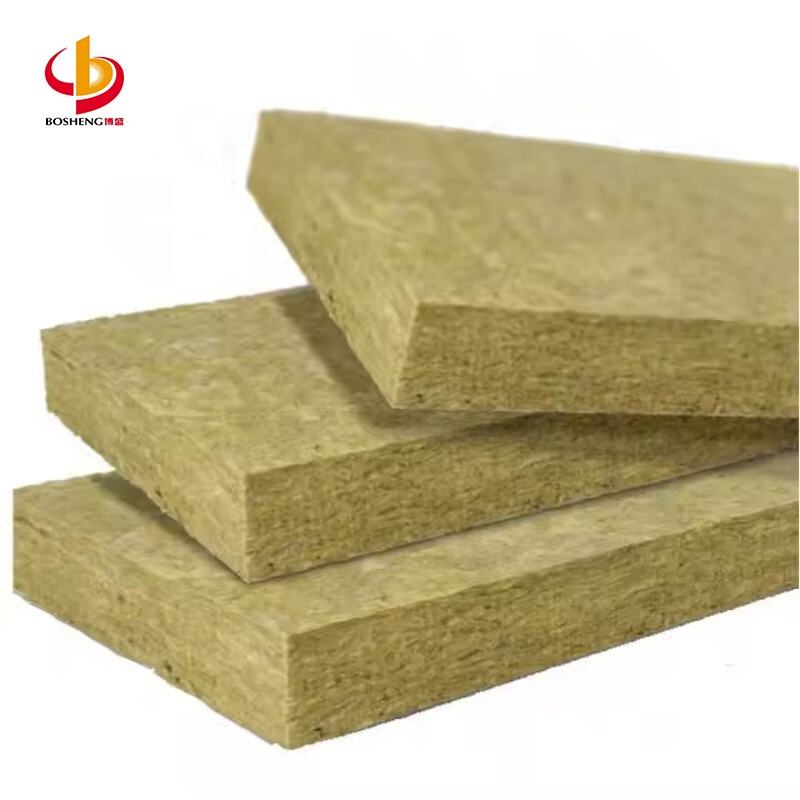
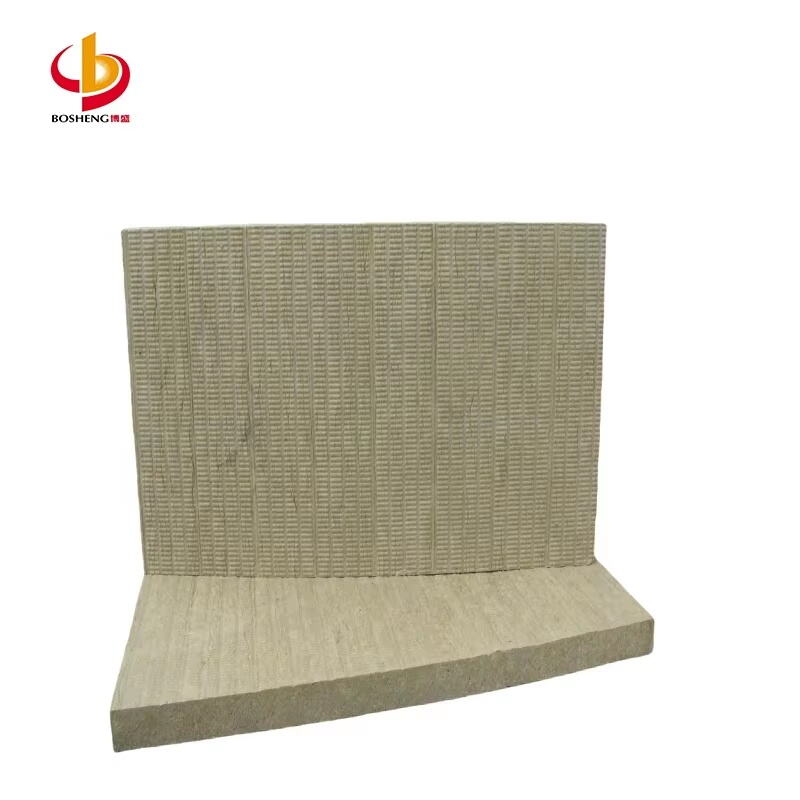
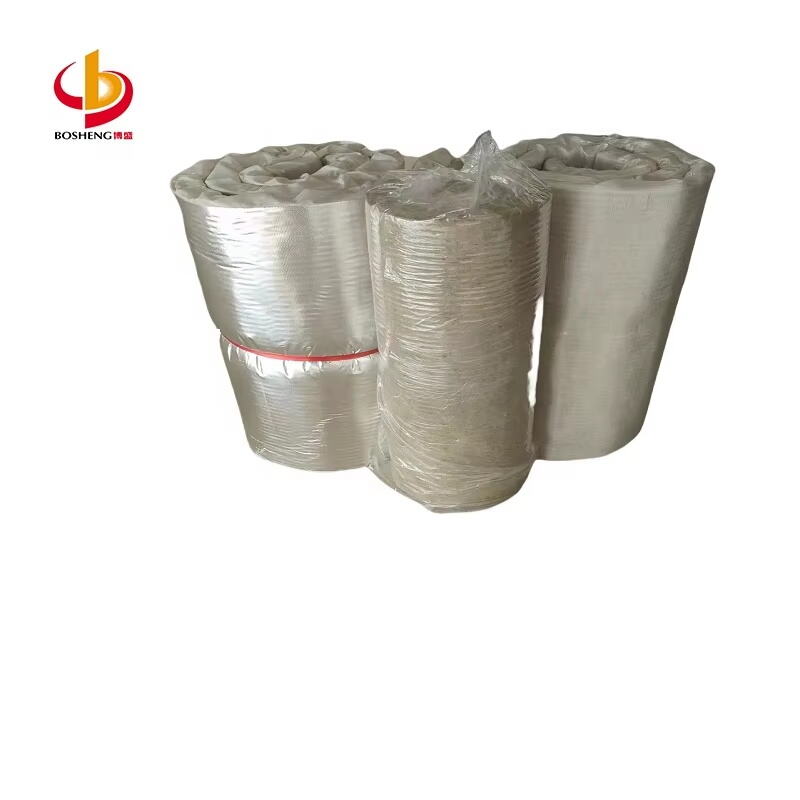
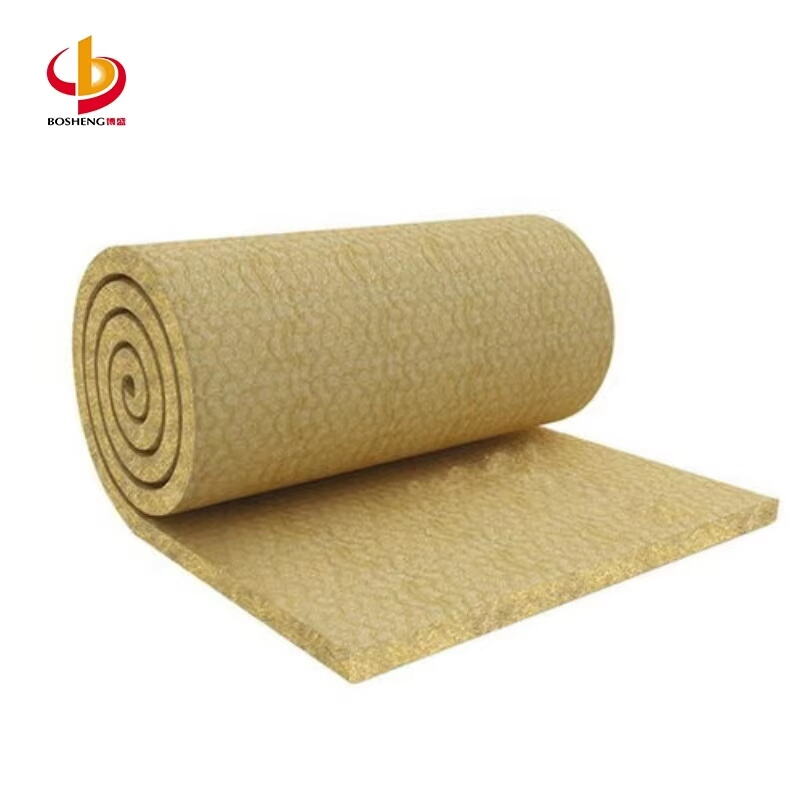
Rock wool insulation material, also known as mineral wool, represents a versatile and highly effective insulation solution derived from natural rock materials. This innovative material is manufactured through an advanced process where natural rocks are melted at extremely high temperatures, approximately 1500°C, then spun into fine fibers that create a dense, wool-like structure. The resulting material exhibits exceptional thermal insulation properties, with the ability to maintain consistent temperature control in both hot and cold conditions. Its unique fiber structure creates countless air pockets that effectively trap heat and reduce thermal transfer. Beyond its primary insulation function, rock wool demonstrates remarkable fire resistance capabilities, as it's inherently non-combustible and can withstand temperatures up to 1000°C. This material excels in sound absorption, making it an ideal choice for acoustic insulation in various applications. The manufacturing process ensures that the final product is dimensionally stable, water-repellent, and resistant to moisture damage, while maintaining its shape and insulation properties over extended periods. Rock wool finds extensive applications in residential construction, commercial buildings, industrial facilities, and technical installations, serving as an effective solution for thermal insulation, fire protection, and acoustic control.


New Product Recommendations

Rock wool insulation offers a comprehensive range of benefits that make it a superior choice for various construction and industrial applications. First and foremost, its exceptional thermal performance significantly reduces energy consumption in buildings, leading to lower heating and cooling costs. The material's fire-resistant properties provide crucial safety advantages, as it acts as an effective fire barrier and doesn't contribute to the spread of flames. This characteristic is particularly valuable in commercial and industrial settings where fire safety is paramount. Another significant advantage is its outstanding acoustic performance, effectively reducing noise transmission between spaces and creating more comfortable environments. The material's durability and longevity ensure that it maintains its performance characteristics throughout the building's lifetime, requiring minimal maintenance. Rock wool's vapor-permeable nature allows buildings to breathe while preventing moisture accumulation, which helps prevent mold growth and maintain healthy indoor air quality. Its environmental credentials are equally impressive, as it's manufactured from abundant natural resources and is fully recyclable at the end of its life cycle. The material's dimensional stability means it won't sag or settle over time, ensuring consistent performance. Installation flexibility is another key advantage, as rock wool can be easily cut and fitted to various spaces and shapes without losing its insulation properties. Its resistance to pests, rodents, and microorganisms adds to its durability and maintenance-free nature. The material's water-repellent properties protect against moisture damage while still allowing vapor transmission, contributing to better building envelope performance.

Latest News

How Can Rock Wool Insulation Rolls Enhance Fire Safety in Homes?

28

Aug

How Can Rock Wool Insulation Rolls Enhance Fire Safety in Homes?

Understanding the Superior Fire Protection Properties of Mineral Wool When it comes to safeguarding homes against fire hazards, the choice of insulation material plays a crucial role in overall building safety. Rock wool insulation rolls have emerged...
View More
What Are Rock Wool Rolls and Why Are They Used in Modern Buildings?

12

Sep

What Are Rock Wool Rolls and Why Are They Used in Modern Buildings?

Understanding the Revolutionary Impact of Mineral Wool Insulation in Contemporary Architecture Modern construction has evolved dramatically over the past decades, with innovative materials playing a crucial role in creating more efficient and sustain...
View More
Selecting Fireproof Rock Insulation Blanket Rolls: What You Need to Know

12

Sep

Selecting Fireproof Rock Insulation Blanket Rolls: What You Need to Know

Understanding the Essential Role of Mineral Wool Insulation in Fire Safety When it comes to protecting buildings and industrial facilities from the devastating effects of fire, a fireproof rock insulation blanket serves as a critical line of defense....
View More
What Makes External Wall Insulation Rock Wool a Smart Choice?

31

Oct

What Makes External Wall Insulation Rock Wool a Smart Choice?

Understanding the Superior Benefits of Mineral Wool for External Walls When it comes to insulating your building's exterior, external wall insulation rock wool stands out as an exceptional solution that combines thermal efficiency, fire safety, and s...
View More

Get a Free Quote

Our representative will contact you soon.
Email
Name
Company Name
Message
0/1000

rock wool insulation material

Superior Fire Protection and Safety

Superior Fire Protection and Safety

Rock wool insulation stands out for its exceptional fire protection capabilities, making it an invaluable component in modern construction safety systems. This material can withstand temperatures up to 1000°C without melting or compromising its structural integrity, providing crucial time for evacuation during fire emergencies. The non-combustible nature of rock wool means it doesn't contribute to fire spread or smoke development, earning it the highest fire safety classifications in building materials. When exposed to intense heat, the material acts as an effective fire barrier, helping to contain fires within compartments and preventing their spread to other areas of the building. This characteristic is particularly vital in commercial and industrial settings where fire safety regulations are stringent. The material's ability to maintain its shape and properties under extreme heat conditions ensures that critical structural elements remain protected during fire events.
Exceptional Acoustic Performance

Exceptional Acoustic Performance

The unique fiber structure of rock wool insulation creates an outstanding sound absorption capability that significantly enhances acoustic comfort in buildings. The material's dense, fibrous composition effectively captures and dissipates sound waves across a wide frequency range, making it particularly effective in reducing airborne noise transmission. This characteristic is especially valuable in modern construction where noise pollution is an increasing concern. The material's acoustic properties help create quieter, more comfortable indoor environments in various settings, from residential spaces to commercial buildings and industrial facilities. Its effectiveness in sound absorption is particularly notable in walls, ceilings, and floor systems, where it can significantly reduce impact noise and airborne sound transmission. The material's ability to maintain its acoustic performance over time ensures long-term noise control solutions for buildings.
Sustainable Environmental Impact

Sustainable Environmental Impact

Rock wool insulation exemplifies environmental responsibility in building materials through its sustainable lifecycle and energy-saving properties. The manufacturing process utilizes abundant natural resources and incorporates recycled materials, reducing the strain on virgin resources. Its long-term durability means less frequent replacement and reduced waste generation over time. The material's thermal insulation properties significantly contribute to building energy efficiency, reducing heating and cooling energy consumption and associated carbon emissions. Rock wool is fully recyclable at the end of its life cycle, supporting circular economy principles in construction. The material's production process has been optimized to minimize environmental impact, with many manufacturers implementing closed-loop systems and energy-efficient technologies. Its role in creating energy-efficient buildings helps reduce the overall carbon footprint of the construction sector.

Get a Free Quote

Our representative will contact you soon.
Email
Name
Company Name
Message
0/1000