
 EN
EN



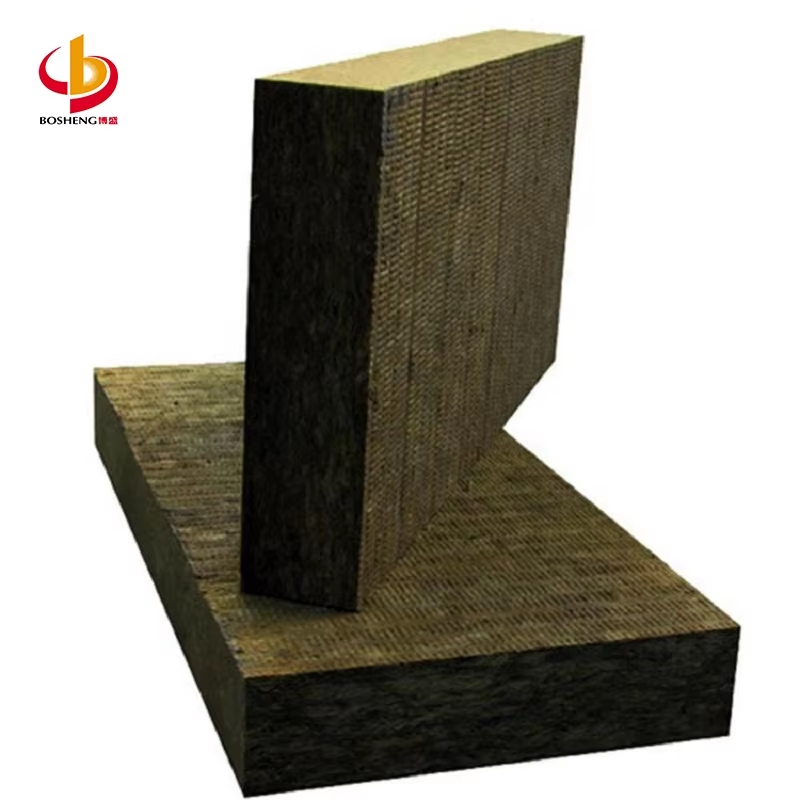
Industrial facilities face unique challenges when it comes to managing noise pollution, thermal efficiency, and fire safety. Among the many insulation materials available, acoustic rock wool has emerged as a superior solution specifically engineered to address the demanding conditions found in manufacturing plants, power generation facilities, petrochemical refineries, and heavy industrial operations. This mineral fiber insulation combines exceptional sound absorption properties with outstanding thermal performance and fire resistance, making it an indispensable component in modern industrial design and retrofitting projects.
The industrial environment presents a complex set of requirements that generic insulation materials simply cannot meet effectively. From the relentless vibrations of heavy machinery to the extreme temperatures of boilers and furnaces, from the corrosive atmospheres of chemical processing to the stringent safety regulations governing worker health and building codes, every aspect demands materials that perform reliably under stress. Understanding what makes acoustic rock wool particularly well-suited for these demanding applications requires examining its unique composition, physical properties, installation advantages, and long-term performance characteristics in real-world industrial settings.
Structural Composition and Manufacturing Excellence
Advanced Mineral Fiber Architecture
The effectiveness of acoustic rock wool in industrial environments begins with its fundamental structure. Manufactured from natural basalt rock and recycled slag that undergo melting at temperatures exceeding 1400 degrees Celsius, the material is spun into fine fibers that interlock to create a dense yet porous matrix. This manufacturing process produces fibers with diameters typically ranging from 3 to 8 microns, creating millions of tiny air pockets throughout the material. These microscopic voids are critical to the insulation's performance, as they trap both sound waves and thermal energy while maintaining structural integrity under compression and vibration.
The fiber orientation in quality acoustic rock wool is carefully controlled during production to optimize both acoustic and thermal properties. Unlike randomly arranged fibers, industrial-grade products feature a semi-aligned structure that enhances dimensional stability while maximizing the surface area available for sound wave interaction. This engineered architecture allows the material to absorb sound energy across a broad frequency spectrum, particularly effective in the mid to high frequency ranges where industrial machinery generates the most problematic noise. The density gradient within the material can be precisely controlled during manufacturing, enabling customization for specific industrial applications.
Binding Systems and Durability Enhancement
Industrial applications demand insulation materials that maintain their properties over decades of continuous exposure to harsh conditions. The binding agents used in acoustic rock wool are specifically formulated thermosetting resins that cure during the manufacturing process to create permanent bonds between fibers. These binders resist degradation from moisture, chemical exposure, and thermal cycling, ensuring that the material retains its acoustic and thermal performance throughout its service life. The minimal binder content, typically only 3 to 5 percent by weight, means that the material remains predominantly inorganic and non-combustible.
Advanced formulations incorporate hydrophobic treatments that repel water while allowing vapor permeability, a critical characteristic for industrial installations where condensation control is essential. The water repellency prevents moisture absorption that would otherwise compromise thermal performance and increase weight loading on supporting structures. In chemical processing environments, specialized surface treatments can provide additional resistance to oils, solvents, and corrosive atmospheres, extending the material's effective lifespan even in the most aggressive industrial settings. This combination of chemical and physical durability ensures that acoustic rock wool maintains its dimensional stability and performance characteristics despite the challenging conditions typical of industrial operations.
Superior Acoustic Performance in High-Noise Environments
Sound Absorption Across Critical Frequency Ranges
Industrial facilities generate complex noise signatures that span a wide frequency spectrum, from the low-frequency rumble of large rotating equipment to the high-frequency whine of cutting tools and compressed air systems. The effectiveness of acoustic rock wool stems from its ability to absorb sound energy across this entire range, with particularly strong performance in the frequencies most problematic for worker safety and environmental compliance. When sound waves enter the porous structure, they cause air molecules within the countless fiber interstices to vibrate, converting acoustic energy into minute amounts of heat through friction. This energy conversion mechanism is remarkably efficient, with high-quality products achieving noise reduction coefficients exceeding 0.90 in optimal frequency ranges.
The thickness and density of acoustic rock wool can be selected to target specific noise problems within an industrial facility. Thicker installations with densities ranging from 60 to 100 kilograms per cubic meter provide excellent low-frequency absorption, addressing the deep rumble from large motors, compressors, and HVAC systems. Medium-density configurations excel at mid-frequency absorption, the range where human hearing is most sensitive and where much industrial equipment noise concentrates. Even high-frequency noise from pneumatic tools, valve releases, and metal-on-metal contact is effectively dampened by properly specified acoustic rock wool installations, creating a comprehensive noise management solution.
Reverberation Control and Speech Intelligibility
Beyond simply reducing noise levels, acoustic rock wool plays a vital role in controlling reverberation time within large industrial spaces. Reverberation occurs when sound waves reflect repeatedly off hard surfaces like concrete floors, metal walls, and machinery housings, creating an echoing effect that obscures communication and increases perceived noise levels. By installing acoustic rock wool panels on walls, ceilings, and equipment enclosures, facilities can dramatically reduce reverberation time, making verbal communication clearer and alarm signals more readily distinguishable. This improvement in speech intelligibility is not merely a comfort issue but a critical safety factor in environments where workers must hear warnings, instructions, and emergency signals.
The material's effectiveness in reducing reverberation extends to its use in creating acoustic barriers and enclosures around particularly noisy equipment. When combined with mass-loaded barriers or metal facings, acoustic rock wool forms composite assemblies that both block sound transmission and absorb reflected energy, preventing noise from propagating throughout the facility. These engineered solutions can achieve sound transmission class ratings exceeding STC 50, sufficient to isolate even extremely loud operations from adjacent work areas. The flexibility of acoustic rock wool allows it to be fabricated into complex shapes and configurations, enabling acoustic treatment of curved surfaces, irregular geometries, and equipment with multiple protrusions and access points.
Thermal Insulation and Energy Efficiency Benefits
Exceptional Temperature Resistance and Stability
The mineral composition of acoustic rock wool provides inherent thermal stability across an extremely wide temperature range, making it suitable for applications from cryogenic systems to high-temperature industrial processes. The material maintains its structural integrity and insulating properties at continuous operating temperatures up to 750 degrees Celsius, with short-term exposure capability extending even higher. This temperature resilience is essential in industrial environments where equipment surfaces can reach extreme temperatures, such as boiler casings, furnace walls, steam pipes, and exhaust systems. Unlike organic insulation materials that degrade, melt, or release toxic fumes at elevated temperatures, acoustic rock wool remains stable and effective.
The thermal conductivity of acoustic rock wool typically ranges from 0.033 to 0.040 watts per meter-kelvin at mean temperatures of 10 degrees Celsius, providing excellent resistance to heat flow. This low thermal conductivity translates directly into energy savings by reducing heat loss from hot processes and preventing heat gain in cooled systems. In industrial facilities where energy costs represent a significant operational expense, the thermal performance of acoustic rock wool contributes measurably to improved efficiency and reduced carbon footprint. The material's thermal properties remain stable over time, without the degradation or settling that can compromise the performance of some other insulation types, ensuring that energy savings persist throughout the installation's service life.
Condensation Control and Moisture Management
Industrial processes frequently involve equipment operating at temperatures below the ambient dew point, creating conditions where condensation can form on cold surfaces. This condensation poses multiple problems including corrosion of metal substrates, degradation of equipment performance, safety hazards from dripping water, and potential for mold growth. The application of acoustic rock wool with appropriate vapor barriers effectively prevents condensation by maintaining surface temperatures above the dew point. The material's vapor permeability characteristics can be engineered through facing selections and installation details to manage moisture migration while preventing accumulation within the insulation system.
The hydrophobic treatment applied to industrial-grade acoustic rock wool ensures that any moisture that does contact the material does not compromise its thermal or acoustic performance. Water droplets bead on the fiber surfaces rather than being absorbed, and any incidental moisture that enters the insulation can migrate through the vapor-permeable structure to evaporate at boundaries. This moisture management capability is particularly valuable in humid industrial environments, outdoor installations, and applications subject to occasional wetting from cleaning operations or process upsets. The non-wicking nature of acoustic rock wool prevents water from spreading through the insulation, localizing any moisture problems and facilitating rapid drying when conditions permit.
Fire Safety and Regulatory Compliance Advantages
Non-Combustible Classification and Fire Resistance
Fire safety is paramount in industrial facilities where flammable materials, ignition sources, and complex evacuation challenges create significant risk. The inherently non-combustible nature of acoustic rock wool provides a critical layer of passive fire protection that can slow fire spread, protect structural elements, and provide additional evacuation time in emergency situations. Classified as Euroclass A1 non-combustible according to EN 13501-1 or meeting similar standards in other regulatory frameworks, acoustic rock wool will not ignite, support flame spread, or contribute fuel to a fire. This classification represents the highest level of fire performance, making the material suitable for the most stringent fire safety applications.
When exposed to fire, acoustic rock wool maintains its structural integrity much longer than many alternative insulation materials, continuing to provide thermal protection to underlying structures and contained equipment. The material does not melt or drip, preventing the formation of flaming droplets that could spread fire to lower levels or ignite materials below. Testing has demonstrated that properly installed acoustic rock wool can maintain its fire resistance performance for several hours, sufficient to exceed the fire ratings required by most building codes and industrial safety standards. This extended fire resistance is particularly valuable in protecting critical infrastructure like emergency power systems, control rooms, and evacuation routes.
Smoke Development and Toxic Emission Characteristics
Beyond direct fire resistance, the smoke generation characteristics of building materials significantly impact life safety during fire events. Acoustic rock wool produces essentially no smoke when exposed to fire, as its inorganic composition contains no organic compounds to combust or pyrolyze. This minimal smoke production preserves visibility along evacuation routes and reduces the inhalation hazard to occupants and firefighters. In industrial settings where chemical storage and processing already create potential toxic smoke hazards, using non-smoke-producing insulation materials like acoustic rock wool reduces the overall risk profile.
The material also generates no toxic gases during fire exposure, contrasting sharply with many polymer-based insulation products that release dangerous compounds including hydrogen cyanide, carbon monoxide, and halogenated species when they burn. This absence of toxic emissions is particularly important in industrial facilities where workers may be concentrated in limited areas and where complex layouts can impede rapid evacuation. Regulatory bodies increasingly recognize the importance of limiting toxic gas generation, and specifications for critical industrial facilities often mandate non-combustible insulation materials like acoustic rock wool precisely because of these superior life safety characteristics during fire events.
Installation Flexibility and Long-Term Performance
Adaptability to Complex Industrial Geometries
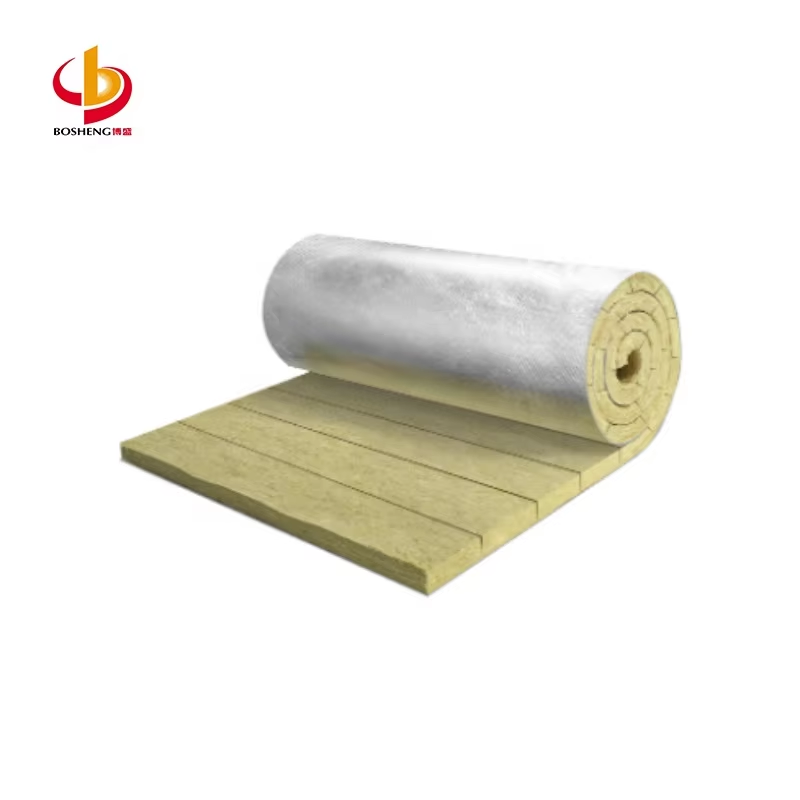
Industrial equipment and structures present installation challenges rarely encountered in commercial or residential construction. Curved surfaces, irregular shapes, penetrations for piping and electrical conduit, and limited access spaces all complicate insulation installation. The physical properties of acoustic rock wool provide significant advantages in these demanding applications. The material can be supplied in various forms including batts, boards, blankets, pipe sections, and loose fill, each optimized for specific installation scenarios. Semi-rigid boards can be cut, shaped, and friction-fitted into irregular spaces, while flexible blankets conform to curved surfaces and can be wrapped around cylindrical equipment.
The compressive strength of acoustic rock wool allows it to support its own weight in vertical applications and resist damage from incidental contact during installation and subsequent maintenance activities. Higher-density grades provide sufficient rigidity to be self-supporting in some applications, reducing or eliminating the need for mechanical fasteners that can create thermal bridges and acoustic flanking paths. The material's resilience allows it to compress during installation and then recover to fill gaps and maintain continuous contact with surfaces, ensuring optimal thermal and acoustic performance. This combination of rigidity and flexibility makes acoustic rock wool uniquely suited to the geometric complexity typical of industrial installations.
Durability Under Vibration and Mechanical Stress
Industrial equipment generates constant vibration that can cause some insulation materials to settle, compact, or disintegrate over time, creating gaps that compromise thermal and acoustic performance. The fibrous structure of acoustic rock wool, reinforced by thermosetting binders, provides excellent resistance to vibration-induced degradation. The material maintains its loft and density even when subject to continuous mechanical stress, ensuring that performance characteristics remain stable throughout decades of service. This vibration resistance is particularly important when insulating rotating equipment, reciprocating machinery, and structures subject to operational loads.
The dimensional stability of acoustic rock wool under thermal cycling further contributes to its long-term performance. As equipment temperatures fluctuate during startup, operation, and shutdown cycles, insulation materials expand and contract. Materials with high coefficients of thermal expansion can work loose from their mountings or create gaps at joints and penetrations. The minimal thermal expansion of acoustic rock wool ensures that installations remain secure and continuous despite repeated thermal cycling. Combined with its resistance to chemical attack, moisture absorption, and biological degradation, this dimensional stability makes acoustic rock wool a genuinely low-maintenance solution that continues performing effectively for the entire service life of industrial facilities, often exceeding 30 years without requiring replacement.
Environmental Profile and Sustainability Considerations
Modern industrial facilities increasingly prioritize environmental sustainability in material selection, considering factors including recycled content, embodied energy, emissions during use, and end-of-life disposal options. Acoustic rock wool aligns well with these sustainability objectives through multiple attributes. The raw materials include significant recycled content, typically 20 to 40 percent, incorporating slag from steel production that would otherwise require disposal. The manufacturing process, while energy-intensive due to the high temperatures required for melting rock, has become increasingly efficient with modern furnace designs and heat recovery systems.
During its service life, acoustic rock wool contributes to facility sustainability by reducing energy consumption through superior thermal insulation and by improving working conditions through effective noise control. The material emits no volatile organic compounds during installation or use, maintaining excellent indoor air quality. At end of life, acoustic rock wool can be removed, granulated, and incorporated into new production runs, supporting circular economy principles. Unlike many alternative insulation materials that create disposal challenges, acoustic rock wool does not degrade into microplastics, does not contain substances of very high concern under chemical regulations, and poses minimal environmental risk if landfilled. This comprehensive environmental profile increasingly influences material selection decisions in industrial projects pursuing green building certifications and corporate sustainability goals.
FAQ
What density of acoustic rock wool is recommended for typical industrial noise control applications?
For most industrial noise control applications, acoustic rock wool with densities between 60 and 80 kilograms per cubic meter provides an optimal balance of acoustic absorption, thermal insulation, and cost-effectiveness. Lower densities around 40 to 50 kilograms per cubic meter work well for ceiling applications where weight is a concern and where absorption of mid to high frequencies is the primary objective. Higher densities from 80 to 120 kilograms per cubic meter are specified when enhanced low-frequency absorption is needed, when the material must support facings or barriers, or when installations are subject to airflow that might erode lower-density products. The specific density selection should be based on acoustic modeling of the particular facility and noise sources.
Can acoustic rock wool be installed directly against hot surfaces without additional protection?
Acoustic rock wool can be installed directly against surfaces operating at temperatures up to approximately 250 degrees Celsius without additional heat shields, provided the surface is dry and free from oils or other contaminants. For higher temperature applications, such as boiler casings or furnace walls operating above 400 degrees Celsius, best practice involves installing a ventilated air gap or using specialized high-temperature facing materials to protect the insulation from direct radiant heat and to prevent binder degradation. In applications involving direct flame impingement or radiant heat sources exceeding 500 degrees Celsius, manufacturers typically recommend using unfaced, high-temperature grades with minimal binder content, and ensuring that installation details prevent the material from directly contacting the highest temperature zones.
How does the acoustic performance of rock wool compare to foam-based insulation materials in industrial settings?
Acoustic rock wool generally provides superior sound absorption performance compared to closed-cell foam insulation materials across most frequency ranges relevant to industrial applications. The open, porous structure of rock wool allows sound waves to penetrate deeply into the material where energy is dissipated through friction, whereas closed-cell foams primarily reflect sound at their surfaces with limited absorption. Open-cell foam products can approach the acoustic performance of rock wool in some frequency ranges, but they lack the fire resistance, temperature stability, and moisture resistance required for many industrial applications. For comprehensive noise control in industrial environments, acoustic rock wool offers better broad-spectrum absorption, particularly for low-frequency noise, along with the durability and safety characteristics that industrial conditions demand.
What maintenance or inspection requirements apply to acoustic rock wool insulation in industrial facilities?
Properly installed acoustic rock wool requires minimal maintenance in most industrial applications, though periodic inspection is prudent to verify that installations remain intact and effective. Inspection intervals typically range from annual visual checks in benign environments to quarterly examinations in harsh chemical or high-vibration settings. Inspections should verify that facing materials and weather barriers remain sealed, that mechanical fasteners are secure, that no moisture intrusion or contamination has occurred, and that the insulation has not been damaged by maintenance activities or operational incidents. Any sections showing compression, displacement, contamination with oils or process materials, or damage from impacts should be repaired or replaced promptly. Unlike some insulation types that degrade predictably with age, acoustic rock wool typically maintains its properties indefinitely when protected from moisture and mechanical damage, often remaining fully functional for the entire operational life of industrial facilities.
Table of Contents
- Structural Composition and Manufacturing Excellence
- Superior Acoustic Performance in High-Noise Environments
- Thermal Insulation and Energy Efficiency Benefits
- Fire Safety and Regulatory Compliance Advantages
- Installation Flexibility and Long-Term Performance
-
FAQ
- What density of acoustic rock wool is recommended for typical industrial noise control applications?
- Can acoustic rock wool be installed directly against hot surfaces without additional protection?
- How does the acoustic performance of rock wool compare to foam-based insulation materials in industrial settings?
- What maintenance or inspection requirements apply to acoustic rock wool insulation in industrial facilities?