DIY Soundproofing Walls: Professional-Grade Noise Reduction for Your Space

Get a Free Quote

Our representative will contact you soon.
Email
Name
Company Name
Message
0/1000

diy soundproofing walls

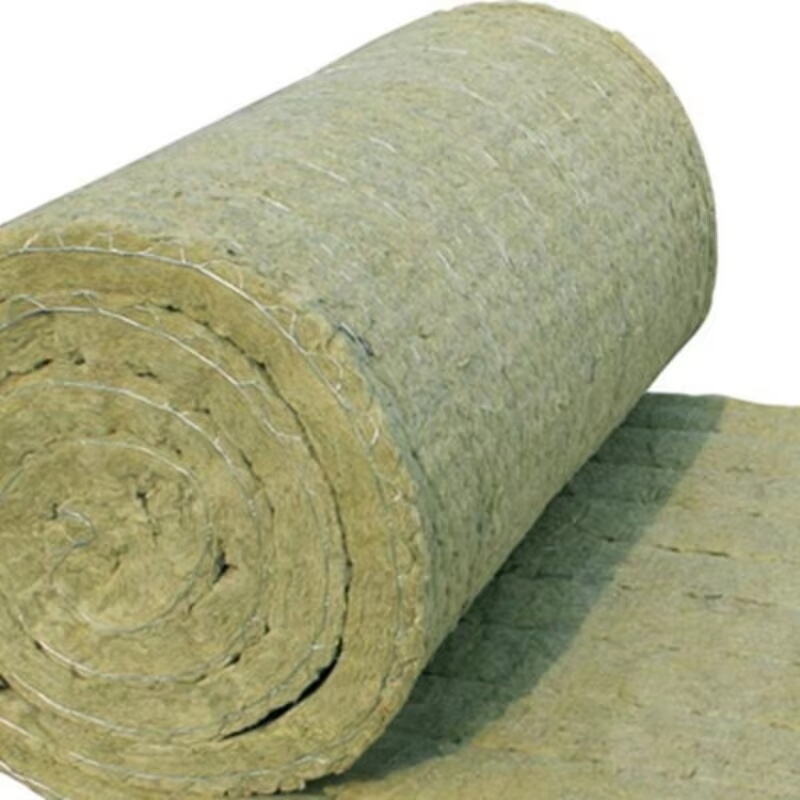
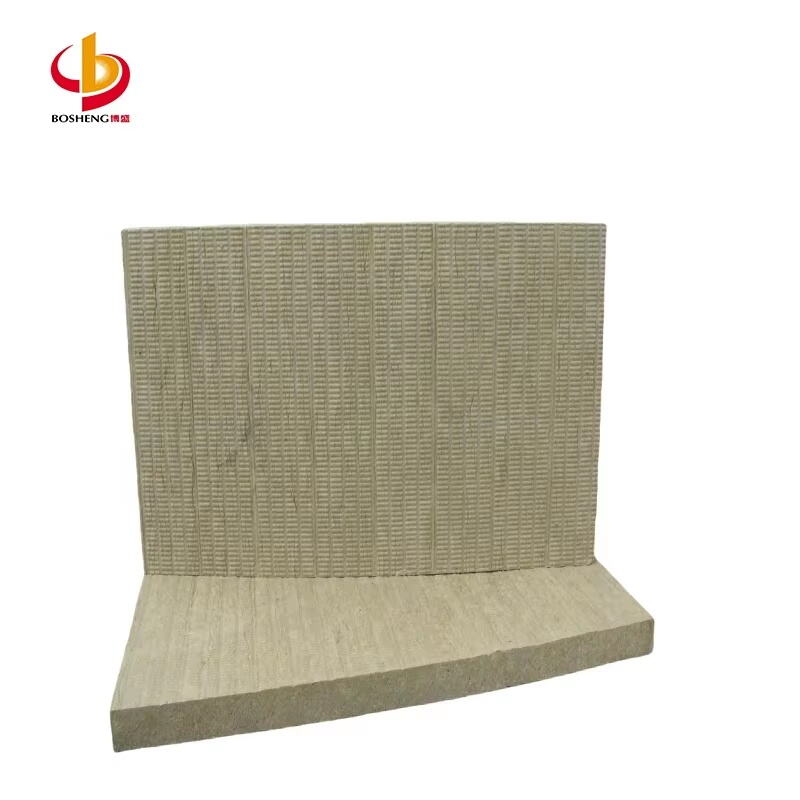
DIY soundproofing walls represent a cost-effective and practical solution for creating quieter spaces in homes, offices, or studios. This innovative approach combines various materials and techniques to reduce noise transmission through walls effectively. The system typically consists of multiple layers, including mass-loaded vinyl, acoustic panels, resilient channels, and sound-dampening insulation materials. These components work together to absorb, deflect, and minimize sound waves, creating a significant reduction in noise transfer between spaces. The technology behind DIY soundproofing relies on the principle of sound wave disruption and absorption, where different materials target specific frequency ranges. The application process involves strategic layering of materials, starting with the existing wall structure and building outward. Users can customize their soundproofing solution based on their specific needs, whether it's blocking external noise, reducing sound transmission between rooms, or creating an ideal acoustic environment for music or media rooms. The system's versatility allows for implementation in both new construction and retrofit applications, making it an accessible solution for various scenarios. Modern DIY soundproofing materials are designed to be user-friendly, allowing for installation without specialized tools or extensive construction experience.


New Product Releases

DIY soundproofing walls offer numerous compelling advantages that make them an attractive solution for noise control. First and foremost, the cost-effectiveness of the DIY approach allows homeowners and businesses to achieve professional-level sound isolation at a fraction of the cost of professional installation. The flexibility in material selection enables users to tailor their soundproofing solution to their specific budget and noise reduction requirements. Another significant advantage is the ability to implement the system gradually, room by room, spreading the cost and effort over time. The materials used in DIY soundproofing are generally lightweight and easy to handle, reducing the need for specialized equipment or professional assistance. Most components can be cut and installed using basic tools, making the project accessible to those with basic DIY skills. The modular nature of DIY soundproofing systems allows for easy modifications or upgrades as needs change or technology advances. Additionally, many soundproofing materials serve multiple purposes, such as providing thermal insulation alongside noise reduction, increasing the overall value proposition. The non-permanent nature of some DIY solutions means they can be particularly appealing to renters or those who may need to modify the installation in the future. The ability to customize the level of soundproofing by adding or removing layers provides users with complete control over their acoustic environment. Furthermore, modern DIY soundproofing materials are typically eco-friendly and safe to handle, making them an environmentally conscious choice for noise control.

Practical Tips

Selecting Fireproof Rock Insulation Blanket Rolls: What You Need to Know

12

Sep

Selecting Fireproof Rock Insulation Blanket Rolls: What You Need to Know

Understanding the Essential Role of Mineral Wool Insulation in Fire Safety When it comes to protecting buildings and industrial facilities from the devastating effects of fire, a fireproof rock insulation blanket serves as a critical line of defense....
View More
What Applications Benefit Most from Fireproof Rock Insulation Blanket Rolls?

12

Sep

What Applications Benefit Most from Fireproof Rock Insulation Blanket Rolls?

The Essential Guide to Fire Protection Through Mineral Wool Insulation In today's industrial and commercial environments, fire safety remains a paramount concern. Fireproof rock insulation blanket rolls have emerged as a critical component in protect...
View More
What Factors Should You Consider When Selecting Rock Wool Acoustic Insulation?

31

Oct

What Factors Should You Consider When Selecting Rock Wool Acoustic Insulation?

Essential Guidelines for Choosing High-Performance Acoustic Insulation Materials The selection of rock wool acoustic insulation plays a pivotal role in achieving optimal sound control and thermal performance in any building project. Whether you're wo...
View More
Where Are Rock Insulation Blanket Rolls Most Commonly Applied?

31

Oct

Where Are Rock Insulation Blanket Rolls Most Commonly Applied?

Understanding the Versatility of Mineral Wool Insulation Solutions Rock insulation blanket rolls have become increasingly essential in modern construction and industrial applications, offering superior thermal protection and fire resistance propertie...
View More

Get a Free Quote

Our representative will contact you soon.
Email
Name
Company Name
Message
0/1000

diy soundproofing walls

Superior Noise Reduction Capabilities

Superior Noise Reduction Capabilities

The DIY soundproofing wall system achieves exceptional noise reduction through its multi-layered approach to sound control. The combination of mass-loaded vinyl, acoustic panels, and sound-dampening insulation creates a comprehensive barrier that effectively reduces sound transmission across a wide range of frequencies. The system's design incorporates both sound absorption and sound blocking techniques, addressing both airborne and structure-borne noise. This dual-action approach ensures that various types of noise, from low-frequency bass to high-frequency sounds, are effectively managed. The layered construction creates multiple barriers that sound waves must traverse, losing energy at each interface and resulting in significant noise reduction. Independent testing has shown that properly installed DIY soundproofing can reduce noise levels by up to 70%, making it comparable to professional solutions at a fraction of the cost.
Cost-Effective Installation Process

Cost-Effective Installation Process

The DIY approach to soundproofing walls represents a significant cost saving compared to professional installation services. The materials required are readily available through various suppliers, allowing for competitive pricing and the ability to shop for the best deals. The straightforward installation process eliminates labor costs, which typically account for a substantial portion of professional soundproofing projects. The modular nature of DIY systems allows for phased implementation, spreading the cost over time while still achieving effective results at each stage. The tools required for installation are common household items or can be rented at minimal cost, further reducing the overall investment. Additionally, the durability of modern soundproofing materials ensures long-term performance without the need for frequent maintenance or replacement, making it a cost-effective long-term solution.
Versatile Application Methods

Versatile Application Methods

DIY soundproofing walls offer remarkable versatility in their application methods, making them suitable for various scenarios and requirements. The system can be adapted to work with different wall constructions, including drywall, concrete, and wooden structures. The installation process can be customized based on the specific noise issues being addressed, whether it's external noise pollution, room-to-room sound transfer, or creating an isolated space for specific activities. The modular nature of the components allows for different combinations of materials to achieve the desired level of sound isolation. Installation can be performed on existing walls without the need for major structural modifications, making it ideal for both new construction and renovation projects. The system's adaptability extends to aesthetic considerations, as the final layer can be finished with standard wall treatments, maintaining the desired interior design scheme.

Get a Free Quote

Our representative will contact you soon.
Email
Name
Company Name
Message
0/1000