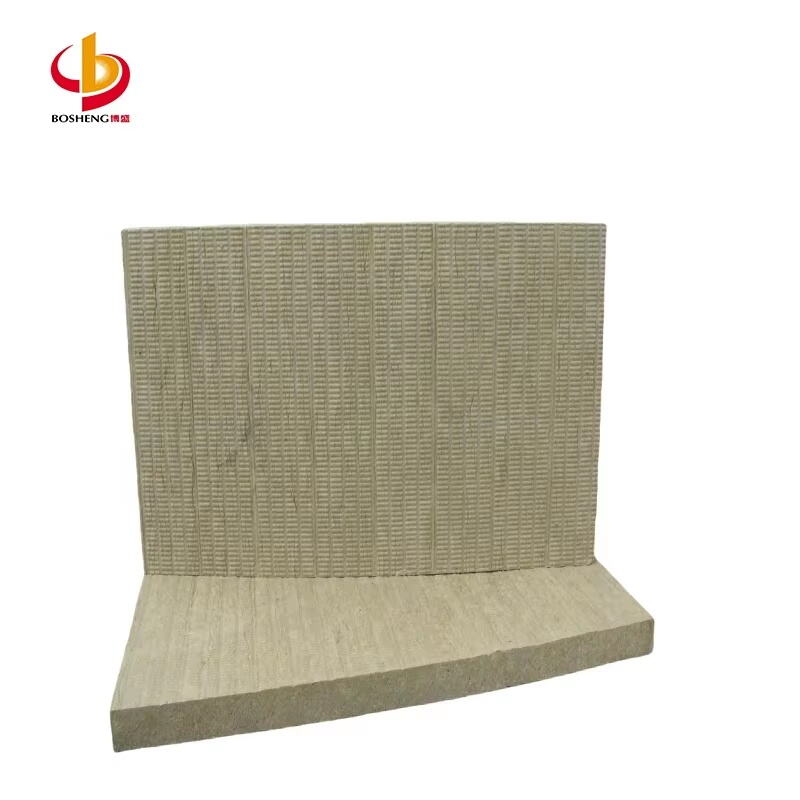
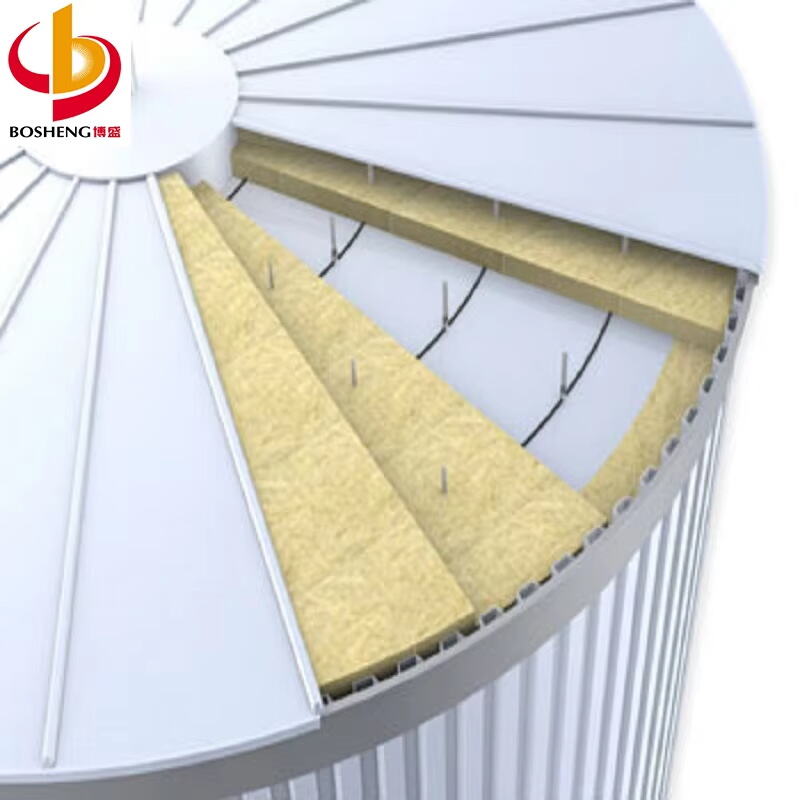
airborne sound insulation
Airborne sound insulation represents a crucial technology in modern construction and architectural design, specifically engineered to minimize the transmission of sound waves through air. This sophisticated system works by creating effective barriers that reduce noise pollution between spaces, utilizing multiple layers of specialized materials with varying densities and compositions. The primary function involves intercepting sound waves and converting their energy into minimal heat through a combination of reflection and absorption processes. In practical applications, airborne sound insulation typically consists of high-density materials like concrete, specialized glass, or multilayered drywall systems, often complemented by acoustic panels or soundproofing membranes. These solutions find extensive use in residential buildings, commercial spaces, recording studios, and educational facilities, where maintaining optimal acoustic environments is paramount. The technology incorporates advanced design principles such as mass law, coincidence effect management, and resonance frequency optimization to achieve superior noise reduction performance. Modern airborne sound insulation systems can effectively reduce noise levels by 30-60 decibels, depending on the specific configuration and materials used, making them an essential component in creating comfortable and productive indoor environments.

 EN
EN